The Future of Trekking in Nepal: Trends, Challenges, and Opportunities
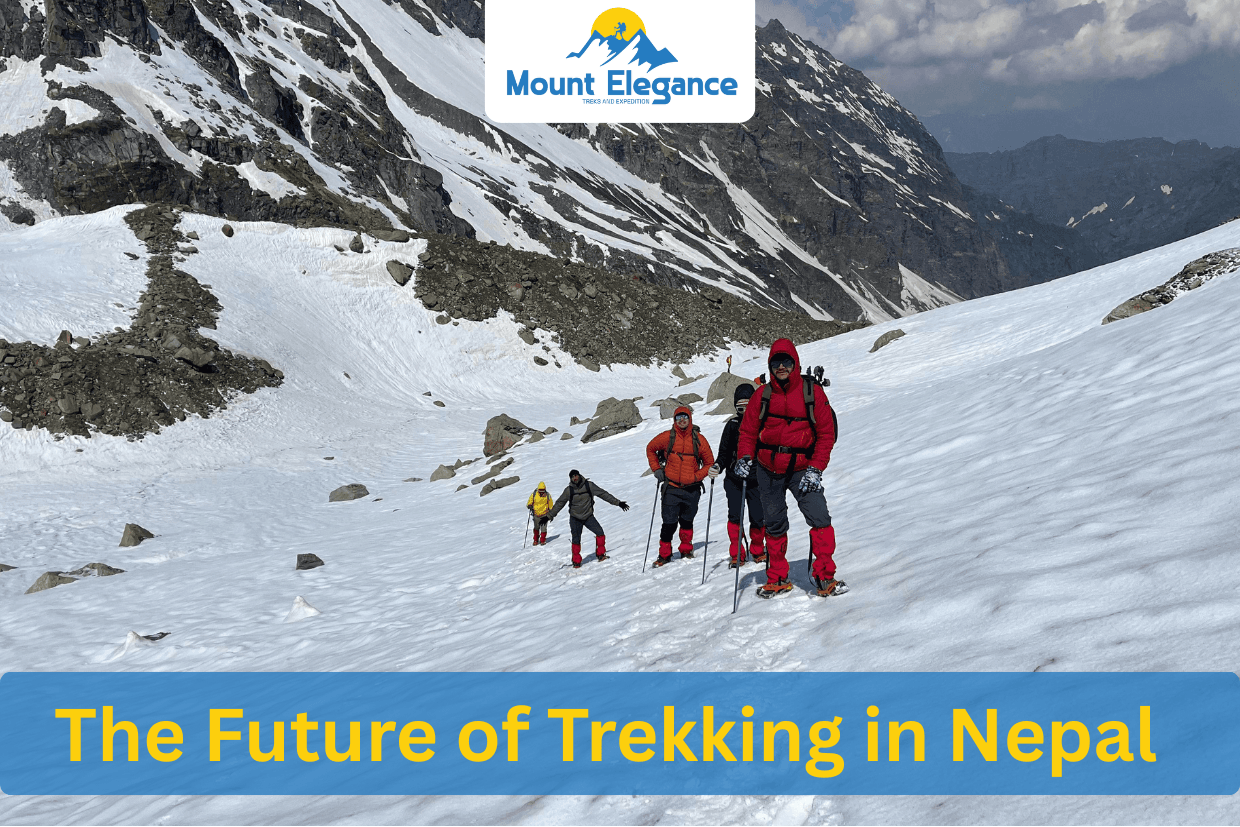
Picture yourself standing on a windy ridge at sunrise. The mighty Himalayas glow pink and gold. Your breath turns to mist. Moments like this are why we trek in Nepal. But the mountains are changing fast. New trails are opening, old ones are healing, and the way we travel here is evolving. So, what does the future of trekking in Nepal really look like? Let’s walk through it together.
Table of Contents
Toggle1. The Biggest Trends Right Now
These are the changes we see every single day on the trails.
People Want Slower, Deeper Experiences
Most travelers no longer want to rush from lodge to lodge. They want to stay three or four nights in the same village, eat with a local family, learn a few words of Nepali, and really feel the place. This slow style is shaping the future of trekking in Nepal.
→ Try it: Langtang Valley Trek with homestays or Tamang Heritage Trail
Less-Crowded Regions Are Booming
Everest and Annapurna are still amazing, but more people now choose Manaslu, Makalu, Upper Mustang, and Dolpo. Fewer trekkers, bigger views, and true silence. These remote routes will lead the future of trekking in Nepal.
→ Discover them: Manaslu Circuit | Upper Mustang
Luxury Lodges Are Everywhere
You can now sleep in a warm bed with hot showers and Wi-Fi even above 4,000 m. Luxury and adventure are no longer opposites.
→ See the difference: Everest Base Camp Trek
Technology Makes Trekking Safer
Satellite Wi-Fi, weather apps, GPS trackers, and drone rescues are now normal. All of this quietly protects the future of trekking in Nepal.
More info: Nepal Tourism Board
2. The Real Challenges We Face
Climate Change Is Changing the Trails
Glaciers are melting. New lakes can burst. Landslides happen more often. Some parts of the Annapurna Circuit have already moved twice in ten years.
Read the science: ICIMOD Climate Reports
Too Many People in Popular Areas
Everest Base Camp and Annapurna can feel crowded in October and November. Too many boots hurt the grass and too much waste is left behind.
Official guidelines: Nepal Tourism Board – Sustainable Policy
Roads Are Shortening Some Classic Treks
New jeep roads help villagers reach hospitals, but they also shorten the walking part of famous routes. We still believe walking is the heart of trekking.
3. Exciting Opportunities Ahead
With more travelers choosing eco-friendly operators and carbon-offset flights, the future of trekking in Nepal is finally becoming truly sustainable instead of just talking about it. Young Nepali guides who grew up on smartphones are now leading trips, and that fresh energy is completely reshaping the future of trekking in Nepal for the better.
Every problem brings new possibilities.
- Local families now own most lodges – your money stays in the village.
- Women and young people are becoming guides and entrepreneurs.
- Lower valleys are perfect for monsoon and winter trekking.
- Yoga + meditation treks are growing fast.
- Many companies (including us) plant 10+ trees for every guest.
4. How You Can Help Protect These Mountains
Simple choices make a big difference:
- Use a reusable water bottle (we have free filtered stations).
- Stay in small family lodges, not big hotel chains.
- Tip your guide and porter fairly.
- Take all rubbish down with you.
- Book with local Nepali companies like ours.
Ready to Experience the Future of Trekking in Nepal?
The trails are calling. The future is bright, responsible, and absolutely breathtaking.
Drop us a quick message today and let’s plan your perfect Himalayan journey.
Contact Mount Elegance Treks
See you in the mountains!
The Mount Elegance Team