Nepal for Beginner Mountaineers – 10 Powerful Reasons to Go From First Step to Summit
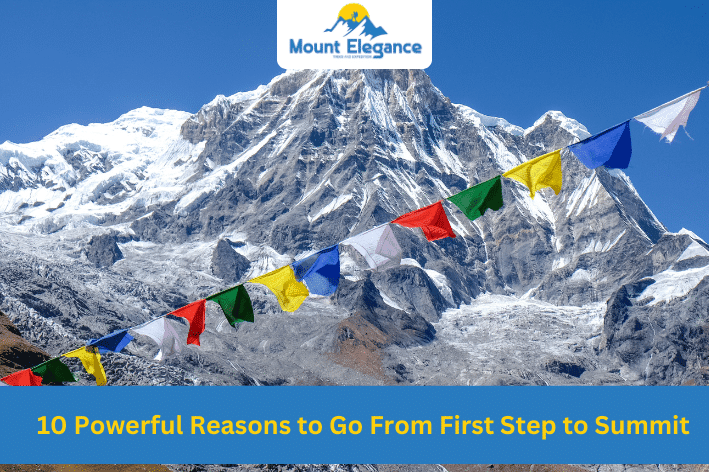
Imagine standing at the foot of the mighty Himalayas. Your breath quickens with anticipation. Snowy peaks tower above. Yet, doubt creeps in. “Am I ready?” For beginner mountaineers, this moment feels both thrilling and intimidating. However, Nepal welcomes you warmly. It transforms novices into confident summiteers. With breathtaking views, supportive guides, and accessible routes, your journey begins here. Discover why Nepal stands as the ultimate starting point for beginner mountaineers in 2026.
Table of Contents
Toggle1.Breathtaking Scenery That Inspires Every Step
Towering Himalayan giants, emerald valleys, blooming rhododendron forests, and dramatic rivers create a magical backdrop. Watching the sunrise paint Everest in golden light renews your energy and makes every uphill step feel worthwhile.
→ Official highlights: Nepal Tourism Board – Natural Wonders
2.Accessible Peaks Designed for First-Timers
Island Peak (6,189 m) and Mera Peak (6,476 m) are the most popular entry-level summits in Nepal. With fixed ropes, ladders, and gentle snow slopes, they require only basic skills and offer the perfect gentle introduction to high-altitude mountaineering.
3.Expert Sherpa Guides You Can Trust
Knowledgeable local Sherpa guides bring years of experience, teach you crampon and rope techniques, constantly monitor your health, and ensure safety — turning what could feel intimidating into an enjoyable, confident adventure.
4.Surprisingly Affordable Himalayan Experience
Complete guided packages for beginner peaks usually cost between $2,000–$3,500, including permits, meals, comfortable lodges, and professional support. Excellent value with transparent pricing and no hidden surprises.
5.Rich Living Culture Along Every Trail
Stay in warm Sherpa villages, visit centuries-old Buddhist monasteries, enjoy steaming bowls of dal bhat, and experience the genuine hospitality and spiritual traditions that make Nepal’s mountains so special.
6.Physical & Mental Transformation
Gradual altitude exposure builds real endurance, while the quiet beauty of the Himalayas and peaceful meditation spots help clear your mind and strengthen your inner resilience — a journey that changes you far beyond the summit.
7.Excellent Trekking Infrastructure
Friendly teahouses offer hot meals and cozy beds, small airports bring you close to the trails, and basic medical facilities exist along major routes — everything is organized to make your first Himalayan experience safe and comfortable.
8.Routes That Match Your Current Fitness
Whether you prefer short, gentle introductory treks like Ghorepani Poon Hill or slightly longer moderate adventures like Langtang Valley, Nepal offers dozens of flexible options. Choose the path that feels right for your body and your dreams.
9.Warm & Supportive Global Community
You’ll quickly make friends with trekkers from all over the world. Sharing stories, laughter, tips, and encouragement around the evening campfire creates bonds that often last long after the trek ends.
10.The Perfect Foundation for Bigger Dreams
Skills, confidence, and mountain sense you gain on your first summit become the strong foundation for future adventures — whether that means higher peaks, technical routes, or simply returning to the Himalayas again and again.
Frequently Asked Questions for Beginner Mountaineers in Nepal
What skills do beginner mountaineers need?
Basic fitness suffices. Additionally, learn rope and crampon basics. No prior advanced experience required.
What gear is essential for beginner mountaineers?
Sturdy boots, warm layers, harness, and ice axe. Moreover, agencies provide rentals.
What’s the best season for beginner mountaineers?
Spring (March-May) or autumn (September-November). However, avoid monsoons.
How much does it cost for beginner mountaineers?
Typically $2,000–$3,500 including permits and guides.
Are permits needed for beginner mountaineers?
Yes, NMA peak permits and TIMS/park fees apply.
Ready to conquer your first Himalayan summit? At Mount Elegance Treks, we craft personalized journeys for beginner mountaineers. Contact us today! Visit our contact page to inquire or book. Your adventure from first step to summit awaits, let’s make it unforgettable!