
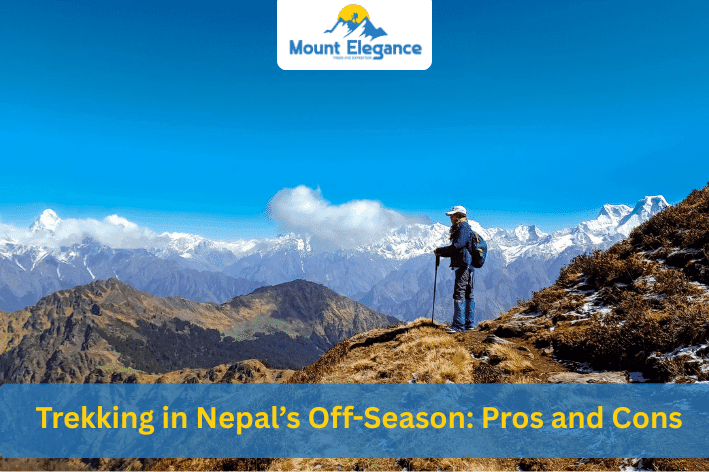
Nepal is home to eight of the world’s fourteen highest peaks, making it one of the top trekking destinations globally. While most trekkers visit during the peak seasons of spring (March-May) and autumn (September-November) for optimal weather and views, an off-season trek offers a completely different experience. Off-season trekking in Nepal refers to hikes during the monsoon (June-September) and winter (December-February) months, when visitor numbers drop significantly. According to the Nepal Tourism Board, these periods account for far fewer trekkers, providing unique advantages alongside notable challenges.
At Mount Elegance Treks, we specialize in guiding adventurers through these quieter times, helping them discover a more authentic and intimate side of the Himalayas. This guide explores the real pros and cons of an off-season trek, backed by practical insights to help you plan your journey.
What is an Off-Season Trek in Nepal?
An off-season trek in Nepal takes place outside the high-traffic peak seasons, specifically during the monsoon months from June to September and the winter period from December to February. These times see a sharp decline in tourist numbers—often less than 30% of peak-season volumes—as reported by the Nepal Tourism Board.
The monsoon brings heavy rainfall to most regions, creating lush green landscapes and dramatic waterfalls, while areas in the rain shadow like Upper Mustang remain relatively dry. Winter offers cold but often stable weather at lower elevations, with snow adding a serene beauty to the trails. Official trekking resources highlight that an off-season trek is ideal for experienced hikers seeking solitude, though it requires careful route selection. At Mount Elegance Treks, we recommend options like the Upper Mustang Trek for monsoon and lower-altitude routes in winter. Permits, including TIMS and national park entries, are easier and faster to obtain off-peak.
Choosing an off-season trek means prioritizing authenticity over perfect visibility, with rewards that many find more memorable than crowded peak-season hikes.
Pros of Off-Season Trekking
An off-season trek delivers several compelling benefits that attract adventurous travelers year after year.
Exceptional Solitude
Trails and teahouses are remarkably quiet, allowing for peaceful hikes and uninterrupted reflection amid the mountains. This level of tranquility is rare during peak times.
Unique Seasonal Beauty
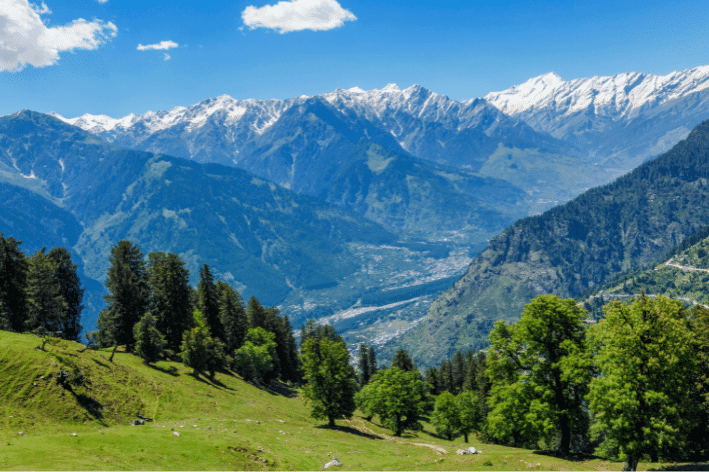
Monsoon seasons turn the lower Himalayas into vibrant green expanses with blooming flora and powerful rivers. Winter provides crisp air and snow-dusted views, creating photographic opportunities not seen in drier months.
Substantial Cost Reductions
Accommodation, guides, and even international flights are significantly cheaper off-peak. Teahouse rates can drop by 40-50%, and our customized packages at Mount Elegance Treks, such as the Ghorepani Poon Hill Trek, include additional perks during these periods.
Deeper Cultural Connections
With fewer tourists, local communities have more time to interact, offering genuine hospitality, home-cooked meals, and insights into daily life.
Flexible Planning
Last-minute bookings are feasible, and itineraries can be adjusted easily without competition for resources. This makes an off-season trek perfect for spontaneous travelers.
Cons of Off-Season Trekking
While rewarding, an off-season trek comes with challenges that require preparation.
Weather Challenges
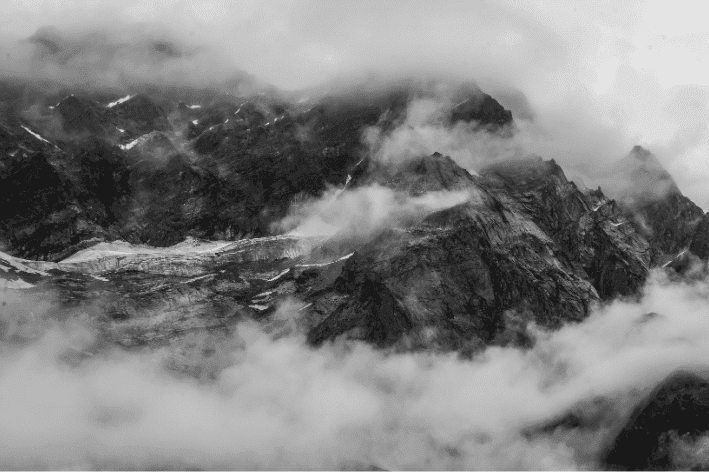
Monsoon rains lead to slippery paths, potential landslides, and leeches, while winter brings sub-zero temperatures and risks of snow blocking passes.
Reduced Visibility
Cloud cover often obscures mountain views, particularly during rainy months.
Limited Services
Many higher-altitude teahouses close, limiting accommodation and meal options in remote areas.
Higher Safety Considerations
Isolation means emergencies take longer to address, emphasizing the need for experienced guides and comprehensive insurance.
These factors make an off-season trek better suited to fit, flexible hikers rather than complete beginners.
Best Off-Season Treks in Nepal
Certain routes shine during off-season, focusing on accessible elevations and weather-resistant areas.
Ghorepani Poon Hill Trek
A short, scenic trek with panoramic sunrise views. Excellent for both monsoon greenery and winter snow.
Upper Mustang Trek
Rain-shadow region ideal for monsoon, offering desert-like landscapes and ancient culture.
Langtang Valley Trek
Cultural richness near Kathmandu, with viable winter access and lush monsoon trails.
Mardi Himal Trek
Less crowded ridge walk with stunning close-up mountain views year-round.
Short Everest View Treks
Lower routes to Namche or Tengboche for safer off-season Everest glimpses.
These recommendations align with Nepal Tourism Board guidelines for seasonal suitability.
Preparation Tips for an Off-Season Trek
Proper planning turns potential challenges into manageable aspects of your off-seasonekseks tr.
Gear Selection
Invest in waterproof clothing and quick-dry layers for monsoon; thermal gear and micro-spikes for winter.
Physical Preparation
Build cardiovascular fitness and practice hiking in varied conditions.
Permits and Logistics
Secure TIMS cards and park permits early through reliable agencies like ours.
Safety Measures
Travel with certified guides, carry satellite communication devices, and purchase evacuation insurance.
Weather Monitoring
Use reliable forecasts and remain flexible with daily plans.
Personal Stories from Off-Season Trekkers
Clients of Mount Elegance Treks often share transformative experiences. One winter trekker in Langtang noted the profound silence of snow-covered trails and warm local welcomes. A monsoon Poon Hill hiker described the exhilarating freshness after rain and unexpected rainbow views. Another appreciated the budget-friendly extension of their trip thanks to off-season rates. These stories illustrate how an off-season trek creates lasting memories through resilience and discovery.
Conclusion
An off-season trek in Nepal provides solitude, unique scenery, cost savings, and authentic experiences, balanced against weather risks, limited facilities, and reduced visibility. For prepared adventurers, the rewards far outweigh the drawbacks, offering a deeper connection to the Himalayas.
Ready to experience Nepal off the beaten path? Contact Mount Elegance Treks via our contact page for expert guidance and tailored off-season trek itineraries. Book your adventure today and discover the Himalayas like never before!