 Featured

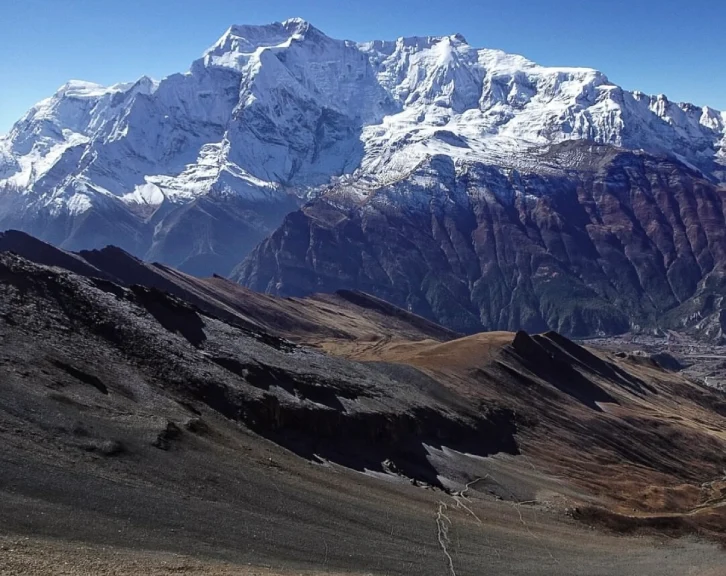

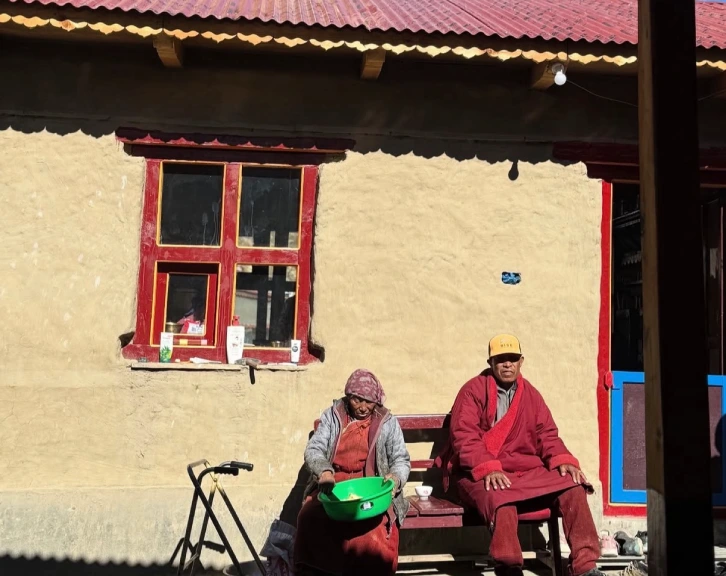
Nar Phu Valley Trek 12 Days
Duration
12 days
Acoomodation
Hotels, Tea houses
Maximum Guests
50
Highest Altitude
5,320m/ 17,454ft
Best Season
Mar-May & Sep- Nov
Start/End Point
Kathmandu
Nar phu Valley Trek Overview
The Nar Phu Valley Trek is an off-the-beaten-path, restricted-area trek in Nepal's Manang district, set deep within the Annapurna region. It leads into a remote, dry stretch of Nepal with an atmosphere and culture heavily influenced by Tibetan Buddhism.
The journey kicks off with a drive to Koto, where the trail splits off from the main Annapurna Circuit and pushes into the Nar Phu Valley itself. From there, the path winds through narrow gorges, crosses a handful of swaying bridges, and passes small stone villages built almost entirely around Tibetan-influenced culture - prayer flags, aging monasteries, and flat-roofed stone homes turn up at nearly every stop.
Nar village and Phu village end up being the trek's real cultural anchors, both perched above 4,000 meters and both giving trekkers genuine time to rest, acclimatize, and just take in how life works in these remote pockets. People here still live pretty much as they always have - herding yaks, following routines shaped by centuries of Tibetan Buddhist tradition.
The trek's toughest physical stretch comes at Kang La Pass, a high, punishing crossing that pays off with sweeping views before dropping back toward the main Annapurna trail. As a genuine trans-Himalayan trek, the route moves from one distinct climate and culture zone straight into another, all inside a fairly short window of time.
Accommodation sticks to a simple teahouse trek setup throughout, with basic lodges and the occasional homestay filling gaps where teahouses run thin. For anyone who's already knocked out the popular routes and wants something quieter, this off-the-beaten-path trek into a genuine hidden valley delivers a rare combination - remoteness, culture, and mountain scenery, all packed into under two weeks.
Nar Phu Valley Trek Quick Facts
The Nar Phu Valley Trek is a moderate to strenuous restricted-area trek featuring remote villages, Tibetan-influenced culture, and spectacular Himalayan views. It typically takes 11 days, reaches 5,306–5,320 m, and is best during spring and autumn.
Fact | Details |
Trek duration | 11 days varying by operator; 17days when combined with Annapurna Circuit |
Max altitude | 5,306–5,320 m (17,408–17,454 ft) at Kang La Pass 2 |
Trek distance | Approximately 75–90 km |
Trip grade | Moderate to strenuous trek |
Starting point | Koto, reached via Besisahar and Dharapani |
Ending point | Ngawal or Manang, or Pisang for road transfer toward Besisahar |
Accommodation type | Teahouses and guesthouses |
Best season | Spring (March–May) and autumn (September–November) |
Group size | Minimum 2 trekkers; solo trekking is not permitted |
Permits required | Restricted Area Permit (RAP), Annapurna Conservation Area Permit (ACAP), and TIMS; TIMS requirements can vary by current regulations and operator |
Introduction to Nar Phu Valley Trek
The Nar Phu Valley Trek takes trekkers to remote and restricted areas of Nepal that they were not allowed to visit until 2002-2003. This area is still one of the most visited places to trek in Nepal which is located near the Annapurna Conservation Area. It follows the Marsyangdi River all the way towards the Tibet border following through a hidden valley and old villages where you will see temples and a very special trans-Himalayan desert landscape in the Himalayas. This trek is hard because it is at high altitude. You will cross the Kang La Pass, which is very challenging. To do this trek you need a trekking permit even though the Nar Phu Valley Trek is in an area where you can still find basic places to stay, like teahouses along the way. It is an experience for people who like to trek in Nepal.
Nar Phu Valley Trek Highlights
- Cross the demanding Kang La Pass crossing, the trek's highest and toughest point, connecting Nar Phu Valley back to the wider Annapurna Circuit.
- Visit the sacred Tashi Lhakhang Monastery in Phu, one of the region's most important religious sites and historically linked to the Karmapa lineage.
- Stay overnight at the remote Nar Phedi Nunnery, run by a small community of Buddhist nuns who welcome trekkers into daily prayer life.
- Explore the walled, cliffside settlement of Phu village, a centuries-old stone village that still feels frozen in time.
- Wander through Nar village, the valley's larger settlement, home to traditional stone houses and its own cluster of monasteries.
- Pass countless ancient chortens and mani walls lining the trail, physical markers of the valley's deep Buddhist roots.
- Admire sweeping mountain views, including the Annapurna II view, distant Manaslu view, Gangapurna, and Tilicho Peak from various points along the route.
- Spot rare high-altitude wildlife, including grazing blue sheep and, with real luck, the elusive snow leopard.
- Walk through some of Nepal's most authentic Tibetan-influenced villages, where daily life has changed remarkably little over the centuries.
Why Choose Mount Elegance for Nar Phu Valley Trek
- Unique Nar Phu Experience: Mount Elegance focuses on a quieter, more peaceful and authentic Nar Phu journey - combining remote Himalayan landscapes with ancient villages, the Tibetan culture experience and the challenging Kang La Pass.
- Experienced Local Guides: Our guides have proper knowledge about Nar Phu Valley’s remote trails - altitude changes, local customs and weather conditions helping trekkers travel safely and comfortably.
- Reliable Departures: Once your trek is confirmed - we carefully coordinate permits, guides, transport and accommodation to keep your planned Nar Phu Valley departure organized and smooth keeping your comfort our priority.
- Sleeping Bag & Down Jacket: Quality sleeping bags and down jackets are available for rental from our company which will help you stay warm during cold nights in higher elevation sections without purchasing expensive gear.
- 24/7 Emergency Support: Our team remains available throughout the trek for urgent assistance as the guide will coordinate with our Kathmandu team during illness, injuries, severe weather or if any emergency evacuation is needed.
- Easy Booking System: Booking your Nar Phu Valley Trek is simple and hassle free you can simply confirm your dates, share passport details, pay the required deposit and our team handles permits and trek arrangements.
- Personalized Trek Support: We keep group sizes manageable and provide practical support based on your pace, fitness and trekking experience making a remote Nar Phu journey more comfortable and well organized.
Nar Phu Valley Trek Itinerary
Download ItineraryDepart early from Kathmandu on an overland drive along the Trisuli and Marshyangdi river highways. Enjoy views of terraced hillsides, rural settlements and river valleys as you reach Besisahar, the commercial gateway to the Annapurna region. From Besisahar, switch to a local 4WD vehicle to Navigate a rugged dirt road leading up to Ngadi. Arrive in the evening, check into a local teahouse, and prepare your gear for the start of the trek tomorrow.
Maximum Altitude: Ngadi (1,042m/ 3,419ft)
Meal: Breakfast, Lunch & Dinner
Drive Duration: 7-8 hours
Please note that the hotels included in this Kathmandu package are 3-star. Any upgrades or changes come at an additional cost and must be arranged in advance, either during booking or before you arrive.
Your trek briefing will take place in the hotel lobby, timed around your flight arrival. Be sure to bring a few essential documents with you: copies of your valid passport and visa, plus two passport-sized photos, which are required for your trekking permits.
Begin hiking along the rushing Marshyangi River, crossing long suspension bridges and passing cascading waterfalls. Walk past lush subtropical forests, terraced farmlands and small settlements like Bahundanda and Jagat. Continue along narrow stone-paved paths carved into the gorge walls. Reach the picturesque village of Tal - situated on a flat riverbed right at the entrance of the Manang district. Settle into your lodge and enjoy the river landscape farming the villager
Maximum Altitude: Tal (1,700m/ 5,577ft)
Meal: Breakfast, Lunch & Dinner
Trek Duration: 6-7 hours
Leaving Tal behind, crossing the river and following paths carved into steep cliff walls. Ascend through dense pine and oak forests, listening to the roar of the Marshyangdi river below. Pass small Gurung and Manangi settlements like Karte before crossing another suspension bridge to enter Dharapani. It serves as a major trail junction where the main Annapurna circuit and Manaslu Circuit routes intersect, offering bustling local teahouses and vibrant mountain culture.
Maximum Altitude: Dharapani (1,860m/ 6,102ft)
Meal: Breakfast, Lunch & Dinner
Trek Duration: 5-6 hours
Trek upward through lush fir, pine and rhododendron forests, taking in incredible views of Annapurna II and Lamjung Himal. Pass through Bagarchhap and Timang, enjoying scenic viewpoints over the surrounding peaks. Continue along the pine-scented trail past traditional flat-roofed stone houses and chortens to reach Koto - serving as the official administrative entry point and checkpoint for the restricted Nar Phu Valley, where special trekking permits are verified.
Maximum Altitude: Koto (2,675m/ 8,776ft)
Meal: Breakfast, Lunch & Dinner
Trek Duration: 5-6 hours
Branch off the main Annapurna Circuit trails and enter the narrow Phu Khola gorge. Walking through dense forest, passing under overhead cliffs and crossing several wooden and suspension bridges over the river. The trail climbs steadily leaving tree lines behind as the landscape transitions into high alpine terrain. Arrive at Meta - a small village set on a vast open plateau offering stunning views of Kang Guru Peak.
Maximum Altitude: Meta (3,560m/ 11,680ft)
Meal: Breakfast, Lunch & Dinner
Trek Duration: 7-8 hours
Walking the barren, high-altitude landscape past ancient winter shelters and carved mani walls. Turn off the main Phu trail at a junction marked by colorful chortens and ascend toward Naar Village. Cross a suspension bridge over a deep canyon before marking a steep final climb. Arrive at Naar - a historic Tibetan style village featuring flat-roofed stone houses, terraced barley fields, ancient Monasteries, and rich local cultural traditions.
Maximum Altitude: Naar Village (4,100m/ 13,451ft)
Meal: Breakfast, Lunch & Dinner
Trek Duration: 6-7 hours
Above 4,000 meters, ascend gradually and avoid gaining more than 300-500 meters of sleeping altitude per day. Take scheduled rest days for acclimatization, stay hydrated and watch for early signs of altitude sickness like headaches or nausea. Report immediately if symptoms are visible.
Descend from Naar Villager to rejoin the main valley trail, crossing the river and hiking through stark, desert-like canyons. Pass historical ruins, ancient watchtowers, and colorful rock formations created by centuries of erosion. A final push, climb through a narrow canyon gate reveals the isolated, stone houses of Phu Gaon. settle into a local lodge in one of the most remote and untouched Tibetan-influenced settlements in the Himalayas.
Maximum Altitude: Phu Gaon (4,050m/ 13,287ft)
Meal: Breakfast, Lunch & Dinner
Trek Duration: 6-7 hours
Spend a full acclimatization day exploring Phu Gaon to help your body adapt to the altitude. Hike up to the historic Tashi Lhakhang Monastery, located high on a cliff, to observe daily monastic traditions and panoramic views of Himlung himal. Walk through the narrow stone alleyways, interact with local villagers herding yaks, and absorb the peaceful, ancient atmosphere before preparing for the high pass crossing tomorrow.
Maximum Altitude: Phu Gaon (4,050m/ 13,287ft)
Meal: Breakfast, Lunch & Dinner
Begin before dawn for the trek’s most challenging section. Ascend steep and rocky trails up to Kang La Pass at 5320 m marked by the fluttering prayer flags. Stand at the summit to take a sweeping, unobstructed view - Annapurna II, Gangapurna, and Tilicho peak. After celebrating at the pass, begin a steep descent across loose scree and alpine slopes, making your way all the way back down to Meta for overnight stay.
Maximum Altitude: Kang La Pass (5,320m/17,454ft)
Meal: Breakfast, Lunch & Dinner
Trek Duration: 8-10 hours
This is a high-altitude crossing above 5,000 meters, so watch closely for headaches, dizziness, or nausea, and report immediately if symptoms appear.
Retracing your step from Meta back down through the deep Phu Khola canyon. Descend past the dramatic rock formations, hidden-waterfalls, and wooden river bridges that characterized your journey into the valley. As you lose altitude, the landscape transforms from arid high desert back into lush pine and fir forests. Re-enter the main trail at Koto, where you can relax, enjoy a warmer climate, and celebrate leaving the restricted area.
Altitude: Koto (2,675m/ 8,776ft)
Meal: Breakfast, Lunch & Dinner
Trek Duration: 5-6 hours
Follow the well-defined Annapurna Circuit trail downhill along the Marshyangdi River. Pass through familiar villages like Timang and Bagarchhap, enjoying final close-up views of the snow-capped Annapurna peaks behind you. The gradual descent makes for a comfortable walk through shaded forests and past stone-walled farmlands. Arrive back in Dharapani, check into a teahouse, and rest after completing the trekking loop through the remote Nar Phu wilderness.
Altitude: Dharapani (1,860m/ 6,102ft)
Meal: Breakfast, Lunch & Dinner
Trek Duration: 5 hours
Board a local 4WD vehicle in Dharapani for a bumpy, scenic drive along the Marshyangdi River gorge back down to Besisahar. Upon reaching Besisahar, transfer to a comfortable private or tourist bus for the highway drive back to Kathmandu along the Trishuli River. Enjoy the changing views from mountain foothills to city landscapes. Arrive in Kathmandu by late afternoon, transfer to your hotel, and celebrate the completion of the journey.
Altitude: Kathmandu (1,400 m/4,600 ft)
Meal: Breakfast, Lunch & Dinner
Drive Duration: 8-9 hours
Looking at other options?
Compare this trip with our other itineraries.
ABC Trek
- Day 1 Kathmandu Arrival (1,400m) - 30 to 45 minutes drive. Overnight stay at a 3 star hotel in Kathmandu.
- Day 2 Drive from Kathmandu to Pokhara (822m)- 7 to 8 hour drive. Overnight stay at a 3 star hotel in Pokhara.
- Day 3 Drive to Birenthati and Trek to Ghandruk (1,940m)- 2 to 3 hour drive and 2-3 hour trek. Overnight stay at the tea house in Ghandruk.
- Day 4 Trek from Ghandruk to Sinuwa (2,340m)- 6 to 7 hours. Overnight stay at the tea house in Sinuwa.
- Day 5 Trek from Sinuwa to Deurali (3,230m) - 6 to 7 hours. Overnight stay at the tea house in Deurali.
- Day 6 Trek from Deurali to Annapurna Base Camp (4,130m) via Machapuchare Base Camp (3,700m)- 5 to 6 hours. Overnight stay at the tea house in ABC.
- Day 7 Trek from Annapurna Base Camp to Bamboo (2,310m) - 6 to 7 hours. Overnight stay at the tea house in Bamboo.
- Day 8 Trek from Bamboo to Jhinu Danda (1,780m) - 5 to 6 hours. Overnight stay at the tea house in Jhinu Danda.
- Day 9 Drive Back to Pokhara (820m) - 2 to 3 hours. Overnight stay at the 3 star hotel in Pokhara.
- Day 10 Drive from Pokhara to Kathmandu- 7 to 8 hours. Overnight stay at the 3 star hotel in Kathmandu.
- Day 11 Departure from Kathmandu- 35 to 45 minutes. Breakfast included.
Khopra Danda Trek
- Day 1 Drive from Pokhara to Birenthati & Trek to Tikhedhunga (1,540m) - 2 to 3 hour drive & 2 to 3 hour trek. Overnight stay at a tea house in Tikhedhunga.
- Day 2 Trek from Tikhedhunga to Ghoepani (2,860m)- 5 to 6 hours. Overnight stay at the tea house in Ghorepani.
- Day 3 Hike Poonhill (3,210m) & Trek to Tadapani (2,630m) - 6 to 7 hours. Overnight stay at the tea house in Tadapani.
- Day 4 Day 4: Trek from Tadapani to Bayli Kharka (3,450m - 5 to 7 hours. Overnight stay at the tea house in Bayli Kharka.
- Day 5 Trek from Bayli Kharka to Khopra Danda (3,670m) - 5 to 6 hours. Overnight stay at the tea house in Khopra Danda.
- Day 6 Hike Khayer Lake (4,660m) & Trek back to Khopra Danda to - 5 to 6 hours. Overnight stay at the tea house in Khopra Danda.
- Day 7 Trek from Khopra Danda to Tadapani- 5 to 6 hours. Overnight stay at the tea house in Tadapani.
- Day 8 Trek from Tadapani to Ghandruk (1,940m)- 4 to 5 hours. Overnight stay at the tea house in Ghandruk.
- Day 9 Trek from Ghandruk to Birenthati & drive to Pokhara (822m)- 2 to 3 hours hike & 2-3 hour drive. Overnight stay at the 3 star hotel in Pokhara.
- Day 10 Drive from Pokhara to Kathmandu- 7 to 8 hours. Farewell dinner on this day.
Mardi Himal Trek
- Day 1 Kathmandu Arrival (1,400m) - 30 to 45 minutes drive. Overnight stay at a 3 star hotel in Kathmandu.
- Day 2 Drive from Kathmandu to Kande & Trek to Australian camp (2,060m) - 7 to 8 hour drive & 2-3 hour hike. Overnight stay at a tea house in Australian Camp.
- Day 3 Trek from Australian Camp to Forest Camp (2,520m)- 6 to 7 hours. Overnight stay at the tea house in Forest Camp.
- Day 4 Trek from Forest Camp to Low Camp (3,050m) - 4 to 5 hours. Overnight stay at the tea house in Low Camp.
- Day 5 Trek from Low Camp to High Camp (3,580m)- 4 to 5 hours. Overnight stay at the tea house in High Camp.
- Day 6 Hike Mardi Himal Base Camp (4,500m) & back to High Camp - 6 to 7 hours. Overnight stay at the tea house in High Camp.
- Day 7 Trek from High Camp to Siding Village (1,700m) - 5 to 6 hours. Overnight stay at the tea house in Siding Village.
- Day 8 Drive from Siding Village to Pokhara (820m) - 3 to 4 hours. Overnight stay at the 3 star hotel in Pokhara.
- Day 9 Drive from Pokhara to Kathmandu- 7 to 8 hours. Overnight stay at the 3 star hotel in Kathmandu.
- Day 10 Departure from Kathmandu- 35 to 45 minutes. Breakfast included.
Nar Phu Valley Trek Package and Inclusions
Trip Includes:
Accommodation
- Sharing guesthouse accommodation during the trek for 11 nights in the Annapurna Nar Phu Region.
Meals & Drinking Water
- All your standard meals during the trek (11 Breakfasts, 12 Lunches and 12 Dinners) including tea or coffee.
- Fresh seasonal fruits each day after dinner during the trek.
- A farewell dinner on the last night in Nepal.
- Purified drinking water during the trek using Water Filter or water purification tablets.
Transportation & Flight
- Local Bus from Kathmandu-Besisahar-Kathmandu
- Sharing Jeep from Kathmandu To Ngadi, After trek Dharapani To Besisahar
Guide and Staff
- Experienced, first-aid trained, government licensed, English speaking, and locally recruited Mount Elegance trekking guide (2 guides for group size more than 8 people).
- Porters during the trek for carrying luggage (1 porter for every 2 clients).
- Wages, accommodation, meals, gear, insurance and medications for all staff.
Narphu Valley Trek Permits
- Annapurna Conservation Area Permit (ACAP) Permit.
- Nar Phu Restricted Area Permit
- TIMS (Trekkers’ Information Management System) card.
Equipment and Takeaways
- 1 Mount Elegance duffel bag and Sleeping Bag (Should be returned after trek Completion)
- Mount Elegance Complimentary Tshirt, Cap and Route Map.
- A comprehensive first aid kit, including an Oximeter to check pulse and oxygen levels daily in the mountains.
- Trip completion certificate.
Administrative & Taxes
- All administrative expenses and government taxes.
Trip Excludes:
- Accomodation in Kathmandu.
- Lunch and dinner in Kathmandu.
- International flight fare and airport departure tax.
- Nepal Entry Visa (Visa can be acquired easily after your arrival at Tribhuvan International Airport in Kathmandu with a fee of USD 30 for 15 days visa, USD 50 for 30 days visa and USD 125 for 90 days visa).
- Travel insurance along with high-altitude emergency evacuation coverage.
- Any beverages including bottled and boiled water.
- Tips to trekking staff and drivers.
- Personal trekking gear and equipment.
- Any expenses other than the Price Include section.
Departure Dates
Nar Phu Valley Trek Map

Nar Phu Valley Trek Altitude Chart

Packing List / Gear for the Nar Phu Valley Trek
Below is the necessary packing list for Nar Phu Valley Trek. You can take reference from below information before packing. SOme of the equipment are provided by the company which are mentioned below and others you can buy in your home country or rent in Kathmandu.
Clothing (Layering System)
- Base Layer: 1–2 pairs of thermal tops and bottoms (high-grade synthetic).
- Trekking Shirts: 2–3 lightweight, long-sleeve shirts for sun and dust protection on the Nar Phu trail.
- Trekking Pants: 2 pairs of stretchable and comfortable trekking pants.
- Insulation Layer: 1 warm fleece jacket or lightweight down sweater.
- Hard Shell: 1 breathable waterproof jacket and pants for wind, rain, or alpine snow.
- Underwear: 4–5 pairs of sports underwear.
Footwear
- Trekking Boots: 1 pair of ankle-supportive and water-resistant hiking boots.
- Camp Shoes: 1 pair of lightweight Sports sandals for relaxing in the teahouses.
- Socks: 2–3 pairs of thick merino wool trekking socks and 2 pairs of thin liner socks.
- Gaiters: 1 pair of breathable, waterproof gaiters to seal out snow.
Backpack and Storage
- Main Duffel Bag: 1 heavy-duty, weather-resistant 90L–120L duffel bag (to be carried by porters/yaks and will be provided by the company).
- Daypack: 1 technical 25L–30L daypack (carried by the guest) for layers, raincoat, water, camera, regular medicine, clothes for a day and snack, will be carried by yourself during trekking.
- Dry Bags: A collection of lightweight waterproof dry sacks to segregate and protect electronics and clothing. (It can be kept at duffel bag)
Technical and Trekking Gear
- Sleeping Bag: 1 Weather four-season sleeping bag rated down to at least -10°C (crucial for comfort at Nar Phu Valley trek which will be provided by the company).
- Trekking Poles: 1 pair of adjustable trekking poles with snow baskets.
- Headlamp: 1 LED headlamp with extra lithium batteries (essential for the midnight).
- Water Storage: Insulated 1-liter Nalgene bottles (must handle boiling water) and thermal bottle jackets to prevent freezing.
- Glasses: 1 pair of high-protection UV Sunglasses.
Health and First Aid
- Altitude & Illness Medication: Diamox (Acetazolamide) for altitude acclimatization, a course of broad-spectrum antibiotics, and anti-diarrheals (Imodium).
- Water Purification: Purification tablets or chlorine dioxide drops to purify your tap water.
- Blister & Wound Care: Comprehensive blister kits (Compeed/Moleskin), athletic tape, sterile gauze, and elastic bandages.
- Personal Pharmacy: Rehydration salts (ORS), Ibuprofen/Paracetamol, and personal prescriptions.
Note: Guide will also carry basic First Aid.
Personal Items and Extras
- Sun Protection: SPF 50+ broad-spectrum sunscreen and dedicated SPF zinc lip balm.
- Sanitation: Multiple packs of pocket tissues, wet wipes (for camp showers), and high-alcohol hand sanitizer.
- Power Bank: 2 high-capacity (15,000mAh) heavy-duty power banks.
- Snacks: Energy gels, protein bars & chocolate
Documents and Cash
- Identity & Visas: Original passport valid for 6+ months past travel dates, plus physical paper copies. Visa on arrival and which will be paid in cash.
- Permit: Nar Phu Restricted Area Permit, Annapurna Base Camp Area permit (ACAP)
- Insurance Certificate: Printed proof of comprehensive travel insurance covering search, rescue, heli-evacuation, and technical climbing up to 5,500 meters.
- Photos: 2 recent passport-sized photos for local permits and regional SIM cards.
- Cash: Carry nepalese rupee during trek while credit card might not be accepted to get some souvenir or other snacks. You can exchange to Nepali Currency after arriving in Kathmandu.
Final Tips
- Strict Weight Limits: Keep your main duffel bag under 15 kg (33 lbs) to strictly comply with porter and will also carry 15 kg max per person.
- Freeze Prevention: Store your phone, camera batteries, headlamp, and power banks inside your inner jacket pockets during the day, and at a warm place at night to prevent freezing temperatures from killing the battery life.
Best Time to Trek Nar Phu Valley
The best time to trek Nar Phu Valley is during spring and autumn which offer stable weather with clear mountain views and accessible trails. Winter brings freezing temperatures and snow-blocked passes, while monsoon has less rain due to its rain shadow location but may have muddy trails and cloudy views; sometimes the visibility can be poor.
Spring
The best time to trek the Nar Phu Valley is during the spring season which falls during March–May as it has mild temperatures with stable weather conditions and clear mountain views making trekking comfortable and easy. Rhododendron bloom adds color to lower trails, while higher areas have breathtaking and peaceful views. Snow may still cover Kang La Pass early in spring, so trekkers should check conditions before crossing this high pass.
Autumn
Another best time to trek the Nar Phu Valley is during the autumn season which falls in September–November. This season is considered one of the best periods for this trek as it offers stable weather, dry trails and clear mountain views, creating excellent trekking conditions. The landscape looks fresh after monsoon, while Dashain and Tihar festivals offer opportunities to experience local culture and village traditions along this remote Himalayan route.
Winter
Generally winter trekking is done between December–February - which brings freezing temperatures with heavy snowfall and snow-blocked passes that can make the route difficult. Some sections may become unreachable, especially around Kang La Pass. However - experienced trekkers seeking solitude can consider an off-season trek if weather trail and pass conditions are confirmed beforehand.
Monsoon
The best time to trek the Nar Phu Valley is not usually the monsoon season which falls in June–August although Nar Phu lies partly within a rain shadow area and receives less rainfall than many Nepal trekking regions. Rain can still affect lower approach trails, while cloudy skies can reduce mountain visibility. Experienced trekkers can visit during this quieter off-season trek with proper planning.
Difficulty Level and Fitness PreparationDifficulty Level and Fitness Preparation
The Nar Phu Valley is a moderate to strenuous trek due to high elevation with remote terrain, where you have to cross the challenging Kang La Pass crossing which has 6–8 hour of walking days. This high-altitude trek requires an average to good physical fitness level and steady endurance. Proper acclimatization is essential to reduce the risk of altitude sickness as you gain elevation. Start a training routine several weeks before the trek - focusing on cardio training, uphill walking with strength exercises and longer hikes. Preparing for long trekking days makes the journey safer and more comfortable.
Permits Required for Nar Phu Valley Trek
The permits required for the Nar Phu Valley Trek are a Restricted Area Permit (RAP) for Nar and Phu, an Annapurna Conservation Area Permit and a TIMS card when needed. RAP covers the Nar phu restricted area in Manang district, with costs based on season and permit duration. ACAP covers the Annapurna Conservation Area and costs around NPR 3000 for foreign trekkers. TIMS supports trekker registration and safety monitoring. A licensed guide requirement also applies to Nar Phu’s restricted area.
Accommodation and Food on the Trek
Accommodation on the Nar Phu Valley Trek is basically a simple teahouse with simple twin-sharing rooms, limited shared facilities and limited services. Rooms usually have beds with clean mattresses and blankets - while toilets may include squat toilets. Hot showers are limited and usually available for an extra charge. Electricity is basic with solar electricity used in some villages for charging and lighting. Beyond Meta, Nar Phu is a vegetarian zone, where no meat, alcohol, or smoking is permitted.
meal | Common food option |
Breakfast | Tibetan bread, yak butter tea,eggs, pancakes |
Lunch | Dhal, Bhat, Thukpa, noodle, momo, vegetable dishes. |
Dinner | Dal bhat, thukpa, momo, rice, vegetables, Tibetan bread |
Culture, Religion and Etiquette in Nar and Phu
Nand Phu culture and politeness are shaped by Tibetan Buddhism with traditional Himalayan customs and the close-knit communities of the region. Visitors should respect local religious practices - monasteries, prayer sites and community traditions throughout the trek.
- Tibetan Buddhism: Shapes daily life, religious practices, festivals with monastic traditions in Nar and Phu.
- Gurung and Ghale communities: Preserve local customs respecting their languages, clothing and Himalayan cultural traditions.
- Lama community: Plays an important role in religious ceremonies, teachings and monastic life.
- Mani wall etiquette: Walk left of mani walls and never climb over or sit on them. It's disrespectful towards their culture .
- Prayer wheels: Turn prayer wheels clockwise while passing religious sites.
- Tashi Lhakhang Monastery: Visitors should enter respectfully, should remain quiet and follow local instructions.
- Nar Phedi Nunnery: Respect the peaceful monastic environment and ask permission before taking photographs.
- No animal slaughter: Beyond Meta, traditional Buddhist beliefs support a no-animal-slaughter practice so you won't be allowed to have non-veg on these premises.
- Vegetarian zone: Nar and Phu follow a no-meat, no alcohol and no tobacco tradition beyond Meta.
- Monastic life: Quiet behavior and simple dress are expected around monasteries and sacred places to respect their belief.
Safety, Altitude Sickness and Travel Insurance
Altitude sickness on the Nar Phu Valley Trek is a risk above 2,500 meters, with high concern near the Kang La Pass. Acute Mountain Sickness (AMS) symptoms can arise when the body struggles to adjust to low oxygen at higher elevation. Common AMS symptoms include headache - dizziness, nausea, vomiting, tiredness, poor appetite - or disturbance in sleep. Proper acclimatization with slow and gradual ascent, staying hydrated, steady walking, and sufficient rest supports altitude sickness prevention.
Trekkers should carry a first aid kit and consider using an oximeter to measure their oxygen levels from time to time.A licensed guide can help recognize high-altitude problems and manage a high-altitude emergency. Travel insurance must cover high-altitude trekking up to at least 5,500 meters and emergency helicopter evacuation, providing essential protection during the Kang La Pass risk.
Booking Process and Payment
Booking the Nar Phu Valley Trek requires several steps, from confirming your trip and paying the initial deposit to submitting passport information and completing the balance payment. Following each step early helps ensure permits, accommodation, transportation and guide arrangements are prepared before your trek.
1. Choose Your Trek Package: Select your preferred Nar Phu Valley Trek itinerary - duration, services, accommodation arrangements, transportation and departure date. Confirm what is included and excluded in the package before making payment.
2. Booking Deposit: A 10% booking deposit secures your trekking reservation as this initial trip deposit percentage allows the trekking company to begin arranging permits - accommodation, transportation, guides and other required services.
3. Submit Passport Details: Provide a clear copy of your valid passport details including the information required for trekking permits and official registrations. Make sure your passport remains valid for the required period.
4. Payment Method: The booking deposit can generally be paid through bank transfer or other accepted payment methods. If you choose a credit card an additional processing surcharge may apply depending on the operator.
5. Booking Confirmation: After receiving the deposit and required documents, the company confirms your booking and shares important information about the itinerary - meeting arrangements, packing requirements, permits, and preparation.
6. Pre-Trek Briefing: Attend the pre-trek briefing on the scheduled meeting day. Guides or staff explain the trekking route - daily walking hours, altitude concerns, weather conditions, equipment and final departure arrangements.
7. Balance Payment: The remaining balance payment is generally payable on arrival in Kathmandu or Pokhara, depending on the agreed itinerary and operator policy to confirm the exact payment deadline before departure.
8. Cancellation Policy: Read the cancellation policy before paying the deposit. Check refund conditions - cancellation deadlines, postponement options, and possible deductions for permits, hotels, transportation or other services already arranged.



FAQs
General Information
Nar Phu offers remote villages, Tibetan culture, fewer trekkers, and rugged landscapes before joining the Annapurna Circuit route.
The trek usually takes 18 days, including Kathmandu arrival, trekking days, and departure from Nepal.
Trekkers can see Annapurna II, Annapurna III, Gangapurna, Tilicho Peak, Himlung Himal, and other surrounding peaks.
yes It can suit beginners with good fitness, but previous trekking experience and proper acclimatization are strongly recommended.
Preparation and Fitness
Nar Phu is generally more demanding than Annapurna Base Camp, mainly because of remote trails, altitude, and Kang La Pass.
Train with long uphill hikes, stair climbing, cardio, strength exercises, and loaded backpack walks several weeks beforehand.
Most trekking days involve approximately 5–7 hours of walking, while difficult pass-crossing days can take longer.
Health and Safety
Beyond the 4000 m marker most trekkers starts to feel the thinner air if not properly acclimatized. To keep altitude sickness away maintain pacing of your walks and monitor your health, report Any symptoms
Since Nar Phu is a restricted area, your policy must include helicopter evacuation coverage with high altitude cover extending fully cover the Kang La Pass crossing. It should also explicitly cover Acute Mountain Sickness, HAPE, and HACE, since standard travel policies often exclude altitude above 4,000m entirely.
If symptoms of altitude sickness appear during the Kang La Pass crossing, the guide will begin an immediate descent toward Meta, since there's no faster way down from this remote, high-altitude section. If symptoms are severe, a helicopter evacuation is needed to be arranged from the nearest accessible landing point, which is why insurance with evacuation coverage up to 6,000m is essential for this specific crossing.
Permits
Trekkers generally need a Restricted Area Permit, Annapurna Conservation Area Permit, and TIMS card, depending on current regulations.
No. Nar Phu is a restricted area, so trekkers must travel with a licensed guide and required permits.
Trekkers usually travel by road from Kathmandu to Besisahar, then continue toward Koto, the main trekking starting point.
Yes the Restricted Area Permit fee varies by season, with higher charges generally applying during peak trekking months.
Accomodation
Trekkers stay mainly in basic teahouses and homestays, offering simple rooms, shared bathrooms, and basic meals.
Meat may be available in some lodges, while alcohol is limited and generally best avoided at high altitude.
Wi-Fi is limited and unreliable inside Nar and Phu, with connectivity varying between villages and individual teahouses.
Group Prices & Discounts
Beyond the package price - budget for international flights, visa fees, travel insurance, hotel upgrades, gear rental, bottled water and snacks, hot showers, charging, Wi-Fi, and tips for your guide and porter.
As a general guideline, tip around 8 to 9 percent of total budget for the guide and porter, typically given as a lump sum at the end of the trek.
it is require to deposit 10% of the total package cost to confirm booking, with the balance due on arrival.