 Best Price


Everest Base Camp and Gokyo Lakes Trek - 17 Days
Duration
17 days
Accommodation
Hotels, teahouses
Maximum Guests
40
Highest Altitude
5,545 m / 18,192 ft
Best Season
Mar–May & Sep–Nov
Start/End Point
Kathmandu
Gokyo to Everest Base Camp Trek Overview
Everest Base Camp with Gokyo lakes is a classic Himalayan adventure with the incredible frozen lake of the Gokyo Valley. This route is very challenging in comparison to the standard EBC trek in terms of pure difficulty and length, but because of these challenges it attracts adventure seekers around the world year after year. Our veteran guides who has spend years leading the groups across the Khumbu Region will suggest that if you're going to save up for one trip, make it Base Camp via Gokyo.
The whole thing starts with a flight that genuinely tests your nerves. There is no gentle introduction at the Lukla airstrip. You’re looking at an incredibly short runway that tilts upward directly into a massive mountainside, with an approach path cutting so close to jagged ridgelines you feel like you could reach out the window and touch them. It’s completely normal to find yourself gripping the armrest until the wheels touch down. But the moment your boots hit the ground in the Khumbu Pasang Lhamu Rural Municipality, the initial anxiety melts into pure awe. You look up, realize you're finally standing deep in the true giants, and know the only way out now is on your own two feet.
Your first few days on the trail follow the paths of the Dudh Koshi River, where the heavy glacial silt turns the rushing water a strange, milky grey-green color. You’ll find yourself crossing this river multiple times over high, swaying suspension bridges, climbing up through dense rhododendron forests that burst into brilliant walls of red and pink blooms if you catch them in the spring. Eventually, the treeline simply drops away, the air turns crisp and thin, and you find yourself fully surrounded by vast, open alpine landscapes.
Namche Bazaar is where most people take their first acclimatization day, and many guides consider it one of the best trail towns anywhere in the world. Bakeries, gear shops, and a Saturday market that draws traders from villages few outsiders ever see, all wedged into a horseshoe-shaped bowl in the hillside. It's a good reminder that this isn't a wilderness trek in the empty sense. People living here, Sherpa communities have run these trails for generations, and Tibetan-Buddhist culture is everywhere, from the prayer flags hung across every pass to the mani walls (stacked, hand-carved stones) trekkers are meant to pass on the left, to the soft whispering chant of monks at Tengboche Monastery for those who time their visit right. It's worth keeping an eye on the cliffs above the trail here too, since Himalayan tahr and, with luck, musk deer show up more often than people expect.
Then the trip splits from the standard Base Camp route, and this is the part many guides say they look forward to most. The trail into Gokyo Valley is quieter, with fewer teahouses, fewer trekkers, and more silence. Then the path rounds a bend and the Ngozumpa Glacier appears: a churned-up, grey-white river of ice and rock, the biggest glacier in the Himalayas of Nepal, grinding through the valley at a pace no one can see but can somehow feel. Right beside it sit the Gokyo Lakes, and they don't look real. Turquoise water, dead still, holding the reflection of the peaks around them, sacred to local Buddhist and Hindu tradition both, which is easy to understand once someone is standing at the edge of one.
The climb up Gokyo Ri is brutal, steep and loose with thin air the whole way, and then Mount Everest, Lhotse, Makalu, and Cho Oyu are all lined up in front of the summit at once. Guides say they've watched grown adults go quiet up there. It's a lot to take in.
No one sugarcoats what comes next. Cho La Pass is the hardest day of the trip. Trekkers scramble over icy rock, sometimes roped or with crampons depending on conditions, and altitude makes every step cost more than it should. It's not a technical climb, but it demands respect, a good guide, and a body that's acclimatized properly. Clear it, though, and the trail drops back into the main Khumbu Region, and most people feel like they've earned everything that comes next. From there it's a walk alongside the moraine of the Khumbu Glacier, closing in on Everest Base Camp itself, a strange and humbling place in person, quieter than photos suggest, especially outside spring climbing season.
The last big push is Kala Patthar, tackled in the dark, in the cold, half-asleep and half-terrified of the altitude. Then the sun comes up over Nuptse and Ama Dablam, the rock turns gold, and every bit of the discomfort stops mattering. Standing inside Sagarmatha National Park, a UNESCO World Heritage Site, looking at the roof of the world, most trekkers say it's the moment they finally feel like they belong there.
Anyone thinking about tackling a Himalayan trekking route can get guidance on logistics, permits, and the kind of training that actually prepares a person for the high-altitude challenges of the Solukhumbu District.
Everest Base Camp via Gokyo Lakes Highlights
- Gokyo Lakes: See six sacred, bright blue lakes hidden in the quiet Gokyo Valley, reflecting the snowy mountain peaks of the Himalayas of Nepal.
- Gokyo Ri (5,357 m): Climb to this amazing viewpoint for great views of four huge mountains: Mount Everest, Lhotse, Makalu, and Cho Oyu.
- Cho La Pass (5,420 m): Walk across a high, icy glacier pass linking Gokyo Valley to the main Khumbu Valley, testing your strength on cold mountain trails.
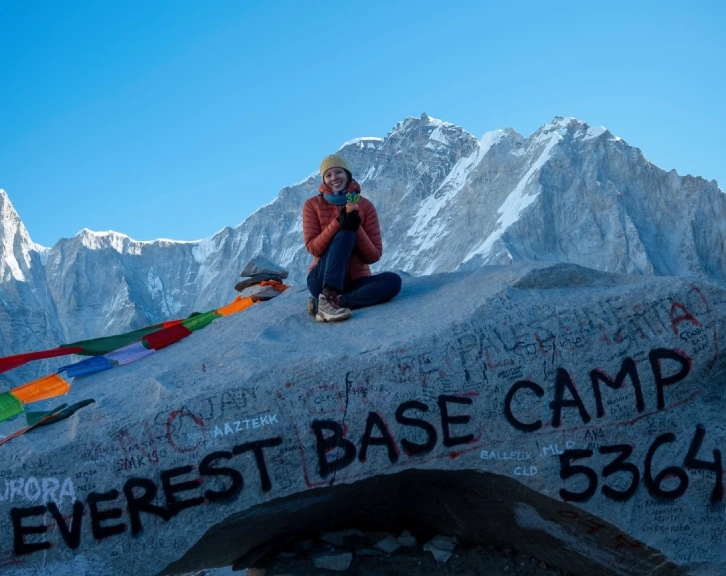
- Everest Base Camp (5,364 m): Stand right at the bottom of the world’s highest mountain next to the giant Khumbu Glacier in the famous Everest Region.
- Kala Patthar (5,555 m): Enjoy an early morning hike to see the best view of Mount Everest, Nuptse, and Ama Dablam shining in the morning sun.
- Sherpa Culture: Walk through local Sherpa communities like Namche Bazaar to learn about Tibetan-Buddhist culture and local mountain life.
- Hillary Suspension Bridge: Walk across high, swinging bridges covered with colorful prayer flags over the fast-flowing Dudh Koshi River.
- Tengboche Monastery: Visit an old mountain monastery in the Khumbu Region surrounded by big snowy peaks and quiet monk prayers.
- Panoramic Mountain Viewpoints: Enjoy wide views of giant snowy peaks all around you during this amazing Himalayan trekking trip.
- Sagarmatha National Park: Walk through a UNESCO World Heritage Site filled with rhododendron forests, high alpine landscapes, and rare Himalayan wildlife.
- Ngozumpa Glacier (largest glacier in Nepal): Walk next to the largest glacier in the Himalayas of Nepal, a giant river of ice flowing down the valley.
Everest Base Camp with Gokyo Lakes Route Overview
Your journey starts with a scenic flight from Kathmandu to Lukla, trekking through Phakding to Namche Bazaar then branching off into Gokyo Valley and passing Mong La, Dole, and Machhermo to the Gokyo Lakes. Summit Gokyo Ri then crosses Cho La Pass to Dzongla, reach Everest Base Camp and view the sunrise at Kala Patthar before returning via Pheriche.
Who is Suitable For This Trek?
Time-Conscious Travelers: a perfect trip for those who want to experience a full base camp adventure without walking the return route.
Fitness Conscious Trekkers: A great way of reducing tiredness and giving your body a needed rest after reaching base camp. Also reduces the risk of altitude sickness as you don't have to stay in high-altitude much longer. And it is also an ideal choice for senior travelers seeking a lower-impact route to Everest Base Camp.
Scenic Enthusiasts: This route suits best for the trekkers looking for comfortable travel and unique aerial mountain views while soaring through high mountains.
Why Choose Everest Base Camp with Gokyo Trek?
Unmatched Scenic Diversity
Experience the Khumbu region in one journey as this trek combines the classic Everest Base Camp route with peaceful Gokyo Valley, where you will get the chance to see the shimmering turquoise Gokyo Lakes, cross the massive Ngozumpa Glacier, and enjoy quieter trails away from the main trekking route.
Two Epic Himalayan Viewpoints
Stand on the two epic Himalayan view points of both Kala Patthar and Gokyo Ri for an unforgettable 360-degree panoramic views of the mountain peaks. You can see the famous Mount Everest, Lhotse, Makalu, Cho Oyu, and many other snow-capped Himalayan peaks.
The Thrill of Crossing Cho La Pass
Give yourself a challenge by crossing the amazing Cho La Pass, where the route is icy and rocky with dramatic open, wide patchy grassland, making it one of the most exciting and rewarding parts of the Everest region.
Rich Sherpa Culture and Heritage
Experience the unique traditions of the Sherpa people as you pass through vibrant villages like Namche Bazaar and Tengboche. Visit ancient monasteries, walk beside colorful Mani walls, spin prayer wheels, and experience the warm hospitality that makes the Khumbu region so special.
Is This Trek Suitable for Beginners?
Yes, the Everest Base Camp with Gokyo Trek is suitable for beginners who have good physical fitness, determination and preparation, as the trek involves long walking days at high altitudes by crossing the challenging Cho La Pass, making it more demanding than the standard Everest Base Camp Trek. The previous hiking experience is helpful but not essential with proper acclimatization and guidance.
Notes
Lukla Flight and Cancellation:
The flight to Lukla is one of the most exciting parts of EBC trek as Lukla is the main gateway to the Everest region so depending on the season and flight rules, flights usually leave from Kathmandu or Ramechhap. The weather in the mountains changes quickly, so Lukla flights can be delayed or cancelled as the flight schedule cannot be fixed due to the weather conditions. This happens more often during the monsoon and winter seasons because of foggy weather, rain, snow, or poor visibility. It is a good idea to keep one or two extra days in your travel plan to be on the safe side. This gives you enough time if your flight is delayed. If flights are cancelled for several days, you can choose to take a helicopter, but this costs extra. When you book your trek with Mount Elegance Treks and Expedition, we take care of everything. We keep track of flight updates and weather conditions, and inform you about any changes to the schedule from time to time, and help you find the best solution so your trip goes as smoothly as possible.
EBC and Gokyo Lakes Trek Itinerary
Download ItineraryStarting the trip with arriving at Kathmandu our representative will pick you up from the arrivals then transfer you via a private vehicle to your hotel at Thamel. Upon reaching the hotel the representative will help you to check in. Afterwards, according to your flight time, a pre-trip meeting will be held in the hotel lobby with gear and document checks, due clearing, Q&A and other formalities. The rest of the afternoon will be your free time.
Maximum Altitude: Kathmandu (1,400m/ 4,600ft)
Drive Duration: 30-45 minutes
We will have a meeting at the hotel after your arrival. All the necessary documents such as insurance, passport, and photos will be checked and necessary Gear list and all other recommendation will be provided by our company staff. Remaining due of your trip is also settled on this day. In the evening you can buy or rent remaining gear for your trekking.
Today starts with an early morning bus ride to Airport Kathmandu or Ramechap to catch a flight on a tiny propeller plane. The flight takes off through the high terrains of Himalayas to reach the small airport on the cliff of a mountain at Lukla.
Upon reaching Lukla a gentle descent through the pine jungle and local settlement along the banks of Dudh Koshi River to reach Phakding at the elevation of 2610m.
Maximum Altitude: Lukla (2,860m/9,383ft) & Phakding (2,610m/8,563ft)
Meal: Breakfast, Lunch & Dinner
Trek Duration: 3-4 hours
Flight Duration: 25-30 minutes
Due to high traffic in Kathmandu airport you may need to travel early morning bus/Jeep to Ramechhap airport for about 4-5 hours then take off for Lukla. There is unpredictable Himalayan weather so expect delay and cancellation of flight for a day or more. Helicopter booking can give you better chances of reach Lukla faster and without traveling to Ramechhap airport. Heli booking should be informed before arriving with additional charge of about $500 per person.
A famous section of the trip is the Namche hike. Namche Bazaar is also known as the gate way to Everest. following a route along the winding Dudh Koshi River, a gradual ascending through pine forest then descending to cross the famous Hillary bridge Walk across high, swaying steel bridges draped in colorful prayer flags high above the rushing river. For the final push of the day a challenging climb to reach the Namche Bazaar.
Maximum Altitude: Namche Bazaar (3,440m /11,283ft)
Meal: Breakfast, Lunch & Dinner
Trek Duration: 5-6 hours
A very important stop of the trek is at Namche Bazaar. The sudden climb from the elevation of 1400m to 3440m reaching the Namche Bazaar, your body will need time to adapt to the elevation before ascending beyond this point is very important. As an acclimatizing practice a short hike and descent to the famous Everest View Restaurant with a picture perfect view of Mount Everest is an additional destination to visit for this trip. The climb is optional; you can also explore around the Namche and visit the museum on the history of the Everest region.
Maximum Altitude: Namche Bazaar (3,440m /11,283ft)
Meal: Breakfast, Lunch & Dinner
The path transits away from the main trail to EBC as it branches off into the peaceful, quieter Gokyo Valley. The trail climbs steeply out of Namche toward the high ridge of Mong La stop at the scenic pass of Mong La for panoramic views of Ama Dablam, Thamserku, and Kantega soaring above the valley floor., descends down to the river at Phortse Thanga, and ascends through quiet rhododendron forests up into the high valley to reach Dole.
Maximum Altitude: Dole (4,038m /13,248ft)
Meal: Breakfast, Lunch & Dinner
Trek Duration: 7-8 hours
Continuing the peaceful valley route A steady, scenic climb along the high valley ridge above the Dudh Koshi River, passing through alpine pastures to reach Machhermo, a scenic high-altitude part of the trek along the Gokyo Valley, leading you fully above the treeline into sweeping alpine landscapes with spectacular views of Cho Oyu. Highlights of the day pass through Machhermo, a small settlement famous in local Sherpa lore as the site of a renowned Yeti story from 1974.
Maximum Altitude: Machhermo (4,470m /14,665ft)
Meal: Breakfast, Lunch & Dinner
Trek Duration: 4-5 hours
A steady, scenic climb along the lateral path of the Ngozumpa Glacier, passing the first three sacred glacial lakes brings you into the heart of the Gokyo Valley, leading you alongside Nepal's largest glacier into the scenic lakeside settlement resting right on the shores of the quiet, turquoise waters beneath towering mountain peaks. Enjoy striking views of Cho Oyu high on the northern horizon as you reach your high-altitude base.
Maximum Altitude: Gokyo (4,800m /15,748ft)
Meal: Breakfast, Lunch & Dinner
Trek Duration: 4-5 hours
Early in the morning equipped with your essential gear you start summiting the Gokyo Ri, one of the highlights of the entire trek, offering some of the grandest mountain vistas in all of Nepal. Approximately 3 to 4 hours for the Gokyo Ri climb to summit will be challenging, however experience a viewpoint where Mount Everest, Lhotse, Makalu, and Cho Oyu are all visible simultaneously across the skyline.
Descending back down the same steep, continuous (non-technical) uphill along a rocky ridge, To the Gokyo settlement upon reaching explore around the magnificent and unique lakeside of Gokyo.
Maximum Altitude: Gokyo Ri (5,357m /17,575ft)
Meal: Breakfast, Lunch & Dinner
Trek Duration: 3-4 hours
Crossing the massive Ngozumpa glacier surrounded by ice cliffs, rock moraines, and melt ponds, Nepal's largest glacier to reach the staging base for Cho La Pass situated at the remote hamlet of Thagnak (also known as Tangnak or Dragnag), tucked directly beneath high mountain walls, positioning you for an early start over Cho La Pass the next day. Enjoy a peaceful, secluded afternoon resting in a high valley surrounded by soaring, snow-capped peaks.
Altitude: Thagnak (4,700m /15,420ft)
Meal: Breakfast, Lunch & Dinner
Trek Duration: 5-6 hours
The most challenging and physically demanding part of the entire Gokyo to Everest Base Camp circuit. Early morning climb over loose scree and boulders through the zigzagging path to reach the pass. Take in sweeping, raw views from the top of the pass connecting the peaceful Gokyo Valley with the iconic Khumbu Region.
Take on the trek's ultimate physical challenge of the trek at 5,420 meters, scrambling over icy rock faces and high glacier snow before descending into the valley. Dzongla is a small mountainous settlement at the elevation of 4830m.
Maximum Altitude: Cho La Pass (5,420m /17,782ft)
Meal: Breakfast, Lunch & Dinner
Trek Duration: 7-8 hours
The hike to Lobuche is a scenic High-altitude part, gradual blending ascend along high mountain above Chola Tsho Lake, crossing alpine streams before joining the main route near the Khumbu Glacier moraine. Upon arriving, rest and recharge in the high-altitude settlement of Lobuche (4,940 m) as you prepare for the final trek toward Everest Base Camp.
Maximum Altitude: Lobuche (4,940m /16,207ft)
Meal: Breakfast, Lunch & Dinner
Trek Duration: 4-5 hours
Today's hike early in the morning pushes forward along the rocky moraine of the Khumbu Glacier to reach the Everest Base Camp at 5,364 meters. Standing at the foothill of the highest mountain in the world surrounded by the massive ice towers, then retrace your steps back to Gorak Shep for rest and preparation for the next day's climb to Kala Patthar.
Maximum Altitude: Everest Base Camp (5,364m /17,598ft)
Meal: Breakfast, Lunch & Dinner
Trek Duration: 6-7 hours
Similarly to the previous day, an early morning hike begins in cold, dark under your headlamps light through the zigzagging path to Kala patthar at 5,644 meters to watch the rising sun paint Mount Everest, Nuptse, and Pumori in golden. After taking in the unforgettable panoramic views, descend past Gorak Shep and Lobuche to rest in the valley village of Pheriche.
Maximum Altitude: Kala Patthar (5,545m/ 18,192ft)
Meal: Breakfast, Lunch & Dinner
Trek Duration: 6-7 hours
Descend from Pheriche through Pangboche and Tengboche, crossing the Dudh Koshi River before making a final short climb back into Namche Bazaar. Enjoy the increasingly warm air, lush rhododendron forests, and comfortable atmosphere as you return to the lower elevation for a well deserving evening of rest.
Altitude: Namche Bazaar (3,440m /11,283ft)
Meal: Breakfast, Lunch & Dinner
Trek Duration: 5-6 hours
From Namche Bazaar descend through pine forests to cross the high suspension bridges over the Dudh Koshi River. Follow the trail passing through Monjo and Phakding, making a final gradual climb up to Lukla marking the successful end of your Himalayan trekking journey.
Altitude: Lukla (2,860m/9,383ft)
Meal: Breakfast, Lunch & Dinner
Trek Duration: 6-7 hours
Flight takes off on the sloping runway running off to the cliff. Soaring through the chilling air of the Himalayas slowly gets warmer as you leave the mountains behind. Upon arriving in Kathmandu a farewell dinner will be organised by our company appreciating the journey with us and a trek completion certificate will be presented.
Altitude: Kathmandu (1,400m/ 4,600ft)
Meal: Breakfast & Dinner
Flight Duration: 25-30 minutes
Our team will transfer you to the airport according to your flight schedule. Look back on an extraordinary trek across high mountain passes, sacred glacial lakes, and the legendary base camp of the Himalayas. Carrying for the unforgettable memories of Mount Everest Base camp say goodbye to Nepal this memorable journey comes to an end.
Altitude: Kathmandu (1,400m/ 4,600ft)
Meal: Breakfast
Drive Distance: 30-45 minutes
Looking at other options?
Compare this trip with our other itineraries.
EBC 14 Days
- Day 1 Kathmandu Arrival (1,400m) - 30 to 45 minutes drive. Overnight stay at the 3 star hotel in Kathmandu.
- Day 2 Fly to Lukla (2,860m) & Trek To Phakding (2,610m)- 25 to 30 minute flight & 3-4 hour trek . Overnight stay at a Tea house in Phakding.
- Day 3 Trek from Phakding to Namche Bazar (3,440m)- 5 to 6 hour trek. Overnight stay at the tea house in Namche Bazar.
- Day 4 Acclimatization day at Namche Bazar (3,440m). Overnight stay at the tea house in Namche bazar.
- Day 5 Trek from Namche Bazar To Tengboche (3,860m) - 5 to 6 hours. Overnight stay at the tea house in Tengboche.
- Day 6 Trek from Tengboche to Dingboche (4,410m) -6 to 7 hours. Overnight stay at the tea house in Dingboche.
- Day 7 Acclimatization day at Dingboche (4,410m) - 6 to 7 hours (Optional hike to Nangkartshang Peak (5,083m). Overnight stay at the tea house in Dingboche.
- Day 8 Trek from Digboche to Lobuche (4,940m) - 5 to 6 hours. Overnight stay at the tea house in Lobuche.
- Day 9 Trek Lobuche To Gorakshep (5,164m) & Hike to Everest Base Camp (5,364m) - 6 to 7 hours. Overnight stay at the tea house in Gorakshep.
- Day 10 Climb Kala Pathar(5,545m) & Trek back to Pheriche- 6 to 7 hours Overnight stay at the tea house in Pheriche.
- Day 11 Trek Pheriche To Namche Bazar (3,440m)- 5 to 6 hours. Overnight stay at the tea house in Namche Bazar.
- Day 12 Trek Namche Bazar To Lukla (2,860m)- 6 to 7 hours. Overnight stay at the tea house in Lukla.
- Day 13 Flight from Lukla to Kathmandu (1,400m) - 25 to 30 minutes. Overnight stay at the 3 star hotel in Kathmandu.
- Day 14 Departure from Kathmandu- 35 to 45 minutes. Breakfast included.
EBC Heli Return
- Day 1 Kathmandu Arrival (1,400m) - 30 to 45 minutes drive. Overnight stay at the 3 star hotel in Kathmandu.
- Day 2 Fly to Lukla (2,860m) & Trek To Phakding (2,610m)- 25 to 30 minute flight & 3-4 hour trek . Overnight stay at a Tea house in Phakding.
- Day 3 Trek from Phakding to Namche Bazar (3,440m)- 5 to 6 hour trek. Overnight stay at the tea house in Namche Bazar.
- Day 4 Acclimatization day at Namche Bazar (3,440m). Overnight stay at the tea house in Namche bazar.
- Day 5 Trek from Namche Bazar To Tengboche (3,860m) - 5 to 6 hours. Overnight stay at the tea house in Tengboche.
- Day 6 Trek from Tengboche to Dingboche (4,410m) -6 to 7 hours. Overnight stay at the tea house in Dingboche.
- Day 7 Acclimatization day at Dingboche (4,410m) - 6 to 7 hours (Optional hike to Nangkartshang Peak (5,083m). Overnight stay at the tea house in Dingboche.
- Day 8 Trek from Digboche to Lobuche (4,940m) - 5 to 6 hours. Overnight stay at the tea house in Lobuche.
- Day 9 Trek Lobuche To Gorakshep (5,164m) & Hike to Everest Base Camp (5,364m) - 6 to 7 hours. Overnight stay at the tea house in Gorakshep.
- Day 10 Hike Kala Pathar(5,545m) & Fly back from Gorakshep to Lukla by Helicopter- 3 to 4 hours hike & 30-35 minutes heli ride. Overnight stay at the tea house in Lukla.
- Day 11 Flight from Lukla to Kathmandu (1,400m) - 25 to 30 minutes. Overnight stay at the 3 star hotel in Kathmandu.
- Day 12 Departure from Kathmandu- 35 to 45 minutes. Breakfast included.
EBC with Gokyo Lakes Trek Nepal Package Inclusion and Exclusion
Trip Includes:
Accommodation
- Twin-sharing/double accommodation in a 3-star hotel for 2 nights in Kathmandu including breakfast (Private room accommodation can be organized at an extra cost).
- Sharing guesthouse accommodation during the trek for 14 nights in Everest, Gokyo Region.
Meals & Drinking Water
- All your standard meals during the trek (16 Breakfasts, 15 Lunches and 15 Dinners)
- Fresh seasonal fruits each day after dinner during the trek.
- A farewell dinner on the last night in Nepal.
- Purified drinking water during the trek using Water Filter or water purification tablets.
Transportation & Flight
- All (International and Domestic) airport transfers on a tourist vehicle.
- Round-trip airfare between Kathmandu/Manthali and Lukla.
- Kathmandu – Manthali – Kathmandu transportation by shared tourist vehicle.
Guide and Staff
- Experienced, first-aid trained, government licensed, English speaking, and locally recruited Mount Elegance trekking guide (2 guides for group size more than 8 people).
- Porters during the trek for carrying luggage (1 porter for every 2 clients).
- Wages, accommodation, meals, gear, insurance and medications for all staff.
Everest Base Camp with Gokyo lake Trek Permits
- Sagarmatha (Everest) National Park Permit.
- Pasang Lhamu Rural Municipality fee.
- TIMS (Trekkers’ Information Management System) card.
Equipment and Takeaways
- 1 Mount Elegance duffel bag and Sleeping Bag (Should be returned after trek Completion)
- Mount Elegance Complimentary Tshirt, Cap and Route Map.
- A comprehensive first aid kit, including an Oximeter to check pulse and oxygen levels daily in the mountains.
- Trip completion certificate.
Administrative & Taxes
- All administrative expenses and government taxes.
Trip Excludes:
- Lunch and dinner in Kathmandu.
- International flight fare and airport departure tax.
- Nepal Entry Visa (Visa can be acquired easily after your arrival at Tribhuvan International Airport in Kathmandu with a fee of USD 30 for 15 days visa, USD 50 for 30 days visa and USD 125 for 90 days visa).
- Travel insurance along with high-altitude emergency evacuation coverage.
- Any beverages including bottled and boiled water.
- Tips to trekking staff and drivers.
- Personal trekking gear and equipment.
- Any expenses other than the Price Include section.
Departures
Map and Elevation Profile

Altitude Chart

Packing List for EBC and Gokyo Lakes Trek
Trekking in Nepal is an incredible adventure, taking you through diverse landscapes, from lush forests to rugged mountain trails. To fully enjoy the experience, it’s crucial to pack the right equipment. Here’s an essential checklist to help you prepare for your EBC Gokyo Lake trek, ensuring you’re ready for the challenges and beauty of the Himalayas. Some items below will be provided by the company and other item you can buy or rent at your host country or after arriving in Nepal.
Clothing (Layering System)
- Base Layer: 2–3 pairs of thermal tops and bottoms (high-grade synthetic).
- Trekking Shirts: 4–5 lightweight,long-sleeve shirts for sun and dust protection on the EBC trail.
- Trekking Pants: 2 pairs of stretchable and comfortable trekking pants.
- Underwear: 5–6 pairs of sports underwear.
- Insulation Layer: 1 warm fleece jacket or lightweight down sweater.
- Hard Shell: 1 breathable waterproof jacket and pants for wind, rain, or alpine snow.
Footwear
- Trekking Boots: 1 pair of ankle-supportive and water-resistant hiking boots.
- Camp Shoes: 1 pair of lightweight Sports sandals for relaxing in the teahouses.
- Gaiters: 1 pair of breathable, waterproof gaiters to seal out snow.
- Socks: 5–6 pairs of thick merino wool trekking socks and 2 pairs of thin liner socks.
Backpack and Storage
- Daypack: 1 technical 25L–35L daypack for carrying layers, water, camera, regular medicine and snacks.
- Main Duffel Bag: 1 heavy-duty, weather-resistant 90L–120L duffel bag (to be carried by porters/yaks and will be provided by the company).
- Dry Bags: A collection of lightweight waterproof dry sacks to segregate and protect electronics and clothing. (It can be kept at duffel bag)
Technical and Trekking Gear
- Headlamp: 1 LED headlamp with extra lithium batteries (essential for the midnight and low-light areas).
- Sleeping Bag: 1 Weather four-season sleeping bag rated down to at least -10°C (crucial for comfort at Everest Base Camp which will be provided by the company).
- Trekking Poles: 1 pair of adjustable trekking poles with snow baskets.
- Water Storage: Insulated 1-liter Nalgene bottles (must handle boiling water) and thermal bottle jackets to prevent freezing.
- Glasses: 1 pair of high-protection UV Sunglasses.
Health and First Aid
- Water Purification: Purification tablets or chlorine dioxide drops (standard filters can freeze and crack at high camps).
- Altitude & Illness Medication: Diamox (Acetazolamide) for altitude acclimatization, a course of broad-spectrum antibiotics, and anti-diarrheals (Imodium).
- Blister & Wound Care: Comprehensive blister kits (Compeed/Moleskin), athletic tape, sterile gauze, and elastic bandages.
- Personal Pharmacy: Rehydration salts (ORS), Ibuprofen/Paracetamol, cough lozenges (to combat the dry "Khumbu cough"), and personal prescriptions.
Personal Items and Extras
- Snacks: Energy gels, protein bars & chocolate, which will be taken as snacks while hiking.
- Power Bank: 2 high-capacity (20,000mAh) heavy-duty power banks.
- Sun Protection: SPF 50+ broad-spectrum sunscreen and dedicated SPF zinc lip balm.
- Sanitation: Multiple packs of pocket tissues, wet wipes (for camp showers), and high-alcohol hand sanitizer.
Documents and Cash
- Identity & Visas: Original passport valid for 6+ months past travel dates, plus physical paper copies. Visa on arrival and which will be paid in cash.
- Insurance Certificate: Printed proof of comprehensive travel insurance covering search, rescue, heli-evacuation, and technical climbing up to 5,600 meters.
- Permit: Sagarmatha (Everest) National Park Permit., Pasang Lhamu Rural Municipality fee.
- Photos: 2 recent passport-sized photos for local permits and regional SIM cards.
- Cash: Carry nepalese rupee during trek while credit card might not be accepted to get some souvenir or other snacks. You can exchange to nepali Currency after arriving in Kathmandu.
Final Tips
- Weight Limits: Keep your main duffel bag under 15 kg (33 lbs) to strictly comply with the flights and the porter will also carry 15 kg max per person.
- Cold Prevention: Store your phone, camera batteries, headlamp, and power banks inside your inner jacket pockets during the day, and at a warm place at night to prevent freezing temperatures from killing the battery life.
Best Time To Trek Everest Base Camp and Gokyo Lakes
The best season for Everest Base Camp and Gokyo Lakes is during spring (March to May) and autumn (September to November), as these seasons come with stable weather and clear mountain view having comfortable temperatures and excellent trail conditions, making them ideal for crossing Cho La Pass and enjoying panoramic views from Kala Patthar and Gokyo Ri. Winter (December to February) is colder with a high possibility of snowfall at higher elevations, while monsoon season (June to August) brings rain, slippery trails, cloudy skies, and frequent flight delays, making trekking more challenging
Autumn (September – November)
Autumn is the most popular trekking season that offers stable weather with crystal-clear mountain views along with dry trails, and comfortable temperatures for trekkers to trek . It brings good conditions for crossing Cho La Pass and enjoying Everest Base Camp, Gokyo Lakes, Kala Patthar, and Gokyo Ri.
Spring (March – May)
Spring is another ideal season with mild temperatures with blooming rhododendron forests, and generally clear skies that have pleasant weather and colorful landscapes, making it perfect for trekking while enjoying beautiful Himalayan scenery.
Winter (December – February)
Winter brings quiet trails and stunning snow-covered landscapes, but temperatures are extremely cold at higher elevations, with heavy snowfall that can make Cho La Pass challenging, making this season better to experienced trekkers a beautiful memory.
Monsoon (June – August)
Monsoon is the least favorable season due to frequent rain that brings slippery trails with cloudy skies and limited mountain views. Here, weather-related flight delays to Lukla are also more common, making trekking less predictable.
Kathmandu to Lukla Flight Information
Most Everest Base Camp and Gokyo treks begin with a short flight from Kathmandu to Lukla, which takes about 35 minutes. During the busy spring and autumn seasons, flights may operate from Ramechhap instead of Kathmandu due to heavy weather conditions, as this may sometimes cause delays or cancellations; keeping an extra day in your itinerary is recommended.
Why Choose Mount Elegance For EBC and Gokyo Peak Trekking?
- Our Everest Base Camp and Gokyo itinerary is carefully planned for proper time to adapt to the mountain environment and a safe crossing of Cho La Pass, giving you the best trekking experience without rushing.
- Our licensed Sherpa and local guides have deep knowledge of the Everest region. They will help you navigate the route, provide altitude advice, cultural and traditional awareness, and custom support throughout your journey
- Once your trek is confirmed, we guarantee your departure on the scheduled date. Even if your group size is small, you can still book your flights and travel with confidence with no confusion or rush.
- We provide clean, sanitized, well-maintained sleeping bags and down jackets for rent, allowing you to travel in comfort while staying warm and comfortable in the higher elevations.
- Our operations team stays in continuous contact with your guide and monitors your trek, and coordinates whenever needed, including helicopter evacuation arrangements if any emergency arises.
- Booking your trek is simple with our quick inquiry process, flexible payment options, responsive support team, and fast confirmation, making trip planning smooth and stress-free for your trek according to your comfort.
Difficulty and Fitness
Everest Base Camp and Gokyo Trek is a tough trip where you will have to walk for a time every day, like 5 to 8 hours on trails that are steep and rocky. The Everest Base Camp and Gokyo Trek also takes you to high places and you have to cross the Cho La Pass. If you are new to this, you can still do the Everest Base Camp and Gokyo Trek if you get ready, exercise regularly, and take time to get used to the high altitude.
Altitude and safety
The Everest Base Camp and Gokyo Trek reaches a maximum altitude of 5,545 m at Kala Patthar and crosses Cho La Pass (5,420 m), so proper preparation for higher elevation is essential to reduce the risk of altitude sickness. Our experienced guides will always monitor your health, maintain a safe and slow pace, and provide immediate help if any altitude-related symptoms develop.
Actual Mountain Sickness
Acute Mountain Sickness (AMS) is the common problem people have when they go to high places. It can happen when you are above 2,500 meters. You might get a headache, feel sick, feel dizzy, be very tired and not want to eat. If you notice these things early and take your time getting used to the place you can stop it from getting worse.
High-Altitude Pulmonary Edema
High-Altitude Pulmonary Edema (HAPE) is a very serious disease. It happens when fluid builds up in your lungs. You will have a lot of trouble while taking breath and your chest feels tight. Continuous coughing all the time which makes it hard to walk. You need to get down from the place right away and see a doctor as soon as possible.
High-Altitude Cerebral Edema
High-Altitude Cerebral Edema (HACE) is not common but it is very dangerous. It happens when your brain swells up. You will know it is happening if you have a bad headache, you are confused, you cannot walk well, you are acting strange and you have trouble talking. You need to get down from the place right away and get emergency help.
Emergency Evacuation
If you get very sick or hurt from being at a place your guide will figure out what to do to get you down from the high place as fast as possible and ask an emergency evacuation from the place by helicopter to take you to a hospital if needed. It is an idea to have insurance that will pay for a helicopter to rescue you from a high place.
Prevention and Management
The best way not to get sick at high altitude is to go up slowly and follow our guide instructions and plan for getting used to the high place, drink a lot of water, eat healthy food and avoid drinking alcohol. Our guides are very experienced therefore they check every day to see if you are okay. If you start to feel sick and have symptoms of altitude sickness then, they will help you by performing necessary precautions instantly.
Acclimatization Strategy
The itinerary has been designed in a way to help your body get used to the elevations so you can adjust to the increasing altitude in the mountain peaks. If you climb slowly and acclimatize your body when it's necessary then there will be less chances to get sick on high altitude.
Hydration
You should drink a lot of water every day and try to drink at least 3 to 4 liters a day. This strategy will help your body to get used to high altitude and it will also help you by preventing dehydration and other problems that can occur at high elevations.
Medication
Some people take medicine like Diamox to prevent altitude sickness. You should talk to your doctor before you take any medicine. Only take the medicine if your doctor prescribes you and also bring your regular medicine with you during the trek.
Diet
You should eat healthy food that has a lot of carbohydrates. This will help you to get energy during the trek whereas do not consume much alcohol and smoke. These things can make it harder for you to climb. They can also make you more likely to get sick.
Pace Yourself
When you are walking high up in the mountains, don't try to walk too fast or try to reach the top early because it is very important to listen to your body when you are at high elevation. To avoid altitude sickness you have to walk slowly by taking small steps and rest whenever your body feels tired. The higher you go, the less oxygen there is, so your body needs extra time to get used to the altitude. This is called acclimatization. It helps you stay healthy and enjoy the trek.
Essential Information
Transportation
When you visit Everest Gokyo Lake, you usually take a flight from Kathmandu or Ramechhap to Lukla after that you start walking through the Khumbu region. The weather can be unusual so because of this your flight can be delayed or even cancelled. That's why the itinerary is designed in a way so that you can have a few extra days in your plan. If the flights are not operating due to weather you can take a helicopter instead.
Visa
If you are not from Nepal you need to have a tourist visa before you start your journey. You can get a visa when you arrive at Tribhuvan International Airport in Kathmandu or you can apply for it online before you go. Your passport needs to be valid for at least six months and have a blank page for the visa.
Permits
To trek Everest base camp with Gokyo Lake, you need to have these permits:
- Sagarmatha National Park Entry Permit
- Khumbu Pasang Lhamu Rural Municipality Permit
The government official checks these permits at lukla after landing. Many companies that help you with the trek get these permits for you before you start. The rules and fees for the permits can change so you should check what you need to do before you go.
Guide and Porter
It is very important to have a guide with you when you do the Everest Gokyo Lake Trek. The guide can help you if you get lost or hurt and provide all information during trekking. Many people also hire a porter to carry their bags so they can walk easily. When the trek is over you should give your guide and Porter some tips to say thank you.
Extra Expenses
When you go on the Everest Gokyo Lake Trek you need to pay for some things that're not part of the main package. These things are:
- Hot showers
- Wi-Fi. Charging your phone
- Drinking water and snacks
- Laundry
- Tips for your guide and porter
- Things you want to buy to remember your trip
- A place to stay if your flight from Lukla is
- Travel Insurance
You should have insurance before you go on the Everest Gokyo Lake Trek. The insurance should cover altitude sickness or any health issues while walking at high altitude. It should also cover the cost of a helicopter if you need to be taken to a hospital. Make sure what the insurance covers before you get it.
Accommodation and Food
- When you are looking for a place to stay you will usually find teahouses and mountain lodges. These places have rooms with two beds, comfortable beds, blankets and bathrooms that you share with other people. Some of the lodges that are not too high up in the mountains also have bathrooms that are just for your room and private rooms.
- You will probably pay around USD 5 to 15 per night to stay in one of these places. The higher you go the more you will have to pay for accommodation and services you use. A lot of the teahouses will give you a room or a cheaper room if you eat your meals there.
- In many of the villages you can get showers, use the internet, charge your phone and get your clothes washed for a little extra money in higher elevations up in the mountains, it is harder to find these things.
- You should bring a sleeping bag to make sure you are comfortable at night. It is also an idea to have some extra money for things you might want to buy. If you are going to be trekking in the spring or autumn, you should reserve a room in a lodge ahead of time because these are busy times.
- Teahouses have a lot of food that is made fresh like dal bhat, fried rice, noodles, soups, momos, pasta, eggs, potatoes, pancakes, porridge and hot drinks like tea, coffee and hot chocolate.
- Some lodges also have pizza, sandwiches, bakery items, chocolate, energy bars and fruits that are in season in the lower villages.
- The cost of meals is usually around USD 5 to USD 12. The price of meals goes up as you go higher up because it is harder to get supplies to those places.
- You should drink a lot of water every day around 3 to 4 liters. It is better to drink water that has been boiled, filtered, or purified of water from the tap that has not been treated. Drinking a lot of water and not much alcohol helps keep you from getting dehydrated and sick, from the high altitude, like altitude sickness.
Classic EBC vs EBC via Gokyo
Feature | Classic Everest Base Camp | Everest Base Camp trek via Gokyo Lake |
Duration | 14 days | 17 days |
Route | Follow the traditional trail to Everest Base Camp and return via the same route | Visit Gokyo Lake, cross Cho La Pass, then continue to Everest Base Camp |
Difficulty | Moderate to challenging | Challenging due to long high mountains and long itinerary |
Highest Point | Kala patthar ( 5543m ) | Gokyo Ri ( 5357m ) cho la pass ( 5420m ) kala patthar ( 5543m ) |
Scenery | Everest views, Sherpa villages, monasteries, and glaciers | Includes all Classic EBC highlights plus turquoise Gokyo Lakes and the Gokyo Valley |
Crowds | More popular and busier during peak seasons | Less crowded on the Gokyo section, with a quieter trekking experience |
Acclimatization | Well-planned acclimatization days | More gradual altitude gain with excellent acclimatization opportunities |
Best For | First-time trekkers and those with limited time | Experienced trekkers seeking a longer and more scenic adventure |
Physical Demand | Requires good fitness | Requires very good fitness and confidence on rugged mountain trails |
Highlights | Everest Base Camp, Kala Patthar, Namche Bazaar, Tengboche Monastery | Gokyo Lakes, Gokyo Ri, Cho La Pass, Everest Base Camp, Kala Patthar, Ngozumpa Glacier |



FAQs
General Information
Yes, Mera Peak is suitable for beginners with good fitness. No technical climbing experience is required, but previous high-altitude trekking is helpful. Basic training and guidance from experienced climbing guides make the ascent safer and more enjoyable.
The best time to climb Mera Peak is during spring (March to May) and autumn (September to November). These seasons offer clear skies, stable weather, comfortable temperatures, and excellent mountain views, making climbing safer and more enjoyable.
A typical Mera Peak climbing trip takes 17 days from arrival in Kathmandu to departure. This includes trekking, acclimatization days, the summit climb, and the return journey, helping climbers adjust safely to the high altitude.
Spring (March to May) and autumn (September to November) are the best times for the Gokyo Trek. The weather is stable, trails are clear, and mountain views are excellent. These conditions make the trek easier, safer, and more comfortable.
Preparation and Fitness
Prepare by doing regular hiking, walking, stair climbing, and cardio exercises for at least 6 to 8 weeks before the trek. Strength training for your legs and core also helps improve endurance and makes trekking at high altitude more comfortable.
The Gokyo Trek requires a good level of fitness. You should be able to walk 5 to 7 hours a day on steep and uneven trails. No technical climbing skills are needed, but good endurance is important.
Yes, you need proper trekking gear, including sturdy hiking boots, warm layered clothing, a waterproof jacket, gloves, a hat, sunglasses, and a sleeping bag. Trekking poles and a backpack are also recommended for extra comfort and support.
Yes, you can rent trekking equipment like sleeping bags and down jackets in Kathmandu before your trek. Renting is a good option if you do not want to buy expensive gear for a single trip.
Health and Safety
Yes, the Gokyo Lake Trek is generally safe for healthy trekkers with proper preparation. Following a well-planned itinerary, trekking with an experienced guide, acclimatizing properly, and checking weather conditions greatly reduce risks and help ensure a safe journey.
Yes, altitude sickness is common because the trek reaches over 5,000 meters. Anyone can be affected, regardless of fitness. Proper acclimatization, a slow walking pace, staying hydrated, and recognizing early symptoms help reduce the risk.
Walk at a steady pace, include acclimatization days, drink plenty of water, eat nutritious meals, and avoid alcohol. Climb gradually, listen to your guide, and never ignore symptoms. Descend immediately if symptoms become severe or continue to worsen.
yes your guide will carry first aid kit with them because your guide is trained to respond to emergencies, monitor your health, and provide immediate assistance if needed.
Permits
For the Gokyo Lake Trek, you need two permits: the Sagarmatha National Park Entry Permit and the Khumbu Pasang Lhamu Rural Municipality Permit. These are mandatory for all trekkers entering the Everest region.
You can obtain the Sagarmatha National Park Entry Permit in Kathmandu or at the park entrance in Monjo. The Khumbu Pasang Lhamu Rural Municipality Permit is available in Lukla or Monjo. If you book with a trekking company, they usually arrange both permits for you.
No, you do not need a separate permit for the Everest Three Passes Trek. The same Sagarmatha National Park Entry Permit and Khumbu Pasang Lhamu Rural Municipality Permit cover the Three Passes route, including the Gokyo area.
No. Many trekking companies arrange all the required permits for you before the trek, making the process simple and hassle-free.
Insurance and Visa
Travel insurance is not legally mandatory for the Gokyo Lake Trek, but it is highly recommended. Good insurance provides financial protection in case of illness, accidents, trip cancellations, or emergency helicopter evacuation from remote mountain areas.
Your policy should cover high-altitude trekking up to at least 5,500 meters, emergency helicopter evacuation, medical treatment, hospitalization, trip cancellation, and loss or delay of baggage. Always check the altitude limit before purchasing insurance.
Travel insurance costs vary depending on your age, nationality, trip length, and coverage. Most policies for a Himalayan trek typically range from USD 50 to USD 200 for a two- to three-week trip.
Yes, travel insurance is available in Nepal through local insurance companies. However, international travelers are usually advised to purchase insurance before leaving their home country to ensure full coverage from the start of their journey.
Guides and Support
A porter carries your main trekking bag, allowing you to hike with only a small daypack. Most porters carry up to 20–25 kg, usually shared between two trekkers, following safe and responsible weight limits.
Experienced guides monitor your health, recognize early signs of altitude sickness, adjust the itinerary if needed, and arrange immediate descent or helicopter evacuation during serious emergencies. They also provide first aid and coordinate rescue when required.
Tipping is appreciated as a reward for good service. A common guideline is to tip 7–8% of your total package cost, which can be shared between your guide and porter based on their support.
Yes, on guided treks, your guide usually arranges teahouse accommodation and meals throughout the journey. They coordinate bookings, especially during busy trekking seasons, making your trek smoother and more convenient.
Accommodation
Yes, private rooms are available at many teahouses, especially in lower villages. However, at higher elevations they are limited and may not always be available during the busy trekking seasons.
Yes, most teahouses have shared bathrooms and hot showers. Attached bathrooms are available only at some lower-elevation lodges. Hot showers usually require an extra payment.
Yes, a warm sleeping bag is highly recommended, especially at higher altitudes where nights are very cold. Although teahouses provide blankets, they may not be warm enough in colder conditions.
Yes, most teahouses charge a small fee for boiled drinking water. The cost increases with altitude because fuel is more expensive in remote mountain areas.