 Featured

Everest Base Camp Trek With Helicopter Return 12 days
Duration
12 days
Accommodation
Hotels, teahouses
Maximum Guests
40
Highest Altitude
5,545 m / 18,192 ft
Best Season
Mar–May & Sep–Nov
Start/End Point
Kathmandu
Everest Base Camp Heli Tour Overview
Everest Base Camp Heli Return is an incredible 12-day adventure that takes you deep into the heart of the Everest region and the spectacular Khumbu Valley. This journey combines the thrill of the classic Everest Trek with the comfort of a scenic helicopter return, making it an excellent choice for trekkers who want to experience Everest Base Camp while saving time on the return journey.
The trip begins with an adventurous mountain flight from Kathmandu to Lukla, one of the most famous airports in the world. From Lukla, the trail follows the beautiful Dudh Koshi River and passes through traditional Sherpa villages that show the rich Sherpa culture of the Himalayas. The trail passes through Phakding and Namche Bazaar and then onward to Tengboche, Dingboche, Lobuche, and Gorak Shep. Trekkers are rewarded with stunning mountain scenery and unforgettable cultural experiences.
The route passes through Sagarmatha National Park, home to diverse wildlife and beautiful verdant forests. Along the trail, ancient monasteries and prayer flags reflect the spiritual traditions of the Khumbu region. The famous Tengboche Monastery stands as one of the finest examples of Tibetan Buddhist heritage in the Himalayas. This is the same region where Tenzing Norgay and Edmund Hillary (mountaineering legends) began the history of successful Everest climbing.
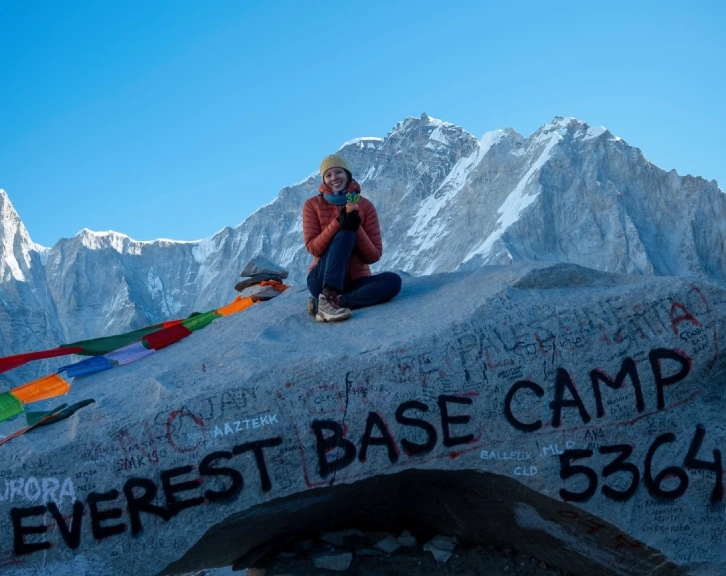
Reaching Everest Base Camp at 5,364 m is a remarkable achievement. Located beside the magnificent Khumbu Glacier, the Base Camp offers extraordinary views of Mount Everest, the world’s highest peak, together with Lhotse, Nuptse, Pumori, Ama Dablam, Thamserku, Makalu, and Cho Oyu. The journey continues to Kala Patthar, the highest viewpoint of the trek. The famous Kala Patthar Sunrise reveals breathtaking mountain scenery and panoramic views of many 8,000-meter-high summits.
The EBC Trek with Heli Return is not only about reaching a destination. It is about the friendships made on the trail and the experiences shared with fellow trekkers and local people. While this is considered a moderately challenging trek due to the high altitude, carefully planned acclimatization stops in places such as Namche Bazaar and Dingboche help trekkers adjust safely. After this unforgettable Himalayan expedition, a scenic helicopter return from Gorak Shep to Lukla provides a spectacular finale to the Luxury Everest Base Camp experience.
EBC Trek with Helicopter Return Highlights
- Kala Patthar at 5545m is the highest viewpoint you will climb in this trek. A famous and most accessible viewpoint for an unobstructed view of Mount Everest, as Nuptse blocks most of the view of Mount Everest from the base camp.
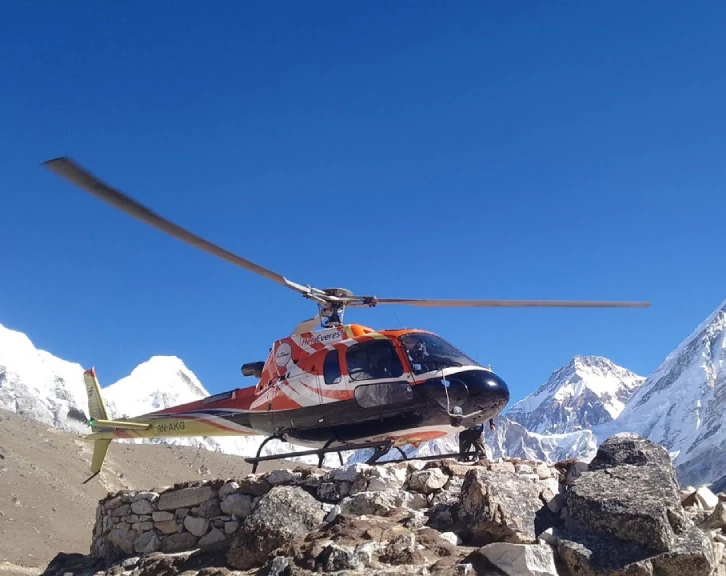
- High altitude heli flight through the high-rising mountain from Gorakshep to Lukla with an incredible view of Khumbu on return.
- Tengboche Monastery is the largest monastery in the Khumbu region. Built in 1916 by Lama Gulu, it is surrounded by the giant peaks of the Himalayas. The amazing view and unique build of the monastery are a perfect representation of the Himalayan lifestyle.
- Most of the settlements belong to the Sherpa community, and the unique Sherpa culture influences the routes.
- A close view of the tallest mountain in the world, Sagarmatha, is the local name for Mount Everest.
- Namche, also known as the gateway to Everest, is the largest settlement of the Khumbu region.
- Hillary Bridge is a famous double-deckersuspension bridge over Dudh Koshi, covered in prayer flags on the route to EBC.
- At an elevation of 5364m, Everest Base Camp is the first camp to summit Mount Everest.
- Close views of Mount Everest, Lhotse, Nuptse, Ama-Dablam, Island Peak, and so on en route to Everest Base Camp.
- World-renowned first climbers of Everest, Sir. Edmund Hillary and Tenzing Norgay Sherpa also walked the same route.
- Early Golden view from the Kala Patthar.
- Landing at one of the world's most dangerous airports, Lukla.
Why Choose Everest Base Camp Trek With Helicopter Return
Choosing the Everest Base Camp trek with a helicopter lets you enjoy the trekking journey without walking the return routes. It helps save several days, reduces tiredness, and gives your body rest after reaching base camp. Helicopter service also allows you to see nearby views of Everest and other beautiful mountain peaks. The heli return makes the journey home fast, comfortable, and truly unforgettable, adding extra safety.
Comfort, safety, and health advantages
Choosing the Everest Base Camp trek with helicopter return offers several comfort, safety, and health benefits. It reduces long downhill walks, which helps reduce tiredness and requires less effort on your knee joints. Spending less time on high altitude can also reduce the risk of having high altitude sickness, and it also gives your body more time to recover and reduce the chance of injuries from uneven and rough trails by keeping you mentally refreshed and low chance of being exposed to bad weather conditions.
Spectacular aerial experience
The helicopter return offers a spectacular aerial experience that gives you a beautiful view of the Himalayas as you fly above the Khumbu region and enjoy a wide panoramic view of snow capped mountain deep valley and famous glacier, the flight fly over khumbhu glacier and khumbhu ice fall. The closeup view of high peaks and flight across the Khumbhu valley creates an unforgettable memory and also provides excellent opportunities for stunning mountain photography.
Reliability and logistics
The helicopter returns makes your Everest journey more reliable. It helps you avoid common flight delays and cancellations from lukla, giving you a more predictable travel schedule. Flying directly back to Kathmandu saves your valuable time and reduces downhill walks which will let your body have proper rest and you will have a chance to understand your body needs. It reduces your return to home time as choosing heli service can save a lot of time and also has fewer extra trek costs.
Mountain Views From Kala Patthar
The mountain views from Kala Patthar are stunning. You can enjoy one of the best panoramic views in the Everest region as the viewpoint offers a close and clear look at Mount Everest along with the beautiful peaks of famous mountains like Nuptse, Lhotse, Pumori, and Ama Dablam. The sunrise and sunset create stunning colour, making it one of the most memorable highlights of the trek.
What makes Lukla Airport one of the most dangerous airports in the world?
Lukla Airport is one of the most dangerous airports because of its unique location and challenging landing conditions. The runway is short and narrow, and it's located on a steep slope. The airport is surrounded by higher mountains, weather here changes rapidly with strong fog, clouds and strong wind, with poor visibility conditions, which makes frequent delays and cancellations of flights; only specially trained and expert pilots are allowed to operate flights to Lukla, making safety the top priority despite the challenging conditions of the airport.
Why acclimatization is important in Namche Bazaar?
Acclimatization in Namche Bazaar is essential because your body needs time to adjust to the lower oxygen level at higher elevations, so spending an extra day helps reduce the risk of altitude sickness before going to higher places like Tengboche, Dingboche, and Everest Base Camp. During the acclimatization day, trekkers usually take a short hike to a higher viewpoint and return to Namche to rest and spend the night.
Notes
The flight to Lukla is one of the most exciting parts of EBC trek as lukla is the main gateway to the Everest region so depending on the season and flight rules, flights usually leave from Kathmandu or Ramechhap. The weather in the mountains changes quickly, so Lukla flights can be delayed or cancelled as the flight schedule cannot be fixed due to the weather conditions . This happens more often during the monsoon and winter seasons because of foggy weather, rain, snow, or poor visibility. It is a good idea to keep one or two extra days in your travel plan for safer side,this gives you enough time if your flight is delayed. If flights are cancelled for several days, you can choose to take a helicopter, but this costs extra. When you book your trek with Mount Elegance Treks and Expedition, we take care of everything,we keep track of flight updates and weather conditions, and inform you about any changes on schedule from time to time, and help you find the best solution so your trip goes as smoothly as possible.
EBC Heli Tour 12 Days Itinerary
Download ItineraryOur representative will pick you up on arrival at Tribhuvan International Airport (TIA) on a private vehicle and drop you off at the hotel in Thamel. Trekking briefs and other formalities will be at the hotel. Shop around for gear and explore the city for the rest of your day. Overnight in Kathmandu.
Maximum Altitude: Kathmandu (1,400 m/4,600 ft)
Drive Duration: 30-45 minutes
A 3-star hotel is included in the package. The hotel can be upgraded with an additional charge. Must be informed of the booking process. Briefing, along with gear checks and remaining dues are also settled in this day.
Our guide will pick you up from your hotel and drive you to the airport. Flight to Lukla. On reaching Lukla, you will start hiking to Phakding. Today is a moderate hike with gentle ups and downs covering a good distance. Feature of the day: good walking day for acclimatization, adventurous suspension bridges, and unique Sherpa villages. Overnight at Phakding.
Maximum Altitude: Lukla (2,860m/9,383ft) & Phakding (2,610m/8,563ft)
Meal: Breakfast, Lunch, Dinner
Trek Duration: 3-4 hours
Flight Duration: 30-35 minutes
Due to high traffic in Kathmandu, most flights operate from Ramechhap airport to Lukla. Lukla mountain flight being at a high elevation, has unpredictable weather so expected delays can extend up to 3 days. The drive to Ramechhap is about 3 to 4 hours. You can take helicopter option from Kathmandu to Lukla for reliable flight which will cost $500 per person extra on sharing flight.
Today will be a longer walk, an up and down route to cross several suspension bridges, among them one of the most popular, the Hillary Bridge, in the name of Sir. Edmund Hillary will also be crossed today. Enjoy the scenic glimpses of the mountains en route to Namche. Reaching Namche Bazaar, a very popular stop, you will have time to explore Namche. The highest Irish pub is a popular spot in Namche Bazaar. Overnight at Namche Bazaar.
Maximum Altitude: Namche Bazaar (3,440m /11,283ft)
Meal: Breakfast, Lunch & Dinner
Trek Duration: 5-6 hours
First acclimatization stop of the trip, Namche at the elevation of 3440m, is a high climb for most people living at a lower altitude. This acclimatization day is an important stop with additional activities added to your trip, a hike to Hotel Everest View, a famous viewpoint restaurant at an elevation of 3880m. Ascent is about 2 to 3 hours, and 440m elevation is gained during the hike, and 1.5 hours to return. This short hike and descent help your body to acclimatize to the altitude for the next day.
Maximum Altitude: Namche Bazaar (3,440m /11,283ft)
Meal: Breakfast, Lunch & Dinner
A similar route continues on the 3rd day of the hike on the cliff-side trail, ascending and then descending at Phunki Tenga (3,250 m). Crossing the Alpine forest, you will cross a suspended bridge to your final climb of the day. Walking along the Dudh Koshi River, you will reach Tengboche. Overnight at Tengboche.
Maximum Altitude: Tengboche (3,860m /12,664ft)
Meal: Breakfast, Lunch & Dinner
Trek Duration: 5-6 hours
The day hike starts with a steep descent to Debuche. Crossing the fast-flowing Imja Khola on a suspension bridge, climb to Pangboche, the highest permanent settlement, then cross the river through the open alpine mellow cross Shomare on the way to reach Dingboche. On this day, enjoy an unobstructed view of the mountain getting closer as you continue the hike. Overnight at Dingboche.
Maximum Altitude: Dingboche (4,410m /14,470ft)
Meal: Breakfast, Lunch & Dinner
Trek Duration: 6-7 hours
Today will be the acclimatization day, you can either hike to Nangkartshang Peak(5083) and descend to Dingboche, approximately a 3 to 4 hour walk or you could take a rest at Dingboche. Climbing to Nangkartshang Peak is a rocky, steep trail and exposure to the chilly wind makes the trail challenging, however the scenic view from the top overlooking the Imja valley is surrounded with giant peaks Ama Dablam, Makalu, Lhotse, and Thamserku.
Maximum Altitude: Nangkartshang Peak (5,083m/ 16676ft)
Meal: Breakfast, Lunch & Dinner
Trek Duration: Optional hike (3–4 hours)
After the breakfast walk through the open alpine mellow with local yaks grazing to Dughla with stunning view facing Ama Dablam, Tawoche, and Cholatse you will continue walk to the steep climb gets harder as the air get thin, this is the hardest climb of the day to reach Dughla Pass. Crossing the pass you will get to the final push of the day through rocky flats to get to the Lobuche.
Maximum Altitude: Lobuche (4,940m /16,207ft)
Meal: Breakfast, Lunch & Dinner
Trek Duration: 5-6 hours
Today will be slow paced incline due to high elevation through the rocky trails of Khumbu. Ascend will be gradual since you will be crossing 5000m slow and steady consistent pace is recommended. Tips for the day will be to walk slow rhythming patrons to avoid fatigue. The route will be mostly flat wide lands with slightly inclined and decline to reach the Gorakshep.
You will leave your backpacks at Gorakshep and only carry essentials and walking gear to ascend the base camp. Similar rocky flats land and slight incline continues to gain about 200m in elevation; final push in the end to reach the goal EBC will be challenging. There will be no stay at EBC as there are no teahouses you will descend back to Gorakshep.
Maximum Altitude: Everest Base Camp (5,364m /17,598ft)
Meal: Breakfast, Lunch & Dinner
Trek Duration: 6-7 hours
For a more clear unobstructed view of Mount Everest you will need to climb the view point. Kalapather hike will be the highest and most challenging part of the trek as you will be reaching the elevation of 5545m from 5160m at Gorakshep within the distance of 1.2 kilometers. Rugged steep climb makes the hike challenging. Be cautious of altitude sickness any signs of illness should be reported immediately. Early morning walk to view sunrise from kala Patthar
After ascending Kala Pathar, soaking in the view of Mount Everest you will descend the same route back to Gorakshep, descending back to lower elevation is quicker then from Gorakshep flight back to lukla airport. Amazing views of flying through high rising mountains on Heli to Lukla.
Maximum Altitude: Kala Patthar (5,545m/18,192ft)
Meal: Breakfast, Lunch & Dinner
Trek Duration: 3-4 hours
Flight Duration: 25-30 minutes
Today you will descend from 2860 m to 1400 m at Kathmandu or 1218 m at Ramechap depending on flight via mountain flight from Lukla. Soak in the amazing view of Khumbu region on your flight back and reflect on your journey. Reaching Ramechap, drive back to Kathmandu via bus. Trip completion certificate and farewell dinner at the hotel.
Altitude: Kathmandu (1,400m/ 4,600ft)
Meal: Breakfast & Dinner
Flight Duration: 25-30 minutes
On day 12 Before the flight you will have free time to visit the local market to get souvenirs or explore around the city. Swyambhunath, Bouddhanath, Basantapur Darbar Square are some of the closest to Thamel and recommended sites to visit on this day according to your flight time. Afterwards you will be transferred to Tribhuvan International Airport according to the scheduled flight our representative will see you off to the airport departure gate.
Altitude: Kathmandu (1,400m/ 4,600ft)
Meal: Breakfast
Drive Duration: 30-45 minutes
Looking at other options?
Compare this trip with our other itineraries.
EBC 14 Days
- Day 1 Kathmandu Arrival (1,400m) - 30 to 45 minutes drive. Overnight stay at the 3 star hotel in Kathmandu.
- Day 2 Fly to Lukla (2,860m) & Trek To Phakding (2,610m)- 25 to 30 minute flight & 3-4 hour trek . Overnight stay at a Tea house in Phakding.
- Day 3 Trek from Phakding to Namche Bazar (3,440m)- 5 to 6 hour trek. Overnight stay at the tea house in Namche Bazar.
- Day 4 Acclimatization day at Namche Bazar (3,440m). Overnight stay at the tea house in Namche bazar.
- Day 5 Trek from Namche Bazar To Tengboche (3,860m) - 5 to 6 hours. Overnight stay at the tea house in Tengboche.
- Day 6 Trek from Tengboche to Dingboche (4,410m) -6 to 7 hours. Overnight stay at the tea house in Dingboche.
- Day 7 Acclimatization day at Dingboche (4,410m) - 6 to 7 hours (Optional hike to Nangkartshang Peak (5,083m). Overnight stay at the tea house in Dingboche.
- Day 8 Trek from Digboche to Lobuche (4,940m) - 5 to 6 hours. Overnight stay at the tea house in Lobuche.
- Day 9 Trek Lobuche To Gorakshep (5,164m) & Hike to Everest Base Camp (5,364m) - 6 to 7 hours. Overnight stay at the tea house in Gorakshep.
- Day 10 Climb Kala Pathar(5,545m) & Trek back to Pheriche- 6 to 7 hours Overnight stay at the tea house in Pheriche.
- Day 11 Trek Pheriche To Namche Bazar (3,440m)- 5 to 6 hours. Overnight stay at the tea house in Namche Bazar.
- Day 12 Trek Namche Bazar To Lukla (2,860m)- 6 to 7 hours. Overnight stay at the tea house in Lukla.
- Day 13 Flight from Lukla to Kathmandu (1,400m) - 25 to 30 minutes. Overnight stay at the 3 star hotel in Kathmandu.
- Day 14 Departure from Kathmandu- 35 to 45 minutes. Breakfast included.
EBC & Gokyo 17 Days
- Day 1 Kathmandu Arrival (1,400m) - 30 to 45 minutes drive. Overnight stay at the 3 star hotel in Kathmandu.
- Day 2 Fly to Lukla (2,860m) & Trek To Phakding (2,610m)- 25 to 30 minute flight & 3-4 hour trek . Overnight stay at a Tea house in Phakding.
- Day 3 Trek from Phakding to Namche Bazar (3,440m)- 5 to 6 hour trek. Overnight stay at the tea house in Namche Bazar.
- Day 4 Acclimatization day at Namche Bazar (3,440m). Overnight stay at the tea house in Namche bazar.
- Day 5 Trek from Namche Bazar To Dole (4,038m) - 7 to 8 hours. Overnight stay at the tea house in Dole.
- Day 6 Trek from Dole to Machhermo (4,470m) - 4 to 5 hours. Overnight stay at the tea house in Machhermo.
- Day 7 Trek from Machhermo to Gokyo (4,800m) - 4 to 5 hours. Overnight stay at the tea house in Gokyo.
- Day 8 Cimb Gokyo Ri (5,357m) & Explore Gokyo Lake - 5 to 6 hours. Overnight stay at the tea house in Gokyo.
- Day 9 Trek from Gokyo to Thagnak (4,700m) - 5 to 6 hours. Overnight stay at the tea house in Thagnak.
- Day 10 Cross Cho La PAss (5,420m) & Trek to Dzongla (4,830m)- 7 to 8 hours. Overnight stay at the tea house in Dzongla.
- Day 11 Trek from Dzongla to Lobuche (4,940m) - 4 to 5 hours. Overnight stay at the tea house in Lobuche.
- Day 12 Trek Lobuche To Gorakshep (5,164m) & Hike to Everest Base Camp (5,364m) - 6 to 7 hours. Overnight stay at the tea house in Gorakshep.
- Day 13 Climb Kala Pathar(5,545m) & Trek back to Pheriche- 6 to 7 hours Overnight stay at the tea house in Pheriche.
- Day 14 Trek Pheriche To Namche Bazar (3,440m)- 5 to 6 hours. Overnight stay at the tea house in Namche Bazar.
- Day 15 Trek Namche Bazar To Lukla (2,860m)- 6 to 7 hours. Overnight stay at the tea house in Lukla.
- Day 16 Flight from Lukla to Kathmandu (1,400m) - 25 to 30 minutes. Overnight stay at the 3 star hotel in Kathmandu.
- Day 17 Departure from Kathmandu- 35 to 45 minutes. Breakfast included.
Everest Base Camp Trek By Helicopter Return Package Include and Exclude
Trip Includes:
Accommodation
- Twin-sharing/double accommodation in a 3-star hotel for 2 nights in Kathmandu including breakfast (Private room accommodation can be organized at an extra cost).
- Sharing guesthouse accommodation during the trek for 9 nights in Everest Region.
Meals & Drinking Water
- All your standard meals during the trek (11 Breakfasts, 9 Lunches and 10 Dinners)
- Fresh seasonal fruits each day after dinner during the trek.
- A farewell dinner on the last night in Nepal.
- Purified drinking water during the trek using Water Filter or water purification tablets.
Transportation & Flight
- All (International and Domestic) airport transfers on a tourist vehicle.
- Round-trip airfare between Kathmandu/Manthali and Lukla.
- Shared Helicopter flight from Gorakshep To Lukla.
- Kathmandu – Manthali – Kathmandu transportation by shared tourist vehicle.
Guide and Staff
- Experienced, first-aid trained, government licensed, English speaking, and locally recruited Mount Elegance trekking guide (2 guides for group size more than 8 people).
- Porters during the trek for carrying luggage (1 porter for every 2 clients).
- Wages, accommodation, meals, gear, insurance and medications for all staff.
Everest Base Camp Heli Return Trek Permits
- Sagarmatha (Everest) National Park Permit.
- Pasang Lhamu Rural Municipality fee.
- TIMS (Trekkers’ Information Management System) card.
Equipment and Takeaways
- 1 Mount Elegance duffel bag and Sleeping Bag (Should be returned after trek Completion)
- Mount Elegance Complimentary Tshirt, Cap and Route Map.
- A comprehensive first aid kit, including an Oximeter to check pulse and oxygen levels daily in the mountains.
- Trip completion certificate.
Administrative & Taxes
- All administrative expenses and government taxes.
Trip Excludes:
- Lunch and dinner in Kathmandu.
- International flight fare and airport departure tax.
- Nepal Entry Visa (Visa can be acquired easily after your arrival at Tribhuvan International Airport in Kathmandu with a fee of USD 30 for 15 days visa, USD 50 for 30 days visa and USD 125 for 90 days visa).
- Travel insurance along with high-altitude emergency evacuation coverage.
- Any beverages including bottled and boiled water.
- Tips to trekking staff and drivers.
- Personal trekking gear and equipment.
- Any expenses other than the Price Include section.
Departure Dates
Map and Elevation

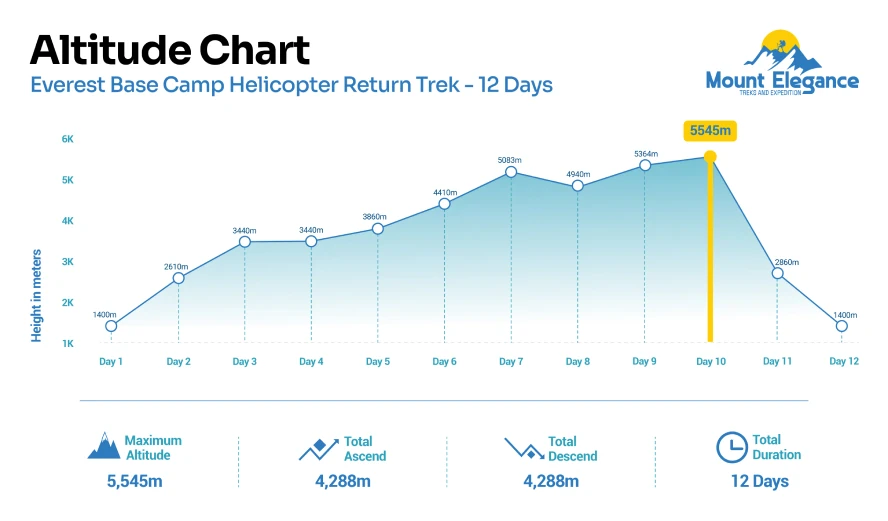
Altitude Chart
Everest Base Camp Heli Return Trek Packing List
Below are the necessary packing list of Everest Base Camp heli return 12 Days, Items will be provided by the Mount Elegance Treks are also mentioned below. So other than that items you can rent or buy gears and equipment in Kathmandu or your host country. please check necessary details below:
Clothing (Layering System)
- Trekking Shirts: 3–4 lightweight,long-sleeve shirts for sun and dust protection on the EBC trail.
- Base Layer: 2–3 pairs of thermal tops and bottoms (high-grade synthetic).
- Trekking Pants: 2 pairs of stretchable and comfortable trekking pants.
- Insulation Layer: 1 warm fleece jacket or lightweight down sweater.
- Underwear: 5–6 pairs of sports underwear.
- Hard Shell: 1 breathable waterproof jacket and pants for wind, rain, or alpine snow.
Footwear
- Trekking Boots: 1 pair of ankle-supportive and water-resistant hiking boots.
- Camp Shoes: 1 pair of lightweight Sports sandals for relaxing in the teahouses.
- Gaiters: 1 pair of breathable, waterproof gaiters to seal out snow.
- Socks: 3–4 pairs of thick merino wool trekking socks and 2 pairs of thin liner socks.
Backpack and Storage
- Daypack: 1 technical 25L–35L daypack for carrying layers, water, camera, regular medicine and snacks.
- Main Duffel Bag: 1 heavy-duty, weather-resistant 90L–120L duffel bag (to be carried by porters/yaks and will be provided by the company).
- Dry Bags: A collection of lightweight waterproof dry sacks to segregate and protect electronics and clothing. (It can be kept at duffel bag)
Technical and Trekking Gear
- Sleeping Bag: 1 Weather four-season sleeping bag rated down to at least -10°C (crucial for comfort at Everest Base Camp which will be provided by the company).
- Trekking Poles: 1 pair of adjustable trekking poles with snow baskets.
- Water Storage: Insulated 1-liter Nalgene bottles (must handle boiling water) and thermal bottle jackets to prevent freezing.
- Headlamp: 1 LED headlamp with extra lithium batteries (essential for the midnight and low-light areas).
- Glasses: 1 pair of high-protection UV Sunglasses.
Health and First Aid
- Altitude & Illness Medication: Diamox (Acetazolamide) for altitude acclimatization, a course of broad-spectrum antibiotics, and anti-diarrheals (Imodium).
- Blister & Wound Care: Comprehensive blister kits (Compeed/Moleskin), athletic tape, sterile gauze, and elastic bandages.
- Water Purification: Purification tablets or chlorine dioxide drops (standard filters can freeze and crack at high camps).
- Personal Pharmacy: Rehydration salts (ORS), Ibuprofen/Paracetamol, cough lozenges (to combat the dry "Khumbu cough"), and personal prescriptions.
Personal Items and Extras
- Power Bank: 2 high-capacity (20,000mAh) heavy-duty power banks.
- Sun Protection: SPF 50+ broad-spectrum sunscreen and dedicated SPF zinc lip balm.
- Sanitation: Multiple packs of pocket tissues, wet wipes (for camp showers), and high-alcohol hand sanitizer.
- Snacks: Energy gels, protein bars & chocolate.
Documents and Cash
- Identity & Visas: Original passport valid for 6+ months past travel dates, plus physical paper copies. Visa on arrival and which will be paid in cash.
- Insurance Certificate: Printed proof of comprehensive travel insurance covering search, rescue, heli-evacuation, and technical climbing up to 5,600 meters.
- Permit: Sagarmatha (Everest) National Park Permit., Pasang Lhamu Rural Municipality fee.
- Photos: 2 recent passport-sized photos for local permits and regional SIM cards.
- Cash: Carry nepalese rupee during trek while credit card might not be accepted to get some souvenir or other snacks. You can exchange to nepali Currency after arriving in Kathmandu.
Final Tips
- Strict Weight Limits: Keep your main duffel bag under 15 kg (33 lbs) to strictly comply with the flights and the porter will also carry 15 kg max per person.
- Freeze Prevention: Store your phone, camera batteries, headlamp, and power banks inside your inner jacket pockets during the day, and at a warm place at night to prevent freezing temperatures from killing the battery life.
Best Season For Everest Base Camp Trek Return By Helicopter
The best season for the Everest Base Camp trek by helicopter is spring (March-May) and autumn (September-November). In this season, the weather is generally stable with clear skies, comfortable temperatures, good visibility and more reliable helicopter flying conditions.
Spring (March to May)
This is one of the best seasons for the Everest Base Camp trek return by helicopter. The weather is stable with good temperature, the skies are which provide stunning himalayan views. You will get a chance to experience blooming rhododendron forest adding colours to the trails and also favorable flying conditions making it smoother and more reliable.
Autumn (September to November)
Autumn usually brings dry trails and excellent visibility making the trek more enjoyable, while colourful forest and living villages make your trek more memorable.
Why Choose Mount Elegance For Everest Trek With Helicopter Return
As our package of the Everest Base Camp Trek with Helicopter Return combines the adventure of trekking with the comfort of a scenic helicopter flight back to Kathmandu. It reduces walking time, avoids Lukla flight delays, offers breathtaking Himalayan views, and provides a safer, more convenient, and memorable Everest experience keeping you as your first priority.
- Safety First Trekking Experience as we combine experienced local guides, carefully planned itineraries with proper acclimatisation and reliable helicopter return services to deliver a safer and more comfortable Everest journey. Your safety and satisfaction are always our highest priorities.
- Personalised Services with Local Expertise are unlike many operators as we offer small group sizes, flexible itineraries, transparent pricing with Nepalese hospitality, ensuring a more personal, enjoyable, and authentic Himalayan experience.
- Experienced & Licensed Trekking Guides, as our government-licensed guides have years of experience leading Everest treks. They are trained in altitude sickness management and route planning, with emergency response, ensuring expert guidance from start to finish.
- Guaranteed Departures once your booking is confirmed, your departure is guaranteed. We never cancel a trek because of low group numbers. Even if only one or two trekkers are booked, we operate the trip as scheduled, giving you complete confidence when planning your Everest trek.
- We provide sleeping bags and duffel bags, which are of good quality with no extra charge included. The bags are cleaned and well sanitised, helping you save money on expensive equipment.
- 24/7 Emergency Support by our team stays available throughout your trek. We coordinate with guides, tea houses, helicopter operators, and medical services whenever needed. From altitude sickness and weather disruptions to emergency evacuations, we respond quickly to ensure your safety first.
- Coordinating private or shared helicopter transfers in high-altitude conditions can be complex due to mountain weather. Mount Elegance works directly with trusted helicopter charter services in Nepal to secure reliable flight slots, prioritize client safety, and provide prompt adjustments in case of weather delays.
- The Simple & Secure Booking Process to your Everest trek is quick and hassle-free. Choose your trip, complete the online booking form, confirm with a deposit, and our team handles the remaining arrangements while providing prompt assistance before and during your adventure.
Everest Base Camp Trek By Helicopter Return Cost
This package includes the classic Everest Base Camp trek with the comfort and convenience of helicopter travel so you don't have to travel the same route back. With a helicopter a beautiful view of Khumbu region can be experienced. It also keeps the trek short, best for the time period.
Guide and Porter Cost
Hiring a licensed guide and porter will be a great help to make your Everest trek safer and more secure, as expert Guides will help you navigate the route, provide local information, and offer emergency services, while porters carry your heavy backpack, allowing you to walk comfortably. The cost for porters is usually around 20 USD per day and for guides will be around25 USD per day depending on the service included.
Travel Insurance Cost
Travel insurance for the Everest Base Camp Trek depends on your insurance company or the services you take and it also depends on your age, trip length, and coverage. Choose a policy that includes high-altitude trekking, emergency helicopter evacuation, medical treatment, and trip cancellation for complete peace of mind.
Visa and Permit Cost
A Nepal tourist visa costs around USD 30 for 15 days, USD 50 for 30 days, and USD 125 for 90 days. For the Everest Base Camp Trek, you also need the Sagarmatha National Park Permit and the Khumbu Pasang Lhamu Rural Municipality Permit, with a combined cost of approximately USD 45-50.
Lukla Flight Cost.
A round-trip flight between Kathmandu (or Ramechhap) and Lukla typically costs USD 500 per person, depending on the season and airline as flight schedules depend on the weather condition , so allowing extra time in your itinerary is recommended to avoid unexpected delays.
Budget Package
A budget Everest Base Camp Trek package normally costs USD 1020 per person (according to group size), covering permits, accommodation, meals, guide services, and domestic transportation. It's an excellent option for trekkers seeking a safe and memorable adventure without spending on luxury upgrades.
Luxury Package
A luxury Everest Base Camp Trek package typically costs around USD 2500 per person (according to group size), including 5 star standard hotels in Kathmandu, heritage sightseeing in kathmandu, luxury mountain lodges, experienced guides, quality meals, domestic flights, and personalised services for a more comfortable Himalayan adventure.
Preparation For EBC Heli Return Trek
Preparing well for the Everest Base Camp Trek with Helicopter Return helps you enjoy a safer and more comfortable journey. Improve your fitness with regular hiking and cardio exercises, pack warm layered clothing, sturdy trekking boots, and essential gear, secure travel insurance, and allow proper acclimatization to reduce the risk of altitude sickness.
Physical Fitness
You do not need to be an athlete, but having a good fitness level will make the trek much easier. Just regular walking, hiking, stair climbing, and light strength exercises for a few weeks before your trip can improve your strength. Good physical preparation helps you enjoy the trek and recover more comfortably each day.
Acclimatization Strategy
A good acclimatisation plan is necessary for a safer Everest Base Camp Trek your itinerary includes your rest days at higher villages, allowing your body to adjust according to the altitude. Walk at a steady pace, stay hydrated, drink plenty of water, try to eat well and avoid rushing. Good acclimatisation reduces the risk of altitude sickness and makes the trek more enjoyable.
Climbing Experience
You do not need prior mountaineering or climbing experience to complete the Everest Base camp trek. It is a high altitude trek rather than a technical climb, meaning you will be walking on pre-existing trails without the need for ropes or any other climbing gear. However you will be trekking to the elevation of 5545m at Kala Pathar, previous hiking experience can be helpful to acclimatize to the altitude.
Mental Preparation
The Everest Base Camp Trek is as mentally challenging as a physical one. Be ready for long walking days and changing weather conditions, and basic mountain facilities. Stay patient and keep a positive attitude, take one day at a time, do not rush, because a calm mindset will help you enjoy the journey and overcome any challenges that come along the way.
Diet & Hydration
Eating healthy meals and drinking water are very important during the Everest Base Camp Trek. So, choose energy giving food like dal bhat, rice or pasta, soup and vegetables to keep your strength up. You should drink at least 3/4 litres of water each day, and avoid smoking and alcohol as it can increase the risk of dehydration and altitude sickness.
Pace yourself
Walk at a slow and steady pace instead of rushing on the trail, take short breaks when needed, listen to your body. It is very important to understand your body in higher elevations and avoid trying to keep up with others. A comfortable pace helps you save energy, adjust to the altitude more easily, and enjoy the beautiful mountain scenery throughout the trek.
Everest Base Camp Heli Tour Difficulty
The Everest Base Camp Helicopter Tour is considered an easy tour that does not require trekking experience or a high fitness level. However, the flight reaches high altitudes so some travelers may experience mild effects of altitude sickness as this tour is suitable for most people who want to experience the Everest region in a short period of time.
Altitude Sickness Can Be a Moderate Risk
Proper adaptation to the altitude is very important for your body to adjust to the thin air. It is really important for a trekker to walk at a pace and not rush. Take acclimatization stops to let your body adjust. Drinking a lot of water to stay well-hydrated and eating light and nutritious food to avoid oily and heavy food can help in your comfortable walk. These things are very important for reducing the risk of getting sick at altitude. A proper acclimatization strategy for a trek is essential.
The Trek Depends Heavily on Weather
Conditions in the mountains can change rapidly, impacting visibility and flight schedules. High winds, sudden fog, or heavy snowfall can delay helicopter flights or alter walking conditions instantly, making flexibility in your travel itinerary absolutely necessary for a safe and successful trekking.
Expect Moderately Cold Temperatures
Proper gear and layering are important to stay comfortable throughout the journey. Temperatures drop significantly as you gain altitude, especially during mornings and evenings, requiring high-quality thermal base layers, an insulating fleece, and a windproof outer shell to adapt effectively.
Altitude and safety
When you go to higher altitudes above 4000 meters you can get something called altitude sickness. This is because the air gets thinner as you climb higher and your body needs time to adapt.
To stay safe from Acute Mountain Sickness, High Altitude Pulmonary Edema and High Altitude Cerebral Edema you should do a few things. First make sure you follow a plan to get your body ready for the high altitude. Drink a lot of water to stay hydrated. Do not try to climb fast. If you feel anything weird, tell your guide right away. Altitude sickness is a major risk so it is good to be careful.
Acute Mountain Sickness (AMS)
This is the most common type of altitude sickness, and it feels a lot like a bad hangover. Symptoms include lasting headaches, tiredness, dizziness, and feeling sick to your stomach. It usually begins a few hours after you climb above 4,000 meters, depending on the person, acting as your body's warning to stop climbing and adjust to the air. Any symptoms should be reported right away; ignoring them could cause death if not treated correctly.
High-Altitude Pulmonary Edema (HAPE)
This is a life-threatening medical emergency where fluid builds up right in your lungs. It causes a lasting cough, extreme shortness of breath even when resting, and bubbling sounds in the chest. Without going down to lower ground immediately and getting extra oxygen, HAPE can quickly cause death.
High-Altitude Cerebral Edema (HACE)
This is the most severe and dangerous altitude problem, happening when a lack of oxygen makes the brain swell. It causes severe confusion, slurred speech, seeing things that are not there, and a total loss of physical balance. Going down immediately is the only way to stop permanent damage or a coma.
How to Prevent Altitude Sickness: 3 Proven Acclimatization Tips
- Ascend Gradually for Acclimatization
Follow the 13-day itinerary’s built-in acclimatization days, especially at Namche Bazaar, before moving to Dingboche. Use the "climb high, sleep low" strategy and allow your body time to adapt before the summit push.
- Hydrate & Fuel for High Altitudes
Drink 3 to 5 liters of water daily to support acclimatization as you progress through Namche Bazaar and Dingboche. Eat a high-carbohydrate diet to maintain energy and avoid alcohol or sedatives, which can worsen hypoxia.
- Use Altitude Medication & Pace Travel
Consult a doctor about preventive mountain sickness medications like Diamox (acetazolamide) before your trip. Take it easy at Namche Bazaar, move slowly at Dingboche, and never ascend further if you experience symptoms.
FAQs
General Information
Choosing the helicopter return saves several days of walking and offers stunning aerial views of the Himalayas. It reduces physical strain after reaching Everest Base Camp and lets you return to Kathmandu quickly, making the trek more comfortable and time efficient.
The helicopter usually picks you up from Gorak Shep, the last settlement before Everest Base Camp. After visiting Everest Base Camp and Kala Patthar, you return to Gorak Shep, where the helicopter lands and flies you back to Kathmandu, offering incredible views of the Himalayas along the way.
The Everest Base Camp Trek with Helicopter Return usually costs USD 1,800–3,000 per person, depending on the group size, accommodation, services included, and the trekking season. Most packages cover permits, domestic flights, accommodation, meals during the trek, a guide, and the helicopter flight back to Kathmandu.
There is no fixed altitude limit for helicopter passengers, but flights from Gorak Shep are carefully managed because of the high elevation. Depending on the weather, aircraft performance, and passenger weight, the helicopter may carry fewer passengers or operate shuttle flights to ensure a safe takeoff.
Preparation and Fitness
If the weather is too poor for a safe helicopter flight, the flight will be delayed or rescheduled until conditions improve your trekking company will monitor the weather, arrange alternative plans if needed and keep you updated.
Yes, it is physically challenging as you have to will walk for several days for long hours each day at high altitude, but the helicopter return reduces the journey making it easier .
Bring warm layered clothing, a waterproof jacket, good trekking boots, gloves and a warm hat, sunglasses, a daypack, water bottles, sunscreen, personal toiletries, and basic medicines. A good sleeping bag and down jacket are also essential.
It is moderately challenging as it involves 5–7 hours of walking each day on rocky trails at high. elevation.
Health and Safety
The heighest altitude you reach is kala patthar 5543m from here you can enjoy the close up view of Mount Everest.
If bad weather prevents flying, the helicopter flight will be delayed until conditions are safe. Your guide will arrange the best alternative and keep you informed throughout the process.
If a medical emergency occurs, your guide will provide first aid and arrange a helicopter evacuation if necessary.
Yes. Altitude sickness is something you must be concern about but proper acclimatization, a steady pace, and guidance from your trekking guide greatly reduce the risk.
Permits
You need Sagarmatha National Park Entry Permit, Khumbu Pasang Lhamu Rural Municipality Entrance Permit
Yes, you need a permit for the heli return trek Sagarmatha National Park Permit and Khumbu Pasang Lhamu Rural Municipality Permit.
Sagarmatha National Park Permit costs around 3000 NPR. Khumbu Pasang Lhamu Rural Municipality Permit costs around 3000 NPR, so the total for both permits costs around 6000 NPR.
Yes, all the required permit fees for everest region are included in this package.
Insurance and Visa
Yes, travel insurance is highly recommended. Your policy should cover high-altitude trekking, emergency helicopter evacuation, and medical treatment to protect you against unexpected situations during the trek.
A Nepal tourist visa costs USD 30 for 15 days, USD 50 for 30 days, and USD 120 for 90 days.
High-altitude trekking, emergency helicopter evacuation, medical treatment, trip cancellation, and personal accidents should be covered by your travel insurance
You can get a Nepal tourist visa on arrival at Kathmandu International Airport or apply in advance from online. Make sure your passport is valid for at least six months.
Guides and Support
Our guides monitor your health, maintain a safe trekking pace, plan proper acclimatization, provide basic first aid, and respond quickly to any emergency. They are trained to ensure your safety throughout the journey.
A trekking guide leads the route, ensures your safety, manages the daily itinerary, helps with acclimatization, shares local knowledge, and provides support throughout the trek, making your journey safer and more enjoyable.
Yes, our guides are trained to recognize the signs of altitude sickness, provide first aid, and arrange emergency evacuation if needed, ensuring your safety throughout the trek.
A porter usually carry upto 30kg for two trekkers ,travelers are generally asked to keep their personal bag with themself.
Accommodation
Yes, hot showers are available but you might have to pay extra charge but availability of hot shower might be very limited in higher elevation.
Yes, Wi-Fi and mobile networks are available in most villages, but connections become weaker at higher altitudes. Wi-Fi is usually available for an extra charge.
Most tea houses offer private twin-sharing rooms. During the busy trekking season, you may need to share a room if private rooms are unavailable, which is very common.
No, most trekking company provides you sleeping bag as part of package.However, you are welcome to bring your own if you prefer.