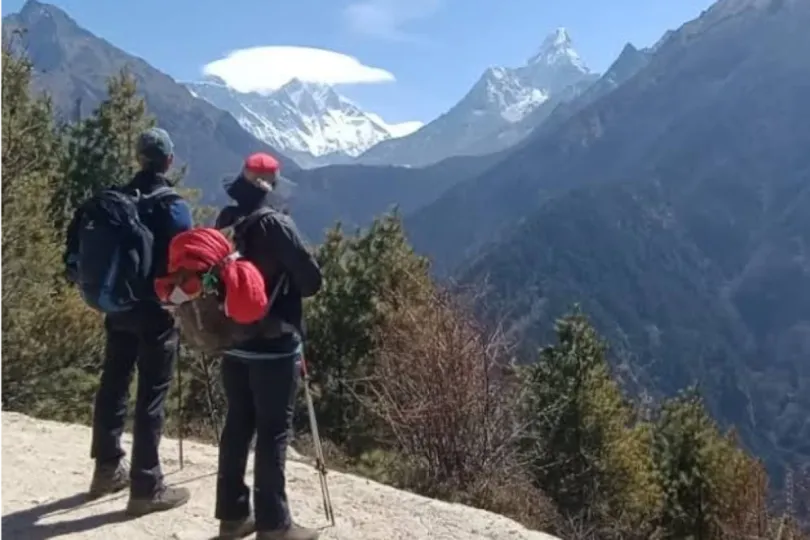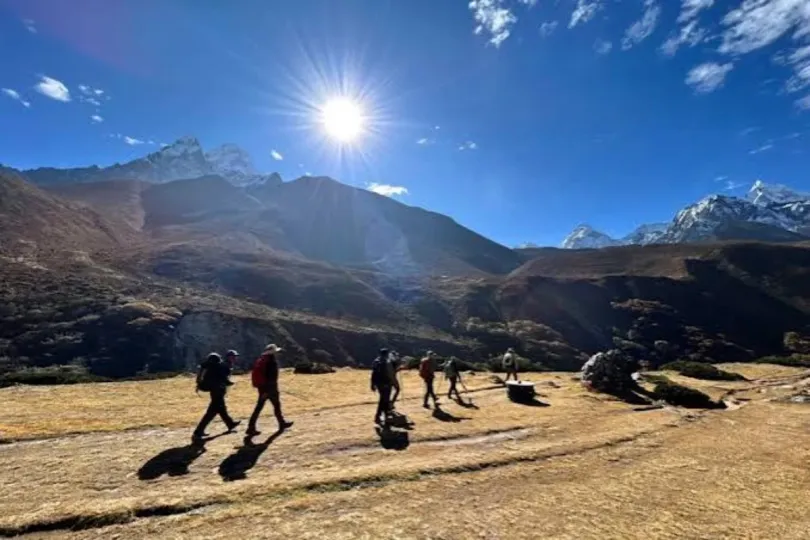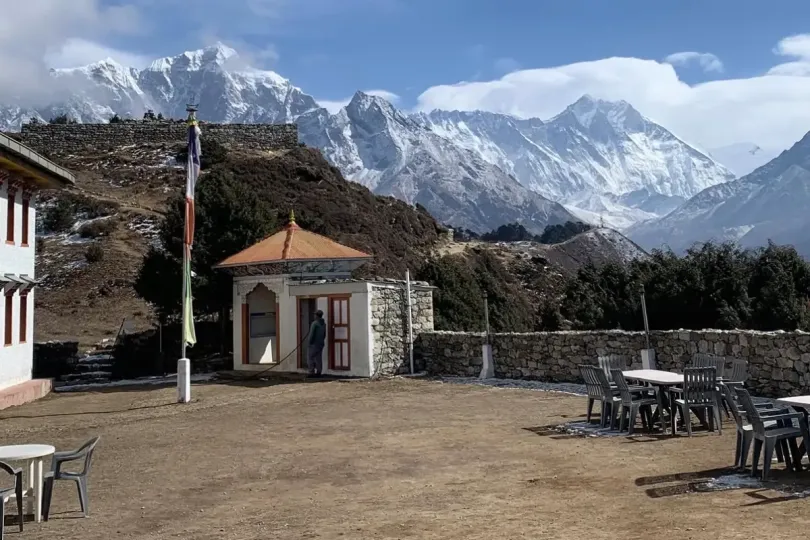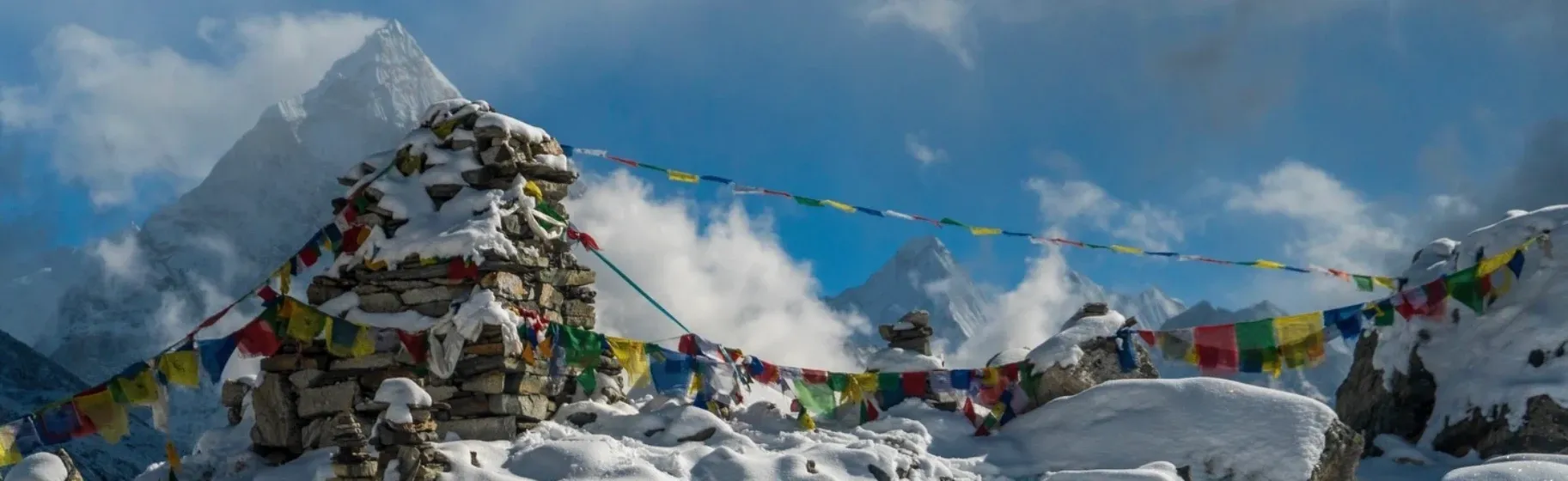
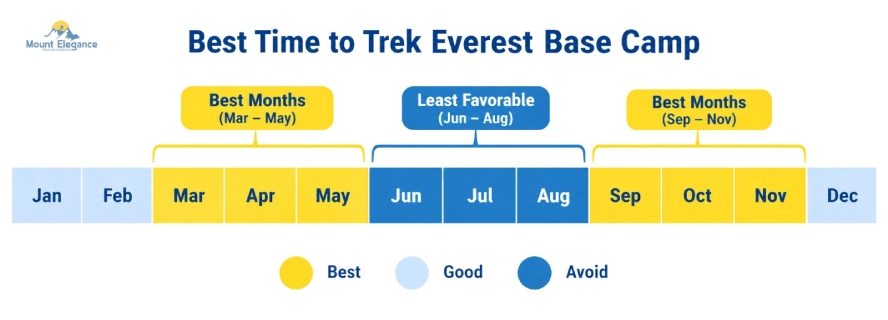
The best time to trek Everest Base Camp is during Spring (March-May) and Autumn (September-November) - hands down, these are the two windows most people point to, and for good reason. Nepal runs through four distinct seasons, but really, only these two stretches in the Khumbu/Everest region give you that combination of stable weather, decent visibility, and trails you can actually walk without fighting the elements.
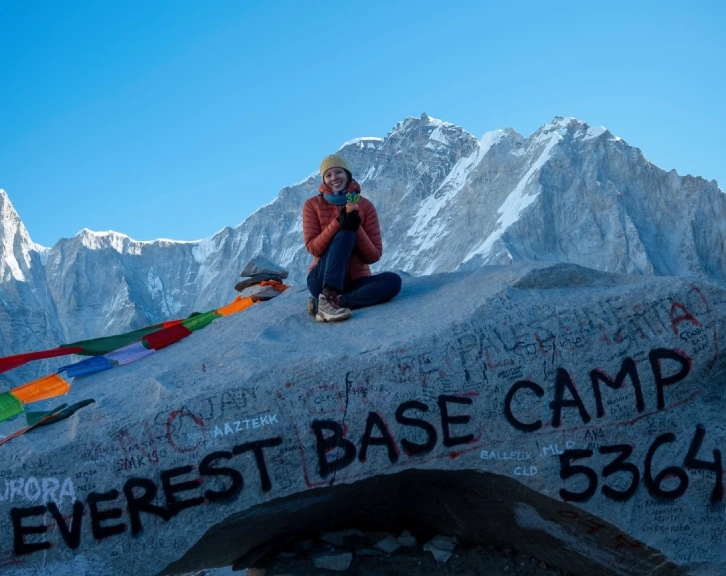
The trek itself cuts through Sagarmatha National Park (UNESCO World Heritage Site, declared 1979), passing beneath some of the tallest peaks on the planet before finally reaching Everest Base Camp at 5,364 m/17,598 ft. Since conditions vary sharply by elevation and season, you'll notice temperatures, rainfall, and even how many other trekkers you run into shifting quite a bit depending on the month and how high you've climbed. Getting a handle on these seasonal quirks really helps when picking your timing - whether you're chasing clear mountain views, quieter trails, or just milder weather along the way.
Best Months for the Everest Base Camp Trek
For most trekkers, the strongest months to attempt Everest Base Camp trek fall within spring and autumn, when weather and visibility hit their peak. October stands out as the single best month according to most sources, offering the most stable weather and clearest mountain views, though it's also the busiest on the trail. First-timers should generally steer clear of peak monsoon (July, early August) when - heavy rain, leeches, and poor visibility make conditions genuinely unpleasant.
- Best overall months: March, April, May, September, October, November
- Single best month: October (most stable, clearest, busiest)
- Best for solitude: December-February (winter) or June-August (monsoon)
- Avoid for first-timers: Peak monsoon - July and early August
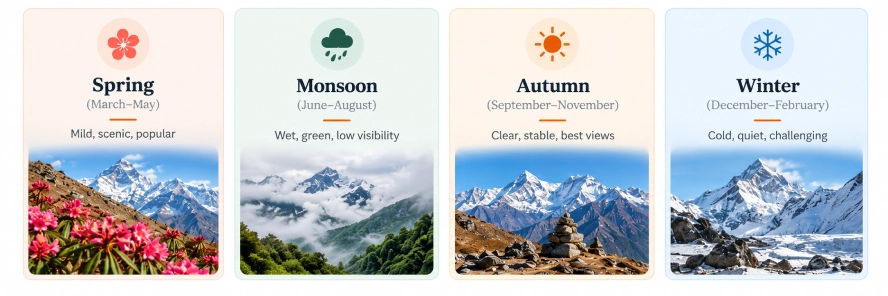
Understanding Nepal's Four Seasons in the Everest Region
Nepal’s four seasons - spring, summer/monsoon, autumn and winter - each shape the Everest region in distinct ways, influencing everything from trail conditions to mountain visibility. Since Nepal borders Tibet Autonomous Region and India, weather driven by Bay of Bengal monsoon patterns plays a major role in defining these seasonal shifts, particularly the heavy summer rains. Temperature also varies drastically by altitude, with conditions at Lukla 2,840 m feeling worlds apart from the biting cold at Everest Base camp 5364 m or kalapatthar 5,545m, making elevation just as important as the calendar when planning a trek.
Spring Season (March to May): Best Time for Everest Base Camp Trek
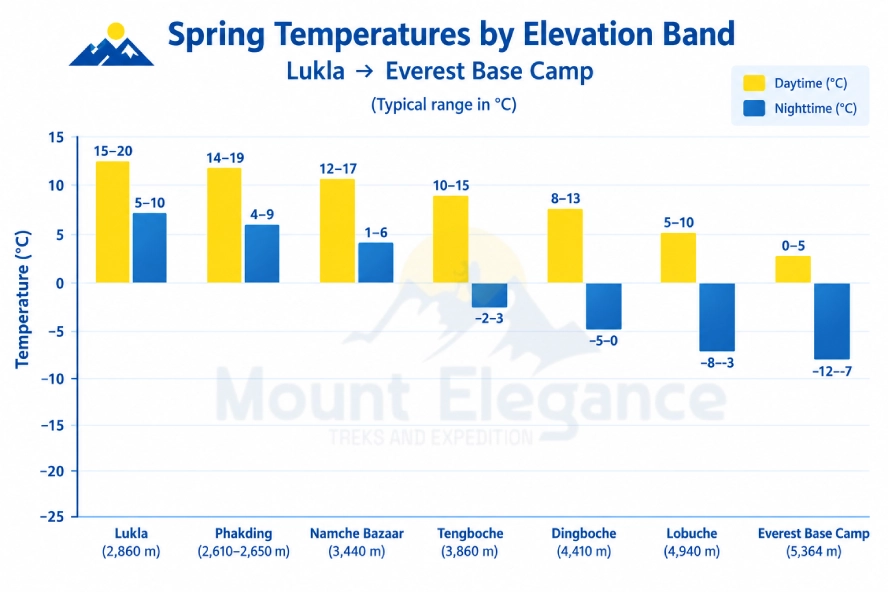
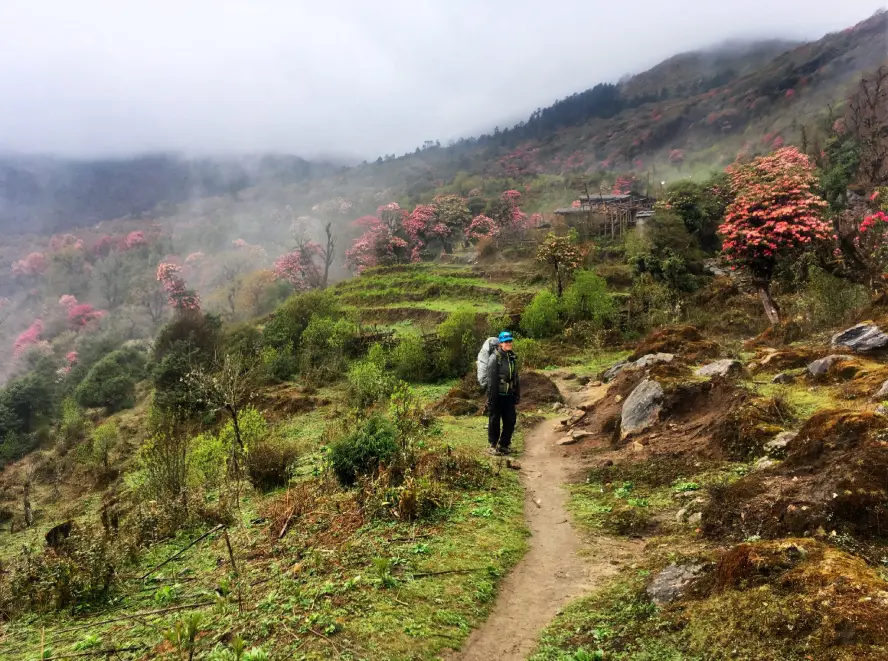
Spring stands out as one of the two premier trekking seasons in the Everest region, drawing trekkers with warming temperatures and vibrant natural scenery. Lower trails come alive as rhododendron (Nepal's national flower, Laliguras) blooms March-April, painting hillsides in brilliant shades of red and pink across the Khumbu region. This season also marks the start of the climbing season. Base Camp fills with expedition teams preparing for Everest summits, adding a palpable buzz of anticipation and activity to the trail. Among the three spring months, April is widely cited as the single best spring month for clarity and temperature balance, striking that ideal middle ground between March’s lingering chill and May’s pre-monsoon humidity.
Spring Weather and Temperature at Everest Base Camp
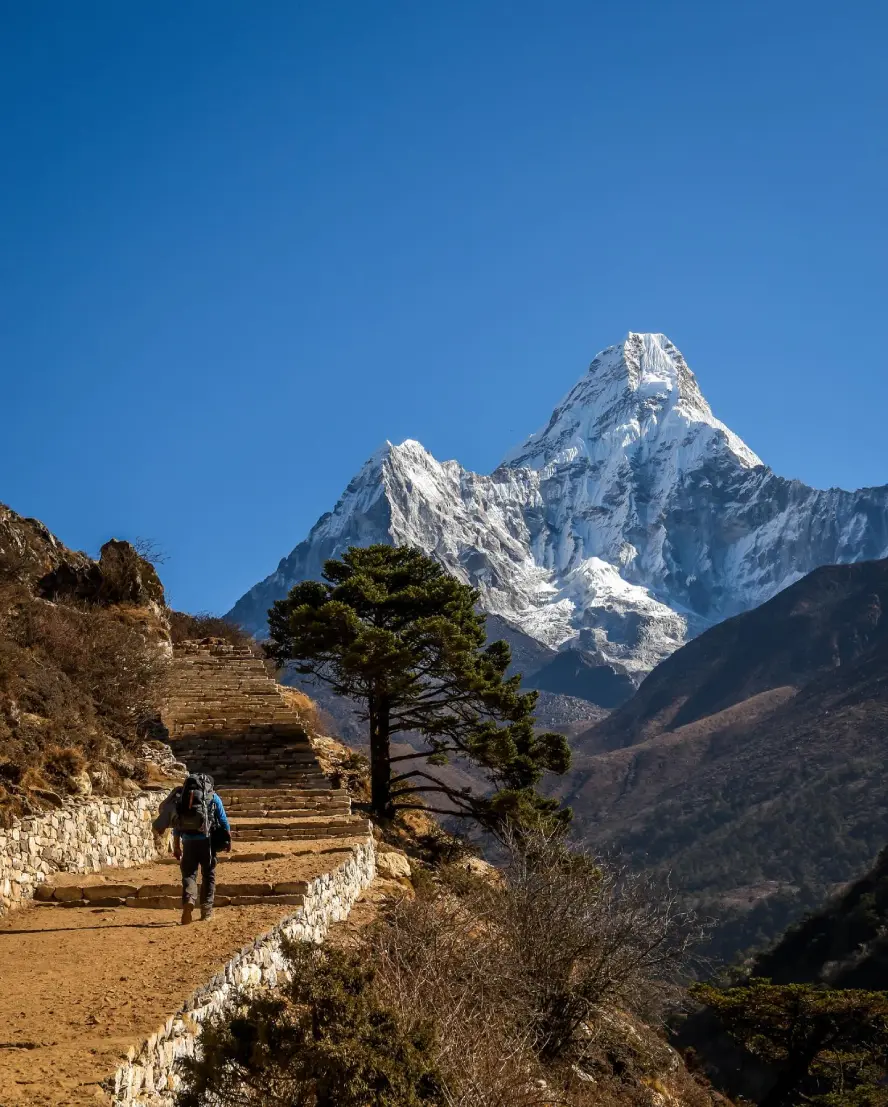
Spring’s popularity comes with trade-offs, and crowded trails and teahouses, especially April EBC trek periods, mean advance planning becomes essential - booking lodging and flights ahead is strongly recommended. Weather can also be unpredictable at the season’s edges, with possible unexpected snowfall early March and late May, occasionally turning the final ascent to Gorkshep/Kala Patthar slippery and more demanding. Additionally, warmer midday sun at lower altitudes in late April/May can feel tiring, catching some trekkers off guard during otherwise pleasant walking days.
Autumn Season (September to November): Peak Season for EBC Trek
Autumn stands as the single most popular season for the Everest Base Camp Trek, prized for its post-monsoon clarity and consistently favorable trekking conditions. Each month within this window offers something slightly different: September brings post-monsoon, lush and green landscapes, through early-month rain lingers as the monsoon fully retreats; October delivers the most stable, peak trekking month, with clear skies and reliable weather drawing the largest crowds; November turns colder but clear, offering crisp visibility even as temperatures drop noticeably. Autumn also coincides with Dashain and Tihar, Nepal’s biggest festivals, alongside Mani Rimdu at Tengboche Monastery, adding rich cultural depth to the trekking experience during this vibrant, celebratory time of year across the Khumbu region.
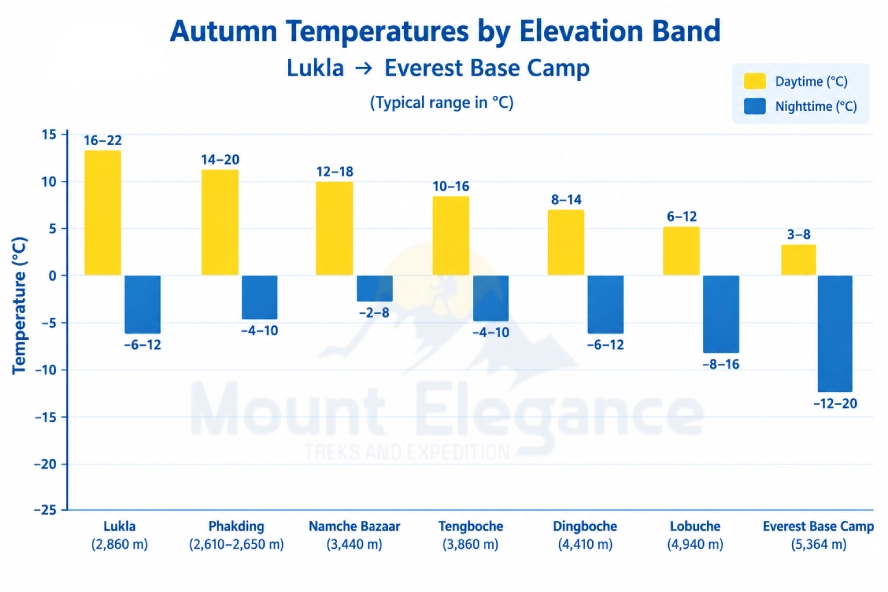
Autumn Weather and Temperature at Everest Base Camp
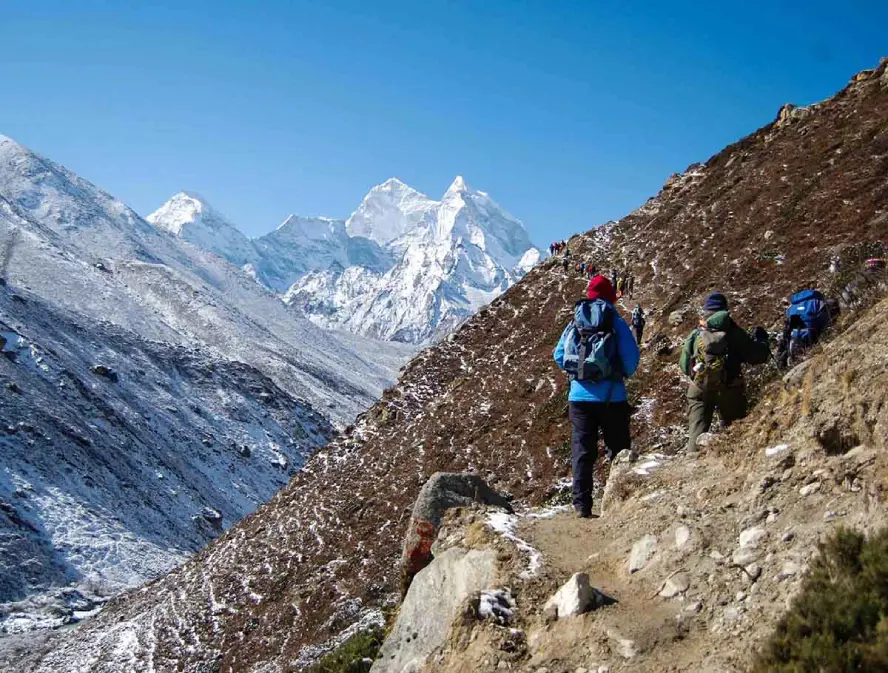
Autumn temperatures average around 17°C (62.6°F), with highs reaching 20°C (68°F) at lower elevations during comfortable daytime hours Above 4000m, conditions shift sharply, with nights dropping to -15°C (5°F) as elevation increases. October and November daytime commonly cited 10-20°C, nights down to -10 to -15°C at altitude, reflecting the season’s wide temperature swings between sunny afternoons and bitterly cold evenings. Overall, skies are clearest and air cleanest of the year in this window, making autumn a standout choice for mountain visibility.
Advantages of Trekking Everest Base Camp in Autumn
Best visibility of the year - Everest, Lhotse, Nuptse, Ama Dablam, and Thamserku all stand out sharply against clear autumn skies
Stable weather, minimal precipitation - dry, predictable conditions make daily trekking and planning far more reliable
Major cultural festivals - trekkers may witness Dashain, Tihar, or Mani Rimdu at Tengboche, adding rich cultural experiences to the journey
Good conditions for add-on routes - favorable weather supports extensions like Gokyo Lakes, Three Passes, and peak-climbing adventures
Challenges of Trekking Everest Base Camp in Autumn
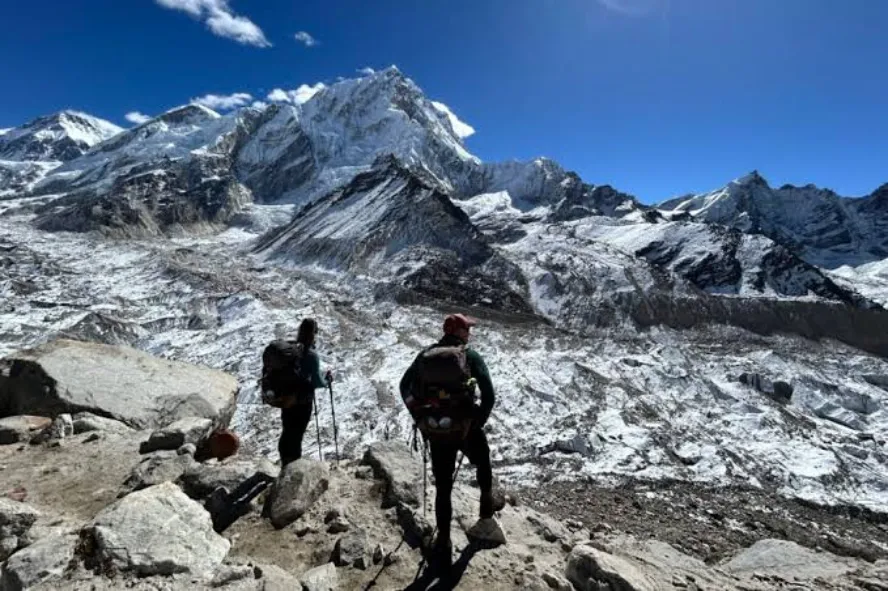
Autumn is the most popular time to trek but it comes with a few challenges. Because it is so busy, trails and teahouses fill up quickly especially in October.
In late September flight delays to Lukla are common as the monsoon season ends, which can mess up travel plans.
While bad weather is rare it can still happen. For example, in late October 2025 a storm brought heavy snow and avalanches to the mountains. Even though big storms do not happen often, it is always smart to check the weather forecast and stay flexible with your plans.
Winter Season (December to February): Solitude and Extreme Cold
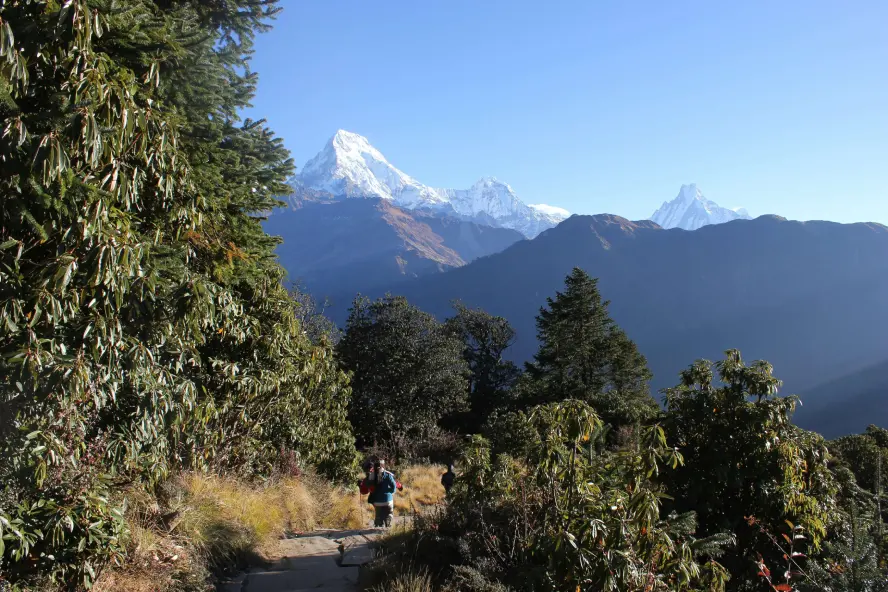
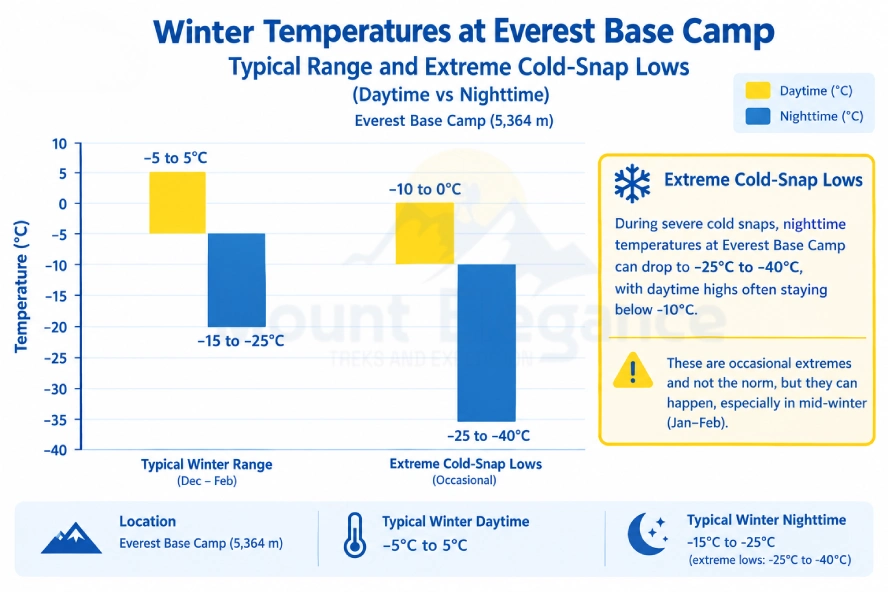
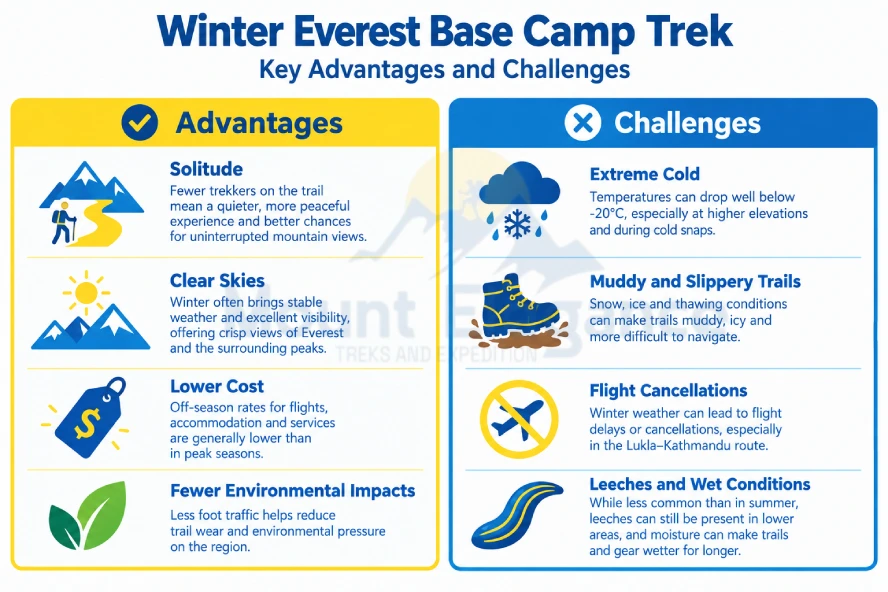
Winter transforms the Everest Base Camp Trek into an entirely different experience, trading autumn’s crowds for stark solitude and genuinely challenging conditions. As the coldest season, quietest trails, many teahouses at higher elevations chose or run reduced service, meaning trekkers often have entire stretches of the route almost to themselves. This peaceful isolation comes with real demands, however, since winter trekking requires serious cold-weather preparation: down jackets, four-season sleeping bags, micro-spikes and other specialized gear to handle sub-zero temperatures and icy trail sections. For experienced, well-prepared trekkers seeking a quieter, more introspective journey through the Khumbu region, winter offers a rare and rewarding alternative to the busier peak seasons.
Monsoon Season (June to August): Off-Season Trekking
Monsoon season presents the most challenging conditions for the Everest Base Camp trek, with heaviest rainfall June-August, easing by early-to-mid September as the wet season gradually winds down. Rain isn't distributed evenly across the route either, since lower altitudes (Lukla, Phakding, Namche) see the most rain, while above Namche, rainfall decreases but cloud cover persists, often obscuring mountain views for extended stretches. That said, the trail isn't entirely unworkable during these months, as mornings often clear before afternoon cloud build-up, giving early risers a decent window for walking and occasional mountain glimpses before the clouds roll back in.
Monsoon Weather and Temperature at Everest Base Camp
Monsoon temperatures at lower elevations stay relatively warm with Lukla averaging around 22°C (71.6°F) and highs reaching up to 30°C (86°F) on humid days. Despite this warmths lower down, above 4000m nights can still drop to -5°C (23°F), catching some trekkers off guard. Trail conditions also worsen considerably and leeches possible below Namche during the wettest stretches of the season.
Advantages and Challenges of Monsoon Trekking to Everest Base Camp
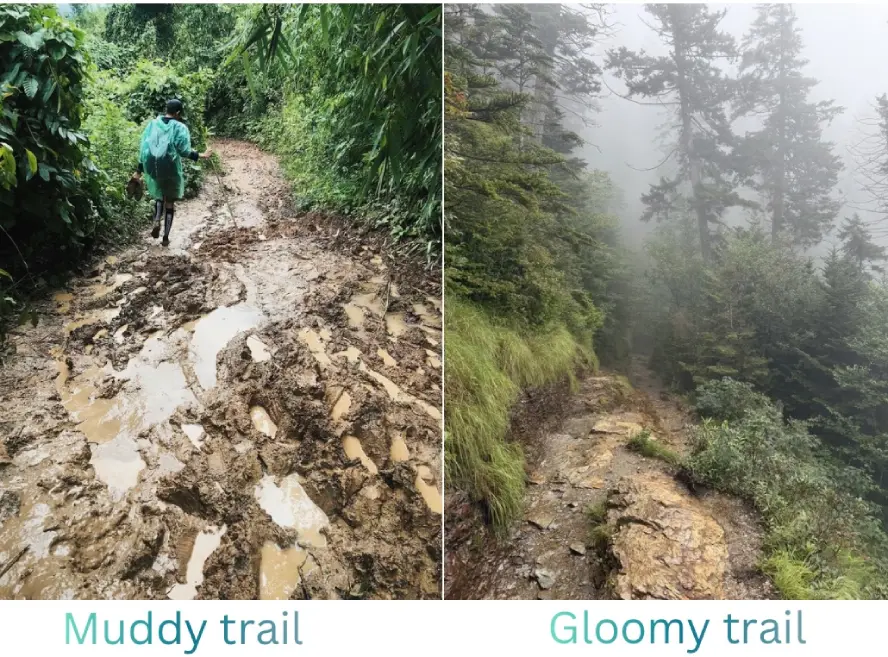
Pros (Good Things)
- Quiet Trails: Very few people, giving you a calm and peaceful walk.
- Cheaper Costs: Big savings on flights and places to stay.
- Green Sceneries: Forests and hills look bright, green, and full of life.
- Easy Rooms: Teahouses have plenty of open rooms, so you don't need to book ahead.
- Moody Photos: Mist and clouds make for unique and cool photos.
Cons (Challenges)
- Heavy Rain: Expect frequent and strong rain showers.
- Slippery Paths: Trails get muddy and slick, making walking tougher.
- Flight Delays: Lukla flights are often canceled or delayed by bad weather.
- Hidden Views: Clouds often block the views of the mountains.
- Leeches: You will encounter leeches in lower, wet areas.
- Landslide Risks: Heavy rain makes some paths more dangerous.
Everest Base Camp Trek: Month-by-Month Temperature and Trail Conditions
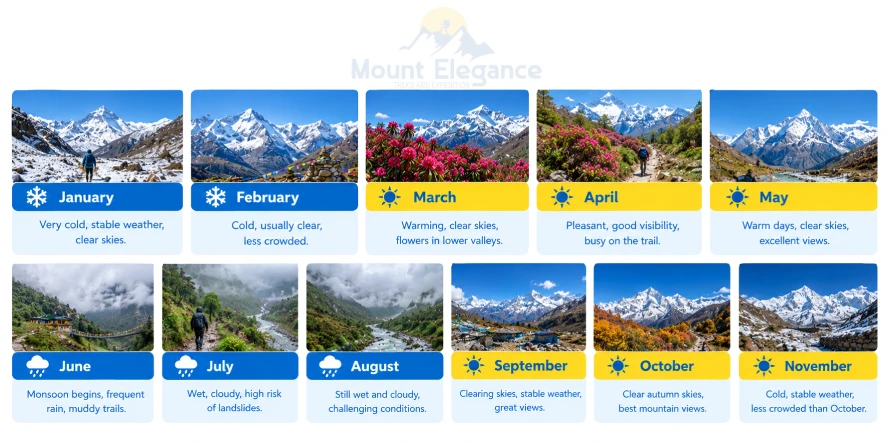
Month | Daytime Temp (approx.) | Nighttime Temp (approx.) | Trail/Crowd Conditions |
January | 0 to 5°C | -15 to -20°C | Very cold, clear skies, quiet trails |
February | 2 to 8°C | -12 to -18°C | Cold easing, occasional snow |
March | 8 to 12°C | -8 to -12°C | Spring begins, warming, high visibility |
April | 12 to 18°C | -5 to -8°C | Ideal temps, rhododendron bloom, most crowded spring month |
May | 15 to 20°C | -2 to -5°C | Warm days, busier trails, occasional haze |
June | 15 to 22°C | 0 to -3°C | Monsoon begins, wetter, limited views |
July | 15 to 22°C | 2 to -2°C | Peak monsoon, heavy rain |
August | 15 to 22°C | 2 to -2°C | Rain continuing, easing late-month |
September | 10 to 18°C | -2 to -5°C | Transition to autumn, early rain then clearing |
October | 10 to 18°C | -5 to -10°C | Best overall month, stable and clear, peak crowds |
November | 8 to 15°C | -8 to -15°C | Cold mornings, clear skies, thinning crowds |
December | 2 to 8°C | -12 to -18°C | Winter begins, cold but peaceful |
Best Time to Trek Everest Base Camp by Preference
Preference | Best Season/Months | Why |
Best views/photography | October-November, April | Clearest skies, sharpest visibility, and dramatic mountain backdrops |
First-time trekkers/easiest conditions | October, April-May | Stable weather, well-maintained trails, minimal technical challenge |
Solitude/fewest crowds | December-February, or June-August | Quiet trails with far fewer trekkers sharing the route |
Budget-conscious travelers | Winter and monsoon | Lower lodge and flight demand means better deals |
Experienced trekkers seeking a challenge | December-February, or early March | Extreme cold and icy trails test skill and preparation |
Seeing Base Camp "in action" with expedition teams | Spring, especially April-May | Climbing season brings active expedition teams to Base Camp |
Festival experience | Late September-October, or autumn for Mani Rimdu | Coincides with Dashain, Tihar, and Mani Rimdu at Tengboche |
How Your Route Affects the Best Time to Trek
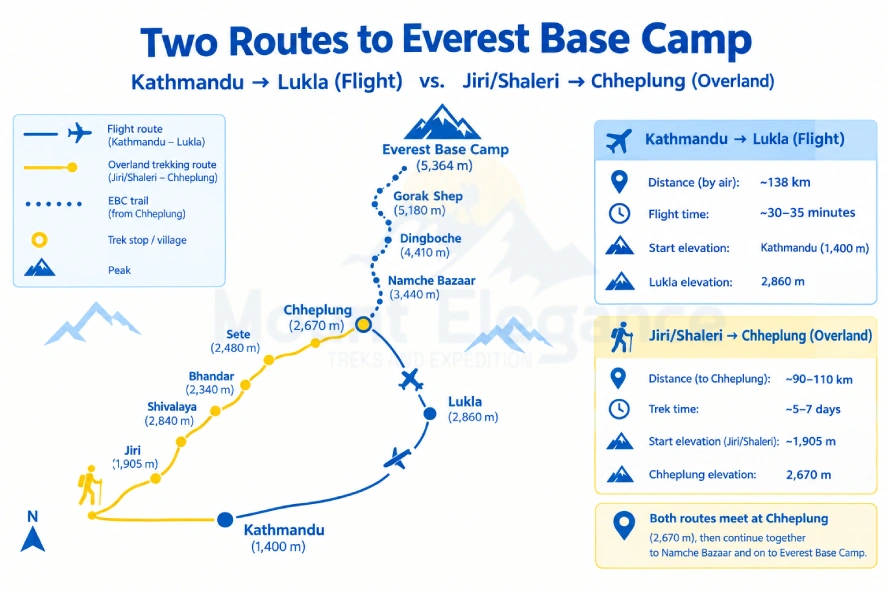
The route you choose can significantly influence how weather-dependent your trip becomes. The standard route: fly Kathmandu (or Ramechhap in peak season) to Lukla(2840 m/9317 ft), 30-40 minute flight, most weather-dependent step, remains the fastest option but leaves trekkers vulnerable to sudden delays or cancellations tied to fog, cloud cover or wind, Alternatively, the overland approach via Jiri or Shaleri adds 3-7 days of extra walking before reaching Lukla’s trail (Chheplung), but this trade off reduces dependence on flight timing/weather, making it a solid fallback option during monsoon or high-cancellation periods. Regardless of route, flight congestion during peak months (April, October) remains a real factor, so booking early and keeping 2-4 buffer days built into your itinerary is wise no matter when you choose to trek.
Nepali Festivals During the Everest Base Camp Trekking Seasons
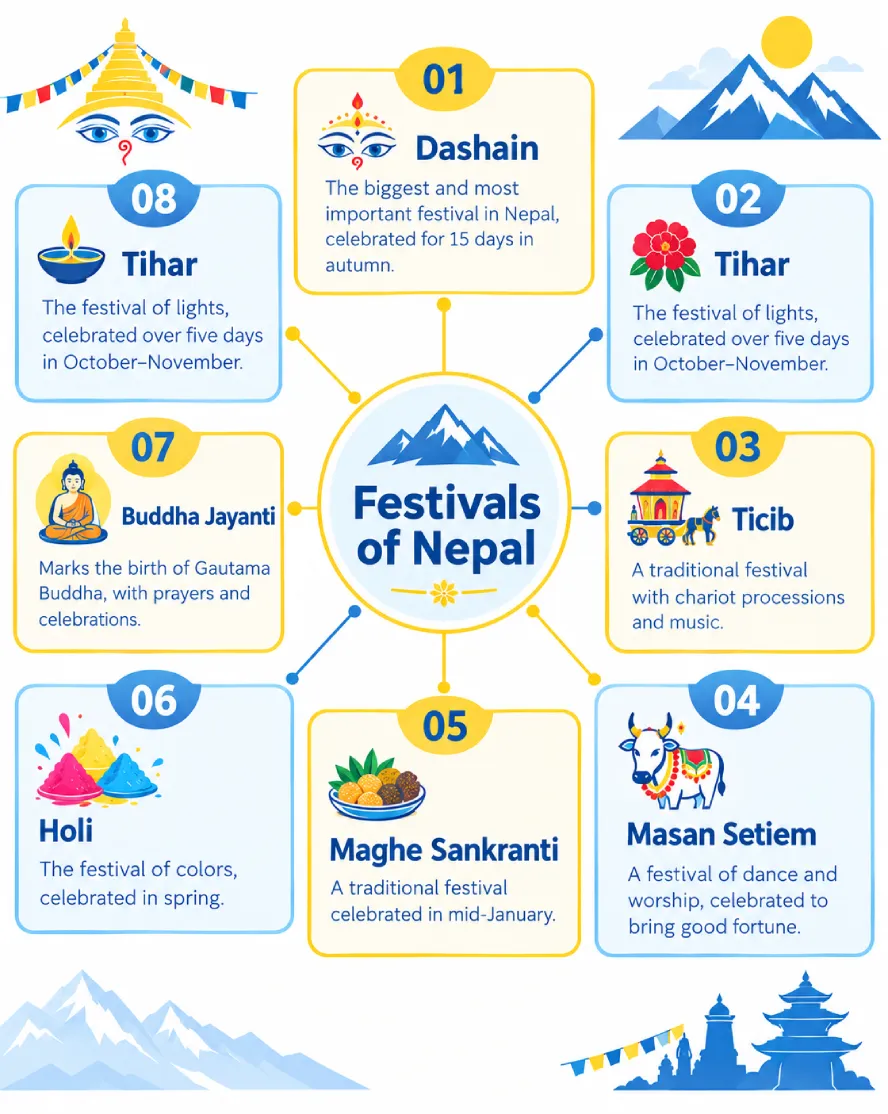
Trekking to Everest Base Camp during festival seasons offers a beautiful cultural experience as local traditions and celebrations are both on the lower trails and in high Himalayan villages. While major Hindu festivals are widely celebrated across Nepal's lower regions and Kathmandu, the high Khumbu region is especially Sherpa and follows Tibetan Buddhism because of this local traditions here differ from the Hindu calendar - with unique monastic festivals like Mani Rimdu taking center stage in high-altitude monasteries.
Key festivals coinciding with the EBC trekking seasons include:
- Dashain: September to October (Nepal’s main 15-day festival celebrated nationwide)
- Teej: September (a vibrant women’s festival, mostly observed in lower regions)
- Tihar: October to November (the festival of lights, celebrated shortly after Dashain)
- Mani Rimdu: October or November (a major Sherpa Buddhist festival held at Tengboche Monastery)
Worst Time to Trek Everest Base Camp (and Why)
The worst time for most trekkers to undertake the Everest Base Camp trek is during peak monsoon (July through early August) and deep winter (January). Monsoon brings heavy rain - muddy trails infested with leeches, clear mountain views and frequent Lukla flight cancellations due to poor visibility caused by weather. Deep winter delivers extreme freezing temperatures and widespread teahouse closures at high altitudes. While neither period is entirely impossible for highly flexible, well-prepared and experienced adventurers, these months present severe logistical hurdles - minimal comfort and significantly compromised views making them best avoided by standard trekkers seeking the classic Himalayan experience.
How to Choose the Best Time for Your Everest Base Camp Trek
Picking the perfect season really comes down to a few honest questions about what matters most to you on this trek.
- Do you want the clearest views and don’t mind crowds?
Autumn (October-November) delivers the sharpest visibility and most table weather of the year, though trails and teahouses fill up fast.
- Do you want blooming rhododendrons and a livelier Base Camp?
- Spring (March-May) offers vibrant scenery alongside the buzz of active climbing expeditions.
- Do you want solitude and can handle a serious cold?
Winter (December-February) trades comfort for quiet trails and a genuinely remote experience.
- Do you want the lowest cost and don't need clear mountain views?
Monsoon (June-August) brings the cheapest flights and lodging, though rain and cloud cover limit visibility.
Whichever season you choose, matching your priorities honestly against the trade-offs above will help ensure a trek that fits both your expectations and your comfort level.
Everest Base Camp Trek: Month-by-Month Guides
Every month offers a different experience on the Everest Base Camp Trek from Weather to temperature, trekking route to crowd of trekkers and mountain views can change throughout the year. This month-by-month guide helps you choose the right time for your trek. Read each monthly guide to learn what to expect, what to pack and how to prepare for your Everest Base Camp adventure.
Everest Base Camp Trek in February
Trekking to Everest Base Camp in February offers a peaceful winter experience with crisp, clear skies and thinning crowds along the trail. As late winter transitions towards early spring - daytime temperatures slowly begin to moderate though cold conditions remain firm - especially at higher elevation where nighttime frosts are guaranteed. Trekkers benefit from sharp mountain visibility and peaceful tea houses, allowing trekkers to connect with the Himalayan landscape without the high season rush. However, dynamic winter weather means occasional snowfall is still fully possible above Tengboche - which can temporarily block high passes or icy trail sections. This month best suits well-prepared adventurers seeking clear - scenic vistas and solitude, provided they are equipped with proper winter layers and flexible itineraries.
Everest Base Camp Trek in March
Everest Base Camp Trek in March marks the beginning of spring on the Everest Base Camp Trek when snow starts melting, temperatures become warmer and trekking conditions gradually improve. Clear mountain views are common - while early rhododendron blooms in the trails make your journey memorable that adds color to the lower trails. Crowds begin to increase as the popular spring trekking season starts but trails are generally less busy than in April and May.
Everest Base Camp Trek in May
Everest Base Camp Trek in May is the warmest spring month and a busy time for the Everest Base Camp Trek. It is also peak climbing season - so Base Camp becomes active with climbers and expedition teams. Lower elevations can feel warm and slightly hazy, while higher areas remain cool. Trails and tea houses are generally busier during May.
Everest Base Camp Trek in June
Everest Base Camp Trek in June marks the start of monsoon season in the Everest region. Days are warmer and have more humid temperatures - with rain becoming more common, especially at lower elevations. Trek trails can become muddy and slippery - you can even have leeches during the rainy season. Mountain views may be less visible but fewer trekkers make June a more peaceful time to trek.
Everest Base Camp Trek in July
Everest Base Camp Trek in July is the peak monsoon month in the Everest region - bringing heavy rainfall, cloudy skies and wet trails. Lower areas become lush and green that creates beautiful landscapes. Lukla flights can have frequent delays due to poor weather conditions. However - very few trekkers visit during July making trails and tea houses quieter and more peaceful than usual.
Everest Base Camp Trek in August
Everest Base Camp Trek in August is still part of monsoon season in the Everest region - with humid weather conditions, cloudy skies and frequent rainfall. Trails often remain wet and muddy which makes trekking more challenging. Rain gradually decreases toward the end of the month, offering better conditions. August is a quiet transition period before autumn that brings clearer skies and more trekkers.
Everest Base Camp Trek in September
Trekking to Everest Base Camp in September features a scenic post-monsoon transition with a vibrant, lush landscape. Early-month rain quickly cleared, which gave way to improving trail conditions and blue skies. It offers a quieter alternative to October peak crowds, perfect for hikers enjoying vibrant green mountain valleys.
Everest Base Camp Trek in October
Everest Base Camp Trek in October represents peak autumn on the Everest Base Camp trek, bringing the year's most stable weather and crystal-clear mountain views. As the busiest trekking month, trails and tea houses operate at full capacity. The vibrant weather coincides with prime Nepali festivals like Dashain and Tihar, adding rich cultural warmth.
Everest Base Camp Trek in November
Everest Base Camp Trek in November brings late autumn clarity to the Everest Base Camp trail - with crisp blue skies and exceptional mountain visibility. While mornings and nights turn significantly colder, daytime walking remains comfortable. With peak October crowds steadily thinning toward month-end, trekkers enjoy spectacular Himalayan vistas alongside far quieter paths and tea houses.
Everest Base Camp Trek in December
Everest Base Camp Trek in December brings early winter to the Everest Base Camp trail, where cold sets in with freezing temperatures. Trails turn quiet and peaceful as crowds fade, though some higher-altitude teahouses begin reduced service or close. It is an ideal time for solitude seekers properly prepared for the serious cold.