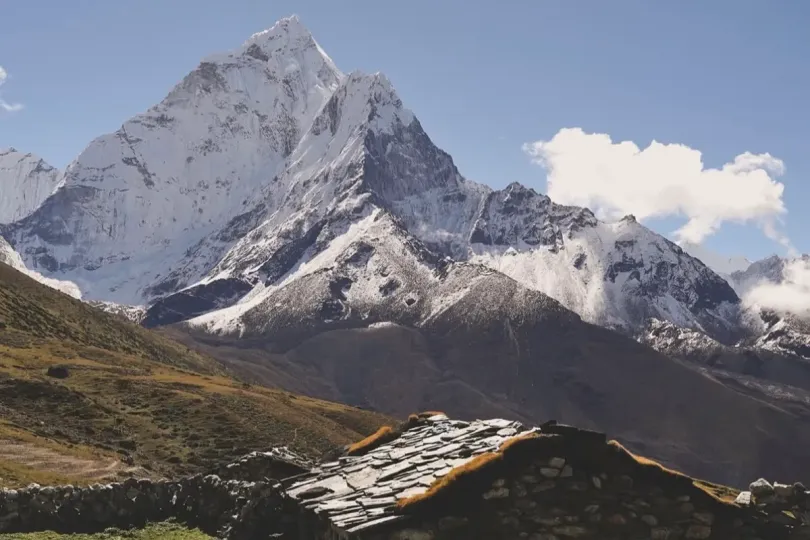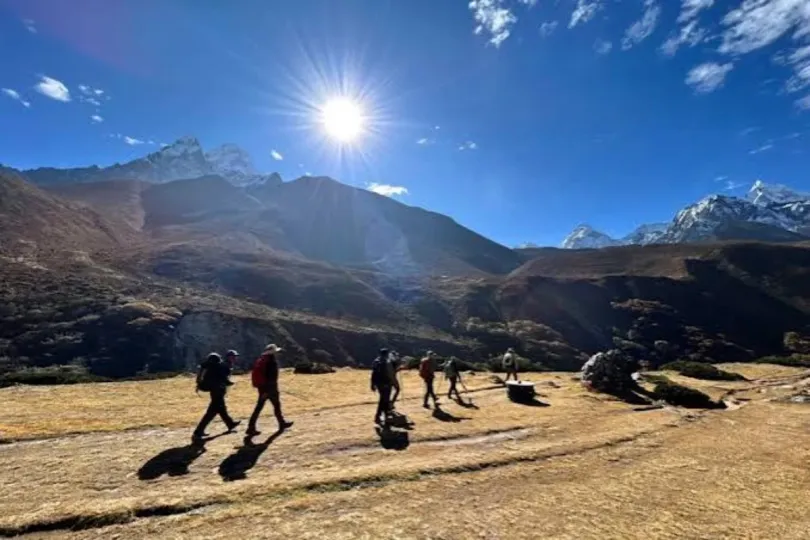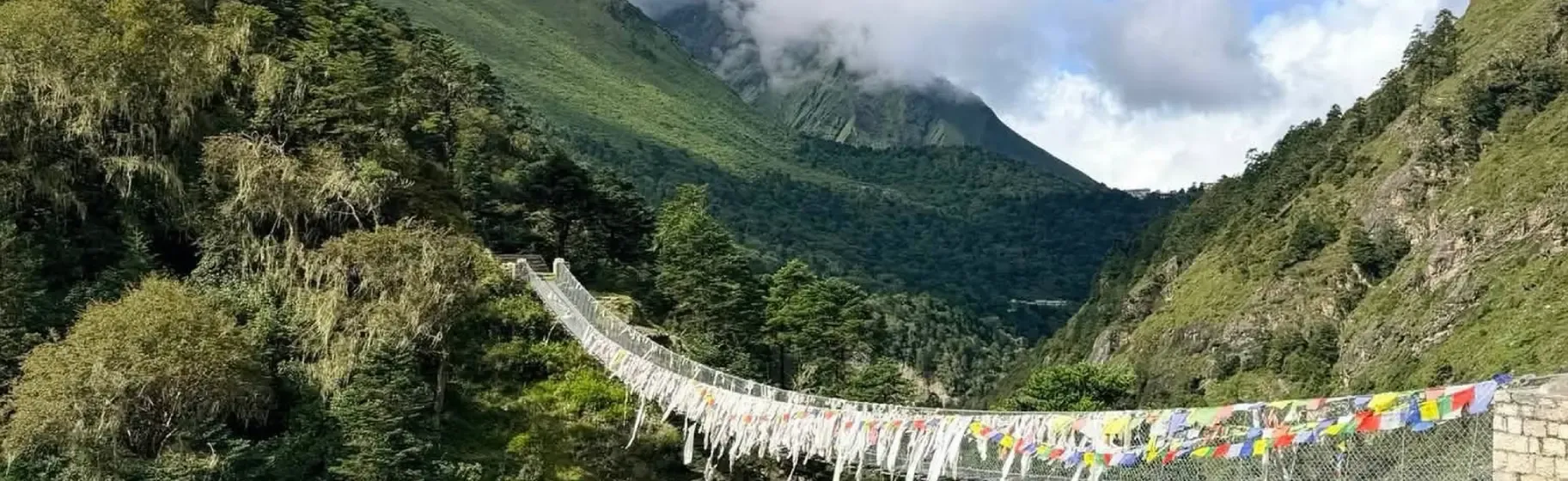

Everest Base Camp Trek in August, falls at the tall end of monsoon, making it a decent pick if you’d rather have quiet trails than guaranteed blue skies. The weather softens as the month goes on - early August still gets hit with heavier rain, but things dry out a bit by the later weeks, and the Khumbu’s rain-shadow effect actually keeps higher altitudes milder than you’d expect. Trail conditions vary a lot depending on where you are: muddier near Lukla, firmer once you climb higher toward Base Camp. A handful of festivals land in this window too - Teej, Gai Jatra, Krishna Janmashtami and Eid-Ul-Adha - adding some cultural flavour along the way. Teahouses are easy to book and often cheaper this time of year. Pack for both rain and sun, plus warm layers for higher up. As for safety, build in buffer days, hire a solid guide, sort your permits early and keep flight delays in mind. Curious how other months compare? March, May and June each bring a pretty different trekking experience.
How Suitable Is Everest Base Camp Trek in August?
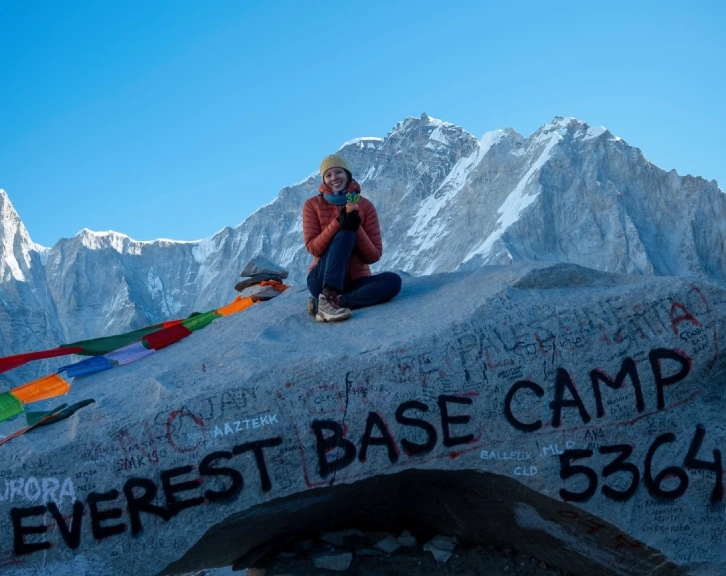
Everest Base Camp Trek in August is suitable for trekkers who don’t mind some rain and want a quieter path through the Khumbu region. Sitting at the tail end of Nepal’s monsoon stretch - June through August - this month tends to be the driest of the three, with rainfall gradually easing compared to the peak of monsoon. It’s a doable trek as long as you come prepared with solid rain gear, hire an experienced guide and keep your schedule flexible enough to handle the occasional delay. The route still takes you through Sagarmatha National Park, past dense forests and Sherpa villages, all the way to Everest Base Camp at 5364 meters. Many trekkers also push on to Kala Patthar for one of the best up-close views of Everest available anywhere on the route. For those willing to trade off a bit of certainty for fewer crowds and lush scenery, August works out just fine.

What Is the Weather Like at Everest Base Camp in August?

Weather at Everest Base Camp in August shifts across the month, starting with heavier rain in the early weeks that gradually eases as August progresses into its mid and late stages. One interesting factor at play is the Khumbu rain shadow - lower villager like Lukla, Phakding and Namche tend to catch most of the monsoon rainfall, while higher villages such as - Dingboche, Lobuche, Gorak Shep, and Everest Base Camp itself stay largely shielded, often experiencing noticeably drier conditions than expected.
What Is Early August Weather Like?

Early August weather is still deeply influenced by monsoon carryover from July, making it the wettest of the month’s three phrases. Rainfall tends to be frequent, often arriving in short, heavy bursts that can leave trails damp for hours afterward. Cloud cover builds up regularly throughout the day, which means mountain views can be hit or miss - clear one moment, completely obscured the next. Trekkers heading out during this window should expect a fair amount of unpredictability, with mornings occasionally offering better visibility before visibility before clouds roll in as the day goes on.
What Is Mid-August Weather Like?
Mid-August weather is a noticeable improvement over the earlier weeks, as rainfall gradually starts to taper off. Trekkers can often expect clearer mornings, which tend to offer the best visibility of the day, followed by afternoon showers that roll in later on. On clearer days, sunshine can last anywhere from six to seven hours, giving trekkers a decent window to enjoy mountain views and warmer daytime temperatures. This shift makes mid-August a slightly more predictable stretch of the month, though rain gear is still worth keeping close at hand just in case conditions change quickly.
What Is Late August Weather Like?

Late August weather is noticeably calmer as the monsoon actively winds down and rainfall becomes less frequent with each passing week. Trails begin drying out steadily and clearer skies show up more often, giving trekkers better visibility and more consistent mountain views than earlier in the month. This gradual improvement sets the stage for September’s post-monsoon conditions, when the weather stabilizes further and trekking becomes noticeably easier. For trekkers who can time their trip toward the very end of August, this period offers a solid preview of the more favorable conditions just around the corner.
What Is the Average Temperature in August?

The average temperature at EBC in August is generally mild by trekking standards, ranging roughly between 14.7°C and 4.8°C depending on where you are along the route. Lower elevation stays noticeably warmer, with Namche Bazaar standing out as the warmest stop on the entire trek, offering comfortable daytime conditions for most trekkers. As altitude increases, temperatures drop steadily and Everest Base Camp itself sits at the coldest end of the range, especially once the sun goes down. Wind isn’t much of a concern this time of year either with average speeds sitting around 16 km/h, making August one of the calmer months in terms of breeze and gusts. Overall, trekkers can expect manageable daytime warmth lower down the trail, paired with a steady drop in temperature as they climb higher toward Base Camp.
What Are the Trail Conditions from Lukla to Everest Base Camp in August?

Trail conditions change noticeably as you climb from Lukla to Everest Base Camp in August, largely shaped by the region’s rain shadow effect lower sections of the trail tend to stay muddier and wetter, however conditions gradually shift with upper stretches of the route staying comparatively drier and firmer underfoot. This contrast means trekkers often face a noticeably different walking experience depending on which leg of the journey they’re on.
What Is the Trail Like from Lukla to Phakding?

The trail from Lukla to Phakding in August is a gentle, largely downhill walk through forested terrain, making it an easy way to ease into the trek. Starting right from Tenzing-Hillary Airport in Lukla, the path winds alongside the Dudh Koshi River, offering scenic tends to be one of the muddiest sections of the entire route during August, thanks to its lower elevation and heavier exposure to monsoon rainfall, so study footwear and careful footing matter here.
What Is the Trail Like from Phakding to Namche Bazaar?
The trail from Phakding to Namche Bazaar in August is a steady, more demanding climb that gradually gains altitude over the course of the day. Along the way, Trekkers cross several suspension bridges over the Dudh Koshi River, which can turn slippery when wet, so careful footing is important during rainier stretches. This section also marks the entry point into Sagarmatha National park, where the trail becomes more scenic and rugged. By the time trekkers reach Namche Bazaar, they’ve completed one of the more physically demanding legs of the early trek.
What Is the Trail Like from Namche to Tengboche and Deboche?
The trail from Namche to Tengboche and Dengboche in August is a scenic stretch that winds through dense rhododendron and pine forests, with muddy patches still lingering in shaded areas. Despite the occasional wet ground, the walk offers plenty of natural beauty and a peaceful, forested atmosphere along the way. A major highlight of this leg is Tenboche Monastery - one of the most important cultural and spiritual stops on the entire route, giving trekkers a meaningful pause before continuing on toward Deboche.
What Is the Trail Like from Deboche to Dingboche?
The trail from Deboche to Dingboche in August is where the landscape starts to open up, offering wider valley views as the surrounding forest thins out. This is also where the Khumbu rain-shadow effect begins to take hold, and rainfall drops noticeably compared to the lower sections of the trek. As trekkers move higher, the terrain shifts from soft, muddy paths to drier, rockier ground, making footing more stable in many spots. This change marks a clear transition into the more exposed, high-altitude character of the trek's upper half.
What Is the Trail Like from Dingboche to Lobuche?
The trail from Dingboche to Lobuche in August is rocky and exposed, with much of the surrounding greenery giving way to bare, high-altitude terrain. Thanks to the rain-shadow effect, rainfall stays minimal along this stretch, making it one of the drier legs of the entire trek. However the altitude gains becomes far more noticeable here, and trekkers often feel the effects of thinner air as they climb higher. Pacing becomes more important on this section, with slower, steady walking helping the body adjust to the changing elevation.
What Is the Trail Like from Lobuche to Gorak Shep and Everest Base Camp?
The trail from Lobuche to Gorak Shep and Everest Base Camp in August is rocky, rugged and mostly covered by glacial terrain. This is among the coldest and driest phases of the trek, despite August being monsoon season elsewhere in Nepal. The path becomes more challenging as you approach Gorak Shep gradually - with exposed rocky sections and thin air. From here - the trek continues toward Everest Base Camp, while Kala Patthar offers a demanding side climb for spectacular mountain views.
What Festivals Happen in Nepal During August?

Nepal celebrates several festivals in August including Hindu, Buddhist and Muslim traditions that bring communities together through prayers, processions, music, dancing and family gatherings. Festival dates follow lunar calendars - so they can shift each year. Trekkers visiting Nepal in August may experience colorful celebrations in Kathmandu and other towns adding a cultural experience to their journey.
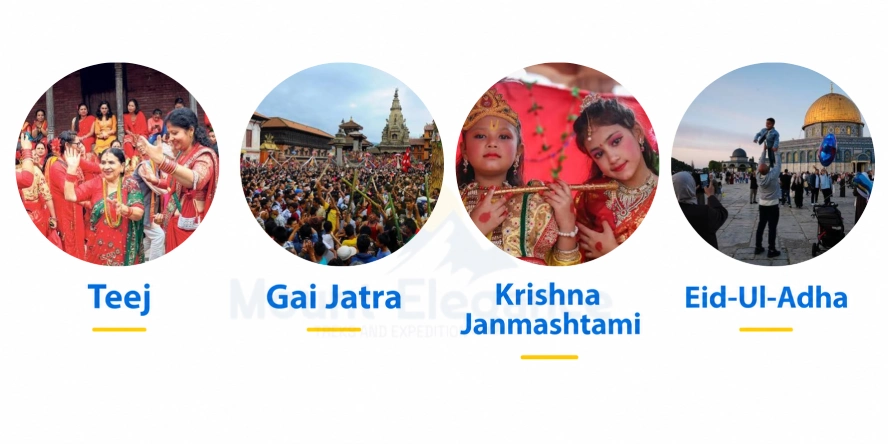
- Teej: A major festival for women where they feature fasting, dancing, singing and praying especially for family well-being and marital happiness. This festival is dedicated to the goddess Parvati and her union with lord shiva. Fasting and prayers are done by married women for the longevity and prosperity of their husbands and also done by unmarried women to pray for a good life partner.
- Gai Jatra: A festival known as the "cow festival," it features lively street processions honoring loved ones who have died during the past year. It is one of Nepal's most culturally primarily in the Kathmandu Valley by the Newar community
- Krishna Janmashtami: Celebrated as the birth of Lord Krishna with temple visits, prayers, devotional singing and nighttime ceremonies. You can also experience the Chariot festival "Rath Yatra" in many places of Nepal this normally falls in the month of September.
- Eid-Ul-Adha: A major Muslim festival observed through prayers - family gatherings, charitable giving and traditional celebrations. After prayers and the sacrifice, families gather to cook celebratory meals, wear new clothes and exchange gifts and greetings.
Why Are Teahouses Easy to Find in August?
Teahouses are easy to find in August because there is not much demand for lodges so they are not fully booked. This means trekkers can pick rooms without worrying about not having a place to stay or rest for a day. In the months of trekking season most popular teahouses often get filled up quickly. In August the experience is more peaceful and quieter, as there are more options along the path. Some teahouses might give discounts on rooms, food and other required facilities for trekkers to attract more visitors. In some situations flights to Lukla might cost less than normal compared to the trekking season.
What Food Can You Eat During the EBC Trek in August?
Food options during the EBC trek in August include a wide range of warm, filling and simple meals served at teahouses throughout the route. Even during the monsoon season the trekkers can usually find familiar dishes to provide enough energy for long walking days. Popular choices include dal bhat, noodles, soups, momo and pancakes. Dal bhat is especially popular because it provides a filling combination of rice, lentils, vegetables and curry which will give trekkers the energy they need throughout the day.
- Dal Bhat: A traditional Nepali meal with rice, lentils, vegetables and curry. It is a good choice when you need a filling and comforting meal after a long walking day on the trekking trail.
- Noodles: Fried or vegetable noodles are quick to make and easy to eat and normally available at teahouses. You will either have egg noodles or simple ones, as you prefer which are cooked locally but delicious.
- Soups: Garlic, vegetable, mushroom and noodle soups provide warmth and fluids after walking in cool and wet August weather.
- Momo: Steamed dumplings filled with vegetables or meat are a popular snack/ meal, a comforting and drooling food you can get on your trek journey.
- Porridge: A light breakfast that can provide steady energy which is not heavy so that you can start your trekking without feeling full but keeps you energetic till your lunchtime.
- Pancakes: In lower elevations - you can get pancakes which are often served with honey, jam, butter or chocolate for a simple breakfast.
During August, choose hot, freshly cooked food whenever possible and drink purified or boiled water to lower the risk of stomach illness. Food and drinks usually become more expensive as altitude increases because supplies are harder to transport to higher villages. Do not waste any amount of food in your journey as it shows disrespect towards the food of the Himalayas.
What Should You Pack for Everest Base Camp Trek in August?
A grouped packing-checklist graphic, clustering the bullet list into three visual groups: rain gear, cold-weather layers, sun protection — instead of one long flat list.
Packing for the August EBC trek means preparing for heavy monsoon rain, wet trails, changing temperatures and cold nights at higher elevations which can be challenging. As this season brings frequent rainfall - so keeping your clothing, sleeping gear and electronics dry should be a priority. Choose lightweight layers that dry quickly and carry waterproof protection for both yourself and your backpack. As you gain elevation the temperatures can drop gradually after sunset, so warm clothing remains important even during summer. Good footwear and trekking poles also help you stay stable on slippery and muddy trails.
- Waterproof jacket and rain pants: Choose breathable waterproof layers for protection from frequent August rain. As the weather cannot be predicted - uncertain rainfall occurs anytime so you have to be prepared for this kind of challenging weather.
- Gaiters and backpack rain cover: Gaiters help keep mud and water out of your boots - while a rain cover protects by keeping clothing, electronics, documents and other essential items dry throughout the trek.
- Quick-drying trekking clothes: Pack moisture-wicking shirts, trekking trousers and extra socks that dry quickly after getting wet. You should not walk in wet socks or a T-shirt - as it can make you uncomfortable during your walk days
- Insulated or down jacket: Bring a warm jacket for cold mornings and nights at higher elevations.As the weather can be windy and temperatures suddenly drop so to keep you safe and warm you must have warm down jackets that will protect you whenever needed.
- Waterproof hiking boots: Select sturdy boots with good rain protection and strong grip for muddy, slippery trails which can make you continue your journey any obstacle,
- Trekking poles: Poles provide extra balance on wet, uneven and steep sections.A support in your trekking days for balancing in ascending or descending walks
- Insect and leech repellent: Useful on lower - greener sections of the trail during the monsoon, where warm, wet and humid conditions can attract more insects and leeches. Apply insect repellent to exposed skin and carry suitable protection for your legs and socks when walking through damp vegetation, muddy paths and grassy areas.
- UV-protection sunglasses: Protect your eyes from strong sunlight and intense UV exposure at high altitude, where thinner air allows more radiation to reach you. Choose sunglasses with reliable UV protection and comfortable coverage to reduce glare and eye strain during long hours on exposed mountain trails.
- Waterproof sunscreen and sun hat: Apply waterproof sunscreen regularly to protect exposed skin from strong UV rays, especially at higher elevations where sunlight can feel more intense. A wide-brimmed or trekking sun hat also helps protect your face, neck and ears from direct sunlight during long hours of walk in trails.
What Are the Safety Tips for Trekking in August?
A four-icon row: buffer days, guide/permits, daily weather check, acclimatization — matching the four bullet points in the outline.
Staying safe on the August EBC trek comes down to planning around monsoon weather that allows extra travel time and making careful decisions on the trail. August can bring rain, slippery trekking trail, cloud cover mountain peaks and unpredictable conditions, so flexibility is important.
- Build in buffer days: Keep one or two extra days in your itinerary for possible Lukla flight delays or cancellations caused by poor visibility, rain or uncertain changing weather conditions. Avoid booking international flights immediately after your trek.
- Trek with a guide: Trek with a licensed guide rather than going solo because a guide can help with route navigation, changing weather conditions and emergencies help. Guided trekking is also required for obtaining Sagarmatha National Park and rural municipality trekking permits.
- Check weather forecasts daily: Review local weather conditions before continuing your trek. Start hiking early in the morning when possible as afternoon rain and clouds can build along the route and reduce visibility and can also offer difficulty trail.
- Take altitude seriously: Ascend at a steady pace and avoid rushing higher than your body can comfortably manage. Follow your itinerary acclimatization days carefully giving your body time to adjust before gaining more elevation. For detailed prevention, symptoms and treatment guidance refer to a dedicated altitude-sickness guide.
Can You Trek Everest Base Camp in Other Months Too?
Yes, trekkers who want different conditions than August have several other months to consider as trekking outside August can bring clearer skies, drier trails, better mountain visibility or colder conditions depending on the month. Each period has its own advantages and challenges - so choosing the right month depends on your priorities and trekking preferences.
When Is the Best Time to Trek Everest Base Camp?
The best time to trek Everest Base Camp overall is during spring (March–May) and autumn (September–November) as this season offers stable weather, clear mountain visibility with comfortable trekking conditions, making these as peak seasons for trekking. August offers a quieter and peaceful trail alternative for trekkers who prefer fewer crowds. Each month brings different conditions and has its own challenges.
Is March a Good Time to Trek Everest Base Camp?
Yes, Everest Base Camp Trek in March marks the start of the spring season, with dry trails and blooming rhododendrons that gradually improve weather creating good trekking conditions. Unlike August - which falls within the wetter monsoon period, March offers clearer skies and more reliable trails before pre-monsoon showers arrive. For temperatures, weather and trail conditions see our full March Everest Base Camp trek guide.
Is May a Good Time to Trek Everest Base Camp?
Yes, Everest Base Camp Trek in May is the last month before monsoon begins - when warm temperatures, clearer skies with peak spring conditions make it an excellent time for EBC trekking. Compared with August’s heavier rain, cloud cover and damp trails that can generally offer better mountain visibility and more stable hiking conditions. For detailed weather, trail and trekking information