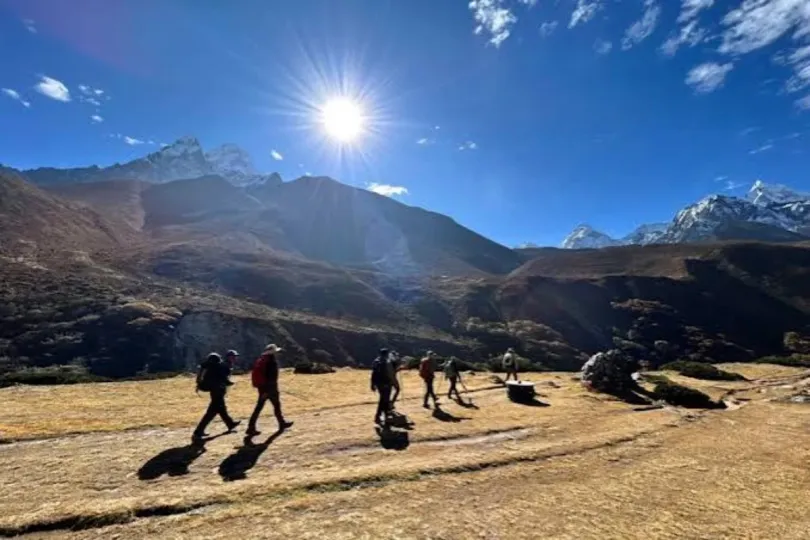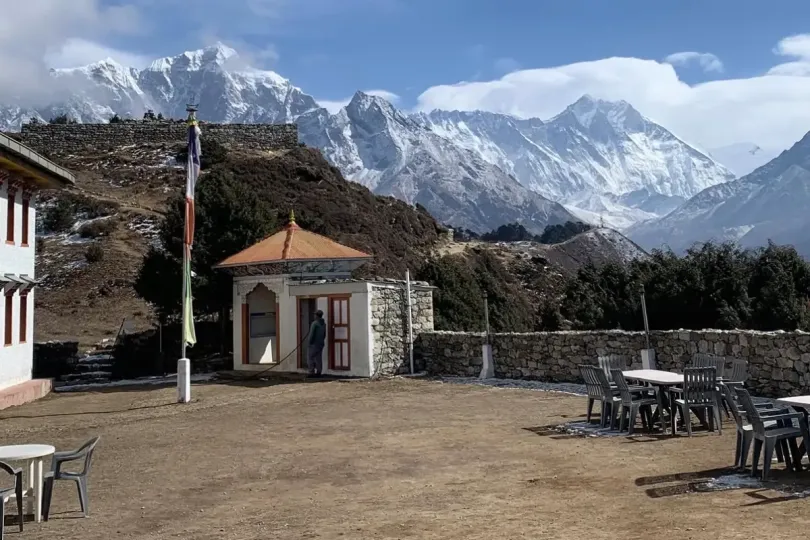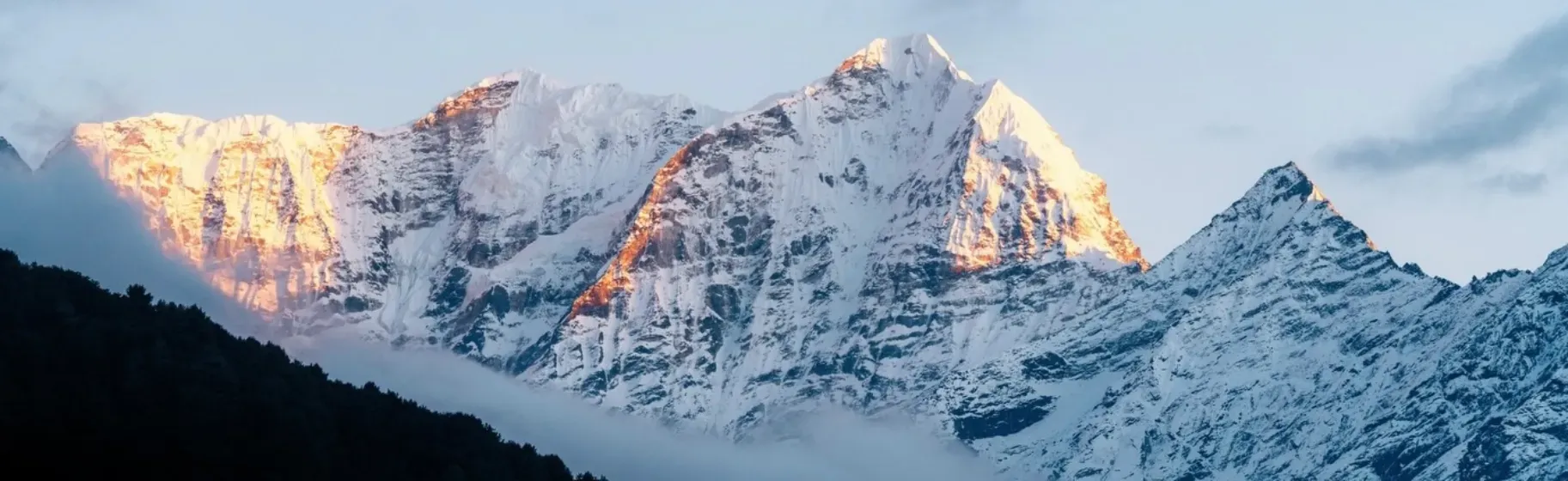
The Everest Base Camp Trek in March is a favorite for trekkers chasing the first stretch of the pre-monsoon spring season. Trails through the Khumbu region and Sagarmatha National Park start showing early rhododendron blooms, adding color against the snowy backdrop. Daily temperatures swing widely, typically ranging from around -15°C at night to 10°C during the day, so packing for both extremes matters. The classic 14-day itinerary takes trekkers from Lukla airport (2,860 m) through Namche Bazaar (3,440 m), up to Everest Base Camp (5,364 m) and Kala Patthar (5,545 m) for some of the clearest mountain views of the season. Timing can even overlap with the Holi festival, adding a cultural touch. Cooler temperatures and thinner crowds make March a solid pick for trekkers who prefer a quieter trail before the peak spring rush.
Is March a Good Month to Trek to Everest Base Camp?
March is right at the start of the pre-monsoon spring season when the Khumbu region begins waking up after winter. Spring is widely recognized as the second busiest trekking season in Nepal and March falls within this window, so trails and teahouses start filling up as the month goes on, especially from the second week onward.
Visibility is one of March’s biggest draws since skies stay mostly clear before the haze that builds later in spring sets in. Before 3500 meters, rhododendron forests begin their bloom adding color to the lower stretches of the trail, while nights above 4000 meters stay cold enough to demand serious layering.
March also overlaps with the early buildup of Everest’s climbing season, as expedition teams begin arriving in April to start their acclimatization rotations giving the region a growing sense of activity even before the summit push in May. Lukla flights tend to run fairly reliably in March, though early morning departures are still the safest bet, since afternoon weather can shift quickly at altitude. All told, March offers a solid mix of clear views, blooming trails, and manageable crowds - a good middle ground before the peak rush of April and May sets in.
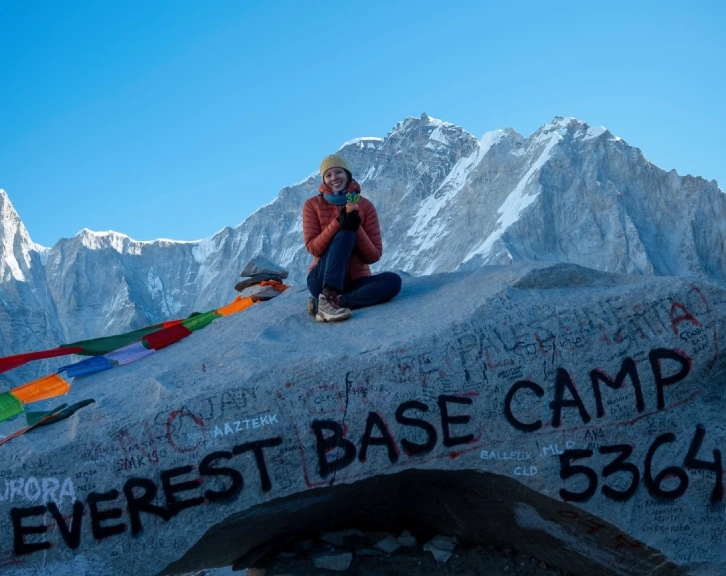

What Are the Pros of Trekking Everest Base Camp in March?

The main advantages of trekking Everest Base Camp in March are:
- Clear mountain visibility - skies stay mostly free of haze giving sharp views of Everest and surrounding peaks
- Stable, predictable weather - fewer sudden disturbance compared to later spring months
- Rhododendron blooms below 3,500 m - early flowering adds color to the lower trail sections
- Quieter trails than April or may - noticeably less crowded before the peak spring rush hits
- Open tea houses - The lodges along the path open again and have plenty of food and supplies after winter.
- More daylight - the days are longer than in winter, giving you more time to walk during the day.
- Climber arriving - you will find climbing teams starting to arrive at Base Camp to prepare for their trips.
- Holi festival - you might get to join the fun holi color festival in Kathmandu before or after your trek.
What Are the Cons of Trekking Everest Base Camp in March?

The main drawbacks of trekking Everest Base Camp in March are:
- Very cold at night - it gets below freezing at high altitudes, so tea houses are very cold after sunset.
- Snow on the trail - late- winter snow can still fall in early March and make walking difficult.
- Colder weather - the spring warmth has not fully started, making it colder than April or May.
- Flight delays at Lukla - Morning fog often delays flight to and from Lukla.
- Extra warm gear needed - You must pack heavier clothes and warm gear to handle the cold.
What Is the Weather Like at Everest Base Camp in March?
Location | Altitude | Daytime | Nighttime |
Lukla | 2,860 m | 10 to 20°C | 0 to 5°C |
Namche Bazaar | 3,440 m | 10 to 15°C | -5 to 0°C |
Tengboche | 3,860 m | 5 to 10°C | -5 to -10°C |
Dingboche | 4,410 m | 0 to 10°C | -10 to -15°C |
Gorak Shep | 5,180 m | -5 to 5°C | -15 to -20°C |
Everest Base Camp | 5,364 m | 0 to -10°C | -15 to -25°C |
What Is the Temperature at Each Stop on the EBC Trail in March?
Location | Altitude | Daytime (Early March) | Daytime (Late March) | Nighttime |
Phakding | 2,651 m | 8 to 12°C | 12 to 16°C | 0 to 3°C |
Namche Bazaar | 3,440 m | 7 to 10°C | 10 to 15°C | -5 to 0°C |
Tengboche | 3,867 m | 3 to 7°C | 5 to 10°C | -8 to -5°C |
Dingboche | 4,410 m | -2 to 5°C | 0 to 10°C | -13 to -10°C |
Lobuche | 4,940 m | -5 to 2°C | -3 to 5°C | -17 to -12°C |
Gorak Shep | 5,164 m | -6 to 0°C | -5 to 5°C | -20 to -15°C |
Everest Base Camp | 5,364 m | -8 to -2°C | -10 to 0°C | -25 to -15°C |
Does It Snow at Everest Base Camp in March?

Snowfall at Everest Base Camp in March is fairly common, especially early in the month when late-winter flurries still pass through the region. Accumulation is heaviest above 4500 meters, where snow can linger on the trail for days before melting, particularly on high passes and shaded sections near Gorak Shep and Base Camp itself. After a fresh snowfall, trails can turn slippery and slow-going, so packing microspikes (crampons) and gaiters is a smart move for anyone trekking in the fast half of March. Snow also affects visibility and a snowy or overcast morning can dampen the classic Kala Patthar sunrise view, though conditions usually clear again within a day or two. By late March, snowfall becomes less frequent as temperatures rise and the trail dries out.
How Difficult Is the Everest Base Camp Trek in March?
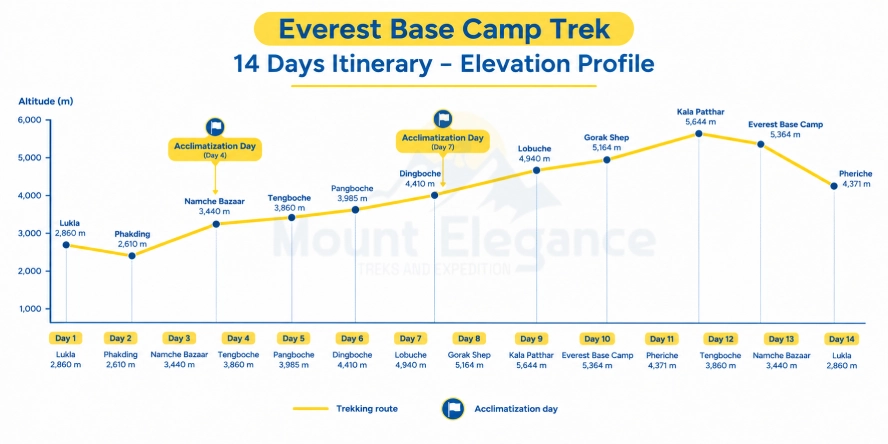
The Everest Base Camp Trek in March is rated moderate to strenuous - it's a serious physical undertaking, but not a technical climb. The route from Lukla to Base Camp covers about 40 miles and gains more than 8,000 feet in elevation, topping out at 5,364 meters, with many trekkers also pushing on to Kala Patthar above 5,500 meters for sunrise views over Everest. Most itineraries take 12 to 14 days to reach Base Camp from Lukla, moving deliberately slowly to give the body time to adjust to the altitude, with average walking days running 8 to 10 hours depending on terrain and elevation gain.
Two acclimatization days are typically built into the schedule, usually around Namche Bazaar and Dingboche, where trekkers hike higher during the day and sleep lower at night to help the body adapt. Cumulative elevation gain adds up quickly across the trip, and March adds an extra layer of difficulty on top of the thin air, since cold temperatures at higher camps mean trekkers are managing both altitude and freezing overnight conditions at the same time.
Importantly, no technical climbing skills are required - it's a well-guided trek at a slow, steady pace, with rest days built in specifically to manage altitude, not a mountaineering expedition. It's achievable for reasonably fit beginners with solid preparation, though success depends far more on pacing and patience with acclimatization than on raw athletic fitness.
What Is the Everest Base Camp Trek Itinerary in March?
Day | Route | Elevation |
1 | Arrival in Kathmandu | 1,400 m |
2 | Flight to Lukla, trek to Phakding | 2,860 m - 2,610 m |
3 | Phakding to Namche Bazaar | 3,440 m |
4 | Acclimatization in Namche Bazaar | 3,440 m |
5 | Namche Bazaar to Tengboche | 3,860 m |
6 | Tengboche to Dingboche | 4,410 m |
7 | Acclimatization in Dingboche | 4,410 m |
8 | Dingboche to Lobuche | 4,940 m |
9 | Lobuche to Gorak Shep, Everest Base Camp | 5,180 m - 5,364 m |
10 | Kala Patthar climb, trek to Pheriche | 5,545 m - 4,240 m |
11 | Pheriche to Namche Bazaar | 3,440 m |
12 | Namche Bazaar to Lukla | 2,860 m |
13 | Flight from Lukla to Kathmandu | 1,400 m |
14 | Departure from Kathmandu | — |
How Many Acclimatization Days Are Needed in the March Itinerary?
The March EBC itinerary requires two acclimatization days to safely manage the altitude gain from Lukla to Base Camp, matching the standard structure most 14-day itineraries follow. In your itinerary, Day 4 covers the first stop in Namche Bazaar (3,440 m), followed by a second on Day 7 in Dingboche (4,410 m) before pushing on to Lobuche. Both rest days follow the "climb high, sleep low" principle, where trekkers hike up to a higher elevation during the day and return to sleep at a lower altitude, helping the body adjust gradually rather than all at once. March adds a bit of extra risk on top of the standard altitude challenge, since colder air holds less oxygen and can make the adjustment feel more demanding than in warmer months, making these two rest days even more important for a safe, steady ascent.
What Should You Pack for the Everest Base Camp Trek in March?
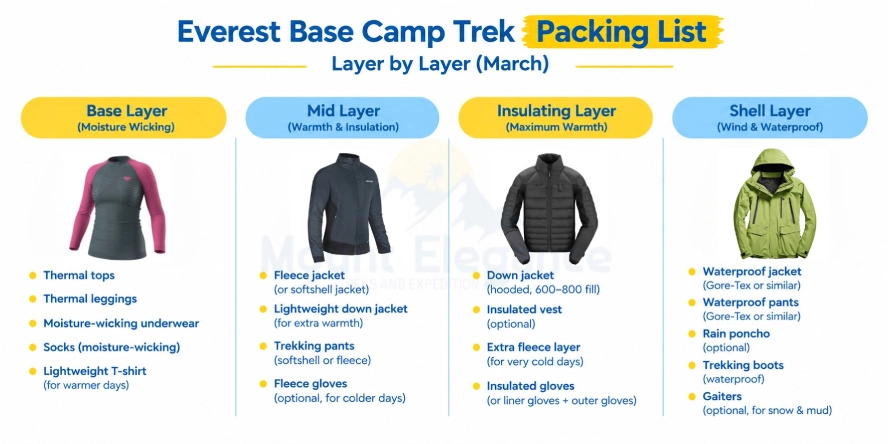
Clothing (Layering System)
- Trekking Shirts: 3–4 lightweight,long-sleeve shirts for sun and dust protection on the EBC trail.
- Base Layer: 2–3 pairs of thermal tops and bottoms (high-grade synthetic).
- Trekking Pants: 2 pairs of stretchable and comfortable trekking pants.
- Insulation Layer: 1 warm fleece jacket or lightweight down sweater.
- Underwear: 5–6 pairs of sports underwear.
- Hard Shell: 1 breathable waterproof jacket and pants for wind, rain, or alpine snow.
Footwear
- Trekking Boots: 1 pair of ankle-supportive and water-resistant hiking boots.
- Camp Shoes: 1 pair of lightweight Sports sandals for relaxing in the teahouses.
- Gaiters: 1 pair of breathable, waterproof gaiters to seal out snow.
- Socks: 3–4 pairs of thick merino wool trekking socks and 2 pairs of thin liner socks.
Backpack and Storage
- Daypack: 1 technical 25L–35L daypack for carrying layers, water, camera, regular medicine and snacks.
- Main Duffel Bag: 1 heavy-duty, weather-resistant 90L–120L duffel bag (to be carried by porters/yaks and will be provided by the company).
- Dry Bags: A collection of lightweight waterproof dry sacks to segregate and protect electronics and clothing. (It can be kept at duffel bag)
Technical and Trekking Gear
- Sleeping Bag: 1 Weather four-season sleeping bag rated down to at least -10°C (crucial for comfort at Everest Base Camp which will be provided by the company).
- Trekking Poles: 1 pair of adjustable trekking poles with snow baskets.
- Water Storage: Insulated 1-liter Nalgene bottles (must handle boiling water) and thermal bottle jackets to prevent freezing.
- Headlamp: 1 LED headlamp with extra lithium batteries (essential for the midnight and low-light areas).
- Glasses: 1 pair of high-protection UV Sunglasses.
Health and First Aid
- Altitude & Illness Medication: Diamox (Acetazolamide) for altitude acclimatization, a course of broad-spectrum antibiotics, and anti-diarrheals (Imodium).
- Blister & Wound Care: Comprehensive blister kits (Compeed/Moleskin), athletic tape, sterile gauze, and elastic bandages.
- Water Purification: Purification tablets or chlorine dioxide drops (standard filters can freeze and crack at high camps).
- Personal Pharmacy: Rehydration salts (ORS), Ibuprofen/Paracetamol, cough lozenges (to combat the dry "Khumbu cough"), and personal prescriptions.
Personal Items and Extras
- Power Bank: 2 high-capacity (20,000mAh) heavy-duty power banks.
- Sun Protection: SPF 50+ broad-spectrum sunscreen and dedicated SPF zinc lip balm.
- Sanitation: Multiple packs of pocket tissues, wet wipes (for camp showers), and high-alcohol hand sanitizer.
- Snacks: Energy gels, protein bars & chocolate.
Documents and Cash
- Identity & Visas: Original passport valid for 6+ months past travel dates, plus physical paper copies. Visa on arrival and which will be paid in cash.
- Insurance Certificate: Printed proof of comprehensive travel insurance covering search, rescue, heli-evacuation, and technical climbing up to 5,600meters.
- Permit:Sagarmatha (Everest) National Park Permit., Pasang Lhamu Rural Municipality fee.
- Photos: 2 recent passport-sized photos for local permits and regional SIM cards.
- Cash: Carry nepalese rupee during trek while credit card might not be accepted to get some souvenir or other snacks. You can exchange to nepali Currency after arriving in Kathmandu.
Final Tips
- Strict Weight Limits: Keep your main duffel bag under 15 kg (33 lbs) to strictly comply with the flights and the porter will also carry 15 kg max per person.
- Freeze Prevention: Store your phone, camera batteries, headlamp, and power banks inside your inner jacket pockets during the day, and at a warm place at night to prevent freezing temperatures from killing the battery life.
What Is Accommodation and Food Like on the EBC Trek in March?

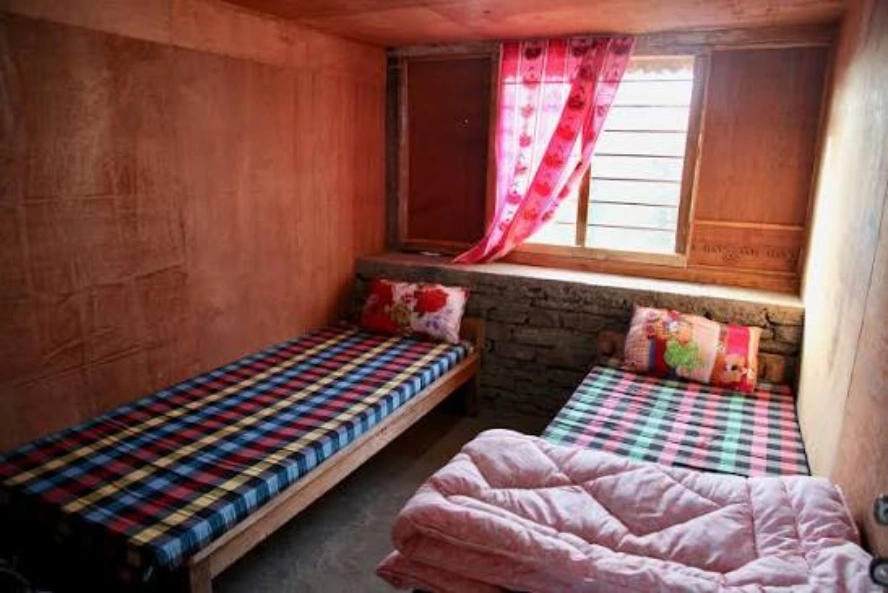
Accommodation on the Everest Base Camp Trek in March is based entirely on teahouses lodges, simple local family-run guesthouses scattered along the trail from Lukla to Base Camp. Rooms are typically twin-sharing, with basic beds, blankets and thin walls that offer little insulation against the cold, which is why a warm sleeping bag matters even indoors. Bathrooms are shared and vary between squat-style and Western-style toilets, with the mix depending on the village and how developed the lodge is. Hot showers are usually available for a small extra fee, though options thin out the higher you climb, and some higher-altitude lodges only offer bucket showers or none at all.
Food follows a familiar pattern throughout the trek, centered around dal bhat, the traditional lentil, rice and veggie meal that many guides recommend for its refillable portions and steady energy. Garlic soup is a trail favourite too, widely believed to help with altitude acclimatization and a common order at higher elevations. Beyond these, teahouse menus typically include noodles, soups, momos and simple pasta dishes, though prices rise the further you get from Lukla due to the cost of transporting supplies.
Connectivity comes through WI-FI cards, purchased at most lodges for a fee, through speed and reliable drop off significantly at higher altitudes. Charging devices also come with a small per-device fee in most teahouses, since electricity is often solar or generator-powered. By March, most lodges are fully restocked and reopened after the quieter winter season so supplies, food variety and room availability are generally solid throughout the trek.
How Much Do Teahouse Rooms Cost on the EBC Trail in March?
Item | Cost |
Room per night (lower elevation, e.g. Lukla, Namche) | $2–$5 |
Room per night (above 4,000 m, e.g. Dingboche, Lobuche) | $4–$8 |
Meals | $6–$12 per dish |
Hot shower | $2–$5 |
Wi-Fi card | $2–$5 per hour, or $20–$25 for a 10GB card |
Battery charging | $2–$7 per device |
How Do Lukla Flights Work in March?

Lukla flights in March operate out of Tenzing-Hillary Airport (2,860 m), one of the most famous - and challenging - airports in the world due to its short runway and mountainous approach. While the standard route is a direct flight from Kathmandu, spring departures are frequently diverted through Ramechhap's Manthali Airport instead, a move made to reduce congestion at Kathmandu's single runway during peak trekking season. The drive from Kathmandu to Manthali takes around 4 to 5 hours, so trekkers often leave the night before or very early in the morning to make the connection.
Flights operate almost exclusively in the early morning, since mountain winds pick up by midday and make landings and takeoffs far riskier later in the day. The flight itself is short, usually around 15 to 20 minutes from Manthali or roughly 30 minutes from Kathmandu, but delays are common in March due to fog, cloud cover, or shifting mountain winds, especially early in the month when late-winter weather patterns are still settling. Cancellations can stack up over several days if conditions don't clear, which is why building in a buffer day or two is standard advice for March itineraries.
When flights back up significantly, helicopters serve as a backup option, offering a faster and more flexible alternative for trekkers on tighter schedules, though at a considerably higher cost than the standard fixed-wing flight.
What Is the Ramechhap (Manthali) Flight Diversion?

The Ramechhap (Manthali) diversion moves Lukla flights away from Kathmandu and routes them through Manthali Airport in Ramechhap district instead. Getting there means a 4 to 5 hour road transfer, usually done overnight or before dawn to catch the first flights out. The reason for the switch comes down to traffic - Kathmandu's single runway simply can't keep up with both international flights and the Lukla rush during busy months, so shifting to Manthali helps things move faster. This diversion usually kicks in during the two peak trekking windows: March through May, and October through November.
What Happens When a Lukla Flight Is Delayed or Cancelled?
- Standby rebooking - passengers get moved to the next available flight, though this can mean waiting hours or even days during stretches of bad weather
- Helicopter charter alternative - a faster, pricier option for trekkers who don't want to wait out flight delays, especially useful when a tour has a tight schedule
- Buffer days in the itinerary - most well-planned trips build in one or two spare days specifically to absorb these delays without derailing the whole trek
- Travel insurance coverage - policies with flight-delay or trip-interruption coverage can help offset the cost of extra nights or a helicopter transfer
- Kathmandu hotel accommodation - trekkers stuck waiting often need to arrange (or extend) hotel stays in Kathmandu or Ramechhap until flights resume
How Do You Prevent Altitude Sickness on the EBC Trek in March?

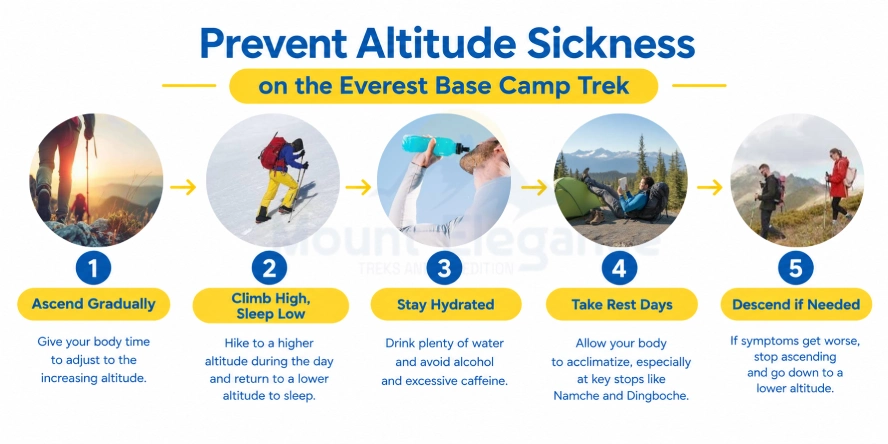
Gradual ascent rate - the standard guidance is to ascend an average of less than 500 meters per day above 3,000 meters, with a rest day every 3 to 4 days.
Climb-high-sleep-low technique - hiking to a higher point during the day and returning to sleep at a lower elevation helps the body adjust without the risk of overnight strain.
Two built-in acclimatization days - scheduled stops at Namche Bazaar and Dingboche give the body dedicated time to adapt before pushing higher.
Hydration - drinking 3 to 4 liters of water daily helps offset the dehydrating effects of altitude and reduces symptom severity.
Diamox (acetazolamide) as a preventive option - a review of 22 randomized trials found doses of 125mg, 250mg, and 375mg taken twice daily all significantly reduced AMS incidence compared to placebo, though it should be discussed with a doctor before the trip.
Descent as the only cure for severe AMS - no medication substitutes for moving to lower altitude once symptoms turn serious.
Colder temperatures masking early symptoms - in March, cold can make fatigue or mild headaches easy to dismiss as simply being cold, so trekkers need to actively check in on how they're feeling rather than assuming discomfort is just the weather.
What Permits Does the EBC Trek Require and How Much Do They Cost?
Permit | Where Checked | Cost (NPR) | Cost (USD) |
Sagarmatha National Park Entry Permit | Monjo checkpoint | 3,000 | ~$23 |
Khumbu Pasang Lhamu Rural Municipality Permit | Lukla | 3,000 | ~$23 |
TIMS Card | Not mandatory | — | — |
What Festivals Take Place in Nepal During March?
The main festivals in Nepal during March are:
- Holi (Festival of Colours) — a nationwide celebration of spring, with people throwing colored powder and water in streets and public squares; in 2026 it falls on March 2 in the hills and March 3 in the Terai region
- Losar (Tibetan New Year) — celebrated by Sherpa, Tamang, and other Tibetan-influenced communities, marked by prayers, home cleaning, and monastery ceremonies; Gyalpo Losar is celebrated by Sherpa, Yolmo, and Tibetan ethnic groups and can fall in either February or March depending on the year
- Maha Shivaratri — a major Hindu festival honoring Lord Shiva, drawing large crowds of pilgrims and ash-smeared sadhus to Pashupatinath Temple for overnight vigils, bonfires, and chanting
- Kathmandu Durbar Square celebrations — Holi's biggest citywide celebration centers here, with music, color-throwing, and large crowds gathering throughout the day
- Sherpa Buddhist monastery observances in the Khumbu — smaller, quieter Losar ceremonies take place at monasteries like Tengboche, offering trekkers a chance to witness local religious life along the trail
- Date variation by lunar calendar — most of these festivals follow the lunar Bikram Sambat calendar, meaning exact dates shift from year to year, so it's worth checking a current calendar close to your travel dates rather than relying on the same date annually
What Festivals Take Place in Nepal During March?
The main festivals in Nepal during March are Holi, Losar - Maha Shivaratri and several Buddhist and cultural celebrations. March is a good time to experience Nepalese traditional culture because many festivals take place during this period. Festival dates can change each year because several celebrations follow the lunar calendar.
- Holi (Festival of Colours): Holi is one of Nepal’s most colourful and enjoyable festivals. People celebrate by throwing coloured powder and water at friends, family and other participants who want to join in the celebrations. Streets and public areas become lively with music and crowds of people - dancing and celebrating.
- Losar (Tibetan New Year): Losar is an important festival for Sherpa and other Himalayan Buddhist communities. Families gather and prepare traditional food for their loved ones, wear traditional new clothes, visit monasteries and offer prayers. In mountain areas, monasteries may organize special ceremonies, dances and other religious activities.
- Maha Shivaratri: Maha Shivaratri is an important Hindu festival dedicated to Lord Shiva. Devotees visit temples, fast, pray and take part in night-long religious ceremonies. Pashupatinath Temple in Kathmandu becomes one of the main gathering places during this festival.
- Kathmandu Durbar Square celebrations: Kathmandu Durbar Square may become the main gathering place during major festivals. Visitors can see traditional rituals, cultural performances and local celebrations around the historic Durbar Square.
- Sherpa Buddhist monastery observances: Trekkers visiting the Khumbu in March may see Buddhist prayers, chanting and offerings - as well as other ceremonies at monasteries in villages such as Tengboche and surrounding areas.
- Festival date variation: Festival dates are not always the same every year as they follow the lunar calendar. Holi, Losar and Maha Shivaratri follow lunar or religious calendars - so their dates can move between February and March depending on the year.
Who Should Trek Everest Base Camp in March?
The Everest Base Camp Trek in March suits cold-tolerant trekkers who are comfortable with chilly mornings, cold nights and changing mountain weather. It is also a good choice for photography-focused trekkers as clear mornings can offer excellent mountain views, dramatic landscapes and quieter trails before the main spring rush begins. Trekkers who want to avoid peak spring crowds may prefer March - especially early in the month, when the route is generally less busy than in April and May.
March can also suit first-time high-altitude trekkers with moderate fitness - provided they prepare properly for long walking days - steep climbs and cold conditions. Another attraction is the chance to see expedition teams preparing for or departing toward Everest Base Camp as the climbing season approaches.
However, March is not ideal for everyone. Trekkers with minimal cold tolerance may find the early-season temperatures uncomfortable. In years with heavy snowfall or lingering winter conditions - higher sections of the route can also be more challenging. If you prefer warmer temperatures, more stable spring weather and generally easier trekking conditions, April or May is a better choice.
Related Everest Base Camp Trekking Guides and Routes
Beyond March, trekkers researching Everest Base Camp also compare month-by-month trekking conditions, weather - trail conditions and crowd levels to choose the right trek season. Everest region routes such as the Gokyo Lakes Trek, Everest Three Passes Trek and Everest Base Camp via Gokyo offer various landscapes and experiences. Photography-focused trekkers can also compare seasons for best mountain visibility, snow level and scenery. A seasonal comparison helps trekkers balance between weather, trail difficulty, crowds, temperatures and every other trekking condition before choosing their Everest trek adventure.

What Is the Best Time to Trek Everest Base Camp?
The best time to trek Everest Base Camp is during the pre-monsoon spring months of March to May and the post-monsoon autumn season from late September to November. Spring brings generally stable weather with clear mountain views and gradually warmer temperatures, while autumn offers crisp skies with good visibility and excellent trekking conditions after the monsoon. Winter can provide quieter trails and clear views of surroundings but brings freezing temperatures with heavy snow and route difficulties at higher elevations. The monsoon season is wetter due to rain along with clouds making the trail muddy and causing possible flight delays - although it offers fewer crowds making your journey quieter and offering greener landscapes.
How Does the EBC Trek in March Compare to the EBC Trek in February?
Compared to February, the EBC Trek in March is warmer, busier and more suitable for trekking, mainly from the middle of the month. February brings colder temperatures with freezing nights that have a high chance of snowfall at higher elevations. March usually offers more reliable March Lukla flight conditions as spring weather gradually improves but delays are still possible because of the uncertain change in weather around Lukla. Trekkers can read the Everest Base Camp Trek in February guide to understand the cold temperature winter conditions in detail. March also marks the beginning of spring in the lower valleys and rhododendron flowers may start bloomingin late March - adding color to the trail. Overall - March provides a better balance of good temperature weather, mountain visibility and quieter trails before the peak April-May season.
How Does the EBC Trek in March Compare to the EBC Trek in May?
Compared to May, the EBC Trek in March is colder with the trails becoming quieter and less crowded - making it a good option for trekkers who prefer a more peaceful trail. March nights can still be quite cold in higher elevations, while May generally brings warmer spring temperatures. The March trail is usually quieter before the main spring trekking and climbing rush but May can be busier with trekkers and Everest expedition activity. For a closer look at late-spring conditions, see Everest Base Camp Trek in May. Rhododendrons are often in fuller bloom in May - while March may only show early blooms at lower elevations. March suits for cold-tolerant trekkers seeking quieter trails - while May offers warmer conditions and richer spring scenery.
How Does the EBC Trek in March Compare to the EBC Trek in July?
Compared to July, the EBC Trek in March is drier, clearer and generally better for mountain views. Everest Base Camp Trek in July falls during Nepal’s monsoon season, so trekkers can expect frequent rain, muddy trails, slippery paths and leeches - especially at lower elevations. March usually brings clearer visibility of Everest and surrounding peaks, although mornings and nights remain cold. July also has a higher risk of landslides and the trail can be closed or hard to pass through, while cloudy and rainy conditions can cause Lukla flight delays or cancellations. For more details, see our internal guide to the EBC Trek in July. March offers more stable trekking conditions and better visibility than July.
What Alternative Routes Can You Add to the EBC Trek in March?
The main alternative routes added to the EBC Trek in March are:
- Gokyo Lakes Trek: Extend your EBC journey through the Gokyo Valley to see the turquoise Gokyo Lakes and climb Gokyo Ri which is 5,357 meters high. The route offers outstanding views of Everest, Cho Oyu, Lhotse and Makalu while offering a quieter and more peaceful experience than the main EBC trail.
- Cho La Pass (5,420 m): This challenging high-altitude pass connects the Gokyo Valley with the Everest Base Camp route. In March - heavy snow and icy trail conditions can make the crossing demanding so trekkers need proper trekking equipment with good fitness and an experienced guide for uncertain conditions.
- Everest Three Passes Trek: This is a longer and more challenging option that covers Renjo La, Cho La and Kongma La. It combines EBC, Gokyo and remote mountain valleys making it suitable for experienced trekkers who want a more adventurous March itinerary.
- Everest View Trek: A short and easier alternative for travelers who want Himalayan scenery without trekking all the way to Base Camp. The route usually focuses on Namche Bazaar - Khumjung and nearby viewpoints with impressive views of Everest and Ama Dablam.
- Renjo La Pass: Renjo La provides a spectacular route between the Gokyo and Thame valleys. From the pass - trekkers can enjoy wide views of Everest, Lhotse, Makalu and Cho Oyu. March can bring snow and freezing temperatures adding difficulty to this high-pass adventure.
What Photography Opportunities Does the EBC Trek Offer in March?
The photography opportunities on the EBC Trek in March are excellent - especially for trekkers who want clear mountain views with peaceful and quieter trails. March often brings clear pre-monsoon skies that create perfect views of Everest, Ama Dablam, Lhotse and surrounding mountain peaks. Lower sections of the route also offer rhododendron forest with colorful blooms adding depth to mountain landscapes. One of the best opportunities is the Kala Patthar sunrise - when early light falls across Everest and nearby peaks. By late March the expedition activity can also create striking photographs of tent cities around Everest Base Camp. With fewer trekkers than peak spring months, March provides better chances for low-crowd trail photography and natural village scenes.