 Featured


Lobuche East Peak- 15 Days
Duration
15 days
Accommodation
Tea House & Tent
Maximum Guests
40
Highest Altitude
6,119m/ 20,076ft
Best Season
Mar-May & Sep-Nov
Start/End Point
Kathmandu
Lobuche East Route Overview
Lobuche Peak, or often referred to as Lobuje, is breathtakingly beautiful at 6119 meters tall in the central Khumbu region of Nepal. The mountain is among the world's most popular climbing peaks and works best for a trekker who wants to try their first-ever Himalayan summit in Nepal. However, locally Lobuche East Peak is considered more challenging than the nearby Island Peak or Mera Peak.
To begin the trip your long journey into the Himalayas often begins with a flight from Lukla, which helps you enter in touch with the locally adopted Tibetan lifestyle influenced by Himalayan traditions while also giving you the opportunity to adapt to higher altitude. You trek through different village areas like Phakding, Namche Bazaar, Tengboche, Dingboche, Gorak Shep and Lobuche.
Lobuche is one of the most beautiful views of the iconic Everest peak in Nepal and along with that Lhotse, Nuptse and Ama Dablam and several other marvels of Himalaya. As you trek to Lobuche East Peak, great views of two famous parts of the Everest region that are Everest Base Camp, Kala Patthar which come into sight. It follows a path along the Khumbu Glacier.
From the trail, you get to view the impressive peaks of Lobuche East and Lobuche West. Even though Lobuche East Peak is a trekking peak, the climbing challenge of Lobuche West is much higher and requires more advanced climbing experience. You will exit the trail en route to East Peak and shift from trekking to mountaineering. The final stage of the route to the peak is pretty narrow, however those mountain tops view compensate for all efforts. This is an unforgettable view of the Himalayan range on a clear day.
The Lobuche Peak Climbing Permit is issued by Nepal Mountaineering Association (NMA). With proper preparation, motivation and acclimatization, climbers can have a memorable experience successfully reaching one of the highest summits in the Everest region.
Lobuche peak Highlights
- Experience the exciting high-altitude feeling at Lukla Airport, the main gateway to the Everest region. Landing on its steep runway quickly starts your Himalayan adventure, connecting you to the famous Khumbu trails. Tenzing-Hillary Airport(Lukla) is one of the world's most dangerous airports.
- Visit the spiritual center of the Khumbu at Tengboche Monastery. Set on a high ridge, this old Buddhist monastery offers trekkers cultural experiences, daily monk chants, and a beautiful view of Ama Dablam.
- Explore the incredible Namche Bazaar, the lively, amphitheater-shaped Sherpa town. At 3,440 meters, this high-altitude trading center is the best place to acclimatize, with local markets, mountain cafes, and cultural museums.
- Enjoy wide views of the world's highest Mountain from the top of Lobuche Peak. The route shows clear views of Mount Everest's summit, the sharp peak of Makalu, and the clean blue waters of the high-altitude Gokyo Lakes.
- Travel through long-standing Sherpa settlements in stone-house villages. These mountain communities give a real look at traditional alpine life, farming, and Buddhist hospitality.
- Walk through beautiful landscapes covered in blooming rhododendron forests. In spring, these colorful trails are filled with pink, red, and white flowers, making a lovely contrast with the snow-covered Himalayan giants.
Lobuche East Peak Height
The Lobuche Eastern Peak is 6119 meters tall in the Himalayan cluster. Climbing Lobuche East is one of the favorites for the first summit pathfinder and expert climbers. October 2023 Report shows that technical climbing often requires the use of ropes, and with a classic Everest trail approach followed by an especially rewarding but more easier climbing than nearby Island Peak and Mera Peak, it makes a good combination for ambitious trekkers and upcoming climbers.
Notes
Lukla Flight and Cancellation:
One of the most important parts of Lobuche East peak climbing is the flight to Lukla, which is the gateway to the Everest area. Depending on time of year and the rules for flying, these flights to the Everest area usually start from either Kathmandu or Ramechhap.
Lukla flights are very sensitive to weather because they are at high altitude, and the weather in the mountains is hard to predict. During the monsoon and winter seasons, flights are often delayed or even stopped.
We at Mount Elegance Treks strongly advise hikers to think carefully about when they embark on their trek. They should also add an extra day or two when arranging their Lobuche East Peak Trek journey, just in case their flights get delayed. If the cancellation is for more days, helicopter charters might be arranged at additional cost.
However, these would include an additional fee, apart from the first trek’s expense. Booking your trip with Mount Elegance Trek and Expedition means you can relax. We keep a close eye on flight times and weather reports to keep you updated and help you make other plans if needed.
Lobuche East peak 15 Days Itinerary
Download ItineraryEnjoy 30 mins of stunning views on a mountain flight through the heights and depths of the mighty mountains of the Himalayas, passing by Lukla airport, opening up to every entry into Khumbu adventure. The highlight of today will be landing onto the sloping runway of Lukla airport. Trekking starts after the adventurous landing with a gradual ascending track for a few hours through magnificent pine forest then slowly descends next to cascading waterfalls called Thado Koshi before arriving at Phakding and after seeing a beautiful view of waterfalls you will arrive at Phakding.
Maximum Altitude: Phakding (2,860 m / 9,383 ft)
Meal: Breakfast, Lunch & Dinner
Trek Duration: 3–4 hours
Flight Duration: 30-35 minutes
Heavy traffic in Tribhuvan airport have made less frequent flight to Lukla, maximum of flight is operated from Lukla so early morning bus ride from Kathmandu to Ramechap airport. Or the a helicopter ride can be a better option for a direct flight from Kathmandu to Lukla. Due to the consistently changing and unpredictable weather at Lukla expect delays and cancellation of flights. Our team will try our best to provide you the fastest service possible.
Through several bridges crossing and up hill climb, today will be a challenging day for hiking to enter the Sagarmatha Conservation Area. With all the documents checked, you will enter the incredible sanctuary with incredibly breathtaking views. During the ascent through the pine forest, with the scent of pine and the vibrant Rhododendron forest, you will cross the famous Hillary suspension bridge, draped in prayer flags. With the final push through a steep climb, you will reach the beautiful mountain-side sloping settlement of Namche Bazaar.
Maximum Altitude: Namche Bazaar (3,440 m / 11,286 ft)
Meal: Breakfast, Lunch & Dinner
Trek Duration: 5-6 hours
A sudden increase in elevation from 1400m in Kathmandu to 3440m in Namche can make it hard for your body to adapt. Today will be a day for you to rest and properly acclimatize, and later in the day, you can take a hike to the incredible Mountain View Hotel for lunch with an incredible view of Mount Everest. With this short hike and descent, it will be easier for your body to acclimate to even a higher altitude the next day.
Maximum Altitude: Namche Bazaar (3,440 m / 11,286 ft)
Meal: Breakfast, Lunch & Dinner
Trek Duration: Optional hike
Starting trek from the Namche Bazar you will walk through a similar route the day before you will begin hiking on the beautiful trails hanging on the side of a cliff. With the ascending and descending trails you will cross a beautiful suspending bridge over Dudh koshi, then the trail goes along the raging river to reach the settlement at Tengboche, the stop for the day.
Maximum Altitude: Tengboche (3,867 m / 12,687 ft)
Meal: Breakfast, Lunch & Dinner
Trek Duration: 5-6 hours
Day 5 starts after breakfast the hike begins with descending through the mountainous road to Debuch. Walk along the Imja Khola and crossing the Suspension Bridge you will climb to the highest permanent settlement at Pangboche. Crossing the open wide mellow through the rugged road you will reach the stop for the night Dingboche. An open and unobstructed view of Mount Everest and other surrounding mountains can be seen from Dingboche.
Maximum Altitude: Dingboche (4,410 m / 14,468 ft)
Meal: Breakfast, Lunch & Dinner
Trek Duration: 6-7 hours
Similar to the acclimatization day in Namche, Dingboche is another important stop to adapt your body to the high altitude and thinner oxygen level. Crossing the 4000m mark you will start to feel the thinning air. This adaptation process is an important one for climbing even higher. Rest up for the whole day or hike and descend a beautiful view point at Nangkartshang Peak. An amazing viewing point at Nangkartshang Peak is a display of dramatic weather and rough terrain that can be expected in the days ahead.
Maximum Altitude: Nangkartshang Peak (5,083m/ 16,676ft)
Meal: Breakfast, Lunch & Dinner
Trek Duration: Optional hike (3–4 hours)
Through the Open mellow walk along the local yaks grazing you will get to Dughla. Facing the stunning view of Ama Dablam Cho, Tawoche and other surrounding mountains you will walk towards the Dughla pass. A hard push of the day to cross the Dughla pass, rough terrain and high winds making the climb challenging. Completing this marker your determination to complete the sumit gets even stronger. Paying respects at the moving Chukpi Lhara stone memorials dedicated to fallen climbers at the top of the Dughla Pass short hike to the stop of the night Lobuche.
Maximum Altitude: Lobuche (4,940 m / 16,210 ft)
Meal: Breakfast, Lunch & Dinner
Trek Duration: 5–6 hours
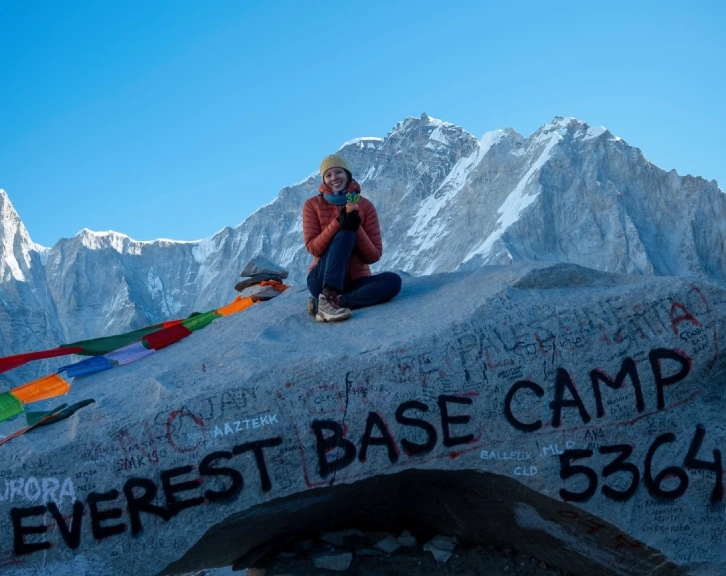
Today you will be hiking to the Everest base camp. Slow pace and gradual ascend you will cross the 5000m marker today. Stopping at Gorak Shep to leave your heavy belongings you will climb to the base camp and you will find yourself at the foot of the world's highest mountain. A tents settlement for the Mount Everest climbers, there lies a marking point of a huge boulder for the Everest basecamp. After you will return back to the Gorak Shep through the same route for the stop of the hike.
Maximum Altitude: Everest Base Camp (5,364 m / 17,598 ft)
Meal: Breakfast, Lunch & Dinner
Trek Duration: 6-7 hours
High chances of altitude sickness in climbing EBC, Kala Pathar and Lobuche peak, strictly moniter you health any sign of sickness, headaches, nausea and dizziness should be immediately be reported to the Guide before it gets severe.
Today’s hike will be for the amazing view point of Kala Patthar. The stunning panoramic view of Mount Everest and other surrounding mountains is visible from this point. Walk begins with a steep ascent through the rugged mountainous route to the climb to the view point. Pace will be slow walk, shorter distance but high on elevation making the climb challenging. But reaching this point is very worth it as the closest and unobstructed view of the world's highest mountain can be seen from this point. Soaking the views you will return the same way back to Gorak shep and collect your belongings then hike down to the Lobuche base camp. Preparation for the technical part of the trip at Lobuche Base Camp.
Maximum Altitude: Kala Pathar (5,545 m / 18,192 ft)
Meal: Breakfast, Lunch & Dinner
Trek Duration: 6–7 hours
Equipped with mountaineering gear you will head toward the steep climb to begin the day 10. Today will be the first climb to summit the Lobuche peak after acclimatizing your body the previous day. The risk of altitude sickness is lower however any symptoms are strictly not to be ignored and immediately reported. In a slow pace you will climb the rugged mountainous path to the Lobuche high camp, a tented camp en route to lobuche peak.
Maximum Altitude: Lobuche High Camp (5,400 m / 17,717 ft)
Meal: Breakfast, Lunch & Dinner
Accommodation: Tented Accommodation
Trek Duration: 3–4 hours
Today is the final push to climb the summit of Lobuche East. Early in the morning, you will start your climb to ascend the high, rocky, snow-covered path. Your alpine challenge begins with a steep rock scramble up to Crampon Point. Transitioning onto the glacier, you will clip into fixed safety lines to ascend grueling 45c to 50c snow and ice slopes. Moving systematically using your ice axe and jumar, you will push through the freezing air to the exposed false summit ridge. The summit rewards you with unforgettable views of Everest, Lhotse, Nuptse, and Ama Dablam before you carefully descend back to Base Camp.
Maximum Altitude: Lobuche East peak (6,119 m / 20,075 ft)
Meal: Breakfast, Lunch & Dinner
Trek Duration: 8–10 hours
Achieving your goal of the trip you will start the day by descending back through the same route joining the main trail, taking in the views for the last time you will descend to the stop of the day Pangboche. Descend will be quicker, reaching the Pangboche early you will have proper rest after reaching lower altitude. You will be staying in the teahouse with a proper bed rest for the next day.
Maximum Altitude: Lobuche Base Camp (4,950 m / 16,240 ft)
Meal: Breakfast, Lunch & Dinner
Trek Duration: 5-6 hours
Similar to the previous day, descending will be quicker. The day begins with descending the main trail to reach Namche Bazaar. Reaching Namche you will have various options for food and accommodation. Modern amenities such as better hotels, bars, bakeries etc can be enjoyed on your way back.
Altitude: Namche Bazaar (3,440 m / 11,283 ft)
Meal: Breakfast,Lunch & Dinner
Trek Duration: 5–6 hours
Today will be the final day of the walk. Reflecting on the trip you will begin the final descending walk through the same forest path to Lukla. Completing the summit you will have stories to share with friends and family. This trip will be an achievement for your lifetime. Today you will reach the final destination on foot in Lukla.
Altitude: Lukla (2,860 m/9,383 ft)
Meal: Breakfast, Lunch & Dinner
Trek Duration: 6–7 hours
On the Final day of the trip you will take a flight to Kathmandu or Ramechap depending on the flight. On the flight, a scenic view of the amazing terrain of Himalayas is visible. On your flight remember the journey along with the interaction with locals and fellow trekkers will create the memory that will last you forever. As you get to Kathmandu you will be transferred to your hotel. Our company will host a farewell dinner appreciating our journey together and also provide the trip completion certificate for you to remember the journey and our bond on the trip.
Altitude: Kathmandu (1,400 m / 4,600 ft)
Meal: Breakfast & Dinner
Flight Duration: 30-35 minutes
Looking at other options?
Compare this trip with our other itineraries.
Mera Peak 12 Days
- Day 1 Flight to Lukla & Trek to Chutanga (3,430m)- 25 to 30 minutes flight & 4-5 hour hike. Overnight stay at tea houses in Chutanga.
- Day 2 Trek from Chutanga to Thuli kharka/chatra (3900m) la via zwatra la pass (4610m)- 6 to 7hrs hike. Overnight stay at tea houses in Thuli Kharka/Chatra la.
- Day 3 Trek from Thuli Kharka to Kothe (3691m) - 5 to 7hrs hike. Overnight stay in a traditional lodge at Kothe.
- Day 4 Trek from Kothe to Thaknak (3600m)- 4 to 5hrs hike. Overnight stay at Thaknak in a teahouse.
- Day 5 Trek from Thaknak to Khare(5,045m)- 4 to 5hrs hike. Overnight stay at khare in a teahouse.
- Day 6 Acclimatization day at Khare (5,045m). Overnight stay at khare in a teahouse.
- Day 7 Trek from Khare To High Camp (5780m)- 4 to 6hrs hike. Overnight stay at a high camp in a tent.
- Day 8 Submit Mera Peak(6476m) and return from high camp to Khare- 10 to 10hrs hike. Overnight stay at khare in the teahouse.
- Day 9 Trek from Khare to Kotha(3691m)-4 to 5hrs hike.over night stay at teahouse in kotha.
- Day 10 Trek from Kotha to Thuli Kharka/Chatra la(4600m)- 6 to 7hrs hike. Overnight stay at Thuli Kharka in the teahouse.
- Day 11 Trek from Thuli Kharka to Lukla(2860m)- 7 to 8hrs hike. Overnight stay at lukla in the teahouse.
- Day 12 Fly back from Lukla to Kathmandu (1,400m)- 25-30 min Flight.
Island Peak 18 Days
- Day 1 Kathmandu Arrival (1,400m) - 30 to 45 minutes drive. Overnight stay at the 3 star hotel in Kathmandu.
- Day 2 Kathmandu Sightseeing (Visit Historical sites of Kathmandu)- 3 to 4 hour drive. Overnight stay at the 3 star hotel in Kathmandu.
- Day 3 Fly to Lukla (2,860m) & Trek To Phakding (2,610m)- 25 to 30 minute flight & 3 to 4 hour trek . Overnight stay at a Tea house in Phakding.
- Day 4 Trek from Phakding to Namche Bazar (3,440m)- 5 to 6 hour trek. Overnight stay at the tea house in Namche Bazar.
- Day 5 Acclimatization day at Namche Bazar (3,440m). Overnight stay at the tea house in Namche bazar.
- Day 6 Trek from Namche Bazar To Tengboche (3,860m) - 5 to 6 hours. Overnight stay at the tea house in Tengboche.
- Day 7 Trek from Tengboche to Dingboche (4,410m) -6 to 7 hours. Overnight stay at the tea house in Dingboche.
- Day 8 Acclimatization day at Dingboche (4,410m) - 6 to 7 hours (Optional hike to Nangkartshang Peak (5,083m). Overnight stay at the tea house in Dingboche.
- Day 9 Trek from Digboche to Lobuche (4,940m) - 5 to 6 hours. Overnight stay at the tea house in Lobuche.
- Day 10 Trek Lobuche To Gorakshep (5,164m) & Hike to Everest Base Camp (5,364m) - 6 to 7 hours. Overnight stay at the tea house in Gorakshep.
- Day 11 Climb Kala Pathar(5,545m) & Trek back to Chhukung- 6 to 7 hours Overnight stay at the tea house in Chhukung.
- Day 12 Trek Chhukung To Island Peak Base Camp (5,200m) - 5 to 6 hours. Overnight stay at the tent in Island Peak Base Camp.
- Day 13 Summit Island Peak (6,189m) & Back to Base Camp - 8 to 10 hours. Overnight stay at the tent in Island Peak Base Camp.
- Day 14 Trek from Island Peak Base Camp to Pangboche (3,930m) - 5 to 6 hours. Overnight stay at the tea house in Pangboche.
- Day 15 Trek Pangboche To Namche Bazar (3,440m)- 6 to 7 hours. Overnight stay at the tea house in Namche Bazar.
- Day 16 Trek Namche Bazar To Lukla (2,860m)- 6 to 7 hours. Overnight stay at the tea house in Lukla.
- Day 17 Flight from Lukla to Kathmandu (1,400m) - 25 to 30 minutes. Overnight stay at the 3 star hotel in Kathmandu.
- Day 18 Departure from Kathmandu- 35 to 45 minutes. Breakfast included.
Lobuche East Peak Climbing Package
Trip Includes:
Accommodation
- Sharing guesthouse accommodation during the trek for 13 nights in Everest Region.
- Tented camp accommodation and all meals during the 1–2 night stay at Lobuche High Camp, where climbers can expect shared twin-share tents,
Camp Facilities: Fully equipped dining tents, kitchen gear, dining tables, chairs, and toilet tents for basic mountain comfort.
Meals & Drinking Water
- All your standard meals during the trek (15 Breakfasts, 14 Lunches and 15 Dinners)
- Fresh seasonal fruits each day after dinner during the trek.
- A farewell dinner on the last night in Nepal.
- Purified drinking water during the trek using a water filter or water purification tablets.
Transportation & Flight
- Domestic airport transfers on a tourist vehicle.
- Round-trip airfare between Kathmandu/Manthali and Lukla.
- Kathmandu – Manthali – Kathmandu transportation by shared tourist vehicle.
Guide and Staff
- Experienced, first-aid trained, government licensed, English speaking, and locally recruited Mount Elegance trekking guide (2 guides for group size more than 8 people).
- Climbing Sherpa guide for Lobuche East peak submission from Lobuche Base Camp, 1 Climbing sherpa guide for 2 trekkers and sherpa increases according to group size.
- Porters during the trek for carrying luggage (1 porter for every 2 clients).
- Wages, accommodation, meals, gear, insurance and medications for all staff.
Lobuche East Peak Permits
- Lobuche East Peak Climbing permit.
- Sagarmatha Barun National Park Permit.
- Pasang Lhamu Rural Municipality fee.
- TIMS (Trekkers’ Information Management System) card.
Equipment and Takeaways
- 1 Mount Elegance duffel bag and Sleeping Bag (Should be returned after trek Completion)
- Climbing equipment (Ice hammer,climbing rope, ice screw and snow bar)
- Mount Elegance Complimentary Tshirt, Cap and Route Map.
- A comprehensive first aid kit, including an Oximeter to check pulse and oxygen levels daily in the mountains.
- Trip completion certificate.
Administrative & Taxes
- All administrative expenses and government taxes.
Trip Excludes:
- Accommodation and Transportation for International transfer in Kathmandu.
- Lunch and dinner in Kathmandu.
- International flight fare and airport departure tax.
- Nepal Entry Visa (Visa can be acquired easily after your arrival at Tribhuvan International Airport in Kathmandu with a fee of USD 30 for 15 days visa, USD 50 for 30 days visa, and USD 125 for 90 days visa).
- Travel insurance with high-altitude emergency evacuation coverage.
- Any beverages, including bottled and boiled water.
- Tips to trekking staff and drivers.
- Personal trekking gear and equipment.
- Any expenses other than the Price Include section.
Departures
Map and Elevation

Altitude Chart

Packing & Gear List for Lobuche Mountain
Trekking in Nepal is an incredible adventure, taking you through diverse landscapes, from lush forests to rugged mountain trails. To fully enjoy the experience, it’s crucial to pack the right equipment. Here’s an essential checklist to help you prepare for your trek, ensuring you’re ready for the challenges and beauty of the Himalayas.
1. Clothing
- Base Layers: Moisture-wicking base layers (thermal tops and bottoms) are essential for regulating your body temperature. Opt for lightweight, breathable materials.
- Mid Layers: Fleece jackets or lightweight down jackets provide warmth in colder temperatures. These layers should be easy to add or remove as needed.
- Outer Layers: A waterproof and windproof jacket is essential to protect against rain, wind, and snow. Make sure it’s breathable to stay comfortable during strenuous activities.
- Trekking Pants: Lightweight, quick-drying pants are ideal. Consider packing thermal pants for colder regions or seasons.
- Gloves, Hats, and Buffs: Warm gloves, a woolen hat, and a buff or neck gaiter help protect against the cold at high altitudes.
- Trekking Socks: High-quality, moisture-wicking socks (at least three pairs) are crucial to prevent blisters and keep your feet dry.
2. Footwear
- Trekking Boots: Sturdy, well-fitted, and waterproof trekking boots with good ankle support are essential. Break them in before your trek to avoid blisters.
- Sandals or Camp Shoes: Lightweight sandals or camp shoes for relaxing at tea houses or lodges after a long day of trekking.
3. Backpack and Storage
- Daypack (20-30 liters): A small, comfortable daypack with rain cover to carry essentials like water, snacks, camera, and extra layers.
- Duffel Bag (60-80 liters): For your main gear, use a durable, waterproof duffel bag that will be carried by porters.
- Dry Bags or Ziplock Bags: For protecting electronics, documents, and clothes from moisture.
4. Trekking Gear
- Trekking Poles: Adjustable trekking poles reduce the strain on your knees, especially during steep descents.
- Headlamp with Extra Batteries: Essential for early morning starts, late finishes, or use in lodges where electricity may be limited.
- Water Bottles and Purification: Carry reusable water bottles and purification tablets or a water filter to ensure safe drinking water.
- Sleeping Bag: A four-season sleeping bag rated for temperatures as low as -10°C to -15°C is recommended for high-altitude treks.
5. Health and First Aid
- Personal First Aid Kit: Include essentials like band-aids, antiseptic wipes, blister treatment, pain relievers, and any personal medications.
- Sunscreen and Lip Balm: High SPF sunscreen and lip balm are essential to protect against strong UV rays at high altitudes.
- Hand Sanitizer and Wet Wipes: Useful for maintaining hygiene when water is limited.
- Altitude Sickness Medication: Consult your doctor about medications like Diamox for preventing altitude sickness.
6. Personal Items and Extras
- Snacks and Energy Bars: Pack lightweight, high-energy snacks for a quick boost on the trail.
- Sunglasses with UV Protection: Essential for protecting your eyes from the intense sunlight and snow glare at high altitudes.
- Camera or Smartphone: To capture the breathtaking scenery. Don’t forget extra batteries or a portable charger.
- Personal Toiletries: Include biodegradable soap, toothbrush, toothpaste, and a small towel.
- Cash: Carry enough local currency for expenses along the trail, as ATMs are not available in remote areas.
7. Documents
- Passport and Visa: Carry your passport, visa, and photocopies in a waterproof pouch.
- Permits: Obtain trekking permits such as the TIMS card and national park or conservation area permits, depending on your route.
- Travel Insurance Details: Ensure you have comprehensive travel insurance covering high-altitude trekking, emergency evacuations, and medical expenses.
Final Tips
- Pack Light: Try to keep your backpack under 10-15 kg. The lighter your pack, the more enjoyable your trek will be.
- Layer Up: Layering is key for comfort in Nepal’s changing weather conditions. Bring versatile clothing that can be easily added or removed.
- Double-Check Your Gear: Before you set off, double-check that you have all the essentials. Missing a crucial item could make your trek less comfortable or even dangerous.
Why choose Lobuche Peak Nepal for climbing?
- A Real Himalayan Climbing Adventure: Lobuche Peak gives you the chance to experience a real Himalayan trek. You will walk across glaciers, using climbing gear, and reach a stunning summit. It is an excellent choice for trekkers who want to take their first step in mountain climbing
- Well-Planned Acclimatization for a Safer Climb: The itinerary includes enough time to understand the higher altitude before climbing. This helps your body adapt slowly and lowers the risk of altitude sickness, which gives you a chance to reach a comfortable state of physical and mental health.
- Amazing Mountain Views and Natural Beauty: The climb rewards you with amazing mountain views of Mt Everest, Lhotse, Nuptse, Ama Dablam, and many other peaks. While being on the trails, you will experience a peaceful Sherpa village, glaciers, and rugged mountain landscape.
- Easy Planning and Reliable Trek Support: Most trekking agency packages include an experienced guide, permits, accommodation, meals, and climbing equipment support. This allows you to focus on your trek journey while your guide and trekking agency will take care of planning and the safety of your trekking journey.
Best Season for Lobuche Peak Climbing in Nepal
The best season for Lobuche Peak climbing in Nepal is Autumn( September-November), which offers stable weather, clear mountain views, dry trails, and good climbing conditions, making it the most popular season for Lobuche Peak climbing. Spring (March-May) brings mid temperature, blooming rhododendrons, longer daylight hours, and generally stable weather, creating ideal conditions for trekking and climbing Lobuche.
Autumn (September – November)
Autumn is a great time to climb Lobuche Peak; the weather is usually clear, and the trekking trail is dry, making the routes easier to walk. You can enjoy the view of the mountain peak almost every day. This gives climbers a safer and more comfortable experience.
Spring (March – May)
Spring is one of the best times to climb Lobuche Peak, as the weather is warm and stable, the skies are often clear, and you can also see Rhododendron in the trekking trail, making your journey more exciting and memorable.
Preparation for Lobuche East Peak Climbing
Physical Fitness
To climb Lobuche peak, you should be physically fit and able to walk for 6 to 8 hours a day on steep and uneven trails. Regular simple exercises, hiking, short running, and workouts before your trek will help build your strength as good fitness makes the climb easier and more enjoyable, especially at higher altitude.
Acclimatization
When you reach a higher elevation your body must need enough rest to adjust according to height while climbing.Taking proper rest is very necessary this helps to reduce the risk factor of altitude sickness so your trek journey can be more comfortable and safe.
Climbing Experience
Having previous climbing experience can be useful but it's not necessary, having some knowledge and with the help of an experience guide you can reach submit without any hassle. Listening to your guide is very necessary during lobuche climbing.
Mental Preparation
Mental preparation is as necessary as physical fitness, staying positive, being prepared to walk for a long period, and for cold weather conditions. Having a calm mindset during the Lobuche trek is essential to handle challenging situations.
Hydration
Staying hydrated during the trek is very necessary, as drinking plenty of water can reduce the risk of altitude sickness. As you reach higher elevations, your body needs to adjust itself to the environment at peak elevation. Drinking 3-4 liters of water is recommended.
Medication
Carry your regular medicine as well as prepare a small first aid kit. Consulting with your doctor before the trek is necessary if you are on any medication. Carrying altitude sickness tablets can be helpful. Inform your guide if you feel any unusual symptoms to avoid risk factors.
Diet
A proper diet is very important to prepare yourself for lobuche peak trek. Eating food that gives you proper energy is very necessary like rice, whole grain, potatoes, egg, chicken, fish helps build your energy and repair your muscles. Drink at least 2-3 liters of water everyday before trek and increase intake of water during your trek to stay hydrated which also helps you reduce risk of altitude sickness.
Pace yourself
Climbing slowly without any hassle walking too fast at higher elevation can make you feel more tired and also can increase the risk of altitude sickness. Take a short break whenever you want. In this situation it's very important to listen to what your body wants. Keeping a comfortable rhythm throughout the trek your body needs to adjust to a new elevation.
Climbing Difficulty of Lobuche East Peak
Lobuche Peak Climbing is considered a bit difficult and is recommended as the first Himalayan trekking peak. The trek involves walking on glaciers and you can use basic mountaineering equipment. While the technical sections are straightforward with good physical fitness with proper acclimatization and guidance from experienced climbing guides are essential for a safe and successful summit.
Altitude and safety
As climbing, the lobuche peak reaches a maximum altitude where the thin air makes proper acclimatization essential. Your itinerary includes altitude gain and acclimatization days to reduce the risk of altitude sickness so experienced climbing guides monitor your condition throughout the journey while quality safety equipment, weather assessments, and emergency evacuation support help ensure a safer and more confident climb.
Acute Mountain Sickness (AMS)
Acute Mountain Sickness is a common risk while climbing Lobuche Peak due to its high altitude as early symptoms include headache, nausea, dizziness, loss of appetite, and difficulty sleeping. Prevent AMS by ascending gradually, drinking plenty of water, staying hydrated, avoiding alcohol, eating nutritious meals, and taking rest days.
High-Altitude Pulmonary Edema (HAPE)
High-Altitude Pulmonary Edema is a serious condition that can develop during a Lobuche Peak climb if your body struggles with the thin air. It often begins with shortness of breath even while resting along with a cough, chest tightness, and extreme weakness. Immediate descent and medical treatment are essential as HAPE can become life-threatening if ignored.
High-Altitude Cerebral Edema (HACE)
High-Altitude Cerebral Edema is a rare but dangerous condition that can occur during a Lobuche Peak climb when the brain swells because of high altitude. Warning signs include severe headache confusion, loss of balance, slurred speech, and unusual behavior if these symptoms appear immediately and seek urgent medical help without delay.
Emergency Evacuation
Emergency evacuation may be needed if a climber develops serious altitude sickness, breathing problems, chest pain, confusion, unconsciousness or a serious injury so do not ignore these warning signs inform your guide immediately and descend or arrange helicopter evacuation as quickly as possible to receive proper medical care.
Why choose Mount Elegance for the Lobuche East Peak climbing?
We focus on the safety of our guests. Our first priority is our guest comfortness we do not include any hidden price. Our package prices are honest from your arrival in Nepal until your return. Our team promises to be with you 24/7 to make your lobuche east peak trek smooth, safe and memorable.
- We put your safety and comfort zone first with experienced guides. We make sure you enjoy every trail with motivation, strength and memory. Flexible support is provided whenever you want to listen to your words.
- We plan every trip carefully without any hassle according to our guest preference providing proper accommodation facilities giving our guests clear information regarding the trek about lobuche peak and the uneven trekking trails.
- Our guide holds years of experience in lobuche climbing having proper communication skills with proper knowledge on safety and precaution about the trekking trail of lobuche peak weather condition and are well trained to keep you safe during the lobuche peak climbing journey.
- We guarantee the departure even if your group size is small once your trip is confirmed you do not need to worry about climb cancellation just because there are not enough participants.
- If you don't have high altitude gear, you can rent a warm down jacket as we provide you with a good quality sleeping bag from our company. Our equipment is clean, sanitized and reliable for cold mountain conditions.
- Our team will always be with you 24/7 throughout your trek if you face any difficulties or any emergency we quickly respond and arrange the right support according to the situation including medical help or helicopter evacuation if needed.
- Our booking system for lobuche is very simple and easy choose your departure date confirm your seat with a deposit and our team will guide you through every step until your adventure begins
Lobuche East vs Lobuche West
Feature | Lobuche East | Lobuche West |
Elevation | 6,119 meters (20,075 ft) | 6,145 meters (20,161 ft) |
Classification | NMA Trekking Peak | Government Expedition Peak |
Difficulty | Slightly Difficult | Fairly Difficult |
Permit Cost | $125 – $350 USD (Cheaper, NMA) | $1,000+ USD (Strict Expedition Rules) |
Crowds / Traffic | High (Very popular) | Extremely Low (Rarely attempted) |
Ideal For | Motivated beginners & intermediates | Seasoned high-altitude mountaineers |
Lobuche East vs Island Peak Climbing
Feature | Lobuche East | Island Peak (Imja Tse) |
Elevation | 6,119 meters (20,075 ft) | 6,189 meters (20,305 ft) |
Trek Route | Standard Everest Base Camp trail | EBC trail, then detours into Chhukung Valley |
Summit Day Style | Sustained alpine climbing from start to finish | Long glacier walk followed by a steep headwall |
Summit View | Direct, face-to-face look at Everest & Lhotse | Incredible framing of the massive South Face of Lhotse |
Crowds | Moderately crowded | Highly popular / Often very busy |
Essential Information
Guide and Porter
Our representative will be experienced and Government-licensed and elite climbing Sherpas to manage navigating, safety, and fixed ropes. In addition, local porters carry your heavy luggage at a 1:2 ratio (one porter for two people). Each porter carries about 20–25 kg. We take care of our employees by giving them insurance, salaries, meals, and high-altitude equipment.
Visa and Permit
The Nepalese visa can be obtained on arrival at the Kathmandu airport ($30 for 15 days and $50 for 30 days). In addition to visas, we also take care of all other permits you may need for the expedition. Here is a list of permits that are mandatory and included: The NMA Mera Peak climbing permit for foreign climbers ($350 for spring and $175 for autumn), the Makalu-Barun National Park permit, and the local Khumbu municipality entry tax.
Personal Expenses
You should budget $15–$25 per day in cash for personal expenses. Hot showers cost $4–$7, electricity charging is $3–$5, and Wi-Fi runs $7–$15 per night. Mineral water in the mountain village costs $4. Moreover, you have to prepare about $250–$400 for crew tips.
Booking Terms and Payment
We advise booking flights in advance as there are limited, seasonal seats for the Lukla airport (3–6 months ahead). A deposit of 10% is needed to reserve the slot. The remaining balance can be transferred via bank deposit or paid in cash/credit during your arrival in Kathmandu for the pre-trip briefing.
Other Transportation
Our organization provides private airport transfers in Kathmandu. The package includes round-trip domestic flights from Kathmandu/Ramechhap to Lukla. Note the airline baggage restriction of 15 kg (10 kg checked, 5 kg carry-on). We also recommend leaving a few extra buffer days for possible weather delays.

FAQs
General Information
Lobuche east is a popular trekking peak with straight forward routes making it easy for climbers with basic mountaineering skill where as lobuche west is more techical, steeper and requires climbing experience which is more in challanging side.
No, you do not need previous climbing experience for Lobuche East Peak, but it can be helpful if you have previous experience, as good fitness guidance from an expert guide is enough to climb Lobuche Peak
No, you cannot climb Lobuche East solo; you require a licensed guide for safety and permit purpose route support and as well as in case of emergency situation.
The weather in Lobuche East is unpredictable as it changes from clear skies to snowy and strong winds with poor visibility within an hour.
Preparation and Fitness
You need to have a good level of fitness, as regular simple exercise, walking, or jogging can help you for you long walking days in lobuche trail.
Improve your fitness, stay hydrated, walk at steady pace, follow a proper schedual avoiding smoking and alcohol can help you prepare for high altitude.
Walking, jogging, hiking with your backpack, squatting, push-up are the best exercises to train for the climb to Lobuche Peak.
Staying positive and motivated with a few simple regular exercises, yoga, and drinking enough water for hydration can be very helpful to prepare yourself mentally and physically for the climb.
Health and Safety
Do not rush while going in higher elevation , walk slow stay hydrated as much as possible listing to your expert guide advice can be very helpful to prevent altitude sickness during the climb.
Yes, altitude sickness can be a serious problem on the Lobuche East Peak climb if not informed about your unusual symptoms to your expert guide, taking proper precautions on time is necessary.
Taking proper sleep, having a short break whenever needed on the trail, and eating meals that provide your energy, staying hydrated as much as possible, can help you be fit and healthy during the trek.
Permits
Lobuche east peak climbing permit, sagarmatha national park entry permit and khumbhu pasang lhamu rural municipility permit are the permits that are needed for Lobuche east peak climb.
Yes, for Lobuche Peak Climb, permits are arranged through a registered trekking agency in Nepal, and a licensed guide is generally required. Most agencies handle all permit paperwork before your trip begins.
Yes, most lobuche Peak climbing packages include all required permit fees. However, it's always a good idea to confirm with your trekking agency what is included before booking.
No, the standard Lobuche Peak climbing permits are for Lobuche East only Lobuche West (Main Peak) requires a separate climbing permit and has different regulations, as it is an expedition peak.
Insurance and Visa
You can get a Nepal tourist visa on arrival at Tribhuvan International Airport in Kathmandu or You can also apply in advance through a Nepalese embassy or consulate make sure your passport is valid carry passport sized photos and the visa fee.
A passport valid for at least six months and a completed arrival/visa application form, one recent passport-sized photo is recommended, and an applicable visa fee are the documents that are needed for visa on arrival in nepal
Your travel insurance should cover high-altitude trekking and climbing, emergency helicopter evacuation, medical treatment, trip cancellation, and personal accident. Check your policy that covers the maximum altitude of the Lobuche Peak climb.
Yes, if your policy includes high-altitude emergency evacuation, it usually covers helicopter rescue costs. Always check the policy's altitude limit and coverage details before your trip.
Guides and Support
Yes. Before the summit climb, your guides provide basic training on using climbing gear such as crampons, an ice axe, harness, ropes, and safety techniques to help you climb confidently.
A porter carries your main backpack and trekking gear, allowing you to walk more comfortably. They usually carry 15-20kg for two , following safe and responsible weight limits.
Yes,trekking agencies provide insurance coverage for their guides and porters, including accident and emergency medical coverage during the trek and climb.
Guides monitor your condition daily, recognize early signs of altitude sickness, provide first aid, adjust the itinerary if needed, and arrange immediate descent or helicopter evacuation in serious emergencies.
Accommodation
Yes, private rooms are available at some teahouses, especially at lower elevations however, availability becomes limited at higher altitudes, so shared rooms are common.
Accommodation at base camp and high camp is usually in shared tents. Tents are basic but comfortable, with sleeping arrangements, dining tents, and meals provided by the climbing crew.
Yes, meals are usually included with the accommodation during the trek most climbing packages provide with breakfast lunch and dinner throughout the trip.
Yes, wi-fi and charging are available at many teahouses along the trek, but they can cost extra, and services become less reliable at higher altitudes due to limited power and network coverage.