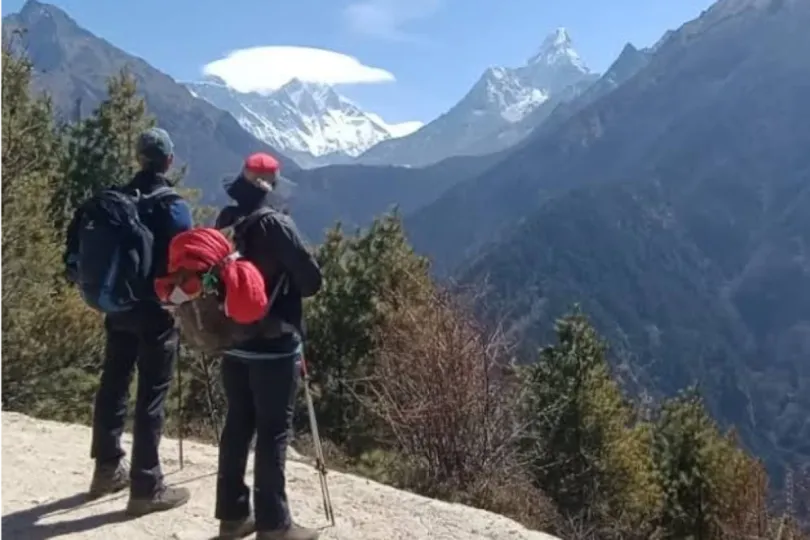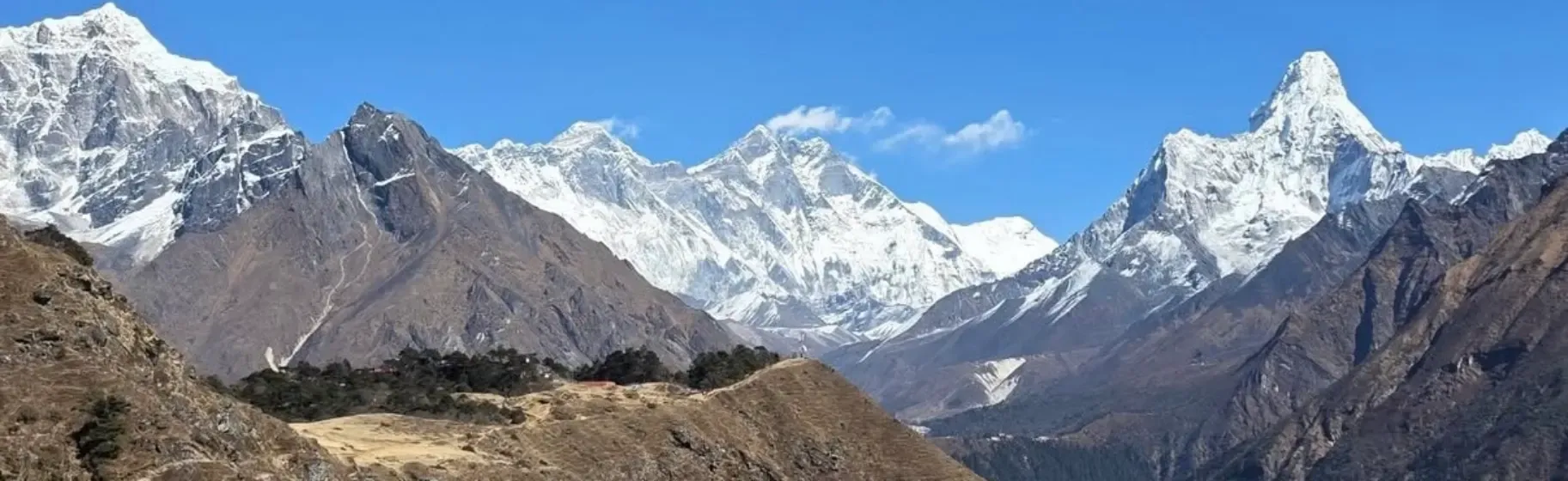

Everest Base Camp Trek in July sits right in the peak of monsoon season - offering quiet, lush and budget-friendly making this time a great experience to attempt this incredible journey, best suited for adventurous, flexible trekkers rather than first-timers seeking guaranteed clear views.
Daily weather typically follows a predictable pattern, with rain arriving in the evening and night while mornings often remain clear, though temperatures and conditions vary considerably by elevation. Trails present real challenges too, including mud, leeches and mosquitoes at lower altitudes - occasional landslides, tricky river crossings, and the possibility of flight delays into Lukla. Still, July isn’t without its rewards offering - fewer crowds, off-season discounts, and lush, vividly green scenery across the Khumbu region.
The month also coincides with unique cultural moments, including Saune Sankranti, Dumji, Ghanta Karna and rice-planting celebrations known as Ropai Jatra. This guide covers everything from packing and fitness prep to whether July truly suits your trekking goals.
What Is the Everest Base Camp Trek in July Like?

The Everest Base Camp trek in July falls squarely within peak monsoon month conditions across Nepal, and considered the off-season for EBC trekking by most experienced guides. However, the reality on the ground isn’t quite as scary as it might sound at first, since rain is mostly evening/nighttime not continuous daytime rain meaning trekkers often get workable walking windows during daylight hours before clouds roll back in later on.
The trek still follows the familiar route through the Khumbu region and Sagarmatha National Park starting with a flight into Lukla just as in all seasons. With proper preparation, an experienced guide and the right monsoon gears the trek remains entirely doable even during this challenging stretch of monsoon season. It simply demands more flexibility and realistic expectations than trekking during peak autumn or spring months.
What Is the Weather and Temperature Like at Everest Base Camp in July?
The weather at Everest Base Camp in July is defined by fairly predictable daily rainfall mostly at night and evening; morning usually remains clear - starting the treks early gives trekkers a reliable window to cover ground before the sky is covered in clouds in the afternoon. Day time temperature reach up to ~17°C at lower elevation offering warm and humid condition in villages like Lukla and Phakding, while nighttime can drop to -4°C/-5°C at higher camps creating a striking contrast between daytime warmth and nighttime chill as you gain altitude.
Interestingly, rainfall decreases with the elevation above 4000m, meaning the higher stretches often stay drier than the lush, rain-soaked lower villages, even during the height of monsoon season. This creates a somewhat predictable pattern where trekkers can escape heaviest rain simply by climbing higher into the mountains.
Location | Elevation | Avg Temp | Min (Night) | Max (Day) |
Lukla | 2,860 m | 14.7°C | 8°C | 17°C |
Namche Bazaar | 3,440 m | 11°C | 5°C | 15°C |
Dingboche | 4,410 m | 8°C | 0°C | 12°C |
Lobuche | 4,940 m | 6°C | -3°C | 9°C |
Gorak Shep | 5,180 m | 5.3°C | -5°C | 7°C |
What Are the Trail Conditions and Challenges in July?
Trail conditions in July are shaped mainly by four recurring challenges: mud, insects, landslides and river crossings and flight delays, each demanding a bit more patience and preparation than trekking during peak seasons. These factors combine to make the July trek noticeably more physically and logistically demanding than an autumn or spring attempt. The sections below break down each of these challenges in greater detail.
Why Are There Leeches, Mosquitoes and Muddy Trails in July?

Leeches, mosquitoes and mud appear in July because the season’s heavy, consistent rainfall creates warm, damp conditions that these pests and slippery terrain thrive in, particularly across the lower, forested sections of the trail. As trails soften and turn slick underfoot, firm-grip boots and trekking poles become genuinely essential for maintaining balance, genuinely essential for maintaining balance on muddy, uneven sections. Meanwhile, leeches and mosquitoes stay especially active in these humid forested lower sections, making it wise to carry insect repellent and table salt for leeches, both practical tools for keeping bites and attachments to a minimum. Trekkers should also check shock/shoes regularly on wet, forested stretches, catching any leeches early before they attach and cause irritation.
What Causes Landslides, River Crossings and Flight Delays in July?
Landslides and flight delays happen in July because monsoon rains saturate steep slopes occasionally triggering minor landslides or trail washouts, particularly along exposed or unstable sections of the route. Rivers also swell considerably during this period and small bridges are riskier during monsoon, requiring extra caution when crossing swollen streams that can rise unpredictably there challenges too, since Lukla flights are frequently delayed or cancelled due to fog/rain, a persistent issue given the safe landings. Given these combined risks most experienced trekkers strongly recommend building 2-3 buffer days into any July itinerary ensuring enough flexibility to absorb weather-related setbacks without jeopardizing the overall trip schedule.
What Are the Benefits of Trekking Everest Base Camp in July?
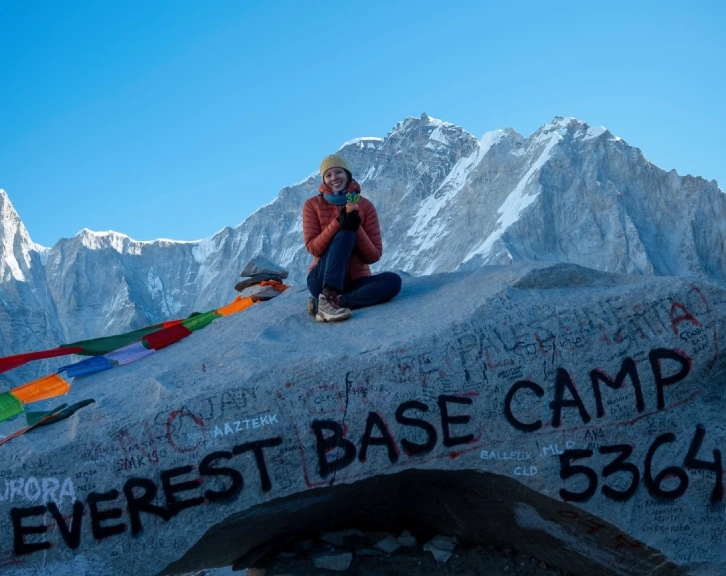
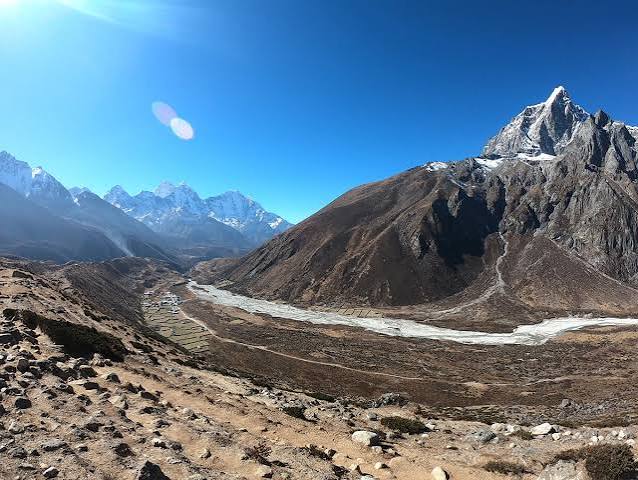
The benefits of Trekking Everest Base Camp in July come down to fewer crowds, discounts and lush green scenery, a genuine trade-off for enduring the monsoon rain. Trails stay noticeably empty compared to peak season, lodging and flights often come at reduced rates and the Khumbu region turns vividly green, offering a completely different visual experience from the dry brown landscapes typical of autumn and spring treks.
Why Are There Fewer Crowds and Peaceful Trails in July?

Trails are quieter in July because the month falls squarely within the monsoon season, when most trekkers avoid the route entirely in favor of the more predictable spring and autumn windows. As a result, July is statistically the quietest month on the EBC trail, giving those who do venture out a genuinely peaceful, uncrowded experience rarely found during peak periods. This clam extends into the evenings too, since teahouses and dining halls are calm, more one-on-one team with Sherpa hosts, allowing trekkers running the lodges. Without the usual rush of high-season crowds, conversations linger longer and the overall pace of the trek feels noticeably more relaxed and intimate.
Why Are There Off-Season Discounts on Flights and Accommodation?
Flight and accommodation cost less in July because demand drops sharply during monsoon season, prompting airlines and teahouse owners alike to lower rates in hopes of attracting the few trekkers still willing to brave the rain. Lukla flight fares and lodge rates often drop in the off-season, giving budget-conscious travelers a genuine opportunity to save compared to peak spring or autumn pricing. With fewer guests competing for rooms, it also becomes easier to negotiate rooms and get perks like free changing or hot showers, small comforts that carry real value at altitude. One trade-off worth noting, however, is that food prices can be higher since fresh supply is harder in monsoon, as poor weather and landslides occasionally disrupt supply routes into the region.
Why Is the Scenery So Lush and Green in July?

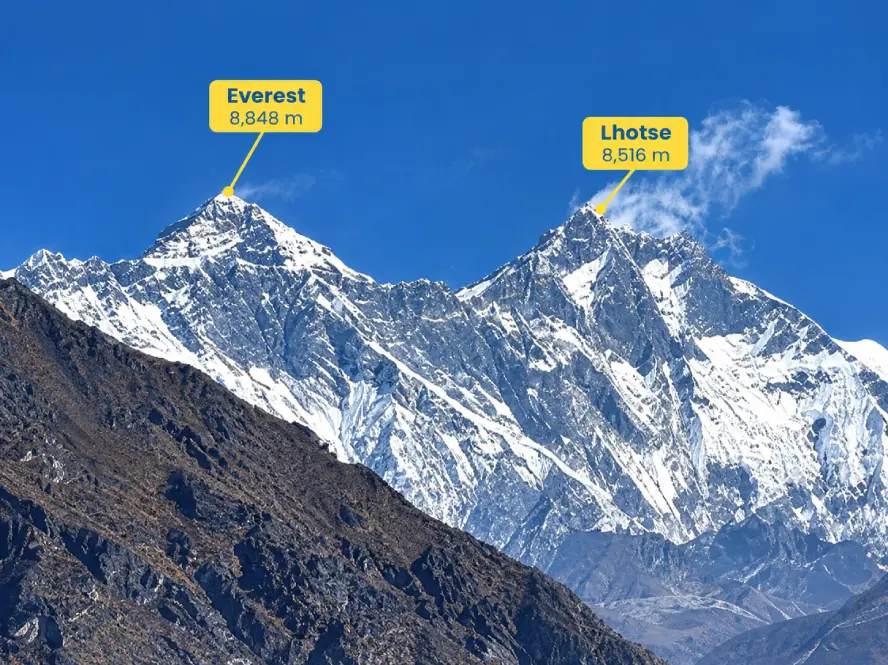
The Khumbu turns lush and green in July because the season’s steady rainfall nourishes hillsides and forests throughout the trail, transforming the landscape into one of the most vivid, colorful stretches of the year. Rain-washed air gives sharp early-morning mountain views before clouds build up, often rewarding early risers with brief but stunning glimpses of - Everest, Lhotse and Ama Dablam before afternoon cloud cover rolls in.
Beyond the peaks themselves the Khumbu Valley bursts with color at ground level too as blooming rhododendrons and wildflowers carpet the hillsides in shades of red, pink and purple. This combination of dramatic morning clarity and vibrant greenery gives July a distinctly different almost tropical character compared to the drier browner trails typical of peak trekking months.
What Festivals and Culture Can You Experience in July?
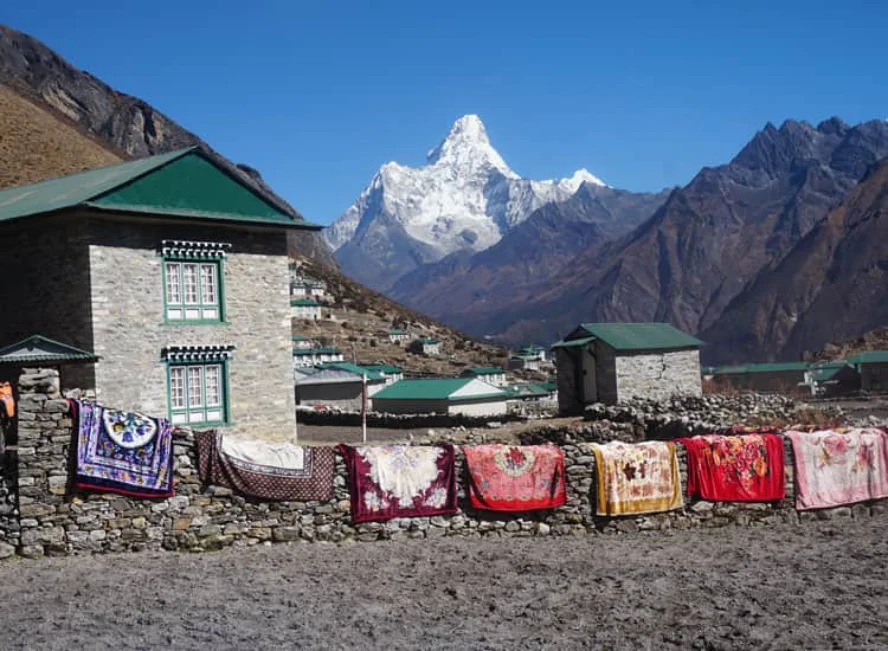
Trekkers in July may also get to witness a handful of unique cultural celebrations that rarely align with the busier spring and autumn trekking seasons offering a genuinely rare glimpse into Sherpa and Nepali traditions. These festivals add a rich cultural dimension to an otherwise quiet, rain-soaked trek, giving visitors a deeper connection to local life beyond the mountain scenery itself.
- Saune Sankranti - marking the first day of Shrawan, this festival involves ritual river baths for purification, along with the traditional preparation and sharing of Kwati soup, a mixed-bean dish believed to bring good health
- Dumji Festival - a vibrant Sherpa monastery celebration featuring masked dances and religious rituals, often held at Tengboche or Namche, honoring Guru Rinpoche
- Ghanta Karna - a symbolic festival involving the burning of a demon figure, representing the triumph of good over evil in local folklore
- Ropai Jatra - a lively rice-planting festival celebrated in Sherpa villages, marking the start of the monsoon farming season with music, mud, and community spirit
What Should You Pack for Everest Base Camp Trek in July?
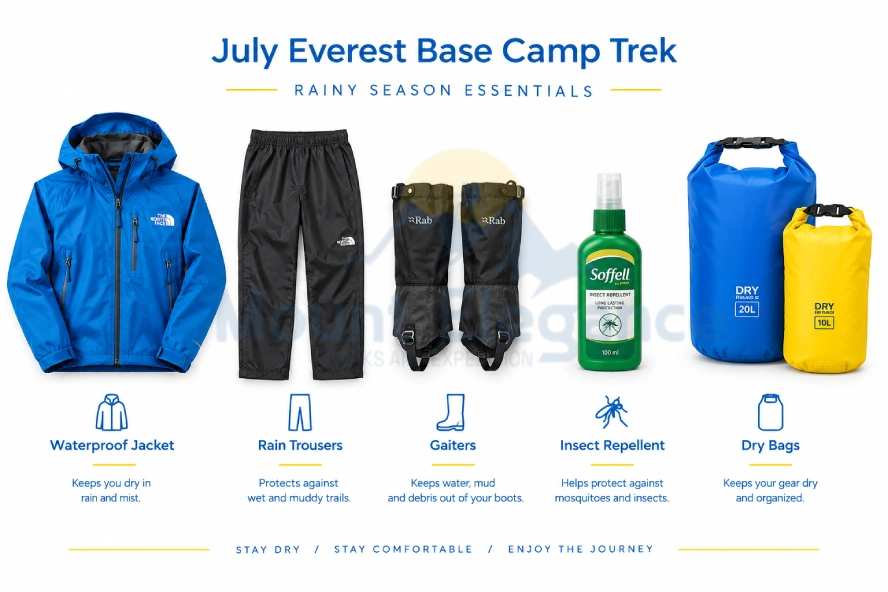
Packing for the July EBC trek means preparing for a genuinely different set of conditions than trekking during dry, clear seasons, since monsoon rain, humidity, and shifting temperatures all demand careful gear choices.
- Waterproof jacket, rain trousers, and backpack rain cover - essential for sudden downpours, especially common in the evenings
- Quick-dry trekking clothes - far more practical than cotton, which stays wet and uncomfortable for hours
- Fleece and down layers - necessary for cold nights, when temperatures drop sharply after sunset at higher elevations
- Waterproof boots with firm grip - helps navigate slick, muddy sections without soaked feet or lost traction
- Gaiters for mud - keeps debris and moisture out while crossing wet, uneven trail sections
- Insect repellent - protects against mosquitoes active in humid, lower-elevation forests
- Table salt for leeches - a simple, effective way to remove leeches picked up along wet, forested stretches
- Dry bags for electronics - protects phones, cameras, and other gear from unexpected rain exposure
- Sleeping bag rated to at least -5°C - ensures comfortable rest even as temperatures dip at higher camps along the route
How Should You Prepare Fitness-Wise for the July Trek?

Preparation for a July EBC trek starts with building a solid fitness foundation well before departure, since monsoon conditions add extra physical demands beyond what a typical autumn or spring trek requires. Getting this preparation right helps trekkers handle the added weight, slippery terrain, and unpredictable weather with far less strain along the way.
- Build cardio and leg/core strength - starting 2-3 months ahead gives the body enough time to adapt to sustained uphill walking and multi-day endurance demands
- Practice hiking with a loaded backpack - since monsoon gear adds weight, training with a similarly weighted pack helps condition the body for the actual trek load
- Train with trekking poles - practicing pole technique beforehand builds stability and confidence for navigating slippery, mud-covered terrain
- Schedule acclimatization days at Namche and Dingboche - proper rest and altitude adjustment remain essential regardless of season, helping reduce the risk of altitude sickness
With consistent preparation across these areas, trekkers can approach the July trek with greater confidence, better equipped to handle both the physical demands and the added challenges monsoon weather brings to the trail.
Why Do You Need a Guide or Porter in July?
A guide or porter matters even more in July, honestly, for both practical and safety reasons that hit harder during monsoon season. On the practical side, guides are required to obtain Sagarmatha National Park Permit and Pasang Lhamu Rural Municipality Permit - so hiring one isn't really optional, since you need these permits just to enter the region in the first place. But it goes beyond paperwork too. With trails this empty during low season, having someone who actually knows the route and can handle safety issues matters a lot more, since there just aren't as many other trekkers around to help out if things go sideways, trails wash out, or visibility drops without warning. Guides bring that route knowledge and emergency know-how that really counts when things get quiet out there. And porters help too - carrying the load means less fatigue and lower altitude-sickness risk for you, leaving more energy for the slippery, physically demanding terrain that July's monsoon tends to throw at you.
Should You Trek Everest Base Camp in July? (Final Verdict)
Yes - Everest Base Camp in July is worth it if you're the flexible, well-prepared type who'd rather have quiet trails and green scenery than a guarantee of clear peaks. The empty trails, off-season discounts, and that lush, rain-soaked landscape give you a genuinely different feel for the Khumbu region - slower, more personal, the kind of trip that rewards patience over predictability. That said, this one's probably not for first-timers, or for anyone locked into a tight schedule, since flight delays, muddy trails, and limited mountain visibility mean you'll need both the physical stamina and the mental flexibility to roll with whatever monsoon throws at you. If all that sounds more exciting than exhausting, it's worth reaching out to a local trekking agency - they can help sort out the logistics and make sure your route's set up right for the season.
Is September a Good Time to Trek Everest Base Camp?
Everest Base Camp Trek in September is a great time to trek to Everest Base Camp - marking the shift out of monsoon when trails begin drying out and skies gradually clear offering a noticeably different experience from July's heavy rain and muddy paths. While early September still carries some lingering monsoon influence, conditions improve steadily as the month progresses. For a complete breakdown of weather, crowds, and trail conditions, check out our full September Everest Base Camp trekking guide.
Is November the Best Month for the Everest Base Camp Trek?
Everest Base Camp Trek in November sits in peak autumn season, when stable weather and clear skies deliver some of the year’s best mountain visibility through nights turn genuinely cold and trails grow noticeably busier than July’s quiet, rain-soaked paths. For trekkers prioritizing reliable conditions over solitude, November offers a completely different experience. Road our full Everest Base Camp Trek in November guide for detailed weather and planning insights.
Is February Too Cold to Trek Everest Base Camp?
No, Everest Base Camp Trek in February is cold but manageable, since dry, stable trails and clear skies more than offset the sharp temperatures, especially compared to July's warm, muddy, rain-soaked conditions. With proper cold-weather gear, trekkers can navigate February's quiet trails comfortably, trading humidity and leeches for crisp air and solitude. See our full Everest Base Camp Trek in February guide for complete weather and packing details.
When Is the Best Time to Trek Everest Base Camp?
The best time to trek Everest Base Camp overall is during spring (March-May) or autumn (September-November), when stable weather and clear mountain views make these two windows the most popular choice year round. For trekkers who prioritize solitude over guaranteed visibility, July’s monsoon season offers a quieter, budget-friendly alternative worth considering. For a complete breakdown of every month’s weather, crowds and trail conditions, check out our full month by month best-time guide.