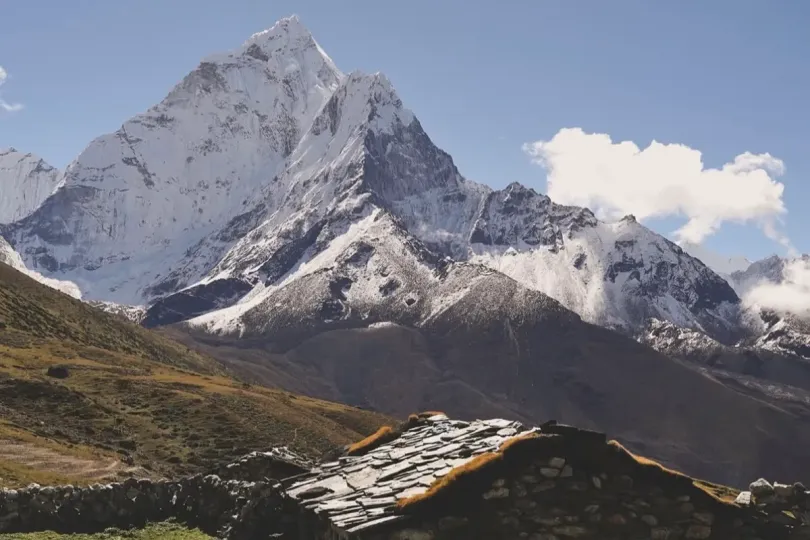
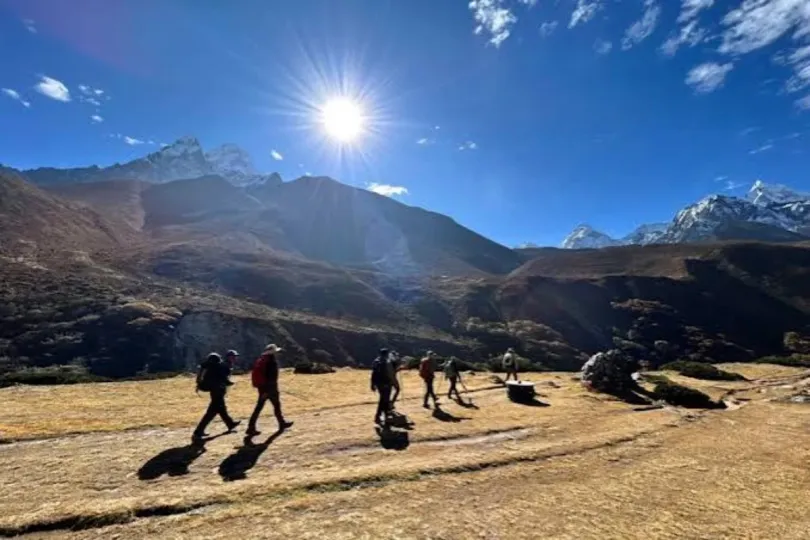
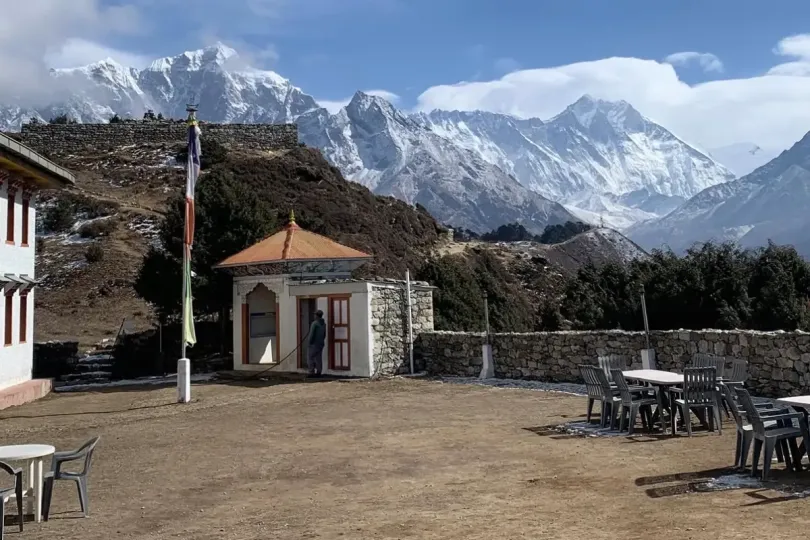
Planning an Everest Base Camp trek for December? Everest Base Camp Trek in December sits right in Nepal’s winter trekking window, once the autumn rush has died down. Trails through Sagarmatha National Park and the Khumbu region go quiet this time of year, which means easier teahouses bookings and a slower pace on the walk in. Starting out from Lukla the usual route runs 12 to 14 days passing through Sherpa villagers on the way to Everest Base Camp. Dry winter air keeps the skies sharp so views of Mount Everest and surrounding peaks tend to stay clear for days to a stretch. Most trekkers also make the climb up Kala Patthar still one of the best spots to watch the sunrise hit the mountain. It’s cold and the days are short but for anyone chasing quiet trails and clear views December delivers a magnificent destination.
What Is the Everest Base Camp Trek in December?

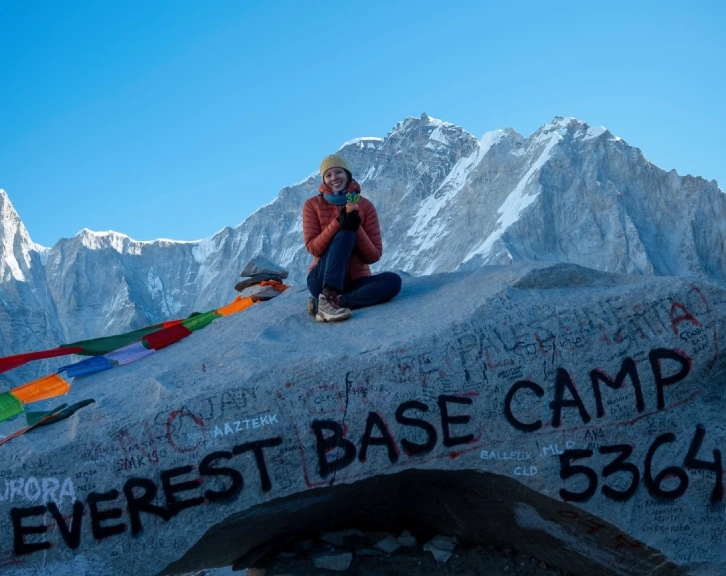
The Everest Base Camp Trek in December takes place during the initial onset of Nepal’s dry winter season. EBC Trek in December is a solid cold window for trekking in the Khumbu region. The Everest Base Camp Trek in December covers about 130 km round-trip through Sagarmatha National Park, in the Khumbu region of Solukhumbu District. Most people take 12 to 14 days for it, starting from Lukla and climbing up to Base Camp at 5364 meters. Many push on to Kala Patthar too - it’s the highest point on the trip and gives some of the best close-up views of Everest. The park itself covers a huge range of elevation, stretching from the lower valley near Lukla all the way to Everest’s summit, so the scale of the landscape really sinks in as you climb.
And yes, December works fine for this trek. It falls right at the start of Nepal’s dry winter season, so the weather tends to settle down and skies clear up nicely. Snowfall usually stays light early in the month and drier air means fewer flight delays than you’d get during monsoon season. The main downside is the cold - nights get brutal and there’s less daylight to work with each day - so anyone attempting it needs solid gear and a realistic pace.
Why Trek Everest Base Camp in December?

- Crystal-Clear Mountain Views: the dry winter air keeps away fog and haze. You get clean, sharp views of famous peaks like Everest, Lhotse and Ama Dablam for days without clouds blocking them.
- Far Fewer People: The heavy fall crowd leaves by December. The trails are much quieter, so you can hike at your own pace without feeling rushed.
- Stable Weather: December is part of the dry season, meaning you rarely have to worry about rain or sudden bad storms.
- Easier to find Rooms: Because there are fewer hikers it is very easy to get a room in popular villages like Namche Bazaar or Dingboche without booking way ahead.
- Peaceful Atmosphere: With fewer tourists around, the villagers feel more relaxed. It is much easier to talk with local Sherpa families and enjoy the quiet surroundings.
- Great for photos: Crisp blue skies, bright sunlight and snowy peaks make it one of the best times of the year to take amazing pictures.
Does December Offer the Clearest Mountain Views on the EBC Trail?
December offers some of the clearest mountain views of the year on Everest Base Camp Trail because low atmospheric humidity keeps the air dry and largely free of haze. Cloud cover stays minimal throughout the dry winter season so peaks that often hide behind mist in other months stand out sharply against the sky - Mount Everest, Ama Dablam, Nuptse and Lhotse - all appear in crisp detail for much of the day, not just the early morning hours. This makes the climb up to Kala Patthar especially rewarding in December since the viewpoint’s already stunning panorama becomes even sharper under clear winter skies, giving trekkers some of the best photo opportunities the trek has to offer.
How Crowded Is the Everest Base Camp Trail in December?

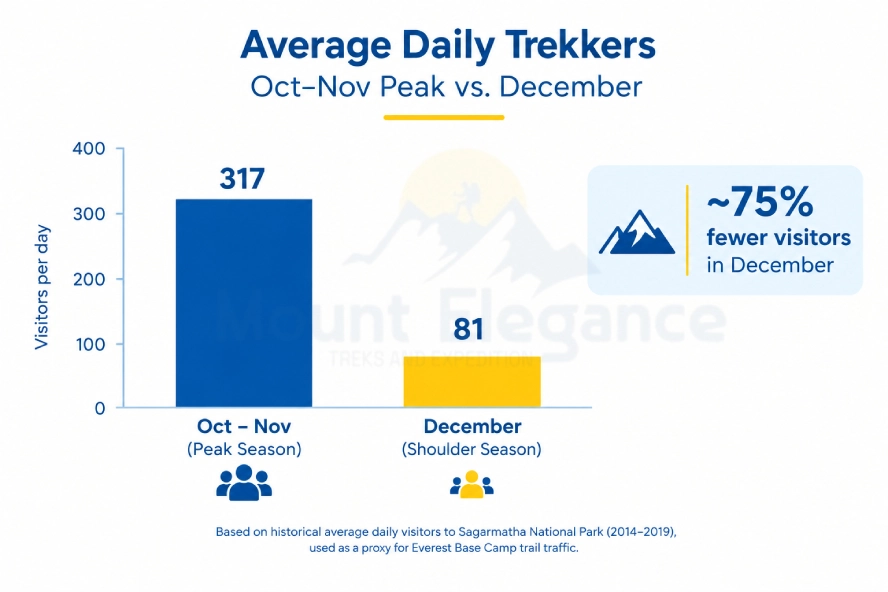
The Everest Base Camp Trail carries far fewer trekkers in December than during the October-November peak season, when the bulk of the year’s roughly 40,000-plus annual visitors pass through Sagarmatha National Park. Once autumn winds down, the trail shifts into its December shoulder season and both trail traffic and teahouse demand drop off noticeably, giving visitors more room to move and a slower overall pace. Booking a room becomes far less competitive too, with lodges rarely filling up the way they do in peak months. Christmas and New Year bring a small bump in number, as some trekkers time their trip around the holidays but crowds stay well below October-November levels even then. For most of December, trail solitude remains one of the month’s biggest draws, especially for trekkers hoping to enjoy the route without the steady stream of other groups typical of peak season.
Is the Teahouse Experience Better in December?

The teahouse experience improves in December because lower occupancy rates mean lodge owners have more time and attention to give each guest, often leading to a warmer, more personal stay. Rooms are easier to come by too, since December’s quieter trail means trekkers rarely need to book far ahead, unlike the scramble that can happen during peak autumn months. Dining halls stay cozy thanks to yak-dung stoves, which lodge owners keep burning through the evening, making them the natural gathering spot for trekkers to warm up, eat, and swap stories after a cold day on the trail. Bedrooms are a different story - they’re typically unheated so the cold sets in fast once trekkers step away from the stove making a solid sleeping bag essential even indoors.
What Is the Weather Like on the Everest Base Camp Trek in December?
Everest Base Camp Trek in December marks the start of the dry winter season trek in the Khumbu region. Days are generally clear and sunny with low humidity and high visibility but temperatures drop significantly - especially at night and at higher altitudes.
Location | Altitude | Daytime | Nighttime |
Namche Bazaar | 3,440 m | 5 to 10°C | -8 to -3°C |
Dingboche | 4,410 m | 0 to 6°C | -12 to -8°C |
Lobuche | 4,940 m | -3 to 3°C | -16 to -12°C |
Gorak Shep | 5,164 m | -5 to 0°C | -18 to -14°C |
Kala Patthar | 5,545 m | -8 to -2°C | -20 to -16°C |
How cold is Everest Base Camp in December? According to the article published by Nepal Tourism Board, Base Camp itself typically ranges from around -11°C to 2°C during the day, dropping much colder at night, while conditions near the summit swing between -16°C and -6°C. Wind chill adds another layer of cold on top of these numbers, especially at exposed viewpoints like Kala Patthar, where wind speeds can make the air feel significantly colder than the thermometer suggests.
What Are the December Temperatures by Village on the EBC Route?
Village-by-village temperatures on the December Everest Base Camp route range from mild daytime warmth at lower elevations to bitterly cold nights higher up the trail.
Village | Altitude | Daytime High | Nighttime Low |
Phakding | 2,610 m | 10 to 14°C | -3 to 0°C |
Namche Bazaar | 3,440 m | 5 to 10°C | -8 to -3°C |
Tengboche | 3,867 m | 2 to 7°C | -10 to -6°C |
Dingboche | 4,410 m | 0 to 6°C | -12 to -8°C |
Lobuche | 4,940 m | -3 to 3°C | -16 to -12°C |
Gorak Shep | 5,164 m | -5 to 0°C | -18 to -14°C |
Kala Patthar | 5,545 m | -8 to -2°C | -20 to -16°C |
What Is the Difference Between Early December and Late December on the EBC Trek?

Early December and late December differ on the Everest Base Camp Trek in a few noticeable ways, even within the same month. The first half often carries some leftover mildness from autumn, with daytime temperatures staying a touch warmer and conditions generally more stable across the route. As the month progresses, that residual warmth fades and late December turns noticeably colder, especially at higher elevations where night lows can drop several degrees further than what trekkers experience in the first week or two.
Snowfall probability also increases in late December, as the season pushes deeper into winter and cold fronts become more frequent, particularly above 4000 meters while December overall stays in the dry season, the back half of the month is more likely to see a dusting of snow on the trail compared to the relatively drier early weeks.
Crowds shift too, with a small but noticeable bump around Christmas and New Year, as some trekkers plan trips specifically to spend the holidays in the Khumbu region or reach Base Campbefore the year ends. This bump is still far smaller than the October-November peak season so trails stay quiet by comparison but teahouses in popular villages can feel a bit busier during this holiday window than the rest of the month.
What Are the Pros and Cons of Trekking Everest Base Camp in December?
The Everest Base Camp Trek in December carries distinct advantages and drawbacks. On the plus side, dry weather brings some of the clearest mountain views of the year, along with quieter trails and easier teahouses bookings compared to peak season. The trade-off comes down to cold - bitter night temperatures, shorter daylight hours, and a higher chance of icy or snow-dusted sections higher up the trail.
Is December harder than October or November for EBC? In terms of physical difficulty, yes - the cold adds real strain that autumn months don’t have, demanding better gear and more careful pacing. But in terms of crowds and trail conditions underfoot, December is often easier, since fewer trekkers and mostly dry trails offset some of that added cold-weather challenge.
What Are the Advantages of a December EBC Trek?
- Clear Sky Views: The dry winter air removes fog and haze. You get clear, sharp views of Everest, Lhotse, and Ama Dablam for days without clouds.
- Fewer People: Peak autumn crowds leave by December. The trails are quiet, allowing you to hike at a comfortable, peaceful pace.
- Easy Room Booking: You do not need to book far in advance because teahouses rarely fill up like they do in October and November.
- No Heavy Rain: December falls in the dry season, so you avoid the muddy trails and heavy rain of the summer months.
- No Leeches: Cold, dry winter weather keeps leeches away completely, unlike during the wet monsoon season.
- Fewer Flight Delays: Stable winter weather causes fewer sudden storms, leading to fewer flight delays at Lukla than in spring or summer.
- Holiday Mood: Traveling around Christmas or New Year brings a fun, festive atmosphere to the teahouses and local villages.
What Are the Drawbacks of a December EBC Trek?
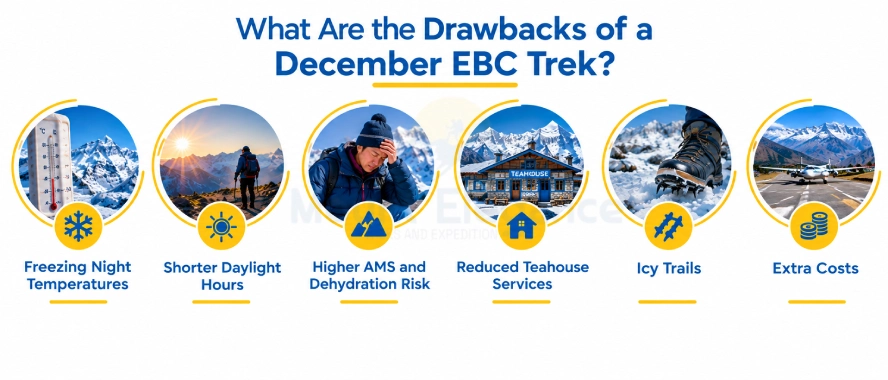
- Freezing Night Temperatures: Lows regularly drop below -15°C at altitudes above 4000 meters, requiring high-grade down sleeping bags and cold-weather gear.
- Shorter Daylight Hours: with only 10 to 11 hours of daylight, trekking days must start early to reach destination before dark.
- Higher AMS and Dehydration Risk: Hikers often drink less water in cold weather and dehydration increases the risk of altitude sickness.
- Reduced Teahouse Services: Some high-altitude lodges scale back operations on close completely for the coldest part of winter.
- Icy Trails: Shaded and high-elevation sections - especially around Gorak Shep and Base Camp - can be very icy, making microspikes essential.
- Extra Costs: Teahouses charge extra for heating dining rooms and specialized sub-zero gear increases total trip expenses.
What Festivals and Celebrations Happen During a December EBC Trek?

December on the Everest Base Camp trail includes several festivals and celebrations, blending international, regional and ethnic traditions. Christmas(December 25) is widely marked across Nepal and often celebrated by trekkers and lodge owners alike, sometimes with small gatherings in teahouse dining halls. New Year's Eve(December 31) brings a similar festival mood with some trekkers timing their trip specifically to ring in the new year from Base Camp or a high-altitude village along the way.
Tamu Lhosar, the Gurung new year, falls on the 15th day of the Nepali month of Poush, typically landing in late December and is observed with traditional songs and dances in Gurung communities. Yomari Punhi and the related Udhauli Parva, celebrated by the Newar and Kirat community, also fall in this window, often in mid-to-late December depending on the lunar calendar. Yomari Punhi itself centers on offering to the harvest goddess and features special rice-flour delicacies called Yomari.
Trekkers hoping to catch Sherpa Buddhist celebration should note that Mani Rimdu at Tengboche Monastery, one of the region’s most famous festivals actually falls in November rather than December, so it won’t overlap with a December trek.
What Is Christmas Like at Everest Base Camp?

Christmas on the Everest Base Camp Trek falls around day 6 to 9 most itineraries, meaning trekkers typically spend December 25 somewhere between Dingboche (4,410 m), Lobuche (4,940 m), or Gorak Shep (5,164 m), depending on exact departure dates. Nights this high are firmly sub-zero, often dropping past -15°C, so celebrations tend to happen indoors around the dining hall rather than outside. Some teahouses mark the occasion with a slightly special dinner or dessert, and trekkers and guides often share stories or small gestures of celebration despite the remote setting.
Anyone wondering if they could celebrate Christmas at Everest Base Camp? Then yes - with the right itinerary timing, it’s entirely possible to spend Christmas Day at or near Base Camp itself, making for a memorable, if bitterly cold way to mark the holiday.
Can Trekkers Celebrate New Year's Eve at Kala Patthar?

Trekkers can celebrate New Year’s near Kala Patthar when their itinerary timing places them at Gorak Shep on December 31, putting the viewpoint within easy reach for a sunrise climb the next morning. Gorak Shep serves as the natural overnight base before the push up to Kala Patthar (5545m), so trekkers following a standard 12 to 14 day schedule can plan their departure date to land here right as the year turns over. Watching the January 1 sunrise light up Everest and the surrendering peaks from Kala Patthar makes for a striking way to start the new year, though the early-morning climb in freezing temperatures demands solid cold-weather gear and an early start cold weather gear and an early start well before dawn.
What Nepali Festivals Fall in December?
- Tamu Lhosar is a new year festival celebrated by the Gurung people on every 15th Poush (December/January) of the Nepali calendar. It is observed as a public holiday according to wikipedia.
- Yamari Punhi/ Purnima is celebrated by the local Newari community of Kathmandu, this festival marks the end of the rice harvest. People make and eat Yomari, a sweet steamed rice-flour dumpling.
- Udhauli Parva is celebrated by the Kirath community, this festival marks the seasonal move down from the hills for winter. It honors nature and ancestors.
- Dhanya Purnima is a harvest festival celebrated across parts of Nepal to give thanks for the year’s crop yield.
What Is the Day-by-Day Everest Base Camp Itinerary in December?
Day | Route | Elevation |
1 | Arrival in Kathmandu | 1,400 m |
2 | Flight to Lukla, trek to Phakding | 2,860 m - 2,610 m |
3 | Phakding to Namche Bazaar | 3,440 m |
4 | Acclimatization in Namche Bazaar | 3,440 m |
5 | Namche Bazaar to Tengboche | 3,860 m |
6 | Tengboche to Dingboche | 4,410 m |
7 | Acclimatization in Dingboche | 4,410 m |
8 | Dingboche to Lobuche | 4,940 m |
9 | Lobuche to Gorak Shep, Everest Base Camp | 5,180 m - 5,364 m |
10 | Kala Patthar climb, trek to Pheriche | 5,545 m - 4,240 m |
11 | Pheriche to Namche Bazaar | 3,440 m |
12 | Namche Bazaar to Lukla | 2,860 m |
13 | Flight from Lukla to Kathmandu | 1,400 m |
14 | Departure from Kathmandu | — |

How Difficult Is the Everest Base Camp Trek in December?

The Everest Base Camp Trek in December is graded moderate to strenuous, making it accessible to trekkers with a reasonable fitness base but not a walk in the park by any means. Most days involve five to seven hours of walking, often over uneven, rocky terrain and occasional icy patches near higher elevations.
The trek reaches its highest point at Kala Pathar, sitting at 5545 meters, where thinner air adds a real physical challenge on top of the distance covered. Acute Mountain Sickness is a genuine concern at this altitude, since gaining more than 500 meters of sleeping elevation per day above 3000 meters without extra acclimatization days increases the risk of altitude illness, according to Wilderness Medical Society guidelines WMS.
To manage this most itineraries build in rest and acclimatization days at Namche Bazaar and Dingboche, allowing the body time to adjust before pushing higher. Cold temperatures add another layer of difficulty in December, since freezing mornings and nights make each day’s walk physically more demanding than the same distance might feel in milder months.
Because of all this, solid pre-trek fitness preparation - including cardio and leg strengthening exercise - is strongly recommended before attempting the trek during winter.
What Should You Pack for the Everest Base Camp Trek in December?
Packing for the Everest Base Camp Trek in December requires serious cold-weather gear, since temperatures at higher elevations drop well below freezing, especially at night. Getting your layers and equipment right can make the difference between a manageable trek and a miserable one.

- Down jacket rated to -20°C - essentially for evenings and higher camos where temperatures plummet after sunrise
- Thermal base layers - worn against the skin to trap body heat and manage moisture throughout the day
- Fleece mid-layer - adds an extra buffer of warmth between your base layer and outer shell
- Waterproof and windproof outer shell - protects against biting wind and occasional snowfall higher up the trail
- Insulated trekking boots - keeps feet warm and dry on icy or snow-covered sections
- Sleeping bag rated to -15°C to -20°C - teahouses aren't heated overnight, so a proper sleeping bag is non-negotiable
- Microspikes or crampons - useful traction on icy patches near Lobuche, Gorak Shep, and Kala Patthar
- Trekking poles - helps with balance and reduces strain on knees during long descents
- Headlamp - needed for early starts, especially the pre-dawn push toward Kala Patthar
- UV-protection sunglasses - guards against strong glare off snow at high altitude
- Water purification tablets or filter - keeps you hydrated safely without relying on bottled water
- First-aid kit including Diamox (acetazolamide) - helps with altitude acclimatization and should be discussed with a doctor beforehand
What Clothing Layers Do You Need for December EBC Temperatures?
Clothing (Layering System)
- Trekking Shirts - 3–4 lightweight,long-sleeve shirts for sun and dust protection on the EBC trail.
- Base Layer - 2–3 pairs of thermal tops and bottoms (high-grade synthetic).
- Trekking Pants - 2 pairs of stretchable and comfortable trekking pants.
- Insulation Layer - 1 warm fleece jacket or lightweight down sweater.
- Underwear - 5–6 pairs of sports underwear.
- Hard Shell - 1 breathable waterproof jacket and pants for wind, rain, or alpine snow.
What Footwear and Sleeping Gear Are Required?
Footwear
- Trekking Boots - 1 pair of ankle-supportive and water-resistant hiking boots.
- Camp Shoes - 1 pair of lightweight Sports sandals for relaxing in the teahouses.
- Gaiters - 1 pair of breathable, waterproof gaiters to seal out snow.
- Socks - 3–4 pairs of thick merino wool trekking socks and 2 pairs of thin liner socks.
How Much Does the Everest Base Camp Trek Cost in December?
The Everest Base Camp Trek in December costs differently depending on whether you travel independently or choose an organized package.
Cost Item | Estimated December Cost |
Sagarmatha National Park entry permit | NPR 3,000 (about US$23) |
Khumbu Pasang Lhamu Rural Municipality entry fee | NPR 3,000 (about US$23) |
TIMS card | Not required for the standard Khumbu EBC route |
Round-trip Lukla flight | About US$350–$450 |
Teahouse accommodation | About US$5–$15 per night |
Guide daily rate | About US$30–$35 per day |
Porter daily rate | About US$25–$30 per day |
Meals | About US$25–$40 per day, increasing at higher elevations |
Gear rental in Kathmandu | About US$30–$100+, depending on items rented |
Typical 12–14-day package | About US$1,200–$2,000 per person |
For 2026 the Sagarmatha National Park entry fee and Khumbu Pasang Lhamu Rural Municipality fee are NPR 3,000 each, totaling NPR 6,000 for standard EBC permits. December may increase costs slightly due to winter gear, extra nights, flight delays and upgraded accommodation.
What's Included and Excluded in a Standard EBC Package?
A standard Everest Base Camp Trek package includes the main trekking services and logistics needed for the journey, while several personal and international travel expenses remain the trekker’s responsibility.
Included in the Package | Usually Excluded |
Sagarmatha National Park and local entry permits | International flights to and from Nepal |
Teahouse accommodation during the trek | Nepal tourist visa fee |
Licensed trekking guide | Personal trekking gear and equipment |
Porter service | Tips for guides and porters |
Airport transfers in Kathmandu | Travel insurance and helicopter evacuation costs |
Standard trekking logistics and support | Alcoholic drinks and other personal beverages |
Basic trekking arrangements | Personal expenses |
Standard EBC packages usually cover permits, accommodation guide services, porter services and airport transfers. Trekkers should separately budget for international flights visa fees, personal gear tips, travel insurance, alcoholic drinks and other personal expenses. Always check package details before booking.
What Permits Do You Need for the Everest Base Camp Trek?
The Everest Base Camp trek requires two permits :
Permits | Costs for SAARC nationals | Costs for foreign nationals | Where to obtain |
Sagarmatha National Park Entry permits | NPR 15OO | NPR 3000 | Nepal Tourism Board, Kathmandu, or Monjo checkpoint |
Khumbu Pasang Lhamu municipality permits | NPR 2000 | NPR 2000 | Lukla or Monjo checkpoint |
The Sagarmatha National Park entry permit is required because the Everest trail passes through Sagarmatha National Park. The Nepal Tourism Board currently lists the fee at NPR 1500 for SAARC nationals and NPR 3000 for other foreign visitors. This permit is obtained at the Nepal Tourism Board in Kathmandu or at the park entry point itself. The Khumbu Pasang Lhamu Rural Municipality permit - which supports local tourism services and infrastructure. Current trekking information lists it at NPR 2000 per person for SAARC and foreign nationalities. It is normally obtained in the Khumbu region such as Lukla or Monjo.
What Should You Expect From Lukla Flights in December?

Lukla flights in December operate mainly from Kathmandu to Tenzing-Hillary Airport avoiding the Ramechhap/Manthali transfer which is commonly used during the busy March-May and September-November trekking periods. Recent trekking-season guidance confirms that December falls within the period when flights normally operate from Kathmandu. Tenzing-Hillary Airport sits at about 2846 meters and has the IATA code LUA. The airport was featured by the History Channel's Most Extreme Airports - which rated Lukla as the world's most dangerous airport for more than 20 years.
Flights are generally scheduled in the morning and daylight hours when mountain visibility and winds are more suitable for operations. December is usually a much better month for flying than the monsoon period as Fog, cloud, strong winds or sudden changes in visibility can cause delays or cancellations. Are Lukla flights reliable in December? Normally - yes December offers clear winter skies and recent operational records showed a high number of uninterrupted flight days. But trekkers should still keep a buffer day because mountain weather can change quickly. If a fixed-wing flight cannot operate a helicopter charter can be considered when weather and operational conditions allow although it is considerably more expensive.
Are Teahouses and Lodges Open on the EBC Trail in December?
Teahouses and lodges stay open on the Everest Base Camp Trail in December though the number of options becomes smaller as you climb higher. Most lodges along the route remain open especially in Lukla, Phakding, Namche Bazaar, Tengboche and Dingboche. However some higher-altitude lodges may reduce their services. Close later in December as winter becomes colder and visitor numbers fall. At stops such as Lobuche and Gorak Shep, accommodation is more basic and choices are limited. Common dining halls are usually heated by yak-dung stoves giving trekkers a place to eat and relax in the evening. Bedrooms are generally unheated so a good winter sleeping bag and warm layers are important.
Hot showers may be available at villages and some mid-altitude lodges but they become less reliable and more expensive higher up. Expect roughly NPR 300–700 with availability above Dingboche. Wi-Fi and device charging are also available at lodges, for an extra fee commonly increasing with altitude. Yes, most bookings are rarely necessary because December has low occupancy. Still it is wise to confirm accommodation at elevations before setting out particularly in late December.
What Food and Drink Options Are Available on the December EBC Trail?
- Food and drink options on the December Everest Base Camp Trail includedhal-bhat, vegetables and curry. It is freshly cooked and very fulfilling - warm and a good choice for long trekking days in cold weather.
- Noodle soup is widely available at teahouses and is especially comforting after walking in freezing temperatures. You can usually choose - vegetable, egg or meat versions depending on the lodge. Noodle soup can make you feel warm and fulfilled at the same time.
- Momo (Nepali dumplings) is another popular option. These are usually served steamed and are filled with vegetables, cheese or meat. The price can be a little higher but they are cooked fresh.
- Garlic soup is commonly ordered at higher elevations as many trekkers choose it as a warm and comforting evening meal - although it should not be considered a treatment for altitude sickness.
- Hot lemon and ginger tea provides warmth and helps you take in fluids during the cold December days because more intake of fluids helps you stay hydrated. Other options include black tea, milk tea and hot chocolate.
- Bottled or boiled drinking water is available along the route. Boiled water is often a practical choice - while water purification tablets or a filter can provide extra flexibility. Avoid drinking unfiltered water or tap water during the trek trail.
- Hydration remains important in December because cold, dry mountain air can increase fluid loss even when you do not feel very thirsty so staying hydrated - drinking plenty of water regularly throughout the day is very important.
- Alcohol and too much caffeine should be limited at altitude. Alcohol can contribute to dehydration and affect sleep whereas excessive caffeine may make it harder to maintain good hydration. Optional for warm, non-alcoholic drinks during the trek.
Do You Need Travel Insurance for a December EBC Trek?
Travel insurance is required for the Everest Base Camp Trek in December because high-altitude trekking comes with risks that can become expensive during an emergency. Your policy should include helicopter evacuation coverage if you need to be rescued from a remote part of the trail or in any emergency. Check that the policy includes altitude coverage upto 6000 meters as trek reaches Kala Patthar at about 5643 meters. Standard travel insurance may not automatically include high-altitude activities, so read the exclusions carefully. Your insurance should also cover trip cancellation, delays coverage and missed connections because December weather can cause Lukla flight delays or cancellations. This can result in additional accommodation - transport or flight costs. Trekking agencies commonly recommend providers such as - World Nomads, IMG Global and Seven Corners but coverage and policy conditions can vary by plan.
Before purchasing, confirm that helicopter rescue, altitude limits, trekking activities and flight disruption are specifically covered. Some trekking agencies may also request proof of travel insurance before departure. Carry a digital and printed copy of your policy including the emergency assistance number. Most importantly, do not choose a policy based only on price. Make sure it covers high altitude and activities included in your December EBC itinerary.
Who Should (and Shouldn't) Trek Everest Base Camp in December?
The Everest Base Camp Trek in December suits trekkers who enjoy quiet trails that have crisp mountain views and a real winter trekking experience. December is a good choice for photographers because cold and dry weather can bring clear skies with better views of Everest, Ama Dablam, Lhotse and other Himalayan peaks. It also suits those who prefer fewer trekkers and more peaceful experience in villages and along the trail. Cold-tolerant trekkers can enjoy the quieter atmosphere if they are properly prepared with warm layers - gloves, a good sleeping bag and suitable winter gear.
However, the Everest Base Camp Trek in December may not suit everyone. Trekkers who cannot tolerate extreme cold may find early mornings - evenings and nights uncomfortable especially around Lobuche and Gorak Shep. It is also less suitable for people looking for warm-weather comfort or mild trekking conditions. Trekkers with respiratory conditions that become worse in cold, dry air should also take extra care and discuss the trek with a qualified medical professional before trekking to such a challenging path. Overall, December rewards those who are comfortable with winter conditions.
What Are the Safety Risks on the Everest Base Camp Trek in December?
The main safety risks on the Everest Base Camp Trek in December are linked to extreme cold, high altitude, icy trails, and limited daylight. Careful acclimatization - suitable winter clothing, early starts, reliable communication and proper travel insurance help trekkers manage these risks safely.

- Acute Mountain Sickness (AMS): Watch for headache - nausea, dizziness and unusual tiredness. Ascend gradually and allow enough acclimatization time.
- Frostbite: Freezing temperatures can affect fingers - toes, ears and the nose. Use insulated gloves, thermal socks, warm boots and proper layers.
- Hypothermia: Cold winds and low temperatures can cause dangerous heat loss. Keep clothing dry and wear adequate insulated layers.
- Icy and snow-covered trail sections: Frozen and snowy paths can become slippery, especially in shaded areas and at higher elevations using sturdy boots - trekking poles and gear that gives grip in icy trails.
- Short daylight hours: December has fewer daylight hours, reducing the safe trekking and rescue window. Start early and avoid unnecessary late-evening hiking.
- Satellite phone and local SIM communication options: Local SIM networks may work in some villages but can be unreliable at higher elevations. A satellite phone can provide an important backup for emergencies.
- Helicopter rescue availability: Helicopter evacuation may be available for serious emergencies but high winds, snowfall, poor visibility and freezing conditions can delay flights. Travel insurance with high-altitude helicopter evacuation coverage is essential.
What Alternative Routes and Trek Options Exist in December?
Trekkers who want a different December Everest experience can choose several alternative routes and trek styles that offer mountain scenery while adapting to winter conditions:
- Everest Base Camp Trek with helicopter return option combines a classic trek to Everest Base Camp with a helicopter flight back to Kathmandu as this is useful for trekkers who want to experience the main trail but avoid the long return journey in December's cold temperatures and shorter daylight hours.
- Gokyo Lakes and Gokyo Ri Route is where trekkers can explore the beautiful turquoise Gokyo Lakes and climb Gokyo Ri for wide views of Everest, Cho Oyu, Lhotse and Makalu. December brings peaceful trails and crisp mountain views - although freezing temperatures can affect higher sections.
- Everest Panorama Trek is a shorter and lower-altitude option which reaches viewpoints around Namche Bazaar and Tengboche without continuing to Everest Base Camp. It is a choice for December trekkers who prefer a shorter itinerary and less exposure to extreme high-altitude cold.
- Jiri to Everest Base Camp Trek follows the classic approach used by early Everest expeditions - this route begins near Jiri and adds several days of walking before reaching the Khumbu region. December offers peaceful trails but the longer route requires proper preparation for winter conditions.
- Everest View Trek by Helicopter is one of the options that provides spectacular Himalayan scenery without a long high-altitude trek. A helicopter flight reaches the Everest region - allowing travelers to enjoy views of Everest and surrounding Himalayan peaks before returning the same day.
Is December Worth It for the Everest Base Camp Trek?
December is worth it for the Everest Base Camp Trek when trekkers value clear mountain views, quiet trails and a true winter Himalayan experience more than warm temperatures and busy season comforts. December generally brings dry conditions and clear skies that creats excellent visibility of Everest, Ama Dablam, Lhotse, Nuptse and surrounding peaks. The main trade-off is the cold when temperatures drop well below freezing at higher elevations - nights are especially harsh and snow or ice can make some trail sections more demanding. Shorter daylight hours also require careful planning and early starts. December is best for experienced or well-prepared trekkers who tolerate cold weather conditions and enjoy peaceful trails, the ones who are seeking better opportunities for mountain photography without large crowds. It may be less suitable for trekkers who prefer moderate temperatures, comfortable evenings or more reliable lodge services at higher elevations. Overall, December is worth choosing if your priority is solitude - crisp visibility and a quieter Everest experience.
Explore Other Seasons for the Everest Base Camp Trek
Beyond December the Everest Base Camp Trek changes character across different seasons, with each time offering a different trail experience. Spring (March to May) is a peak trekking season; it brings warmer daytime temperatures with clear mountain views - trails that have blooming rhododendrons and increasing trekking activity. Autumn (September to November) is another popular period known for its stable weather conditions offering clear skies and excellent visibility. Winter (December to February) has quieter trails and crisp views but comes with freezing temperatures and possible snowfall, Monsoon (June to August) brings - rain, clouds, slippery trails and possible flight delays or cancellations, although the quieter trails can appeal to experienced trekkers.
When Is the Best Time to Trek Everest Base Camp?
The best time to trek Everest Base Camp trek overall is during spring (March–May) and autumn (September–November) the two peak trekking seasons. Spring offers generally stable weather with clear mountain visibility and has comfortable daytime conditions. The trail is filled with blooming rhododendrons while autumn is known for crisp skies, excellent views and established trekking conditions. December–February is the winter period that brings colder weather, possible snowfall with peaceful trails making it better suited to trekkers who are prepared for challenging conditions. June–August falls within the monsoon season, when rain, clouds, slippery trails and flight delays can make trekking more demanding.
What Is the Everest Base Camp Trek Like in January?
The Everest Base Camp Trek in January is a true winter adventure and one of the coldest months on the route. January is generally the coldest month in the Everest region with very low temperatures at higher elevations and possible snowfall and icy trail conditions. Despite the cold in this season rainfall is rare and dry conditions often bring crisp, clear skies with excellent visibility of Everest and surrounding mountain peaks. Overnight temperatures are lower than in December - usually around Lobuche and Gorak Shep, where night temperatures can fall well below -15°C. The quiet trails and sharp winter views appeal to experienced trekkers who are properly prepared for extreme cold weather.
What Is the Everest Base Camp Trek Like in November?
The Everest Base Camp Trek in November is one of the most popular experiences in the Everest region as it falls within the peak autumn trekking season. The month generally offers stable weather with clear skies and excellent surrounding mountain peak visibility but trails and teahouses are busier than in December. During this period Lukla flights may operate from Ramechhap-Manthali Airport instead of Kathmandu depending on airport operations and seasonal flight arrangements - so trekkers should plan their transport accordingly. November can also fall during Mani Rimdu, an important Sherpa Buddhist festival celebrated at Tengboche Monastery that adds a cultural highlight to the trek with favorable trekking conditions but higher crowds November - suits trekkers who want reliable autumn weather and lively trail conditions.
What Is the Everest Base Camp Trek Like in August?
The Everest Base Camp Trek in August is a challenging monsoon-season adventure with wet trails with frequent cloud cover and fewer trekkers. August falls within Nepal’s monsoon season so rainfall is common - especially at lower elevations. Because of rainfall wet and muddy trail sections can make walking more difficult while leeches may be present in forested areas around lower elevation of the route. Clouds can also reduce mountain visibility by limiting views of Everest and surrounding mountain peaks. Rain and poor weather can increase the risk of Lukla flight delays or cancellations, so trekkers should allow extra buffer days in their itinerary. Despite these challenges - August offers quieter trails and a peaceful atmosphere for trekkers who are comfortable with rainy-day conditions.
How Much Does the EBC Trek Cost in December?
The Everest Base Camp Trek in December costs around USD 1200 to USD 2000 for a standard 12/14 days package. This usually includes Sagarmatha National Park and local permit fees,Lukla flight costs , teahouse and guide costs, services and basic trekking logistics. The final price depends upon the trekking company - accommodation standard, porter services and whether extra services such as helicopter transfers or upgraded rooms are included.
Is December Harder Than October or November for EBC?
December is colder than October or November on the Everest Base Camp Trek, though the overall trail difficulty remains similar. December offers fewer crowds and quieter trails - while October and November provide milder conditions during the peak autumn season.
Do Teahouses Stay Open on the EBC Trail in December?
Most teahouses on the Everest Base Camp Trail stay open in December however, some high-altitude lodges may reduce services or close temporarily as temperatures drop and visitor numbers decline. Trekkers should confirm accommodation availability before starting the trek.
How Crowded Is the Trail at Christmas and New Year?
The trail gets busier than early December around Christmas and New Year, though it remains far quieter than the October–November peak season. Teahouses may see more guests, but December generally provides a peaceful trekking experience overall.