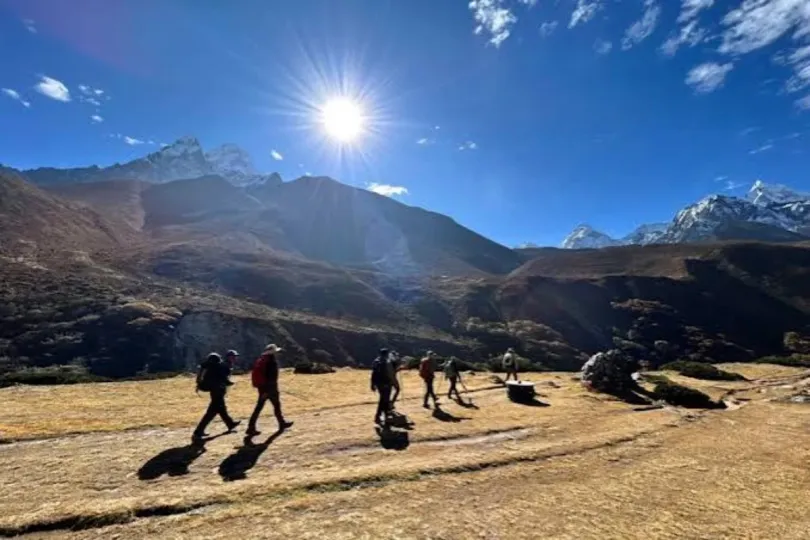
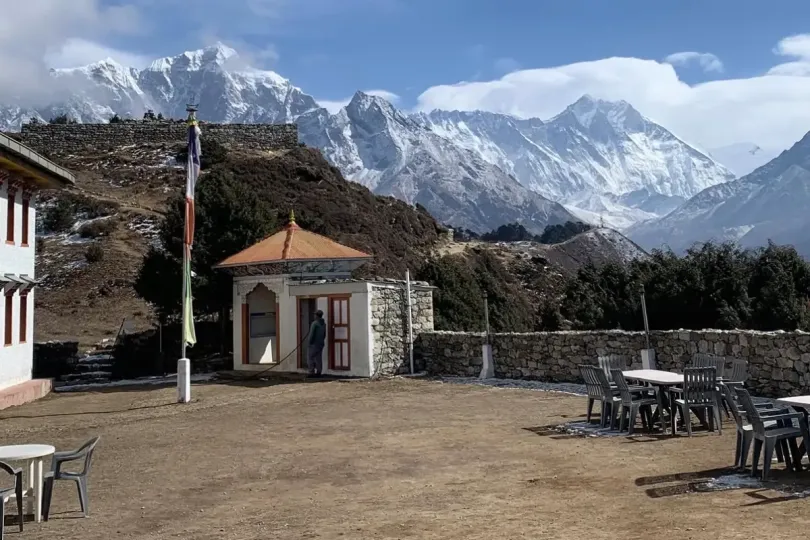
Everest Base Camp Trek in January falls right in the heart of Nepal’s winter trekking season, offering a very different experience from the busier autumn and spring months. Cold temperatures and snow-covered trails define this time of year across the Khumbu region but clear skies and a dramatic quiet path through Sagarmatha National Park make it appealing for trekkers seeking solitude. Lukla flights can face more frequent delays due to winter weather, so building buffer days into any itinerary becomes especially important. Teahouse trekking remains possible throughout January, though some higher-altitude lodges close for the season, narrowing route options slightly. On the upside, trekkers get a rare, un-crowded glimpse into authentic Sherpa culture with fewer tourists competing for attention in villages along the way. Reaching Everest Base Camp at 5364 meters in winter is a genuine achievement, rewarding well-prepared trekkers with unmatched peace and clarity.
What Is the Everest Base Camp Trek in January?
The Everest Base Camp Trek in January is a 12 to 14-day teahouse trek through the Khumbu region to 5364 meters and the trail stays open through winter with trekkers still able to walk the full route despite the cold. According to Nepal Tourism Board, the trek begins and ends at Lukla, the main gateway into the Everest region, before winding through Sagarmatha National Park along the Dudh Koshi valley toward Namche Bazaar and beyond. January falls squarely within Nepal’s winter trekking season, which runs from December through February, bringing freezing temperatures, snow-covered trails at higher elevations and noticeable quieter paths compared to peak season. Teahouse trekking remains the standard approach throughout the route, through some higher-altitude lodges reduce services or close entirely during the coldest stretch of winter trekkers typically fly from Kathmandu to Lukla to begin the journey and this flight can face more frequent delays in January due to poor visibility and winter weather patterns. Despite the challenges, the trail's year-round accessibility means January remains a viable, if more demanding, option for trekkers seeking solitude and dramatic winter scenery across the Khumbu region.
What Are the Advantages and Disadvantages of Trekking to Everest Base Camp in January?
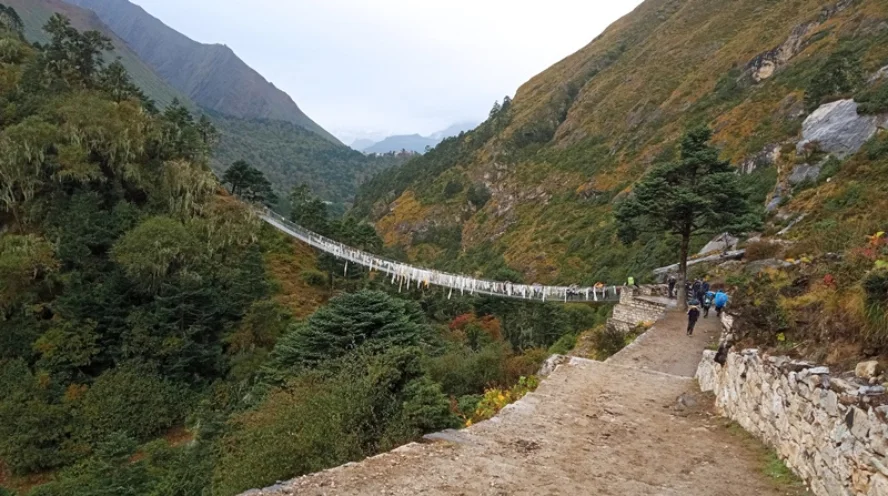
The Everest Base Camp Trek in January carries distinct advantages and disadvantages compared to peak season, making it a genuine trade-off rather than a clear win or loss either way. On the plus side, winter trekking offers dramatically fewer crowds, easier teahouse bookings, and crisp, clear mountain views compared to the busier trails of March through May or September through November. The downside comes in the form of freezing temperatures, occasional trail closures near the highest points, and a greater chance of Lukla flight delays due to unpredictable winter weather. For trekkers who value solitude and don't mind the cold, January can feel like a rewarding alternative, while those prioritizing comfort and reliability may still prefer the milder conditions found during peak trekking months.
What Are the Advantages of a January EBC Trek?

The main advantages of trekking to Everest Base Camp in January are considerable for those willing to brave the cold in exchange for a quieter, more personal experience.
- Fewer crowds on the trail - January sees a fraction of the trekkers found during peak season, making for a noticeably calmer and more peaceful walking experience throughout the Khumbu region
- Clearer mountain visibility - winter air tends to be crisp and dry, often delivering some of the sharpest, most consistent mountain views of the entire year
- Quieter teahouses - with fewer trekkers on the route, lodges feel more relaxed, and trekkers often get more attentive service and better room availability
- Closer interaction with Sherpa locals - smaller crowds mean more genuine opportunities to connect with local communities, away from the busier, more transactional feel of peak season
- Lower-season permit and package rates - trekking agencies and teahouses often offer discounted rates during winter, making January a more budget-friendly option overall
- Uncrowded Kala Patthar viewpoint - one of the trek's most popular sunrise spots feels far less congested, allowing for a more personal, unhurried moment at this iconic viewpoint
- Reduced haze and pollution - winter's cold, dry air cuts down on the dust and haze that can sometimes affect visibility during busier trekking months, resulting in cleaner air and clearer photos throughout the journey
What Are the Disadvantages of a January EBC Trek?

The main disadvantages of trekking to Everest Base Camp in January are worth weighing carefully before committing to a winter trek.
- Sub-zero night temperatures - temperatures at higher elevations regularly drop well below freezing after dark, making warm gear and a quality sleeping bag absolutely essential
- Higher frostbite risk - extreme cold, especially during early morning starts and at higher camps, increases the risk of frostbite if trekkers aren't properly layered and protected
- Teahouse closures above Dingboche - some lodges at higher elevations shut down entirely during the coldest winter months, narrowing accommodation options and requiring more careful planning
- Lukla flight cancellations - winter weather brings a higher likelihood of flight delays or cancellations in and out of Lukla, making buffer days especially important
- Shorter daylight hours - winter days are noticeably shorter, giving trekkers a smaller window to complete each day's walking before darkness sets in
- Cold-induced dehydration raising altitude sickness risk - cold weather can suppress the urge to drink water regularly, and this reduced hydration, combined with high altitude, can increase the risk of altitude sickness if trekkers aren't deliberate about staying hydrated throughout the day
What Is the Weather Like on the Everest Base Camp Trek in January?
The weather on the Everest Base Camp Trek in January is cold, dry, and generally stable, defined by Nepal’s deep winter conditions across the Khumbu region. Day time temperatures typically range from around -5°C to 6°C depending on elevation with lower villages feeling noticeable milder than the exposed terrain near base camp itself Nighttime brings a dramatic drop, often falling between -15°C and -25°C and occasionally lower at the highest camps like Gorak Shep. Snowfall is fairly common especially at higher altitudes, sometimes covering trails and requiring extra caution underfoot. Despite the cold, skies remain clear on most days with a high percentage of clear-sky days throughout the month, giving trekkers some of the sharpest mountain visibility of the year. Wind chill can make temperatures feel significantly colder than the actual reading, particularly at exposed ridgelines and higher camp Low humidity throughout January keeps the air crisp and dry, contributing to the stable weather pattern through it also means the cold feels sharper once the sun goes down and radiant heat disappears quickly after sunset.
How Cold Does It Get on the EBC Trek in January?
Location | Elevation | Daytime Temp | Nighttime Temp |
Lukla | 2,860 m | 5°C to 10°C | -5°C to 0°C |
Namche Bazaar | 3,440 m | 2°C to 8°C | -8°C to -3°C |
Dingboche | 4,410 m | -2°C to 4°C | -15°C to -8°C |
Gorak Shep | 5,164 m | -5°C to 0°C | -20°C to -15°C |
Everest Base Camp | 5,364 m | -6°C to -1°C | -22°C to -17°C |
How Short Are the Daylight Hours in January?

Daylight hours on the January EBC trek run from roughly sunrise around 6:50 AM to 12:20 PM in the Khumbyy region, giving trekkers a fairly limited window to work with each day. This translates to about 6.5 to 7 hours of usable trekking light, noticeably shorter than the daylight available during spring or autumn treks. Because of this constraint, most trekkers adopt an early-start approach, setting out shortly after sunrise to make the most of daylight before temperatures drop again in the late afternoon. Starting early also helps trekkers reach their destination with enough buffer time before dusk, since navigating snow or icy sections in fading light adds unnecessary risk during the coldest months of the year.
Are Lukla Flights Reliable in January?
Lukla flights in January are more reliable than in monsoon months but remain weather-dependent, especially at Tenzing-Hillary Airport in Lukla, located at around 2,860 m. January is generally dry, with clearer mornings but strong winds, cloud cover, poor visibility or winter weather can still cause flight delays and cancellations. There is no fixed cancellation rate that reliably applies to every January as conditions vary from day to day and by airline. Flights are usually scheduled in the early morning, when visibility and wind conditions are often more favorable. During busy trekking periods, flights may operate from Ramechhap (Manthali) Airport instead of Kathmandu - although this diversion is not normally the standard January arrangement. Trekkers should keep at least one or two buffer days after the planned Lukla flight particularly when connecting to international flights. If flights are cancelled because of weather as airlines may reschedule passengers - while a helicopter flight can provide an alternative when operating conditions allow. However, helicopter services are also weather-dependent and usually cost considerably more than regular flights.
What Gear Do You Need for the Everest Base Camp Trek in January?
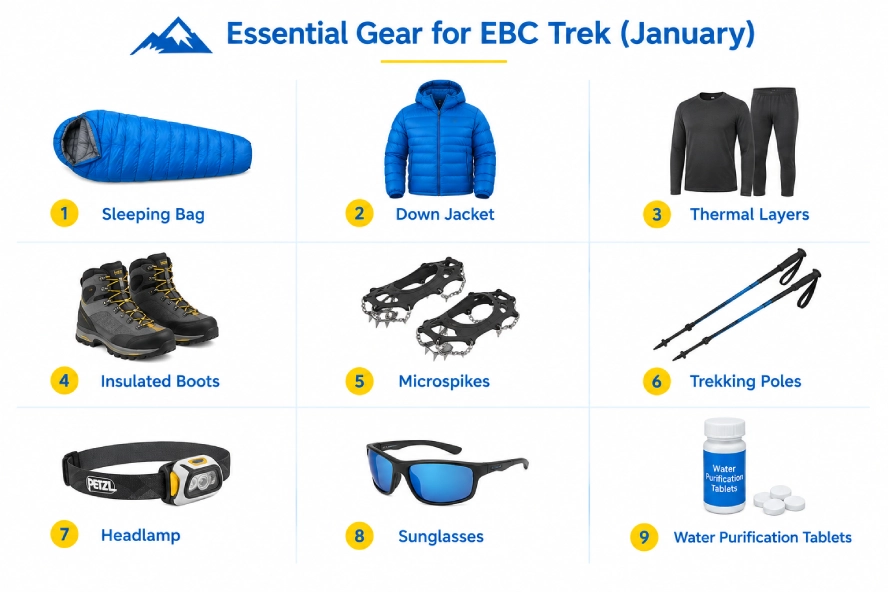
The essential gear for the Everest Base Camp Trek in January includes warm clothing - reliable footwear and cold-weather equipment to handle freezing temperatures with snow and icy trails.

- -20°C rated sleeping bag: Choose a warm sleeping bag suitable for winter nights. A liner can provide extra warmth in cold teahouse rooms.
- Insulated down jacket: A quality down jacket provides essential warmth during rest stops - evenings, and cold mornings at higher elevations.
- Thermal base layers: Pack moisture-wicking thermal tops and bottoms to retain body heat while keeping sweat away from the skin.
- Insulated trekking boots: Use waterproof - insulated boots with good ankle support and enough room for warm socks.
- Microspikes or crampons: These improve grip on icy and frozen sections - especially around higher villages and exposed trails.
- Trekking poles: Poles provide balance and reduce strain when walking on snow, ice or uneven ground.
- Headlamp: Carry a reliable headlamp with spare batteries because winter days are shorter and early starts are common.
- UV400 sunglasses: Strong mountain sunlight reflected from snow can harm your eyes so wearing sunglasses is recommended to offer full UV protection.
- Water purification tablets: Keep purification tablets as a backup for treating drinking water when safe bottled or boiled water is unavailable.
- Other useful items: Add warm gloves, wool socks - a fleece layer, waterproof shell, sun hat, sunscreen, lip balm and a small first-aid kit for additional protection and comfort.
How Much Does the Everest Base Camp Trek Cost in January?
The Everest Base Camp Trek in January costs around USD 900–1500 for a typical 12–14-day trek - depending on the guide, accommodation, flights and services selected as January is quieter in the winter months some teahouses and trekking agencies may offer lower rates than during peak spring and autumn seasons.
Cost Item | Approximate January Cost |
TIMS card | NPR 2,000 (about USD 15) |
Sagarmatha National Park entry permit | NPR 3,000 (about USD 22) |
Khumbu Rural Municipality entry fee | NPR 3,000 (about USD 22) |
Guide daily rate | USD 25–40 per day |
Porter daily rate | USD 20–30 per day |
Kathmandu–Lukla flight | About USD 200–220 one way |
Teahouse lodging | About USD 5–15 per night |
Winter off-season discount | Often 10–30%, depending on the lodge or agency |
Prices can change with government fees, flight rates, and local availability. January teahouse rates may be lower but meals and heating can cost more. Budget extra for meals, insurance, showers, Wi-Fi, charging, tips and emergency transport -plus additional nights if winter weather causes delays
What Permits Do You Need for the Everest Base Camp Trek?

Trekkers need two permits for the Everest Base Camp Trek along with a TIMS card required under current trekking regulations. These documents are checked at designated points along the route.
- TIMS card: The Trekkers’ Information Management System card records trekker details and supports route monitoring and safety.
- Sagarmatha National Park entry permit: This permit allows entry into the protected area and is required for the standard EBC route.
- Khumbu Rural Municipality Permit: Trekkers must obtain the local entry permit for the Khumbu region.
- Nepal Tourism Board: The Nepal Tourism Board and authorized offices provide information and facilitate relevant trekking permits and registration.
- Passport photo requirement: Carry a recent passport-sized photo and a passport copy when applying as requirements can vary by permit office.
- Permit checkpoints: Officials check trekking documents around Monjo and Jorsalle before trekkers continue deeper into the Everest region.
Keep original documents and copies safely accessible throughout the trek, as officials may request them at checkpoints.
What Are the Accommodation and Food Options on the EBC Trail in January?
Accommodation and food on the EBC trail in January consist of teahouse trekking, simple meals, and basic winter services. Most teahouses along the main route remain open but some smaller lodges may close or reduce services because of low winter demand. Rooms are usually simple with beds - blankets and limited heating, while dining rooms may have a heated stove where trekkers can warm up and eat comfortably. Meals commonly include dal bhat, noodles, soups, potatoes, eggs, pasta and other basic dishes. As temperatures fall at higher elevations food choices can become more limited. Boiled drinking water is widely available from teahouses and is a safer option than untreated water. Trekkers should carry purification tablets as an additional backup. Booking is generally easier in January because fewer trekkers are on the trail although checking lodge availability before reaching higher villages is still recommended.
Are Teahouses Open in January?

Most teahouses on the EBC trail in January are open, but fewer operate compared with the busy spring and autumn seasons. In higher villages such as Lobuche and Gorak Shep, some lodges may close for winter - so accommodation choices can be limited. It is recommended to check availability or arrange accommodation in advance especially before reaching the highest sections of the trail. Open teahouses generally provide basic rooms and shared dining areas, with heating focused on the main dining room. A yak-dung stove is commonly used to keep the dining area warm during cold evenings. Bedrooms are usually unheated - so trekkers should request extra blankets or duvets for warmth. Carrying a suitable winter sleeping bag is still important because temperatures can fall well below freezing at night. Planning ahead helps avoid unnecessary delays or long walks between available lodges.
What Food and Water Options Are Available?

Food and water on the January EBC trek consist of simple teahouse meals - hot drinks and treated drinking water suitable for cold winter conditions.
- Dal bhat: Rice, lentil soup - vegetables and pickles provide a filling and widely available meal for trekkers.
- Garlic soup: Garlic soup is traditionally associated with helping at altitude but it should not be considered a proven treatment or prevention for altitude sickness.
- Boiled water: Teahouses commonly provide boiled drinking water making it a practical option for staying hydrated.
- Water purification tablets: Carry tablets as a backup when boiled water is unavailable or for treating other safe water sources.
- Bottled water: Bottled water becomes more expensive at higher elevations and can cost roughly USD 1–4 per litre depending on the location.
- Hot drinks: Ginger tea and lemon-honey-ginger tea are popular choices for warmth and hydration during cold January days.
Trekkers should drink regularly, avoid relying only on caffeinated drinks and carry a reusable bottle or insulated flask for winter conditions.
Is Altitude Sickness a Risk on the Everest Base Camp Trek in January?
Altitude sickness is a risk on the Everest Base Camp Trek in January because high elevations - rapid altitude gain and cold conditions can make acclimatization difficult. Acute Mountain Sickness (AMS) commonly causes headache - nausea, dizziness, fatigue and loss of appetite.

- Acclimatization days: Rest days at Namche Bazaar and Dingboche allow the body more time to adjust before moving toward higher elevations. Gradual ascent is one of the main ways to reduce altitude-illness risk.
- Acetazolamide (Diamox): This medicine can help prevent AMS for some trekkers. Consult a doctor before the trek to determine whether it is suitable for you.
- Watch symptoms: Do not continue ascending if headache - nausea, dizziness or other symptoms are worsening. Descent is the key treatment for serious altitude illness.
- Gamow bag: A portable hyperbaric chamber can provide temporary treatment when descent is not immediately possible but it should not replace descent.
- Helicopter evacuation: Severe cases may require helicopter evacuation when walking descent is unsafe or impractical.
- Cold and dehydration: January's cold - dry conditions can make it easy to drink less than needed. Staying adequately hydrated supports safe acclimatization.
How Can You Prevent Frostbite and Hypothermia in Winter?
Frostbite and hypothermia are prevented on a winter EBC trek by keeping the body dry, warm and properly protected throughout the day.
- Use layered clothing: Wear a moisture-wicking base layer, insulating mid-layer and waterproof outer shell so you can adjust clothing as temperatures change.
- Cover your extremities: Protect fingers - toes, ears and nose with warm gloves, wool socks, a beanie and a face covering. These areas lose heat quickly.
- Avoid wet or damp clothing: Change sweaty socks and clothing promptly and keep your spare layers dry inside waterproof bags.
- Drink warm liquids regularly: Carry a thermos with warm water - tea or soup and drink regularly - even when you do not feel very thirsty.
- Recognize early frostbite signs: Numbness, tingling, pale or waxy-looking skin and loss of feeling can indicate early frostbite. Warm the affected area safely and seek medical help.
- Wear insulated waterproof boots: Choose winter trekking boots with good insulation and enough space for warm socks without restricting circulation.
What Safety Measures and Guide Requirements Apply to a January EBC Trek?
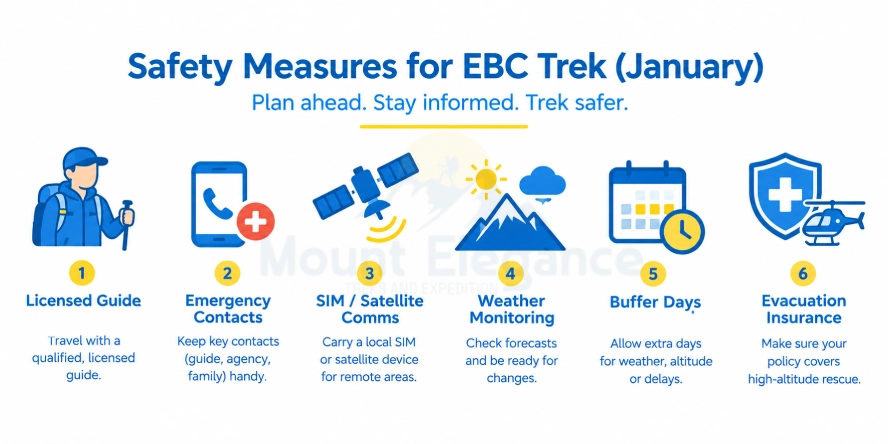
The key safety measures for a January EBC trek are especially important given the added risks of cold weather, snow and reduced visibility during winter months.

- Mandatory licensed guide rule - Nepal’s Department of Tourism confirmed on March 30, 2023 that all foreign trekkers, whether solo or groups, must be accompanied by a government-licenced guide. This rule matters even more in winter when trail conditions demand local expertise
- Trekking agency emergency contact details - keeping direct contact information for your agency ensures quick coordination if plans chance or an emergency arises along the route
- Local sim or satellite communication - reliable communication becomes critical in remote snow affected areas where cell coverage can be inconsistent, especially above Namche Bazaar
- Daily weather monitoring - checking forecasts each morning helps guides and trekker make informed decisions about pacing, rest days or altering plans if conditions worsen
- Buffer itinerary days - building in extra days accounts for potential Lukla flight delay or unexpected trail closures caused by heavy snowfall
- Travel insurance with helicopter evacuation coverage - given January’s harsher conditions and higher altitude sickness risk, emergency helicopter evacuation is considered essential rather than optional
Do You Need a Guide for the Trek?
A licenced guide is required for the Everest Base Camp Trek because Nepal’s government introduced a mandatory-guide rule in 2023, ending the option for foreign trekkers to walk the route independently. Guides must be registered through the Trekking Agencies Association of Nepal (TAAN) ensuring they meet proper training and certification standards before leading trekkers into the Khumbu region. Beyond fulfilling the legal requirement, a licensed guide brings genuine value through local trail knowledge, helping navigate route changes, weather shifts and altitude-related concerns that solo trekkers might otherwise struggle to manage safely. Many trekking agencies also allow travelers to request a specific guide, whether based on a previous trek, personal recommendation or particular language needs giving trekkers some flexibility even within the mandatory system now in place across most of Nepal’s major trekking regions.
What Is the Elevation of Everest Base Camp?
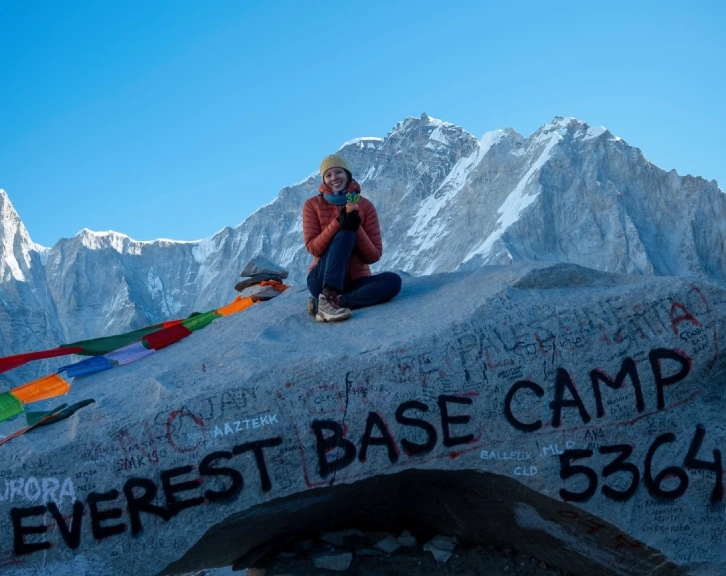
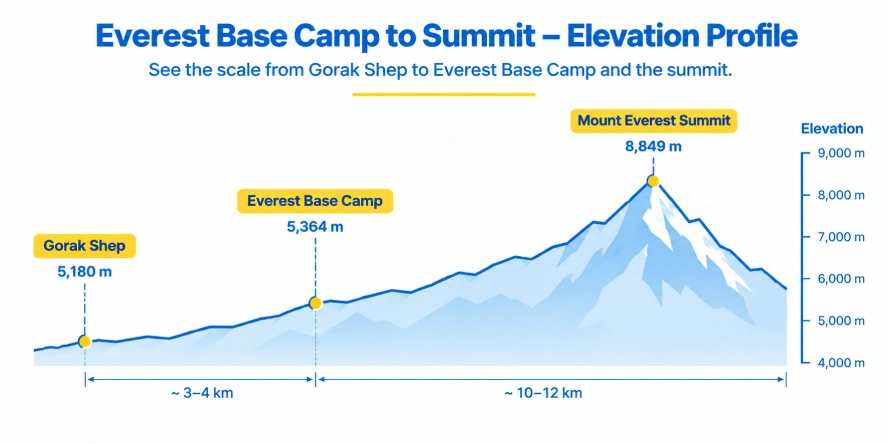
The elevation of Everest Base Camp is 5364 meters, making it one of the highest points most trekkers will ever reach without technical climbing equipment. The final overnight stop before reaching this milestone is Gorak Shep, sitting slightly lower at 5164 meters where trekkers typically rest before pushing on to Base Camp itself, For comparison, Mount Everest’s summit towers far above at 8849 meters meaning Base Camp still sits roughly 3485 meters below the true peak. Interestingly, Everest’s summit isn’t actually visible from the base camp. Since surrounding ridgelines and the Khumbu Icefall block direct sightlines to the top. Most trekkers instead get their best summit views from nearby viewpoints like Kala Patthar, which offers a much clearer angle on Everest than Base Camp’s more enclosed, glacier-side location.
Kala Patthar: What Is the Highest Viewpoint on the EBC Trek?

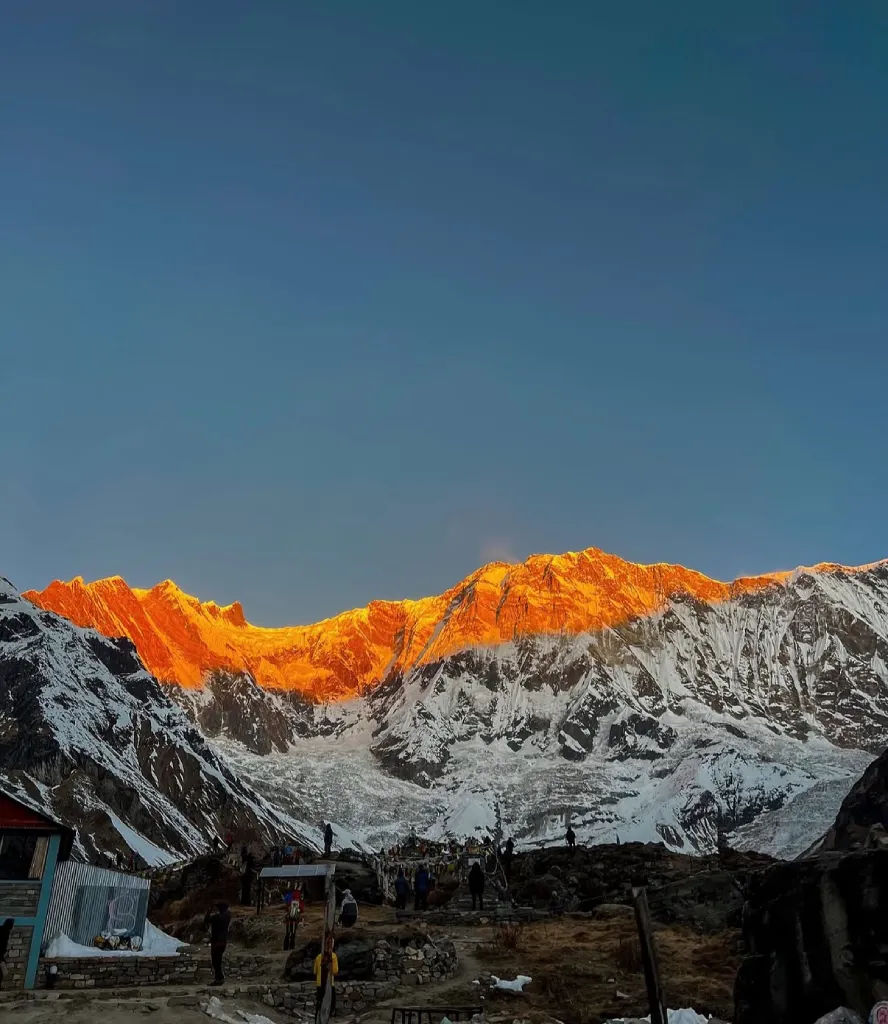
Kala Patthar is the highest viewpoint on the EBC trek at 5545 meters, offering what many consider the single best panoramic view of Mount Everest along the entire route. Trekkers typically begin their ascent from Gorak Shep well before dawn, aiming to reach the summit in time for sunrise, when the first light hits Everest and the surrounding peaks in a striking gold glow. This pre-dawn climb is cold and demanding but the reward is a clear, unobstructed view that Base Camp can’t offer, since Everest’s summit remains hidden from lower vantage points. Winter visits, including January treks often come with an added advantage: fewer clouds and clearer skies mean a higher chance of catching an unobstructed sunrise, even though the cold at the hour can feel especially intense.
Who Should Trek to Everest Base Camp in January?
The Everest Base Camp Trek in January suits a fairly specific type of trekker, given the demanding cold-weather conditions involved. Cold-tolerant, physically fit trekkers who don’t mind sub-zero temperatures and shorter daylight hours tend to get the most out of this winter window especially those who come prepared with proper gear and realistic expectations. Experienced winter hikers, familiar with snow-covered trails and the added physical toll of trekking in freezing conditions generally adapt more easily than those attempting their first serious cold-weather trek. Photographers also find January especially rewarding since clear skies and reduced haze often produce some of the sharpest, most dramatic mountain views of the entire year. Strong cardio-focused physical preparation beforehand makes a real difference too, helping trekkers handle both the altitude and the added strain of walking in heavy winter layers.
What Other Treks and Landmarks Can You Explore in the Everest Region?

The Everest region offers several treks and landmarks beyond Everest Base Camp for those looking to extend their time in the Khumbu region. Gokyo Lakes, a strumming cluster of turquoise glacial lakes, draws trekkers seeking a quieter lake, draws trekkers seeking a quieter alternative with equally dramatic mountain views, often paired with a climb up Gokyo Ri for sweeping panoramas. The Three Passes Trek offers a more challenging, extended route linking Everest Base Camp with Gokyo Valley via three high mountain passes appealing to experienced trekkers wanting a longer, more rewarding journey. Along nearly any route through the region, trekkers pass through traditional Sherpa villages like Namche Bazaar, Khumjung and Pangbouche each offering a glimpse into local culture, monasteries and daily mountain life. Tengbouche Monastery remains a must-see landmark too, regardless of which specific trekking route travelers choose to follow through this remarkable Himalayan region.
What Alternative Treks Are Available in the Everest Region in January?
Alternative treks in the Everest region in January include a few solid options for those wanting a different experience than the classic Base Camp route.
- Everest Panorama Trek - a shorter, less demanding trek that offers impressive mountain views without pushing to extreme altitude making it a good choice for trekker wanting a taste of the Khumbu region in less time
- Gokyo Lakes Trek - takes trekkers to a stunning series of turquoise glacial lakes with January’s clear winter skies often producing especially sharp reflections and mountain visibility
- Pikey Peak Trek - a lower-altitude option known for expansive Everest views without the extreme cold or altitude risks found on the main EBC route making it more accessible during winter
- Everest Three Passes Trek - a longer far more-demanding route linking multiple high passes, generally suited only for experienced winter trekkers due to its difficulty and exposure in January conditions
Namche Bazaar and Tengboche Monastery: What Role Do They Play on the Trail?

Namche Bazaar and Tengboche Monastery are key stops on the EBC trail because each plays a distinct role in the trekking experience, beyond simply being waypoints along the route. Namche Bazaar sitting at 3440 meters serves as the trail’s main acclimatization hub where trekkers typically spend an extra day adjusting to altitude before pushing higher into the Khumbu region. According to Nepal Tourism Board every Saturday morning Namche Bazaar gears up for its weekly market fair giving trekkers a lively glimpse into local trade and Sherpa culture during their rest day. Further along the trail, Tengboche Monastery at 3867 meters stands as the largest monastery in the Khumbu region offering a meaningful spiritual and cultural stop with sweeping views of Everest and Ama Dablam framing the site. Together these two stops give trekkers. A deeper connection to Sherpa culture beyond just scenery and altitude gain.
How Does January Compare to Other Everest Base Camp Trekking Months?
January compares to other Everest Base Camp trekking months as follows, standing out as the coldest but quietest and most budget-friendly option of the year.
Month | Temperature | Crowd Level | Cost |
January (winter) | Coldest, sub-zero nights | Lowest crowds | Most affordable |
March–May (spring) | Mild, pleasant | High | Moderate-to-high |
September–November (autumn) | Mild, clearest skies | Highest | Highest |
June–August (monsoon) | Warm, humid, rainy | Low | Discounted |
Is January or February Better for the Everest Base Camp Trek?
January and February differ for the Everest Base Camp Trek in a few subtle but meaningful ways. Temperatures in January tend to be the coldest of the year while February often brings a slight, gradual warming trend as winter starts easing toward spring. Snow accumulation typically peaks in January and early February, though trails often become a bit more manageable by late February as conditions begin to stabilize. Crowd levels stay low throughout both months, though February sees a gradual uptick as trekkers start returning ahead of the spring season. Everest Base Camp Trek in February also often coincides with Losar, the Sherpa and Tibetan New Year, adding a festive cultural element to the trek that January generally lacks, giving trekkers a chance to witness local celebrations, traditional dances, and monastery rituals along the route.
How Does the Everest Base Camp Trek in January Differ from November?
The Everest Base Camp Trek in November differs from January in both weather character and overall trail atmosphere. November falls at the tail end of the post monsoon autumn season offering some of the clearest skies and most stable weather of the entire year while January brings the full weight of Nepal's winter cold with sub-zero temperatures and snow-covered trails becoming the norm. Crowd levels tell a similarly contrasting story since November ranks among the busiest trekking months alongside October drawing large numbers of trekkers eager for autumn’s reliable conditions, whereas January sees a dramatic drop-off in trail traffic. This shift in crowds also affects teahouse availability, with November often requiring advance booking due to high demand while January trekkers generally find rooms far more available along with quieter dining halls and more relaxed service throughout the journey.
Is Everest Base Camp Trek Colder in January Than December?
The Everest Base Camp Trek is colder in January than December because the coldest month at Everest Base Camp is generally January, when daytime temperatures range from around -10°C to -15°C and nighttime temperatures can drop to -20°C or lower, while EBC during December stays comparably milder, with daytime highs closer to 4°C. For a full breakdown of that month, see our Everest Base Camp Trek in December guide. The temperature gap between the two months is often 5 to 10 degrees colder in January, especially overnight at higher camps. Teahouse closures also become more common in January than December, since a handful of higher-altitude lodges that stay open in early winter shut down entirely once temperatures bottom out mid-season.
When Is the Best Time to Trek to Everest Base Camp?
The best time to trek to Everest Base Camp is generally spring, from March to May or autumn from September to November when stable weather, clear skies, and manageable trail conditions make for the most reliable overall experience. These two windows draw the largest number of trekkers each year, offering the most predictable mountain views alongside easier logistics for flights and teahouse bookings. Shoulder months like June and late autumn into early winter offer a trade-off, balancing quieter trails and lower costs against slightly less consistent weather. Winter, spanning December through February, appeals to a smaller, more niche group of trekkers who prioritize solitude, budget savings, and dramatic snow-covered scenery over comfort, accepting extreme cold and shorter days in exchange for an almost empty trail and a more personal, rugged Himalayan experience.