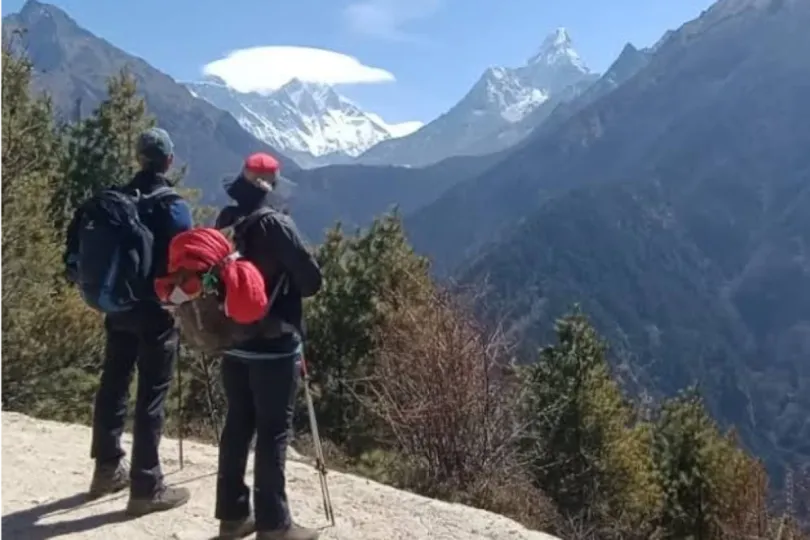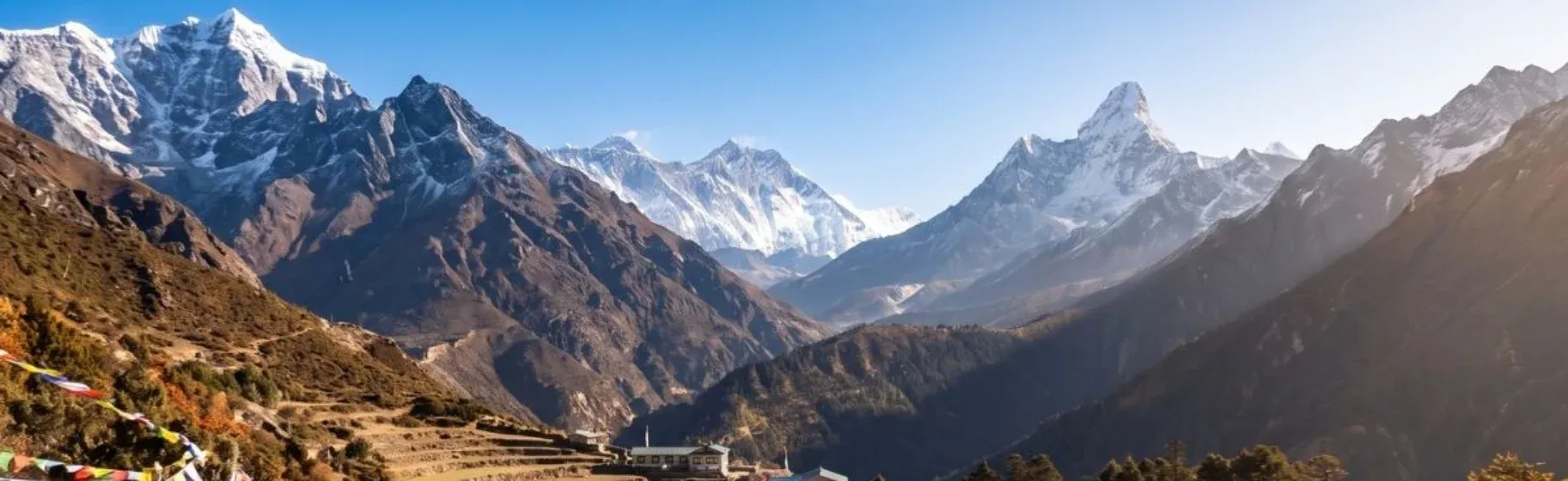

Everest Base Camp Trek in September sits right in that sweet spot between chaos and crowds - the monsoon's finally packed up, but October's peak-season rush hasn't hit yet. September marks the beginning of Nepal's autumn trekking season, and honestly, it feels like the mountains are just settling back into themselves after weeks of rain. Covering roughly 130 km (81 miles) round trip from Lukla, the trail winds through Sagarmatha National Park and deep into the Khumbu region, with Mount Everest, Lhotse, Ama Dablam, and Nuptse all coming into view along the way. What makes this post-monsoon stretch worth considering is exactly that - it's a genuine transition month between monsoon and dry autumn, so trails are still drying out and skies are clearing bit by bit. The upside? You get fewer crowds than October, quieter teahouses, and hillsides still holding onto that lush, just-rained-on green before everyone else shows up.
Weather and Temperature During EBC Trek in September

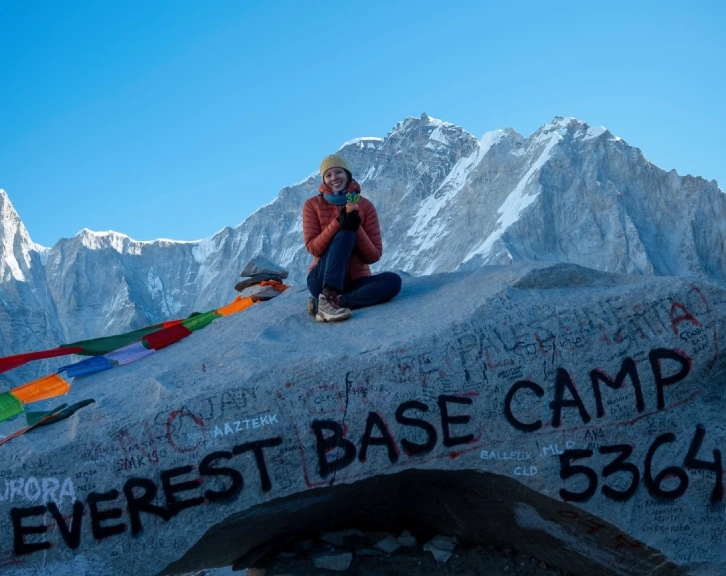
As a transition month between monsoon and autumn, September brings a noticeable daytime vs nighttime swing across the trail, with conditions varying sharply depending on elevation. Lower stoplike Namche Bazaar and Tengboche stay relatively mild, while temperatures drop fast higher up, especially near Gorakshep and Everest Base Camp elevation (5364m/17598ft), where nights turn genuinely cold. The breakdown below covers what to expect at each stage.
Morning Temperatures at Everest Base Camp in September
Mornings near Everest Base Camp and Gorakshep tend to hover between -2°C to 2°C (28°F to 36°F), a sharp, biting cold that catches many trekkers off guard right after sunrise. Lower down the trail, conditions feel noticeably gentler, with Namche Bazaar and Tengbouche seeing morning temperatures around 5°C to 10°C (41°F to 50°F). Given this swing, layered clothing isn't optional - starting the day bundled up and shedding layers as the sun climbs higher is the smartest way to stay comfortable throughout the morning trek.

Daytime Temperatures at Everest Base Camp in September

Daytime conditions near Everest Base Camp are noticeably milder than the morning chill, typically ranging from 8°C to 15°C. Down at Namche Bazaar, the afternoon feels pleasant, light base layer possible, with plenty of sunshine to warm things up. Overall, September delivers genuinely comfortable hiking conditions, no extreme heat/cold, making midday walking stretches enjoyable rather than something to brace against.
Nighttime Temperatures at Everest Base Camp in September
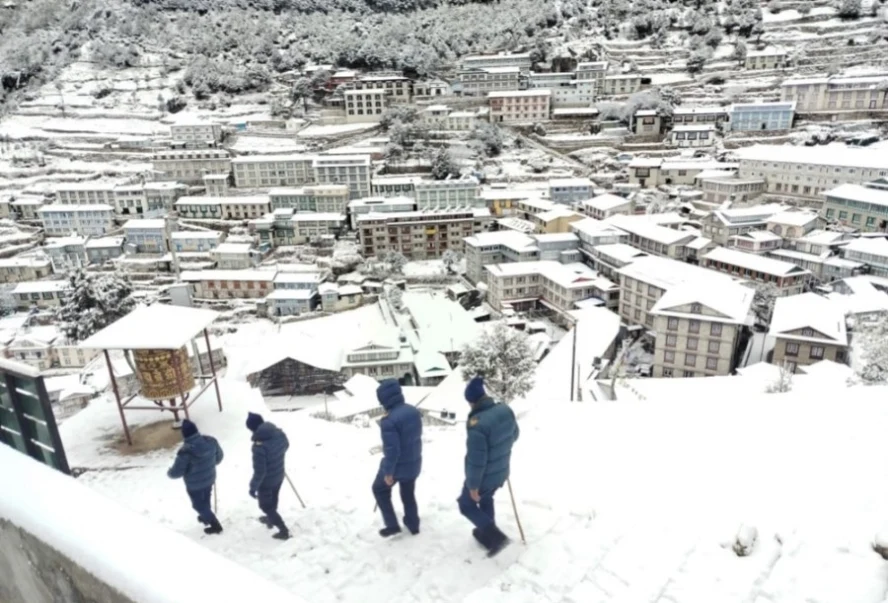
Nights near Everest Base Camp and Gorakshep drop sharply, typically setting between -5°C to 0°C (23°F to 32°F). Lower down, Namche Bazaar and Dingbouche stay comparatively milder, ranging around 2°C to 8°C (36°F to 46°F). Given these swings, a quality down jacket and warm sleeping bag recommendation isn't just comfort - it’s essential for getting proper rest at higher elevations after dark.
Chances of Rain and Snow in September on the EBC Trail

Early September still carries lingering monsoon influence, with occasional showers, slippery trails and cloudy afternoons remaining fairly common, especially around Namche and Tengboche where afternoon mist tends to roll in unpredictably. Trekkers starting their journey during this window should expect the occasional muddy stretch and reduced visibility on the same days. By mid to late September - drier, cleaner, improving visibility becomes the norm, as the monsoon fully retreats and autumn conditions take hold. Snowfall is uncommon and generally light at this time of year, so while a light dusting is possible at higher elevations, heavy snow accumulation isn’t typically a concern in September.
Is September a Good Time for the Everest Base Camp Trek?
Yes, September is widely regarded as one of the smarter picks when weighing the best time for Everest Base Camp Trek, especially for those wanting to avoid peak-season chaos. Favorable weather, post-monsoon scenery, manageable crowds all come together nicely this month, offering clearing skies, lush green valleys, and noticeably quieter trails compared to what's ahead. Stack it against October, the busiest month on the calendar, and September starts looking even better - fewer trekkers jousting for teahouses rooms, shorter waits at viewpoints and a more relaxed overall pace. For trekkers prioritizing solitude over guaranteed perfect visibility, September delivers a genuinely rewarding balance.
What Makes September a Good Month for EBC Trekking?
September earns its reputation as a strong trekking month for several overlapping reasons, each contributing to a smoother, more enjoyable experience on the trail. From fresh scenery to improving weather patterns, the month strikes a genuine balance that appeals to a wide range of trekkers.
Fresh Post Monsoon Landscapes
The trail comes alive with lush pine forests, blooming rhododendron patches and vividly green terraced hillsides, all freshly washed by the departing monsoon rains.
Improving Mountain Visibility
Skies clear steadily as the month progresses, offering excellent mountain visibility improving through the month , with peaks becoming sharper and more consistently visible by late September.
Comfortable Daytime Temperatures
Mild, comfortable daytime temperatures make long walking stretches genuinely pleasant, avoiding both the intense summer heat and the biting cold of deep winter months.
Start of Peak Season
September marks the beginning of peak autumn trekking season, tea houses reopening after quieter monsoon months, with lodges and facilities gearing back up for the busier stretch ahead.
Fewer Crowds Than October
Trekkers benefit from noticeably less crowded than October, enjoying quieter trails, easier accommodation bookings, and a more relaxed pace before the peak rush arrives.
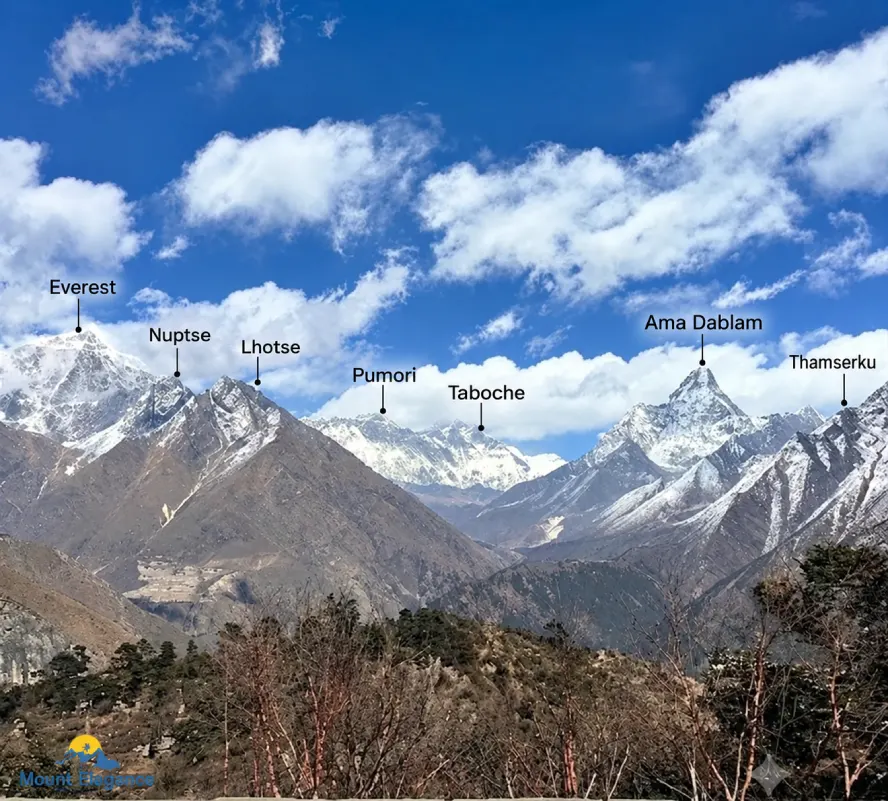
Mountain Visibility in September: Everest, Lhotse, Ama Dablam and More

By mid-to-late September, skies clear enough to reveal one of the most impressive lineups of peaks anywhere on Earth. As trails dry out and visibility sharpens, trekkers can expect increasingly clear sightings of:
- Mount Everest (8,848.86 m / 29,031 ft)
- Lhotse (8,516 m / 27,940 ft)
- Nuptse (7,861 m / 25,791 ft)
- Ama Dablam (6,812 m / 22,349 ft)
- Thamserku (6,608 m / 21,680 ft)
- Pumori (7,161 m / 23,494 ft)
- Taboche (6,495 m / 21,309 ft)
- Makalu and Cho Oyu, visible from select vantage points along the route
Together, these peaks create a striking, ever-present backdrop throughout the trek, rewarding patient trekkers with some of the season's best mountain photography opportunities.
Pros and Cons of Trekking to Everest Base Camp in September

pros:
- Green nature - trees, flowers, and hills look fresh and clean after the rains
- Better mountain views - the sky gets clearer as the month goes on, especially after mid-September
- Nice weather - daytime is pleasant, not too hot and not too cold
- Fewer people - trails are quiet and it is easy to find places to stay before October crowds arrive
- Start of the main season - autumn is the best time for hiking in this area
- Fresh air - the rain cleans the air, making it crisp and nice to breathe
- Lots of open lodges - teahouses are open and have plenty of room
cons:
- Rain and clouds early in the month - it can still rain during the first two weeks
- Muddy trails - the ground can be wet and slippery, especially between Lukla and Namche
- Flight delays in Lukla - bad weather can push back your flights early in the month
- Cold nights - it gets very cold at night near Everest Base Camp, going below freezing
- Altitude sickness - walking high up in the mountains can still make you sick, so you must walk slowly and take rest days
Major Highlights of the Everest Base Camp Trek in September
September's transitional window brings a distinctive set of highlights that make the trek genuinely memorable, blending fresh scenery with iconic Himalayan landmarks along the way.

- Post-monsoon lush green Sagarmatha National Park, with hillsides and forests looking especially vibrant after weeks of rain
- Clear views of Everest, Lhotse, Nuptse, Ama Dablam, and Makalu, sharpening noticeably as the month progresses
- Namche Bazaar, the region's bustling Sherpa hub, offering culture, shops, and mountain panoramas
- Tengboche Monastery, a spiritual highlight with Everest and Ama Dablam framing the backdrop
- Everest Base Camp itself, sitting at 5,364 m/17,598 ft, the trek's ultimate destination
- Kala Patthar (5,545 m/18,192 ft), famous for unbeatable sunrise and sunset views over Everest
- Landing at Tenzing-Hillary Airport in Lukla, one of the world's most thrilling airstrip approaches
- Sherpa villages including Phakding, Namche, Tengboche, Dingboche, Lobuche, and Gorakshep, each with its own character
- Waterfalls and full rivers, especially along the Dudh Koshi, swollen and scenic post-monsoon
- Fewer crowds than October, allowing for a more relaxed, personal trekking experience
- Excellent post-monsoon photography conditions, with clean air and dramatic, cloud-framed peaks
Trail Conditions and Crowd Levels on the EBC Trek in September
The Everest Base Camp trail winds through Sagarmatha National Park, UNESCO World Heritage Site, covering roughly 130 km / 81 miles round trip from Lukla through varied terrain. Along the way, trekkers pass through traditional Sherpa villages, alpine terrain, and shifting landscapes, with trail conditions and crowd levels varying noticeable depending on which week of September you set out.
Trail Conditions in Early September
Early in the month, you're still dealing with some lingering monsoon effects - rain showers, wet stone staircases, muddy sections, cloudy afternoons, especially once you get near Namche and Tengboche. Honestly, the slippery footing on those stone steps catches a lot of trekkers off guard, and afternoon cloud buildup can cut visibility down pretty fast. Still, the trail stays well-maintained despite conditions, so paths remain passable and manageable for anyone reasonably prepared heading into this transitional stretch.
Trail Conditions in Late September
By the second half of the month, drier, clearer skies, firmer paths become the norm, replacing the lingering mud and cloud cover of early September. Trails firm up noticeably underfoot, making footing far more secure on steeper stretches. Many consider this stretch some of the best trail conditions of the autumn season.
Crowd Levels on the Everest Trail in September
Crowd levels shift noticeably across the month, with the first half of month quieter, gradual increase toward late September as more trekkers arrive once trails dry out. Even with this uptick, the trail remains less crowded than October (peak month), giving trekkers a comparatively relaxed pace throughout most of September. Tea house availability - good early, tighter toward month-end, so travelers setting out in the later weeks should consider booking accommodations ahead, particularly in popular stops like Namche and Tengboche.
Difficulty Level of the Everest Base Camp Trek in September

The Everest Base Camp Trek is a genuinely challenging journey, covering a total distance ~130 km/81 miles round trip through steep, high-altitude terrain. Trekkers gain significant elevation along the way, climbing from Lukla (2,860 m/9,383 ft) all the way up to Everest Base Camp (5,364 m/17,598 ft), a gradual but demanding ascent spread across multiple days. Altitude remains the biggest concern throughout, with AMS (acute mountain sickness) risk above 5,000 m requiring careful pacing, proper acclimatization days, and close attention to how the body responds as elevation increases.
September brings its own set of weather-related challenges too, including:
- Early-month rain lingering from the retreating monsoon
- Cold mornings and nights, especially at higher elevations
- Rapid weather shifts that can appear with little warning
- Possible flight disruption affecting Lukla arrivals and departures
Is the September EBC Trek Suitable for Beginners?
Yes, the Everest Base Camp Trek in September is genuinely achievable for beginners, provided proper preparation goes into it beforehand. No technical climbing or mountaineering skill required, since the trail itself is simply a long, steep walk rather than anything requiring ropes, crampons, or specialized gear. That said, physical readiness still matters significantly for a comfortable experience.
Beginner prep should include:
- Building cardiovascular fitness through regular running, cycling, or stair climbing
- Practicing long-distance hiking to build stamina for consecutive walking days
- Strengthening legs to handle steep, sustained ascents and descents
- Following a proper acclimatization schedule, including rest days at Namche Bazaar and Dingboche
Accommodation and Food During the EBC Trek in September

With teahouses fully operational at the start of autumn season, trekkers benefit from good availability and comfortable, reliable lodging throughout the route, a welcome shift after the quieter monsoon months.
Accommodation
Most teahouses offer simple twin beds, shared bathrooms, ideal for keeping costs manageable while still providing a clean, comfortable place to rest each night. Namche Bazaar has attached- bathroom options for trekkers wanting a bit more comfort, though these rooms typically cost slightly more and can fill up quickly during busier weeks.
Food
Meals along the trail are hearty and filling, centered around dal bhat as the trekker staple, prized for its unlimited refills and steady energy. Beyond dal bhat, menus typically include fried rice, noodles, momos, soups, pancakes, eggs, and porridge, offering enough variety to keep meals interesting across multiple trekking days. Warm drinks like tea, coffee, and hot chocolate are widely available too, perfect for warming up after a cold morning or evening on the trail.
Permits Required for the Everest Base Camp Trek
Permit | Cost | Where Obtained |
Khumbu Pasang Lhamu Rural Municipality Entrance Permit | NPR 2,000 | Lukla or Monjo (not available in Kathmandu) |
Sagarmatha National Park Entry Permit | NPR 3,000 | Kathmandu NTB office or Monjo gate |
Gaurishankar Conservation Area Permit (only if entering via Jiri) | NPR 3,000 | Kathmandu NTB office |
What to Pack for the Everest Base Camp Trek in September

Packing for the Everest Base Camp trek in September means preparing for changing weather, cool mornings with sunny afternoons with unpredicted rain. Choose lightweight, moisture-wicking clothing and reliable trekking gear that can handle both lower-altitude trails and colder conditions higher up.
Clothing:
- Sweat-absorbing base layers for managing sweat and keeping you comfortable.
- Lightweight trekking shirts for warm daytime temperatures.
- Fleece jacket to beat cool mornings and evenings.
- Insulated down jacket for higher elevations and cold nights.
- Waterproof shell jacket and pants for rain protection.
- Comfortable trekking pants for long walking days.
- Thermal underwear for colder nights to keep yourself warm.
- Warm gloves for high-altitude sections.
- Sun hat for protection from strong mountain sunlight during daytime.
Gear Essentials:
- Waterproof trekking boots with good ankle support which will make your walking days comfortable.
- Trekking poles for stability on uneven trails.
- 30–40L daypack with a rain cover.
- Headlamp with spare batteries.
- UV-protection sunglasses and sunscreen.
- Reusable water bottle, plus purification tablets or a filter.
- Cold-rated sleeping bag for chilly nights.
- Power bank for charging essential devices.
- Basic first-aid kit for minor injuries and common needs.
Optional Items
Gaiters, camera, dry bags, energy bars, lip balm, umbrella, travel pillow, and earplugs.
Wildlife and Scenery on the EBC Trek in September

September brings a refreshing mix of lush landscapes, flowing rivers and emerging mountain views along the Everest Base Camp Trek. After the monsoon - trails gradually become clearer, while forests remain green and vibrant.
Wildlife in Sagarmatha National Park
Much of the route passes through Sagarmatha National Park, a UNESCO World Heritage Site known for Himalayan biodiversity. In forest sections between Lukla and Namche - trekkers may spot Himalayan thar and musk deer. Red pandas are also rarely seen, although sightings are rare.
Lush Forests and Waterfalls
Rhododendron and pine forests are particularly vivid after the monsoon, adding rich greenery to lower sections of the trail. Dudh Koshi River runs full during September, while seasonal waterfalls rundown surrounding slopes.
Mountain Views
From mid-September you can see improving conditions in weather that brings clearer views of Everest, Lhotse and Ama Dablam. As clouds gradually retreat mountain scenery becomes one of September’s most rewarding highlights.
Nepali Festivals During September
September can be a culturally vibrant month in Nepal with several important festivals and public celebrations taking place across different communities. Festival dates change each year because they follow Nepal’s Lunar and Bikram Sambat calendars, so travelers should check the local calendar before planning around a specific celebration.
Teej (Women’s Festival): Usually celebrated in August or September Teej is an important Hindu women’s festival marked by fasting - prayers, singing - dancing and traditional red clothing.
Dashain: Usually falls in September or October and is Nepal’s longest and most widely celebrated festival. It is also a major government holiday when families gather for blessings and celebrations during this time.
Indra Jatra: Usually held in September, this vibrant festival is celebrated throughout Kathmandu Valley, especially in Kathmandu, with processions, chariot displays, masked dances and traditional rituals.
Jitiya Festival: Usually celebrated in September - Jitiya is observed mainly in the Terai and parts of Kathmandu Valley particularly by women praying for family well-being.
Constitution Day: Celebrated on September 20 this is an official national holiday commemorating Nepal’s Constitution.
In the Khumbu region Sherpa communities primarily follow Tibetan Buddhist traditions - so Dashain is not celebrated as widely there as in many Hindu communities elsewhere in Nepal.
Sample Everest Base Camp Trek Itinerary (13–14 Days)
Day | Stop | Notes |
1 | Kathmandu | Arrival in Kathmandu. |
2 | Phakding | Flight to Lukla then short, gentle first walking day |
3 | Namche Bazaar | Steep climb into the region's main hub |
4 | Namche Bazaar | Acclimatization day |
5 | Tengboche | Descent to river, climb to monastery village |
6 | Dingboche | Continued ascent up the valley |
7 | Dingboche | Acclimatization day |
8 | Lobuche | Final village before the glacier stretch |
9 | Gorak Shep | Last stop before base camp |
10 | Everest Base Camp (5,364m) | Day hike from Gorak Shep and back |
11 | Kala Patthar (5,545m) | Sunrise viewpoint, then descent begins |
12-14 | Return to Lukla | Retrace the route, flight back to Kathmandu |
Cost of the Everest Base Camp Trek in September
The Everest Base Camp Trek in September generally costs more than many lower-altitude treks because of the region’s remote location and challenging logistics. On the trail trekkers should budget around USD 40–60 per day for basic food, lodging, tea and coffee depending on accommodation and personal spending. A Lukla flight may cost around USD 500 for a round trip although fares can change with season and airline.
Short Cost Breakdown
Food, lodging, tea/coffee: USD 50–60 per day
Lukla flight: Around USD 200 round trip subject to change
Remote supply costs: Supplies must reach Lukla by air or road and then travel onward by porters or yaks increasing prices at higher elevations.
Guided packages: Costs vary by trekking operator - services included with the group size and itinerary length.
Tips for Trekking Everest Base Camp in September
September offers improving conditions for the Everest Base Camp Trek, but early-month rain and changing mountain weather can still affect plans, so a little preparation helps you stay comfortable and flexible throughout the journey.
- Pack waterproof gear: Early September can still bring post-monsoon showers. Carry a waterproof jacket, trekking trousers with a backpack rain cover and dry bags to protect clothing and electronics.
- Build 1–2 buffer days: Keep one or two extra days in your itinerary for possible Lukla flight delays caused by clouds, rain or poor visibility.
- Start each day early: Morning departures often provide clearer skies with better mountain visibility before clouds develop later in the day.
- Dress in layers: Temperatures can change quickly between sunny valleys, shaded forests and high-altitude areas. Carry moisture-wicking base layers - fleece and a warm insulated jacket.
- Stay hydrated: Drink water regularly and follow a gradual acclimatization schedule. Avoid rushing uphill especially after Namche Bazaar.
- Wear waterproof boots: Choose sturdy trekking boots with good ankle support and reliable grip for wet - muddy and uneven trails.
- Book in advance: Reserve flights, accommodation, guides and trekking packages ahead of time especially for late September when trekking activity increases.
- Check weather forecasts: Monitor forecasts before setting out each day - but remain flexible because Himalayan weather can change rapidly.
- Carry extra essentials: Keep spare socks with a lightweight rain cover, snacks and warm layers easily accessible during daily walks.
Everest Base Camp Trek: September vs October
September:
This month is marked as the transition from monsoon to autumn in the Everest region. It is generally quieter than October, making it a good option for trekkers who want fewer crowds and a more peaceful trail experience. Landscapes are still fresh and green after the monsoon - with vegetation looking vibrant around lower-altitude villages. Early September can still bring slight rain with clouds which can reduce mountain visibility. Conditions normally improve as the month progresses with clearer skies becoming more common toward late September. September is the best option for crowd-averse trekkers who do not mind some weather uncertainty and want to enjoy a greener landscape with fewer crowds and quiet trails.
October:
Everest Base Camp Trek in October month is considered one of the most popular months for the EBC trek and falls within peak autumn trekking season. Trails, lodges and tea houses are noticeably busier around Namche Bazaar and higher elevations. However, October generally offers more stable, dry weather and excellent mountain visibility. Clear mornings often reveal impressive views of Everest, Ama Dablam, Lhotse, Nuptse and surrounding mountain peaks. October is ideal for views-first trekkers who prioritize dependable conditions and spectacular Himalayan panoramas over quieter trails.
What is the difference between November and September Seasons?
Everest Base Camp Trek in November and September offers different trekking experiences in the Everest region. This season brings warmer, greener and quieter but the early month can still bring rain and cloudy skies. November is colder and drier, with clearer mountain views and crisp mornings. September suits trekkers who prefer moderate temperatures - while November is better for stable weather and excellent visibility.
Is September the best season?
Yes, September is the best season for trekking in the Everest region - especially from mid to late month. Monsoon rain gradually decreases, trails become drier and mountain views improve. Temperatures remain relatively comfortable at lower elevations. September also offers fewer crowds than peak autumn months making it a suitable choice for a quieter Himalayan trekking experience.
Is September a good time to trek to Everest Base Camp?
Yes, September is a good month for the Everest Base Camp trek. Rain usually starts to decrease from mid-September, while temperatures remain fairly comfortable. As the weather clears, mountain views become better and trails are generally less crowded than in October and November. Late September is usually a better choice for clearer conditions.
How cold does it get at Everest Base Camp in September?
September at Everest Base Camp is cold, especially during early mornings and nights. Daytime temperatures can stay around 0°C to 5°C, while nighttime temperatures may drop to about -5°C to -10°C. Higher winds can make it feel even colder, so warm layers, gloves, a down jacket, and a good sleeping bag are important.
What festivals happen in Nepal in September?
September can be an interesting time to visit Nepal because several festivals may fall during this month as Nepali people follow the Bikram Sambat calendar depending on the lunar calendar. Indra Jatra is one of Kathmandu’s major celebrations featuring people pulling decorated carts through the streets during the festival., masked dances and traditional rituals. Teej may also occur in September, while Gaura Parva is celebrated in some western and far-western communities, with dates changing each year.
Is the EBC trail crowded in September?
The EBC trail is generally less crowded in September than during October and November, especially in the first half of the month. As monsoon season comes to end more trekkers begin arriving, so crowds gradually increase toward late September. Overall, September offers a good balance between improving weather, mountain views and quieter trails.
Do I need to worry about rain in September?
Yes, you should still expect some rain in September, especially during the first half of the month as monsoon conditions can suddenly fade. Rain becomes less frequent toward late September with clearer skies and better mountain views. Carry a lightweight rain jacket - waterproof backpack cover and quick-drying clothes to stay comfortable during certain slight showers.