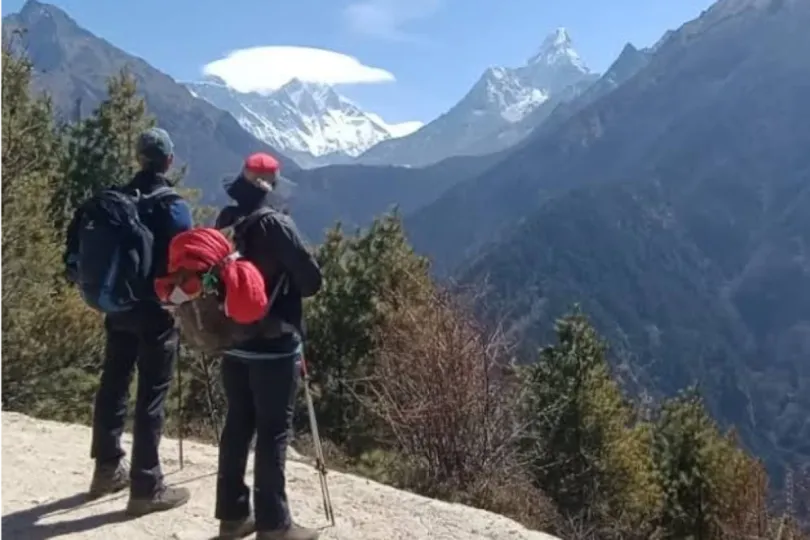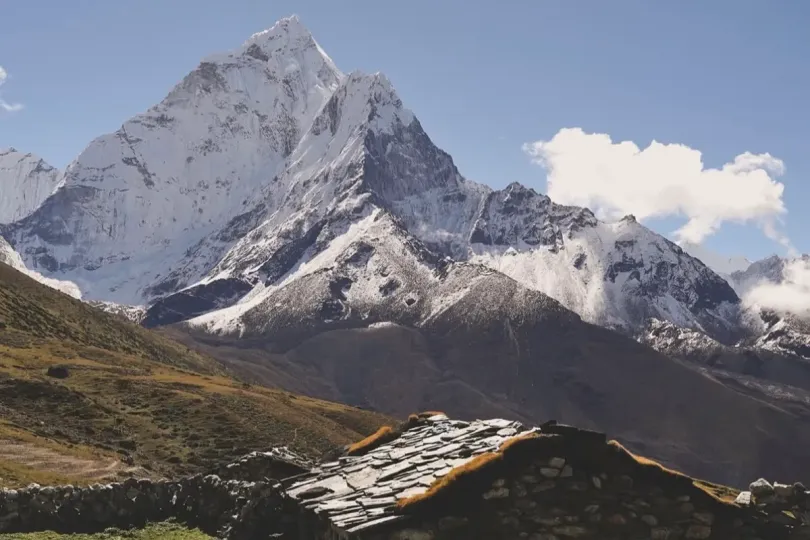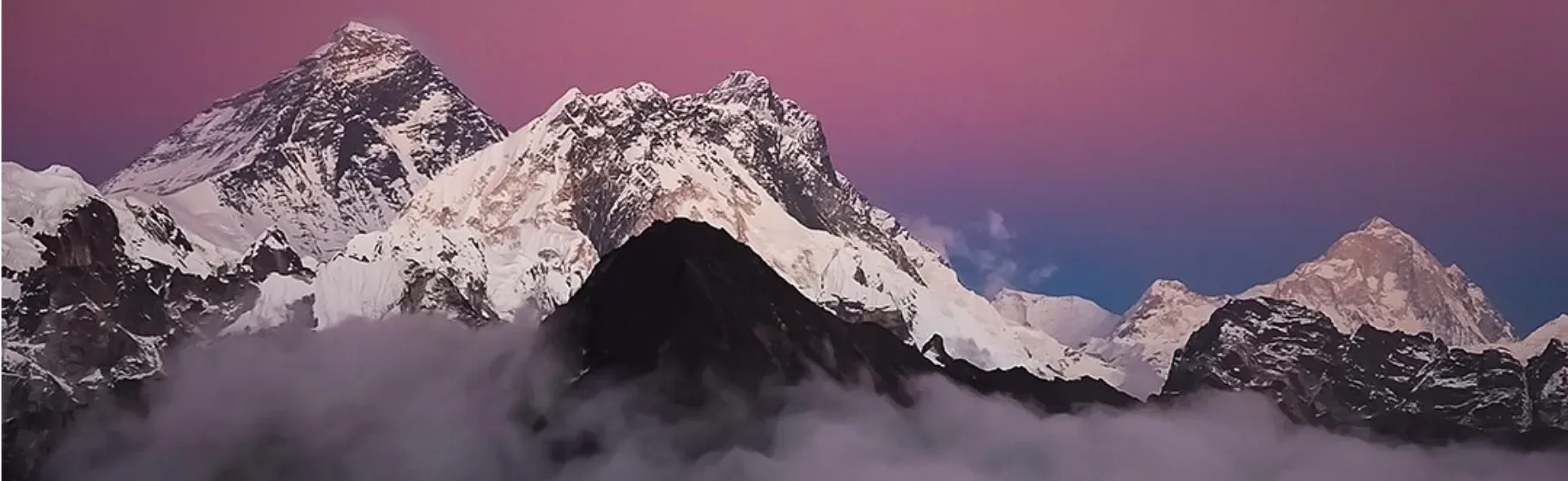

Everest Base Camp Trek in February sits at this interesting transition period in-between point - winter's quiet cold giving way to spring's approaching warmth, across the Khumbu region and Sagarmatha National Park. The weather's cold but generally clear too, and crisp skies actually give you solid mountain visibility despite the chill in the air. What really stands out is the solitude - trails stay noticeably quieter than peak season, though you should brace for genuinely cold temperatures once you're up near Base Camp. Accommodation-wise, things stay simple and mostly available, with most teahouses open, though a few higher lodges might run on reduced service. All told, it's doable, rewarding, cold but manageable - a solid pick if quiet trails matter more to you than crowds. It fits comfortably within a typical 12-14 day itinerary too, so if you're willing to embrace the cold, February hands you clear views and a trail mostly to yourself.
What Is the Everest Base Camp Trek in February Like?
Everest Base Camp trek in February is honestly a bit of a mixed bag, sitting right at the tail end of winter with spring just barely starting to peep through. People often call it a “two season in one trek” kind of experience - you start out in the cold, frosty mornings, snow-dusted landscape that the whole stark winter feels but by the time you’re deeper into the trek things start easing up a little as the month wears on.
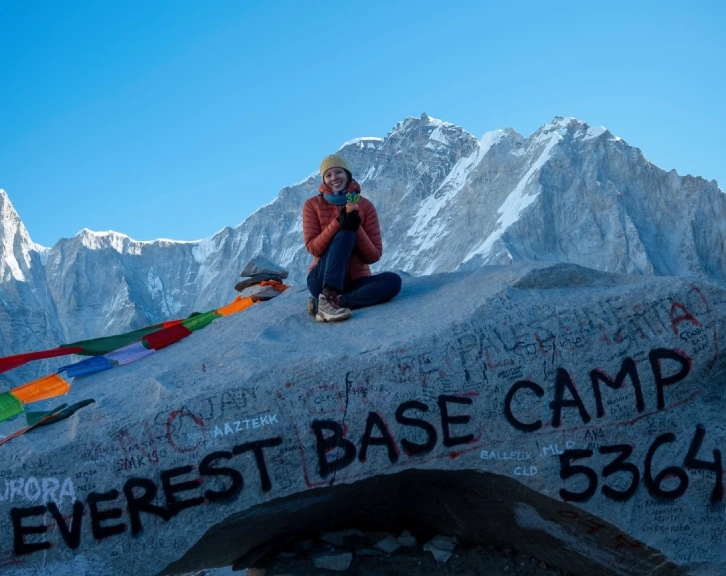
Route-wise, it’s the same path everyone takes regardless of season - fly into Lukla first, then through Sagarmatha National Park and on into the Khumbu region proper. You’ll hit the usual stop along the way: Namche Bazaar, Tengboche, lobuche and each one gives you a slightly different read on winter, loosening its grip as you climb higher and the days go by. Eventually you reach Gorak Shep, the last stop before Base camp itself and most people tack on a climb up Kala Pathar too for that classic sunrise view. The Khumbu Glacier is impossible to miss along the way either - its icy stretch looks especially dramatic against February’s sharp, clear winter air.

What Is the Weather and Temperature Like at Everest Base Camp in February?
The weather at Everest Back Camp in February ranges roughly from 6-12°C during the day at lower altitudes dropping to anywhere between -3°C to -20°C at night depending on elevation. Early February tends to run noticeably colder, holding onto winter’s harshest grip with biting mornings and frequently sub-zero conditions even during daylight hours at higher points along the trail. By late February, temperatures ease slightly, feeling milder, spring-adjacent, particularly at lower elevations like Namche Bazaar and Phakding, where the first subtle signs of the coming season start to show.
Wind remains a consistent factor throughout the month, with wind speed approximately 8-12 mph common along exposed ridgelines and higher passes, adding a noticeable chill factor beyond the raw temperature readings. Precipitation stays rare during February, with skies generally staying clear and dry, though occasional light snowfall isn't unheard of, particularly at higher elevations near Everest Base Camp itself.
Location | Elevation | Avg Daytime Temp | Min (Night) | Max (Day) |
Lukla | 2,840 m | 6-9°C | -8°C | 12°C |
Namche Bazaar | 3,440 m | 4-7°C | -10°C | 9°C |
Dingboche | 4,410 m | 0-4°C | -15°C | 6°C |
Lobuche | 4,940 m | -2 to 2°C | -18°C | 4°C |
Gorak Shep | 5,164 m | -4 to 0°C | -20°C | 2°C |
Overall, trekkers should prepare for a wide daily temperature swing, with sunny midday warmth quickly giving way to sharp, freezing nights once the sun dips behind the surrounding peaks.
What Are the Trail Conditions and Snowfall Like in February?

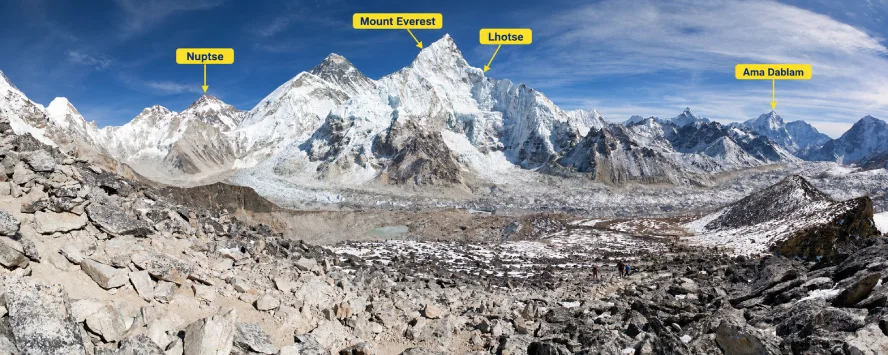
Trail conditions in February are generally favorable, offering a mix of snow-capped peaks and relatively clear/dry lower trail sections that make walking more manageable than expected. Lower down the route, the dry cold reduces mud and slippery sections vs monsoon months, meaning trekkers avoid much of the muddy, treacherous footing common during wetter seasons. Higher up, conditions shift noticeably, and crampons recommended for icy patches near Lobuche/Gorak Shep become a genuine necessity rather than optional gear, given how frozen and slick the trail can get near these higher elevations. On the upside, February's dry, stable weather brings a clear-sky, high-visibility advantage for mountain views, rewarding trekkers with sharp, unobstructed sightlines of Everest, Lhotse, and surrounding peaks throughout much of the journey, provided they're properly equipped for the icy stretches along the way.
What Are the Benefits of Trekking Everest Base Camp in February?
Trekking Everest Base Camp in February offers fewer crowds, better lodging access and clear mountain views, making it an appealing choice for trekkers willing to brave the cold. These three advantages combine to create a distinctly different experience from the busier peak seasons, one that rewards patience and proper preparation with a quieter, more personal journey through the Khumbu region. The sections below break down each benefit in more detail.
Why Are There Fewer Crowds on the Trail in February?

Trails are quieter in February because the month falls well outside the two peak trekking windows and falls well outside the two peak trekking windows, keeping both the trail and teahouses noticeably emptier than during spring or autumn's busiest weeks. This off-season status means trekkers can enjoy a more peaceful, personal experience, without the crowded viewpoints or fully booked lodges common in October or April. Booking flights also becomes easier, with easier Lukla flight ticket availability vs peak spring/autumn, reducing the stress of last-minute cancellations or fully booked seats during high season. Despite the quieter conditions, the trek remains entirely manageable and safe, since guides and porters are available year-round, ensuring trekkers still have full support and local expertise throughout the journey.
Why Is Accommodation More Available and Cheaper in February?
Accommodation is easier to find in February because teahouses simply aren't operating at capacity the way they do during peak spring and autumn months. With fewer trekkers on the trail, travelers enjoy wider teahouses/room choice since lodges aren’t full, giving them the flexibility to pick better rooms without scrambling for availability. This quieter season also brings off - season discounts a lodging, food, and sometimes flights, helping trekkers stretch their budget further compared to the pricier peak-season rates. Perhaps most appealing is the practical freedom it offers, since trekkers gain the ability to inspect a room before booking rather than pre-booking blind, walking in checking the space and deciding on the spot rather than committing sight unseen months in advance.
Why Are the Mountain Views So Clear in February?

Mountain views are especially clear in February because winter’s dry, cold air keeps cloud cover low and virtually during warmer months. This combination creates crisp, sharp sightlines throughout much of the trail, with peaks standing out in stark, well-defined detail against deep blue skies. From various points along the route, trekkers get striking views of Everest, Lhotse, Nuptse, Ama Dablam, and Island Peak, each appearing remarkably distinct in February’s clean atmosphere. The payoff is especially rewarding at Kala Pathar viewpoint, where clear February mornings often deliver some of the sharpest, most photogenic sunrise views of Everest available at any point during the entire trekking calendar.
What Are the Challenges of Trekking Everest Base Camp in February?
The biggest challenges of a February trek are extreme cold and possible flight delays with increased altitude-sickness risk. These three trade-offs can make the journey more challenging than trekking in warmer months. Cold temperatures affect comfort - flight delays can disrupt plans and high altitude requires careful consideration. The following sections explain each challenge and how trekkers can prepare for it.
How Cold Does It Get and Are Blizzards Likely?
Temperatures can fall as low as -20°C at higher camps in early February, especially at night and before sunrise. Lower villages along the Everest Base Camp trail are generally less cold but temperatures remain well below freezing at higher elevations. Blizzards are possible during winter - although they are not an everyday occurrence. Heavy snowfall, strong winds and extreme cold can sometimes make sections of the trail difficult or unsafe, leading to rare temporary trail or Base Camp closures. Conditions can change quickly in the mountains, so trekkers are advised to check live trail and weather conditions before departure. Proper winter clothing, warm sleeping gear and flexibility for changing conditions are essential for a February trek.
Why Do Lukla Flights Get Delayed in February?
Lukla flights get delayed in February because morning fog with freezing temperatures and changing mountain weather conditions can reduce visibility and make flying conditions difficult. Flights between Kathmandu and Lukla depend heavily on clear weather - so delays or cancellations may occur, particularly early in the day. These disruptions can affect your trekking schedule and connections. To avoid unnecessary stress - it is wise to build 1–2 buffer days into your itinerary. Extra days give you more flexibility if your flight is postponed and help you continue your trek without rushing or missing important parts of your planned route.
Why Is There a Higher Risk of Altitude Sickness in February?
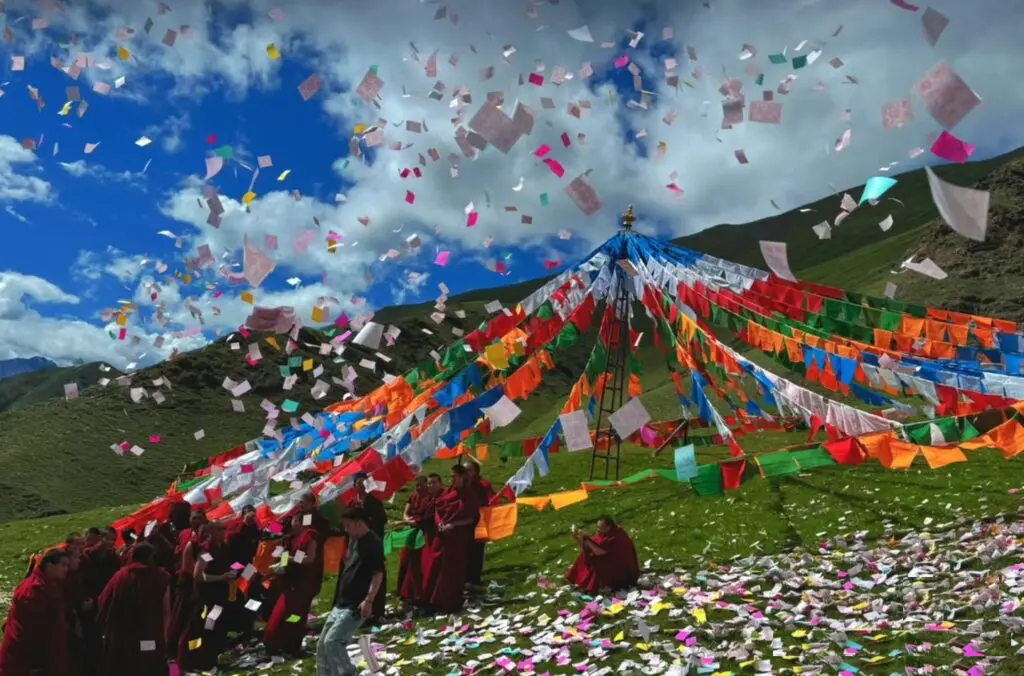
Sherpa community celebrating Losar, the Tibetan New Year, in the Khumbu region
The risk of altitude sickness is higher in February because cold temperatures, physical exertion, and inadequate acclimatization can raise AMS risk and make high-altitude trekking more challenging. As you climb toward Everest Base Camp, your body needs time to adjust to lower oxygen levels. Cold weather can also increase fatigue and make walking more demanding. Include enough acclimatization days in your itinerary and avoid gaining altitude too quickly. Proper winter clothing, warm layers, good footwear, hydration, and a steady walking pace are also important. Listen to your body and take altitude sickness symptoms seriously during the trek.
What Festivals Are Celebrated in Nepal During February?
Nepal celebrates many festivals in February, including religious, cultural and national events that reflect the country’s diverse traditions. February is a lively month for visitors with celebrations from Hindu festivals to New Year traditions among different Himalayan communities.

- Maha Shivaratri: Usually celebrated in mid-February this important Hindu festival is dedicated to Lord Shiva. Devotees visit temples - light lamps, fast and offer prayers with Pashupatinath Temple being a major gathering place.
- Gyalpo Lhosar / Sonam Lhosar: These New Year celebrations are observed by communities including Tamang - Sherpa and Gurung groups. Families gather - wear traditional clothing, prepare special foods and take part in cultural dances and prayers.
- Democracy Day (Prajatantra Diwas): Observed on 19 February - this national day honors Nepal’s move toward democracy and is marked through official programs and public events.
- Basanta Panchami: Known as a festival of wisdom and learning, it is associated with Goddess Saraswati. Students often worship books and study materials and visit temples seeking knowledge and success in education.
How Should You Prepare and What Should You Pack for the February EBC Trek?
Preparing for a February EBC trek starts with having enough physical strength with mental readiness and cold-weather confidence. Winter conditions can make trails icy, windy and more demanding, so train several weeks before your trek with uphill walking, stair climbing and regular cardio. Include strength exercises for your legs and core and practice walking with a loaded backpack. Mental preparation is equally important because shorter daylight, freezing temperatures and difficult sections can test your patience. Hiring an experienced guide and porter is also valuable in February to make your journey more comfortable and enjoyable.
Essential February EBC packing list:
- Down jacket: helps keep you warm and safe in freezing conditions at higher elevation as the weather is windy and icy with slippery trails.
- Crampons: Improve grip on icy and slippery sections in higher elevations as the trail is filled with snow so having good crampons in icy sections is very important for a proper and safe walk.
- Thermal base layers: Pack thermal base-layer clothes to keep your body warm while managing moisture. It's very important to keep your body warm to maintain your body temperature.
- -15°C to -20°C rated sleeping bag: Offers better protection during very cold nights. Choosing the best quality sleeping bag is necessary for safe and comfortable rest when needed.
- Trekking poles: Provide balance and stability on snow or ice and support where needed on uneven trails and terrain in higher elevations.
- UV sunglasses: Protect your eyes from strong sunlight and snow glare.
- Insulated gloves: Keep hands warm during cold mornings and high-altitude walks.
- Moisturizer and sunscreen: Protect skin from dryness, wind and intense high-altitude UV exposure.
Why Choose Trek Everest Base Camp in February?
Everest Base Camp in February is worth it if you are a cold-tolerant trekker seeking peaceful trails, fewer crowds and clear mountain views. Winter brings a quieter experience than peak trekking seasons which allows you to enjoy dramatic Himalayan scenery with fewer teahouses and viewpoints as February is not for everyone. Temperatures can drop suddenly below freezing and snow or icy trails may make some sections more challenging. Proper winter clothing - good physical preparation and an experienced guide can make the journey safer and more comfortable. If you value challenges and crisp mountain scenery more than warm conditions February can be rewarding.
When Is the Best Time to Trek Everest Base Camp?
The best time to trek to Everest Base Camp overall is during spring and autumn when weather is generally stable, skies are clearer and mountain views are excellent. February offers a quiet winter experience with fewer trekkers but it brings much colder temperatures and a higher chance of snow and icy trails. Spring trekking from February to May gradually becomes warmer while the post-monsoon period from late September to December is known for clearer conditions and popular trekking days. For a closer look at weather, crowds and trail conditions explore our full month-by-month Everest Base Camp trekking guide.
What is the difference between February and November?
Factor | February | November |
season | Winter | Late autumn |
temperature | Much colder, especially at night | Cold but generally milder than February |
weather | Clear, dry, and often very cold | Dry, stable and mostly clear |
snow | Higher chance of snow and icy trails | Usually less snow on lower sections |
crowd | Very low | Moderately to high |
Tea houses | Some may be closed | Most tea houses are open |
Mountain view | Excellent on clear days | Excellent and highly reliable |
Trail condition | Icy and more challenging | Generally dry and easier |
Best for | Experienced trekkers seeking solitude | Trekkers wanting stable weather and easier conditions |
February offers colder, quieter and more challenging conditions because of winter and possible snow or ice. Everest Base Camp in November offers more comfortable trekking temperatures, stable dry weather, open tea houses and busier trails. February suits experienced trekkers seeking solitude - while November is better for comfortable trekking and reliable mountain views.
Is September the best season to trek?
Everest Base Camp Trek in September brings stable weather with crisp blue skies, greenery landscape and mild temperature making trekkers experience good weather conditions. Late September is one of the premium times to trek EBC as monsoon rain fades away. This season lets you enjoy prime mountain visibility just before the massive autumn crowds arrive in October.
Does December have cloudy weather and snowfall?
Everest Base Camp Trek in December brings increased chances of snowfall at high altitudes along the Everest Base Camp trek especially above 4,000 meters. However, clouds are generally minimal - early winter in December is typically characterized by clear, crisp skies and dry weather during the day, accompanied by freezing temperatures and snowy trails, particularly later in the month.