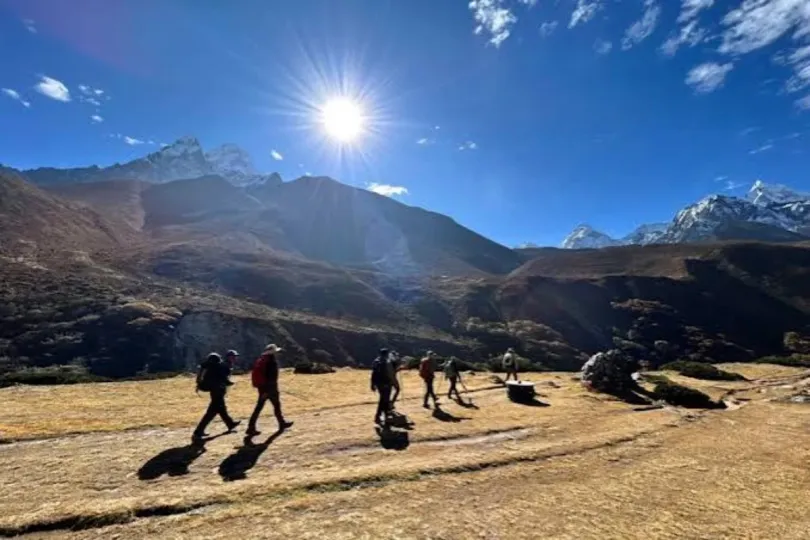
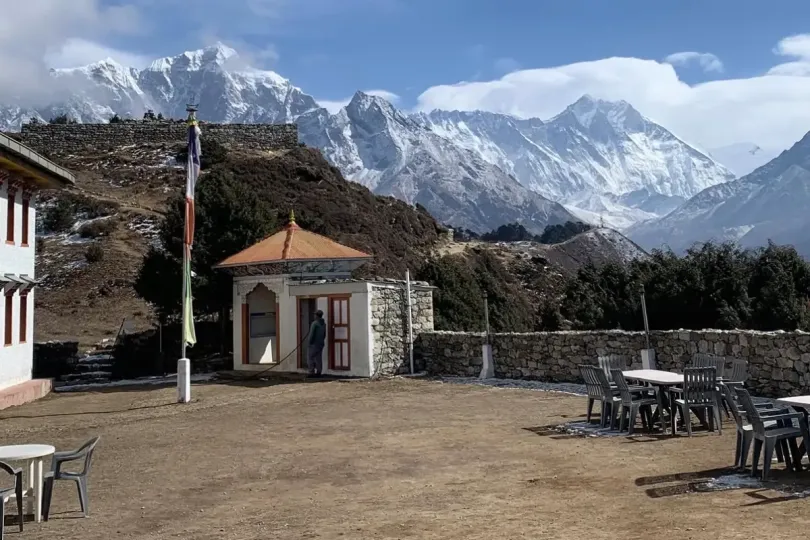
Everest Base Camp Trek in June lands you right in that quiet gap between spring’s crowds and the monsoon rains and honestly it works best for trekkers who don’t mind getting a bit wet. Early June still feels a lot like spring - dry trails, clear mornings, mild days. But push into the second half of the month and things change fast. Clouds roll in more often, rain becomes routine and temperatures swing hard depending on how high you climb. The paths turn muddy in places, small leeches become more likely as monsoon creeps closer. Still, there’s a real upside - far fewer people on the trail, better deals at teahouses, and hillsides covered in blooming rhododendrons. Sometimes the Sherpa Dumji Festival, Held in Honor of Guru Rinpoche, even falls during this stretch. With the right gear, decent fitness, and a local guide who knows the route, June can still make for a rewarding trek - just not an easy one.
Why Is Everest Base Camp Trek in June Worth Considering?
Everest Base Camp trek in June is worth considering because it sits right at the point where spring’s calm weather meets the very start monsoon, giving trekkers a mild and manageable window before the heavier rain sets in. The first half of June is especially reassuring - trails are still fairly dry, temperatures are comfortable, and the harder monsoon conditions haven’t fully arrived yet, making it a doable time to trek if you plan around it.
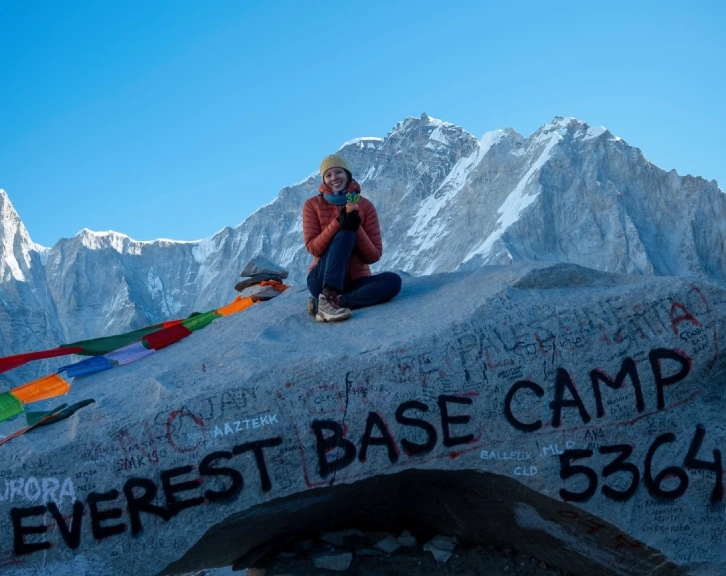
The route takes you through the Khumbu region - one of the incredible parts of the Nepalese Himalayas and into Sagarmatha National Park, a UNESCO World Heritage site known for its rich biodiversity and sweeping mountain views. Most trekkers follow a 12 to 14 day itinerary, gradually gaining altitude to reach Kala Patthar, standing at 5545 meters which offers one of the best close up views of Everest itself. For those who plan carefully, June can still deliver a rewarding and memorable Everest experience.
What Is the Weather and Temperature Like at Everest Base Camp in June?
The weather at Everest Base Camp in June is best described in two halves. During the early days of the month, humidity stays low and the air feels dry, giving trekkers conditions much like the tail end of spring. Once the second half of June arrives, monsoon clouds move in and rain becomes a regular part of the day. That said, the timing works in favor of trekkers - showers mostly arrive in the evening or through the night, so mornings tend to stay clear, calm and ideal for walking before the afternoon clouds roll back in.
Temperature-wise, lower parts of the trail feel comfortable during the day, usually sitting between 15°C and 20°C. Higher up daytime warmth fades quickly, sometimes dropping into single digits near the base camp area. Nights are a different story altogether, with temperatures at higher elevations dipping to around -1°C to -2°C. Wind stays mild for most of the trek, through Namche Bazaar can see stronger gusts reaching up to 9.4 mph, while the air near Base Camp stays calmer, averaging close to 5.4 mph.
Location | Avg. Temp (°C) | Temp Range (°C) |
Lukla | 10.3°C | 5.1 – 16.3°C |
Namche Bazaar | 6°C | 0 – 8°C |
Dingboche | 7.4°C | 1.1 – 13.7°C |
Lobuche | 5.4°C | -0.9 – 11.7°C |
Gorak Shep | 4.5°C | -1.7 – 10.8°C |
What Are the Trail Conditions and Challenges in June?
Trail conditions in June are shaped mainly by how far the month has progressed into monsoon season. Early on, paths remain firm and easy to walk, much like the drier spring months before them. But as the weeks pass, moisture builds up steadily, turning sections of the trail wetter and muddier, especially at lower altitudes. This gradual shift means the trekking experience can feel quite different depending on whether you start your journey in early or late June.
Why Do Leeches and Mosquitoes Appear in June?

Leeches and mosquitoes become more common in late June because rising humidity and early monsoon rain create damp, muddy conditions in the lower forested sections of the trail. As moisture builds up in the soil and vegetation, these areas become an ideal breeding ground for insects and leeches, especially along the Shaded, tree-covered stretches below Namche Bazaar.
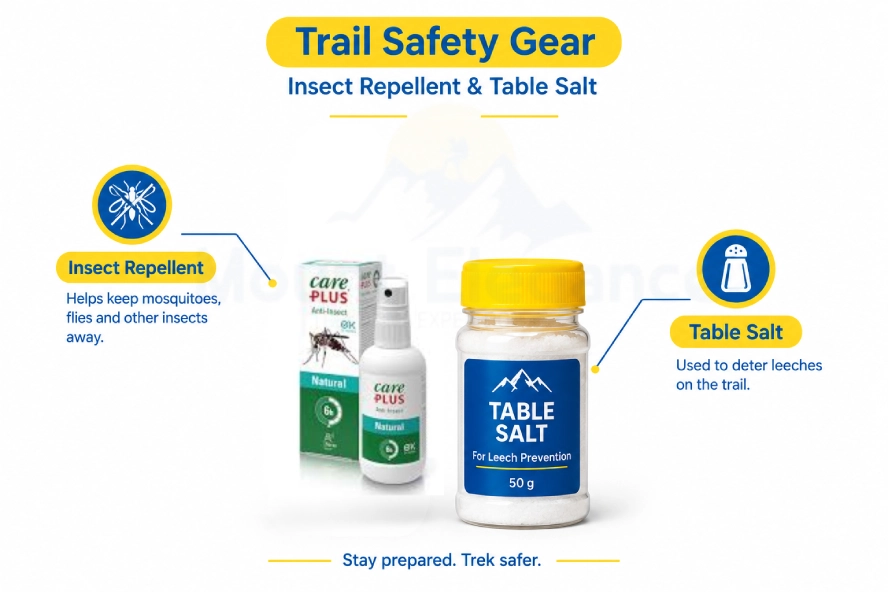
Trekkers heading out in late June should carry insect repellent for mosquitoes and a small bag of table salt to deal with leeches, since salt makes them release their grip quickly and safely. Those trekking in early June generally avoid this issue altogether, as the trails are still dry and the insect activity hasn’t picked up yet, making timing an important factor to consider.
Why Do Landslides and Flight Delays Increase in Late June?

Landslides and flight delays become more likely in late June because Monsoon rains grow steadily heavier as the month moves toward July, softening slopes and increasing the chance of small landslides along mountain trails and roads. Early June carries very little of the risk, since the ground is dry and rainfall remains light. But as clouds thicken in the month, visibility around Lukla airport drops and flights in and out often face delays or cancellations. Given this pattern, it’s wise to book your check for early June whenever possible and build in one to two buffer days in your itinerary so any unexpected flight delays don’t throw off your entire trekking schedule.
What Are the Benefits of Trekking Everest Base Camp in June?
The benefits of trekking Everest Base Camp in June come as a welcome trade-off for the season's rising humidity. With far fewer trekkers on the trail, June offers a quieter, more personal experience, along with better deals on teahouses and lodges. The landscape also turns noticeably greener and more vibrant, making the extra moisture in the air feel like a fair exchange for what you gain in scenery and solitude.
Why Is Everest Base Camp Less Crowded in June?

Everest Base Camp is noticeably less crowded in June because most trekkers plan their trips around the two peak seasons - spring, from March to May, and autumn, from September to November - when the weather is most predictable and mountain views are clearest. June falls outside this window, so far fewer people choose to trek during this time, even though the trails remain open and accessible.
This drop in foot traffic works in your favor, since guides and porters become easier to book on shorter notice and teahouses along the route have more rooms available. Instead of competing for space during busy evenings, June trekkers often get better service, quieter dining halls and a more relaxed pace throughout the journey.
How Do You Get Off-Season Discounts in June?
You can get off-season discounts in June by choosing local lodges, booking early and asking your trekking company about seasonal offers. June is off-season, so off-peak lodge rates and easier room availability can help you save money. You may also find better prices on guides, porters and trekking packages when demand is lower. A typical June trekcosts a range of $1,200–$1,600 per person, depending on the service you will take, accommodation, transport and whether you choose a private guide or group trip. Comparing a few operators and asking about June deals can help you find a package that fits your pocket.
Why Is the Scenery Greener in June?

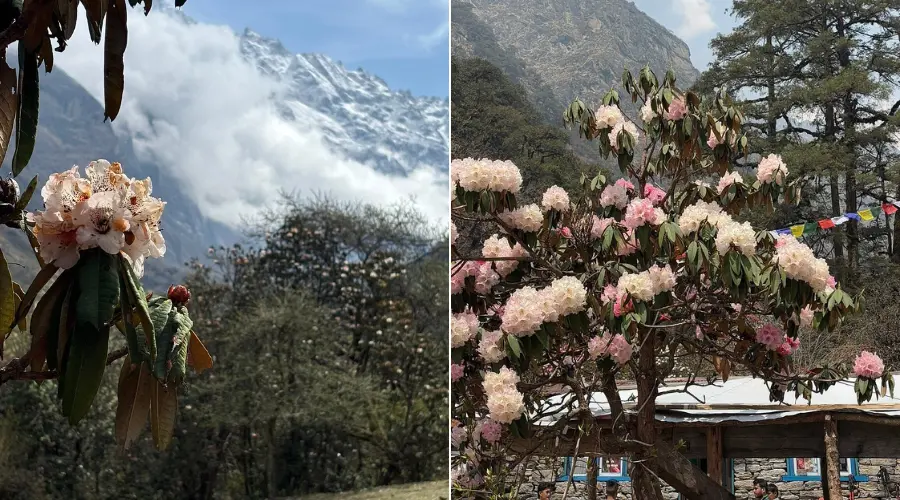
The Khumbu is especially green in June because the first monsoon rains bring fresh moisture to the mountains and valleys. Rhododendron forests can still have late blooms in some areas making some trails look beautiful with pinkish blooms, carrying a color from spring. As rain increases, vegetation and wildflowers flourish - making trails and hillsides look fresh and lively. Around Sagarmatha National Park you will experience the green slopes creating a beautiful contrast with snow-covered peaks such as Everest, Lhotse, Ama Dablam, Cho Oyu and Nuptse. Clouds may cover some mountains at times - but when skies clear, views of green landscapes against giant Himalayan peaks can be especially striking. June is a good month for trekkers who enjoy lush scenery and a quieter mountain environment.
What Festival Can You Experience During the June Trek?

Trekkers in June may get to witness the Dumji Festival - which is a major Sherpa celebration honoring Guru Rinpoche. Traditionally held over four to five days in late June or early July as Dumji brings communities together through Buddhist rituals, prayers, masked dances and cultural gatherings. Celebrations take place in several Khumbu villages - including Tengboche, Namche Bazaar, Khumjung, Thame and Pangboche. Experiencing Dumji during an Everest Base Camp trek can give a chance to closer look at Sherpa culture and Himalayan Buddhist culture beyond the mountain scenery. Festival dates are not fixed on the Gregorian calendar because they follow the Tibetan lunar calendar. Dates can therefore change each year, so trekkers should make sure of the schedule before booking their June trek if they hope to experience the celebrations for unique traditional culture exposure of the Sherpa community.
What Should You Pack for Everest Base Camp Trek in June?
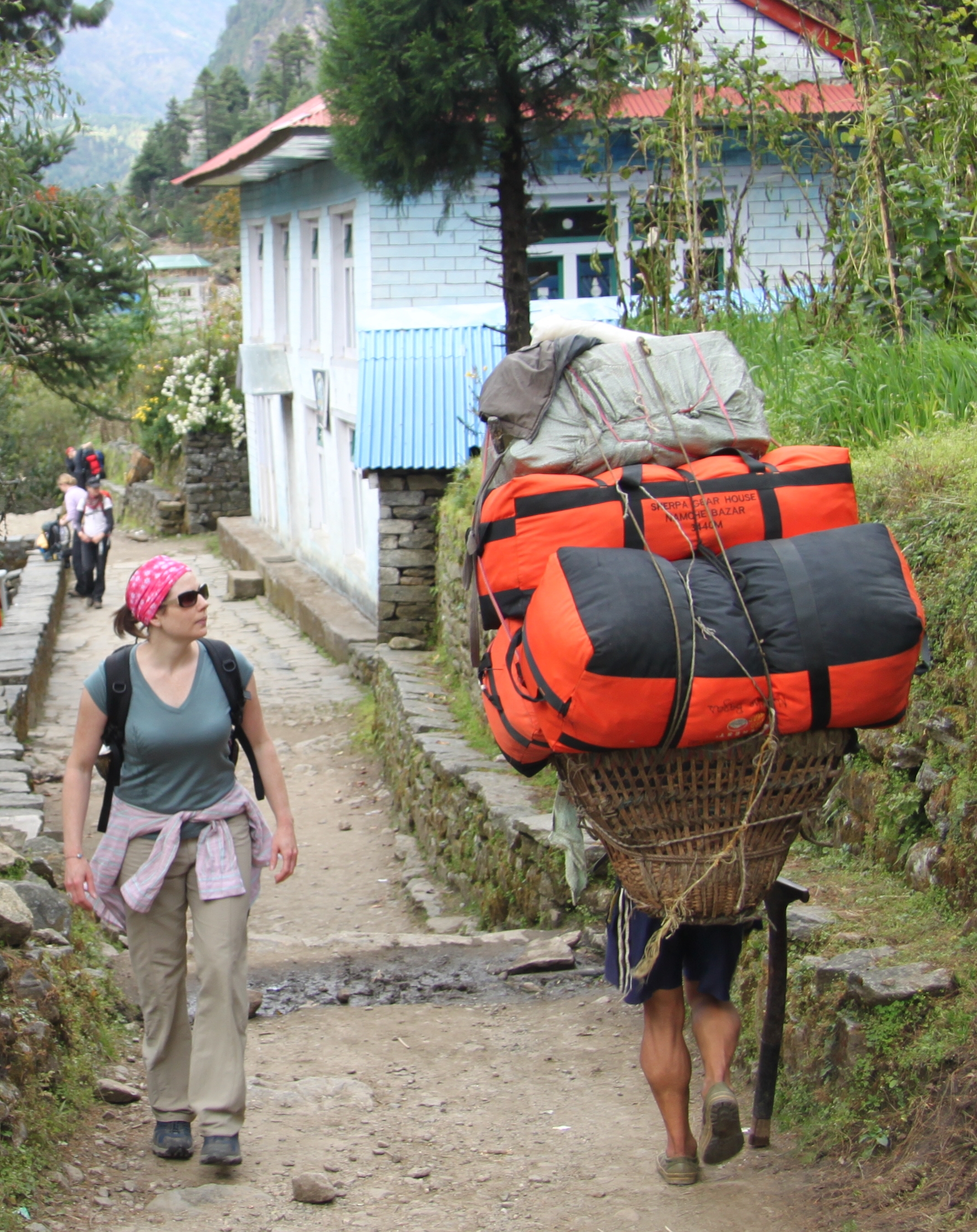
Packing for the June EBC trek means getting prepared for changing weather, wet trails with colder nights and strong sunshine at high altitude. June is the beginning of the monsoon season, so rain can make paths slippery and increase moisture along the route. Carrying limited but essential gear can make your journey more comfortable and ensure easy walking days.
- Waterproof and windproof jacket and pants: Protect yourself from sudden rain as the weather is hard to predict with wind and wet trail conditions during monsoon-onset weeks.
- Thermal base layers and light insulated jacket: Wear thermal layers at higher elevations because the temperature rises suddenly, so layering a good thermal can protect you from getting cold by keeping you warm - add a light insulated jacket for cold mornings and nights that sometimes can be windy.
- Sturdy waterproof hiking boots and trekking poles: Waterproof boots help keep your feet dry even after long walking days - while poles provide extra balance on muddy or slippery patches and support on the trail.
- Insect repellent, table salt, and dry bags: Insect repellent or (bug spray) helps reduce insect bites, table salt can help remove leeches' grip from your skin or clothing, carry dry bags to protect phones, cameras, documents and other electronic devices from rain.
- Sun protection: Carry UV-protection sunglasses which has high-SPF sunscreen along with good polarized sunglasses and a wide-brimmed or warm trekking hat to protect against intense high-altitude sunlight.
Also keep quick-drying clothes, extra socks with a reusable water bottle and a small first-aid kit that is easily carried. Avoid overpacking because you will carry your essentials for several hours every day.
How Should You Prepare Fitness-Wise for the June Trek?
Preparing for a June EBC trek starts with building your fitness 2–3 months before, as long trekking days, steep climbs, and changing weather can be demanding. Focus on steady cardio, leg strength and stability to improve endurance and balance.
- Build endurance: Include cycling, uphill walking, stair climbing and short hikes 3–5 times weekly which will be helpful for your trekking days. Gradually increase distance and elevation as you will have to walk for several days on your trekking days so start good preparation on time for a better and more comfortable journey.
- Train with a backpack: Practice hiking for 6+ hours with a loaded backpack so your body adapts to long days carrying trekking gear in the trail. This will be very helpful for your journey.
- Plan acclimatization: Schedule acclimatization days at Namche Bazaar and Dingboche to help your body adjust safely to higher elevations. It is very necessary to understand your body when you go to higher altitude, so taking proper rest and good acclimatization days where needed is very important so that your body can adapt according to the change in environment.
- Know AMS symptoms: Watch for headache, nausea, dizziness, unusual fatigue or loss of appetite. Severe symptoms can develop into HACE or HAPE so never ignore worsening signs. If you feel any unusual symptoms in your body it is very necessary to inform your guide immediately for safety.
Why Do You Need a Guide or Porter in June?
A guide or porter matters even more in June because monsoon rains can make EBC trails muddy, slippery and harder to navigate safely. Guides also help arrange permits that include the Sagarmatha National Park Permit - which basically costs around NPR 3000 and the Khumbu Pasang Lhamu Rural Municipality Entry Permit normally costs NPR 2000. If you go via Jiri you may also need a Gaurishankar Conservation Area Permit which costs around NPR 3000. Local guides are experts who help navigate on seasonal trail conditions and can often judge changing mountain weather better than forecasts alone, helping you make safer decisions when clouds - rain or poor visibility develop. A porter can carry your heavier backpack which helps you reduce physical strain during long uphill sections. Carrying less weight helps conserve energy, maintain a steady pace and may reduce fatigue that can worsen altitude-related problems. For a June trek - local support adds practical safety and comfort when trail and weather conditions are less predictable.
Who Should Trek Everest Base Camp in June?
Everest Base Camp in June suits trekkers who are flexible with changing weather conditions and interested in quieter - peaceful trails and lush mountain scenery. The first half of June can be especially attractive before monsoon conditions become more frequent. June is less suitable for trekkers with busy schedules, as rain and cloud can cause delays and affect flights or trail conditions because weather here sometimes can be unpredictable. First-time trekkers who feel uneasy about unpredictable weather, especially during the latter half of June - may prefer a more stable trekking season. If June matches your travel plans you can consider discussing with a local trekking company in Nepal to know about conditions, itinerary flexibility and suitable preparation before booking.
Can You Trek Everest Base Camp in Other Months Too?
Yes, trekkers who want a different experience outside June have several other months to consider trekking according to trekkers comfort. Trekking outside June can offer clearer skies with great visibility of the mountains and drier trails with moderately warmer temperature conditions and fewer crowds in trail, depending on the month. However, each period has its own weather change, trail condition and availability trade-offs.
Is December a Good Time to Trek Everest Base Camp?
Yes- EBC in December offers stable, dry, cold-weather trekking, when clear skies and firm trails replace the mud and humidity that build up through June. Nights get much colder, but the trade-off is quiet trails and steady visibility, quite different from June’s warmer, increasingly wet conditions. For a full breakdown, check out our Everest Base Camp in December guide.
Is July a Good Time to Trek Everest Base Camp?
Yes, Everest Base Camp in July is a good season for EBC, deep in monsoon season, when rain gets heavier and more constant than the lighter, transitional showers you'd see in June. Trails stay wet longer, and the whole trek feels tougher than it does earlier in June's shoulder window. More in ourEverest Base Camp in July guide.
Is August a Good Time to Trek Everest Base Camp?
Yes, Everest Base Camp in August is a good time for EBC, remaining within the monsoon season, when rainfall is at its heaviest and trails stay consistently muddy and wet throughout the trek. Compared to June’s earlier, drier window, August offers even lusher scenery but comes with a higher chance of flight delays and slippery paths. For a closer look at what to expect, check out our full Everest Base Camp in August guide.
When Is the Best Time to Trek Everest Base Camp?
The best time to trek Everest Base Camp overall is generally considered to be spring, from March to May, and autumn from September to November when skies are clearest and trails are most stable. June offers a quieter alternative for those willing to accept a bit of rain in exchange for fewer crowds and lush scenery. For a full breakdown of conditions across every month, check out our complete best time to trek Everest Base Camp guide.