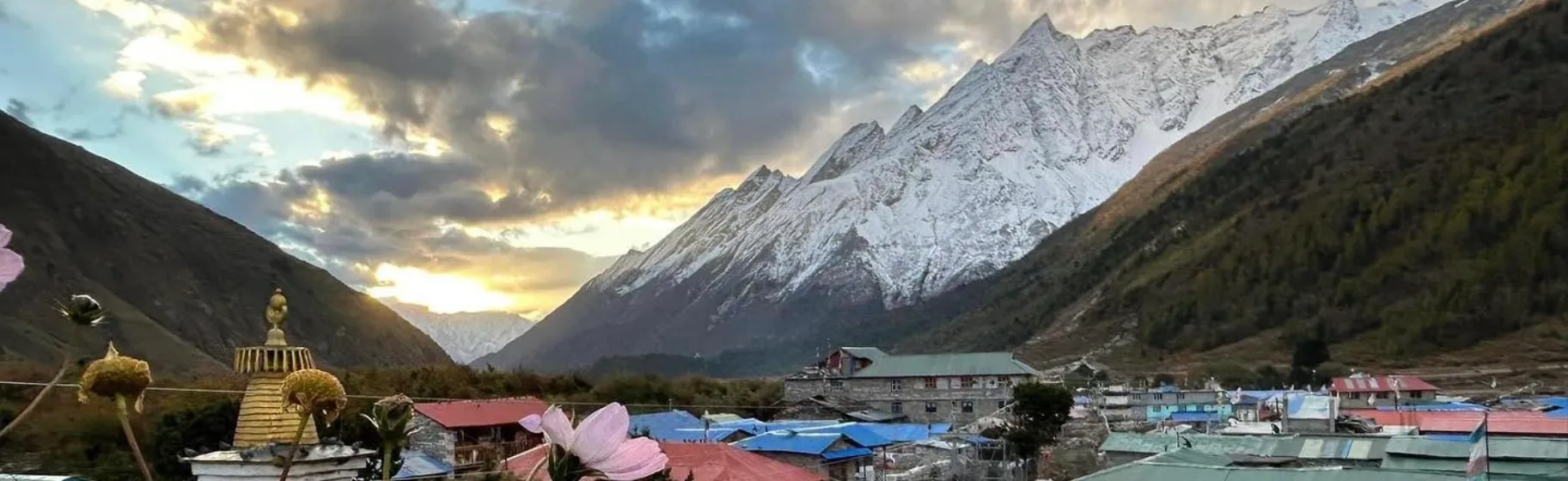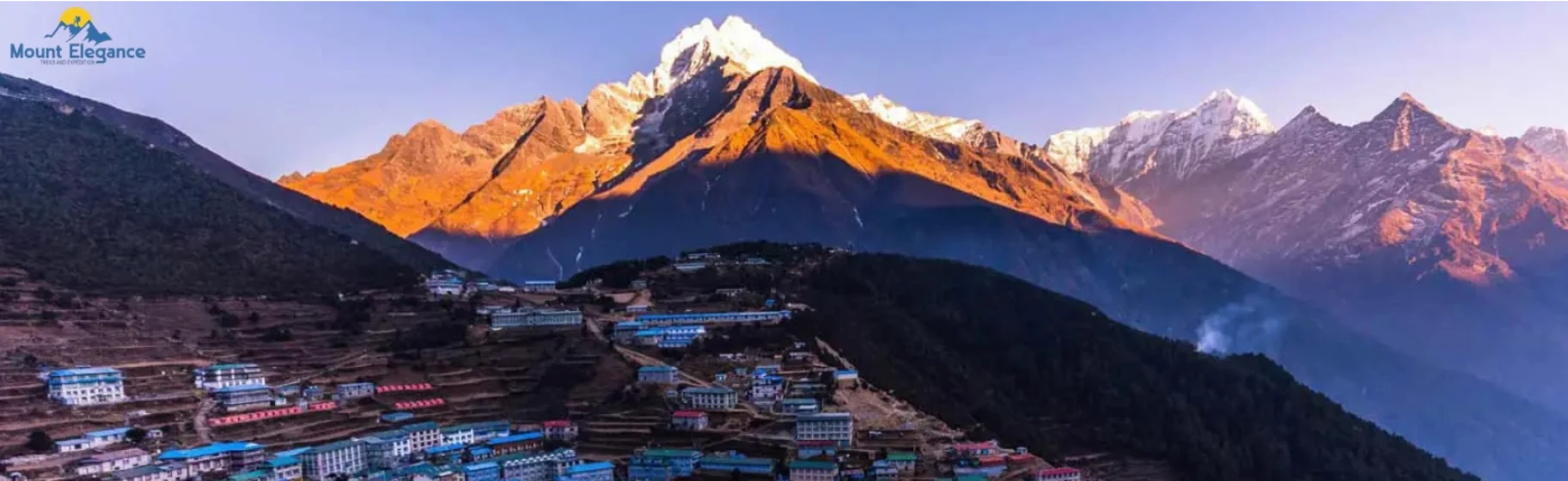
Namche Bazaar is a trading town tucked into the Khumbu region of Solukhumbu District, Koshi province, Nepal, sitting at 3,440 m (11,286 ft) - and most people simply call it the Sherpa capital of Everest region and honestly once you see it you’ll understand why. Falling under the Khumbu Pasanglamu Rural Municipality, the town has this horseshoe-shaped settlement look to it, tires of stone and timber houses climbing up the mountainside like seats in an amphitheater, mountains looming behind them. It's been the cultural and economic heart of the Sherpa community for generations now, and you can feel that the moment you walk in - old tradition sitting right alongside the steady stream of trekkers coming through.
Before tourism ever showed up, Namche was already a trading post, sitting between Tibet and Nepal, with yak caravans hauling salt and wool over the high passes. That history hasn't really gone anywhere either - it just shows up differently now, mostly in the Saturday market, where locals and traders still gather, though these days it’s as much trekking gear as it is fresh product. Since Namche works as the gateway to the high himalaya, it's also the last real town before the trail pushes on toward Everest Base Camp, Gokyo, and other high places, which is exactly why so many climbers pause here to acclimatize.
But there’s more to Namche than just a stopover. Wander its streets and you’ll find monasteries, small museums, bakeries, guesthouses, cafes - a whole mix of daily Sherpa life alongside shops shocked for mountaineering. Wedged into that steep, bowl-shaped valley, the town has a character that's hard to find anywhere else in the Himalaya. Staying one night or several, Namche tends to leave an impression - culture, commerce and those views, all packed into one place.
Quick Facts: Namche Bazaar at a Glance
Category | Details |
Location | Khumbu Pasanglhamu Rural Municipality, Solukhumbu District, Koshi Province, Nepal |
Altitude | 3,440 m (11,286 ft) at its low point |
Population | 1,647 (2001 census), 397 households |
Distance from Kathmandu | 137 km (85 miles) northeast |
Distance from Lukla | 13 km |
Nearby Peaks | Kongde Ri (6,187 m) to the west, Thamserku (6,623 m) to the east |
Known For | Acclimatization stop, Sherpa culture, trading hub |
Where Is Namche Bazaar? Location and Geography
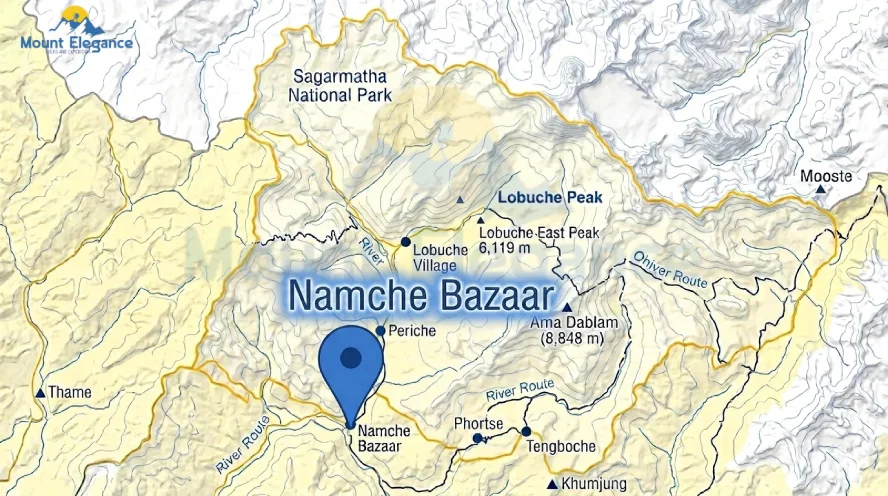
Namche Bazaar sits in the Khumbu area - Solukhumbu District, Koshi Province, northeastern Nepal tucked into a natural bowl on the mountainside - about 137 km (85 miles) NE of Kathmandu, and roughly 366 km (227 miles) N of Biratnagar if you're coming from that direction instead. It falls within Sagarmatha National Park right in the thick of the Everest region, with peaks pretty much surrounding it on every side. Kongde Ri (6,187 m) sits immediately west, and Thamserku (6,623 m) rises to the east, and on a clear morning you can actually see both from the village streets, snow catching the early light.
What really stands out about Namche, geographically speaking, is its shape - it's a horseshoe-shaped hillside settlement, houses and shops curling up the slope in these terraced rows that just follow the land's natural contour. It's not only about looks either; that layout actually shelters the town from some of the harsher winds, and it means almost every building ends up with a view out across the valley. Most people get here by flying into Lukla first, then trekking about two days along the Dudh Koshi river valley before the trail finally climbs up into Namche itself.
What Are the Main Attractions in Namche Bazaar?
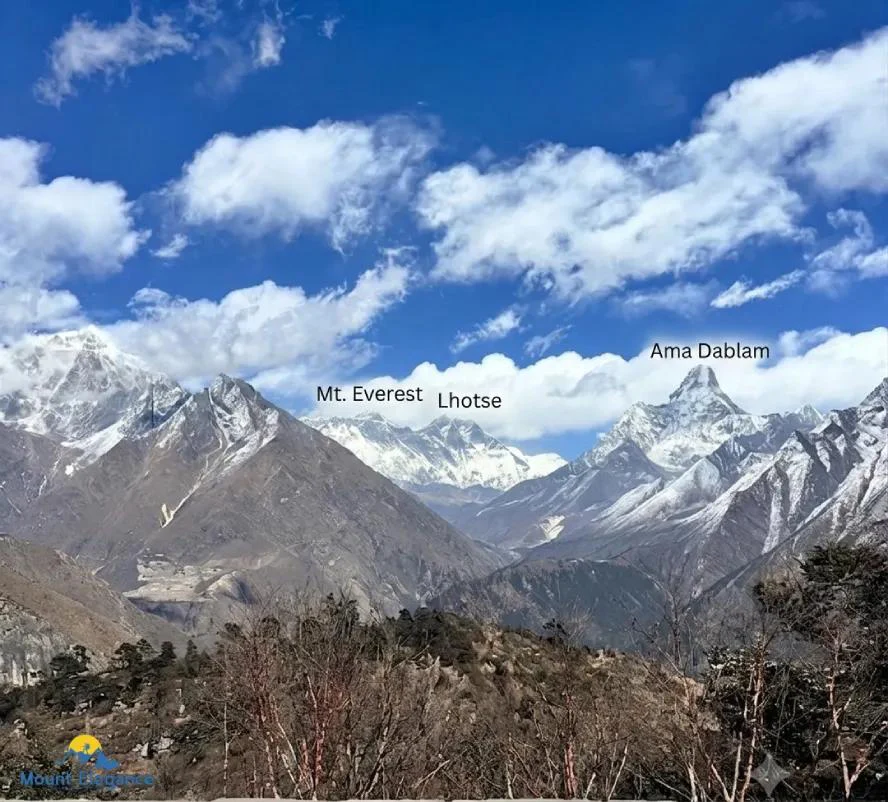
Namche Bazaar offers plenty beyond just being a trekking stopover. The Sherpa Culture Museum gives a real look into local traditions, mountaineering history, and the story of Everest expeditions. Nearby, the Sagarmatha National Park Visitor Center features displays on the region’s wildlife, geography and conservation efforts, along with your first proper views of Everest itself. Trekkers often hike up to the Everest View Hotel or Syangbouche for sweeping panoramas of - Everest, Lhotse and Ama Dablam. The town’s famous Saturday market is worth timing your visit around and don’t miss the old monastery, bakeries and gear shops lining Namche’s winding streets.
Sherpa Museum
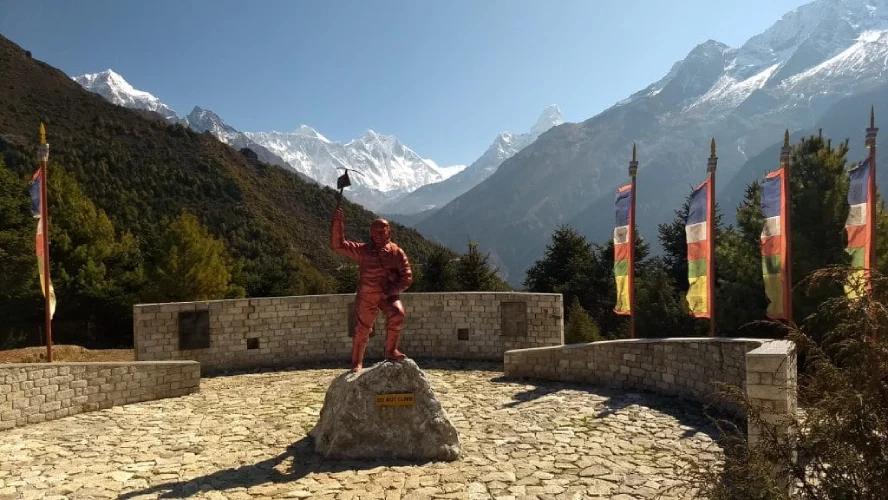
Located near the military compound just off the Tengbouche trail, at roughly 3,555 m, the Sherpa Museum offers a compact but rewarding stop for anyone curious about Everest’s history. Inside, exhibits cover traditional Sherpa culture and daily life, alongside displays chronicling famous mountaineering expeditions and the ecology of Sagarmatha National Park. A statue of Tenzing Norgay stands prominently outside, honoring the legendary Sherpa mountaineer who summited Everest alongside Edmund hilary. Inside the museum’s “Hall of Frame”gallery pays tribute to Everest summiteers from around the world, with photographs and short biographies lining the walls. Perhaps most striking are the actual rocks collected from both the base and summit of Everest, giving visitors a tangible connection to the mountain most only see from a distance.
Shangboche Hill and Everest View Hotel
A steep climb above Namche leads to Syangbouche Hill sitting at roughly 3900 m (12794 ft), where the panoramic reward makes the effort more than worthwhile. From here trekkers get a sweeping view of - Everest, Lhotse, Ama Dablam, Thamserku, Kongde Ri, and Khumbila, all lined up across the horizon in one unforgettable frame. Nearby the Everest View Hotel offers a similar vantage point though it tends to draw larger crowds thanks to easy access from Syangbouche Airport just beside it. Many trekkers choose to skip the hotel altogether and head straight for the open hillside instead preferring the quieter setting and unobstructed views. Either way this spot ranks among the best early panoramas of Everest along the entire trekking route.
Sagarmatha National Park Visitor Centre
Situated at the top end of the village, just off the Tengbouche trail, the Sagarmatha National Park Visitor Center serves as a useful stop for trekkers wanting context before heading deeper into the mountains. Inside, exhibits cover the region’s diverse wildlife and flora, from elusive snow leopards to the vibrant rhododendron forests found at lower elevation. As the park headquarters presence in Namche, the center also provides information on conservation efforts, trail regulations, and permit requirements. It’s a quick but worthwhile visit, offering a broader understanding of the fragile ecosystem trekkers pass through on their way toward Everest.
Namche Monastery and the Stupa
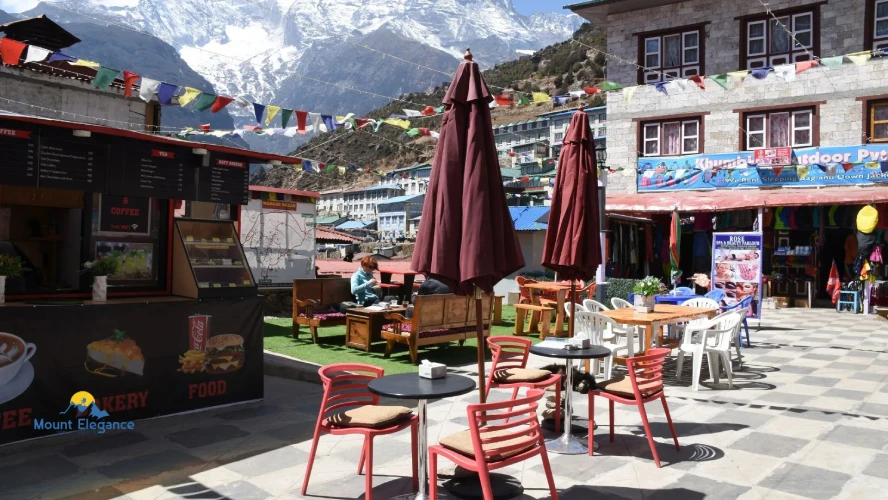
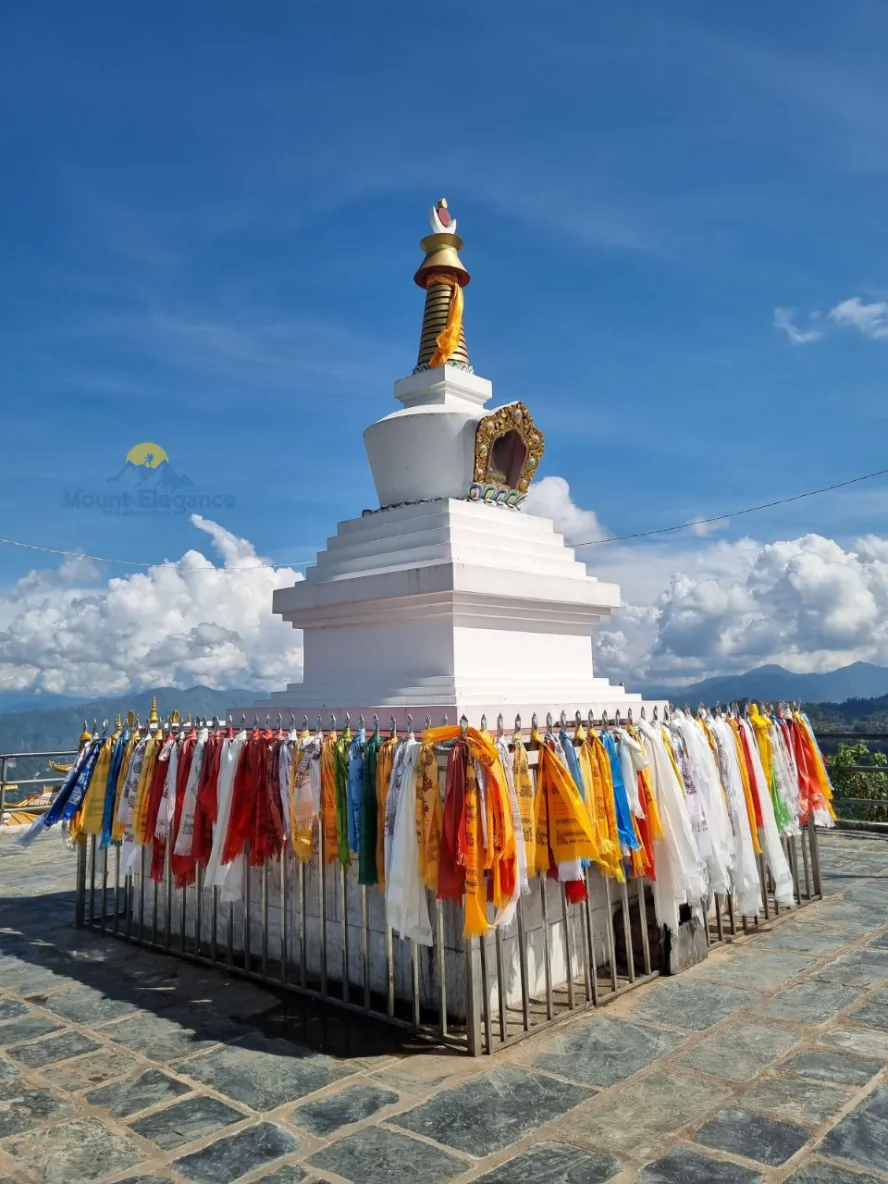
Tucked within the village, Namche Monastery offers a peaceful glimpse into Sherpa Buddhist culture and religious practice, away from the bustle of trekking gear shops and cafes nearby inside, colorful murals and butter lamps create a quiet, contemplative atmosphere, often visited by monks going about daily rituals. Just outside, a prayer-flag stupa stands draped in fluttering colors, fluttering gently in the mountain breeze, symbolizing peace and spiritual devotion. Together, the monastery and stupa give trekkers a meaningful pause to reflect on the deep-
Kanchha Sherpa's Home and Legacy
For a genuinely distinctive stop in Namche, look for the home tied to Kanchha Sherpa - long known as the last surviving climbing Sherpa from that historic 1953 Everest expedition, who passed away in October 2025 at 92. His home, run as the Nirvana lodge right there in Namche, gives visitors something rare: an actual, personal link to Everest’s earliest climbing history, since Kanchha had been past of the support team behind Tenzing Norgay and Edmond Hillary’s first successful summit. He wrote about all of it too, in his memoir “Tough and Cheerful” which digs into decades of mountaineering work and how the Everest region itself changed around him over the years. Honestly, shopping here connects you to that early history in a way few other places along the trail really can.
Cafe Danphe and Local Bakeries
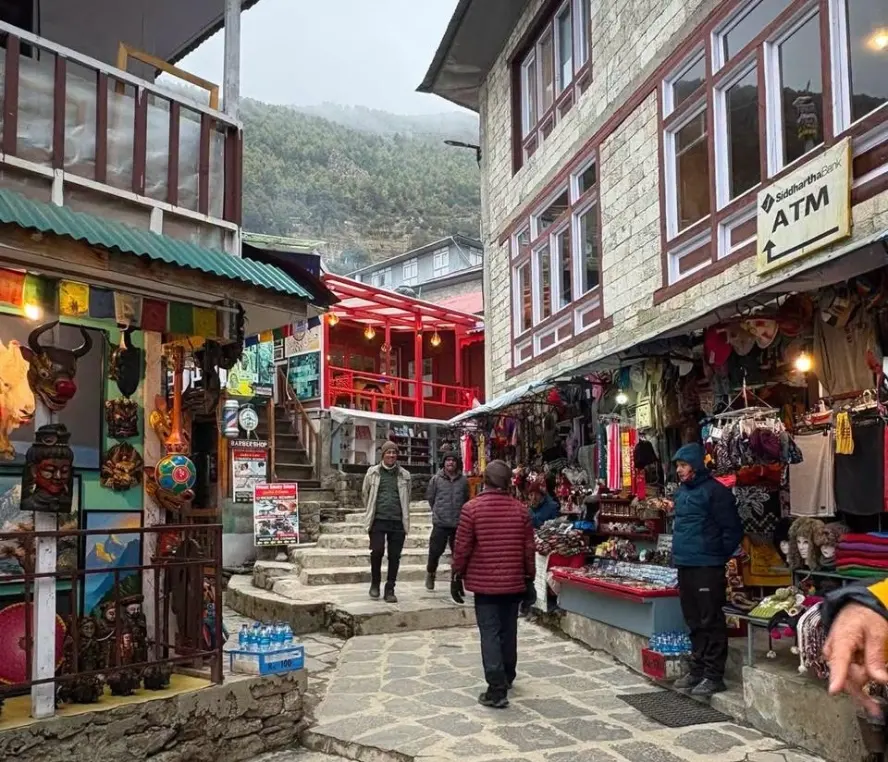
Namche’s food scene offers a surprising mix of comfort and character, blending mountain hospitality with quirky international touches. Cafe Danphe stands out for its walls lined with Everest expedition memorabilia, giving diners a chance to soak in mountaineering history while enjoying a warm meal after a long day on the trail. Scattered throughout town, several German bakeries serve fresh pastries, apple pie, and hearty breads, a welcome treat at high altitude. For something more unusual, Namche is also home to an Irish pub, often billed as the highest and most remote in the world, drawing trekkers in for a pint and a bit of camaraderie. Local menus frequently feature yak steak, a popular dish that’s become something of a signature meal in the Everest region, hearty enough to fuel the next day’s climb.
Namche Bazaar Saturday Market
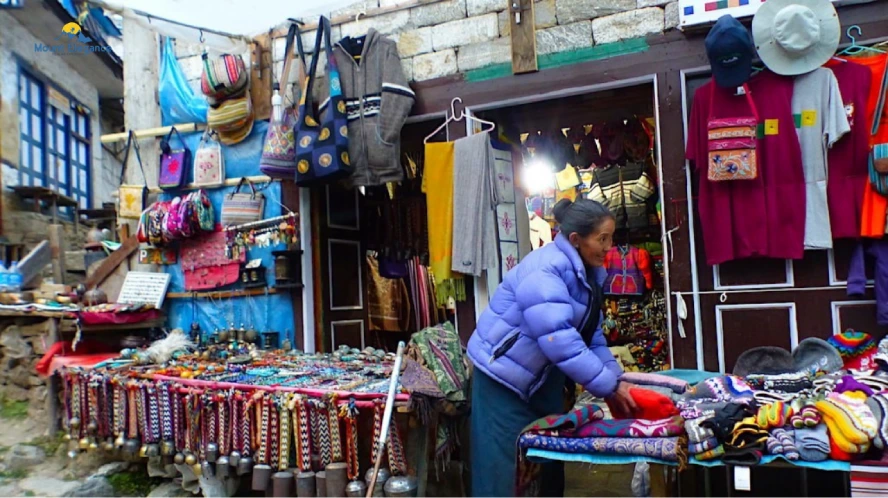
Every Saturday, Namche’s town center transforms into a lively, crowded market, and it's honestly one of the best times to visit if you want a real feel for local life. Tibetan traders make the journey down from higher villagers to sell their goods, setting up stalls alongside local vendors selling soap, butter and fresh vegetables. You’ll also find plenty of trekking and climbing gear on offer, some of it genuine, some clearly imitation, plus a fair amount of cheap Chinese consumer goods scattered among the stalls too. It’s loud, colorful, and a bit chaotic in the best way - locals haggling, porters passing through and trekkers wandering between stalls just soaking it all in. If your schedule allows, timing your stay around as a Saturday is well worth it.
How to Get to Namche Bazaar? Access and Routes
Reaching Namche Bazaar takes a bit of planning, since there's no road access to the town itself - the journey is entirely on foot after a short flight or long drive to the trailhead. Most trekkers fly into Lukla, then trek roughly two days through the Dudh Koshi valley before finally climbing into Namche. A few alternative routes exist too, each offering a slightly different pace, scenery, and level of difficulty along the way.
- Via Lukla Flight
- Via Jiri (The Classic Overland Route)
- Via Helicopter
Flying into Lukla and the Trek to Namche
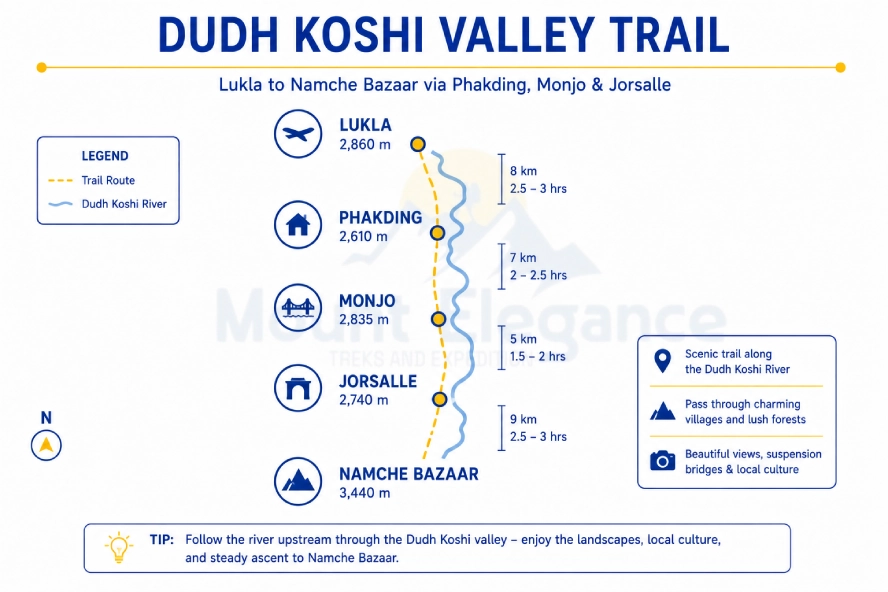
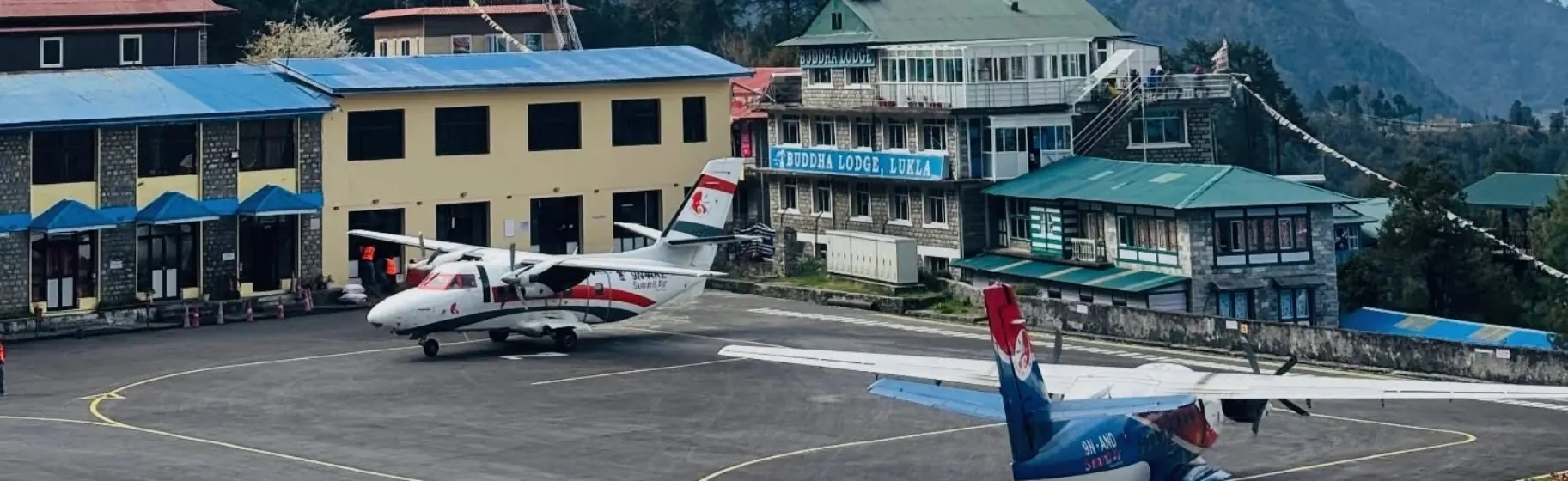
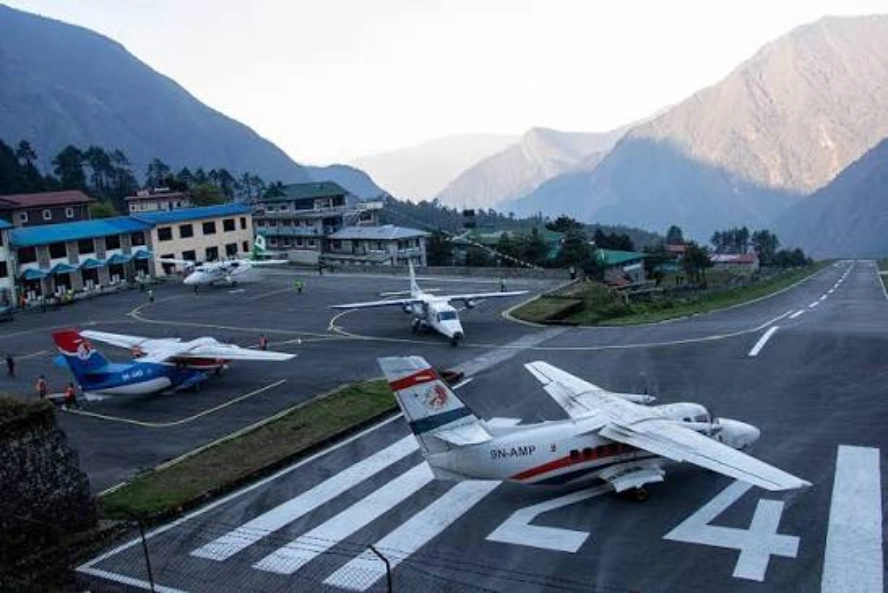
Tenzing-Hilary Airport, often described as one of the world’s most thrilling airstrips due to its short runway and dramatic mountain approach. From Lukla, Namche sits about 13km south, but don’t expect a quick wall - the typical trek duration lukla to Namche runs around two days, factoring in the rugged terrain and gradual altitude gain. The route winds through Sherpa villages like Phakding and Monjo, crossing suspension bridges over the Dudh Koshi river and passing through Sagarmatha National Park’s entrance checkpoint along the way. Since there’s on road access on foot or by air only remains the reality here, making the flight-and-trek combination the most common approach. Weather delays at Lukla are fairly common too, so it’s worth building a buffer day into your itinerary just in case flights get pushed back.
Route Through Phakding, Monjo and Jorsalle
The trail from Lukla to Namche winds through a handful of small villages, each marking a milestone along the way. Phakding as the first overnight stop is where most trekkers rest after their first day, giving bodies a chance to settle in before the tougher climbing ahead. From there the trail hugs the Dudh Koshi river valley, crossing several swaying suspension bridges strung high above the rushing water. The path continues through Monjo, Sagarmatha National Park entry checkpoint, where permits are checked and trekking details logged before entering the protected zone. Just beyond the trail passes through Jorsalle, a quieter village often used for a short lunch break before the real challenge begins. What follows is the steep final climb into Namche, a demanding uphill push that gains significant elevation in a short distance, testing legs and lungs alike before the town finally comes into view.
Syangboche Airport
Syangboche Airport sits at about 3750 meters on a hill in Namche Bazaar. Its short - unpaved runway offers impressive views of surrounding mountains and the village below. The airport is not licensed for regular scheduled passenger flights, so trekkers should not expect normal commercial services here - it is occasionally used for cargo operations, helicopter flights and STOL (Short Takeoff and Landing) charter flights. Most trekkers reach Namche on foot from lower villages, while Syangboche mainly serves limited aviation and local transport needs.
What Is the Culture of Namche Bazaar?
Namche Bazaar has a rich Sherpa culture shaped by mountain life, Buddhism and centuries of trade in the Everest region. As an important trading and trekking hub - Namche brings together local Sherpa families, traders, guides, porters and trekkers from around the world. Traditional customs remain visible in daily life, from Buddhist practices and prayer flags to local food, festivals, clothing and warm hospitality.
Sherpa Identity and Buddhist Practice
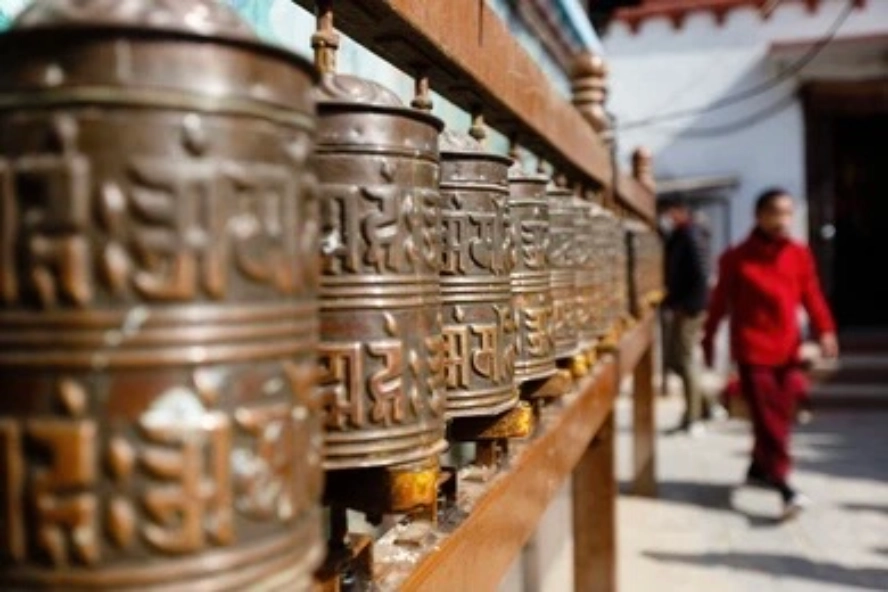
Sherpa people are the heart of Namche Bazaar which is also known as the Sherpa capital of the Everest region. They have a strong connection with Tibetan Buddhist practice - which is an important part of everyday life and local traditions. Monasteries, stupas and colorful prayer flags can be seen around the village, reflecting their spiritual beliefs and respect for the mountains. The Sherpa Museum also helps visitors understand local history, culture, mountaineering and Sherpa traditions. Tenzing Norgay and the 1953 Everest expedition are important cultural touchstones which represent the major role Sherpa communities have played in Himalayan mountaineering. For trekkers, exploring Namche is not only about resting but also an opportunity to learn about Sherpa heritage, Buddhist customs and a mountain culture that continues to shape a life in the Everest region.
Traditional Trading Culture
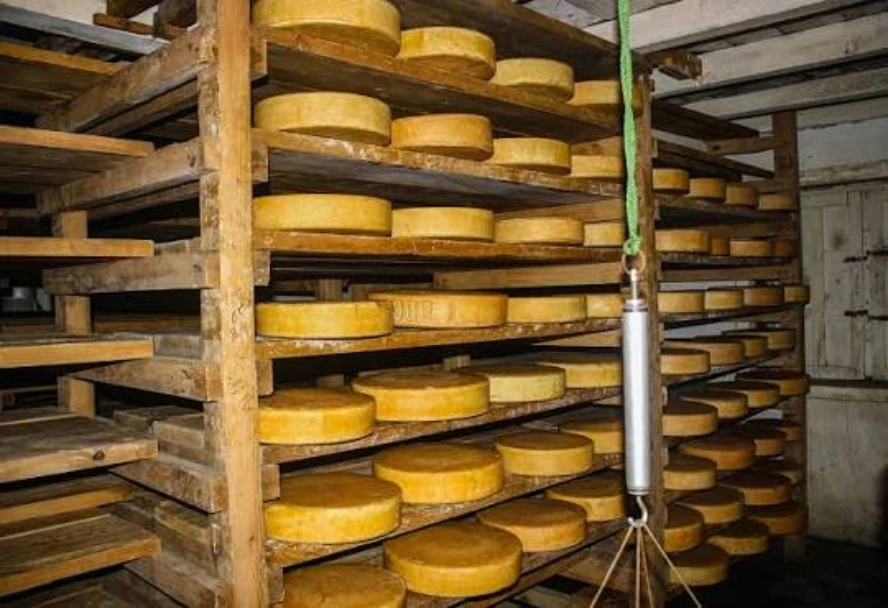
Historically Namche Bazaar plays a vital role as a trading post where local mountain communities exchange goods with nearby regions. Sherpa traders regularly swap highland products like yak cheese or butter for agriculture food brought up from the lower valleys. This long standing trading tradition stays alive through the weekly saturday market and active Tibet market, where locals continue to buy and sell necessities. At the same time Namche has changed into a lively hub for international trekkers heading towards Everest. Modern spots now sit alongside traditional homes, like popular German bakeries, friendly cafes, and even an Irish pub. These new places show how the town has naturally grown from an ancient mountain market into a welcoming spot that connects rich local history with visitors from all over the world.
Namche Bazaar as an Acclimatization Stop
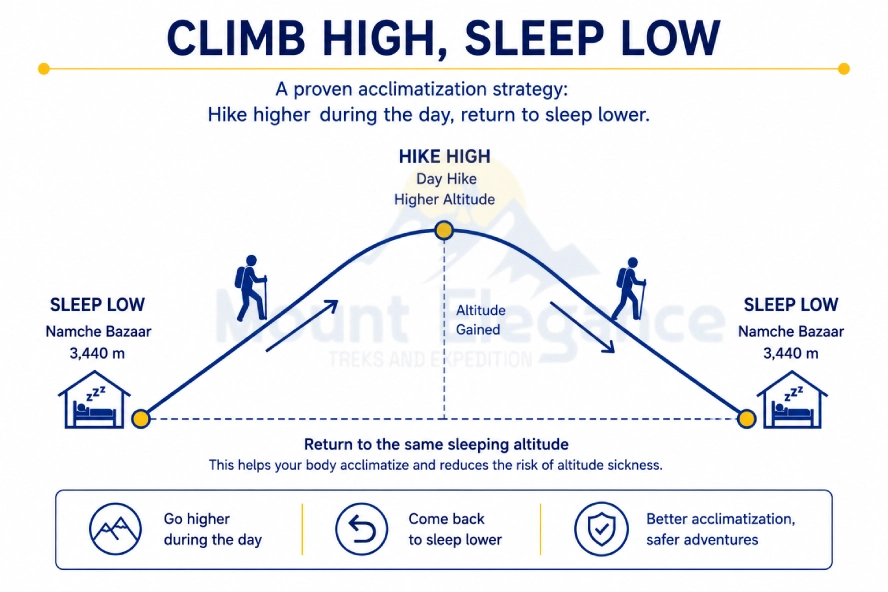
Namche Bazaar is the first acclimatization point on the Everest Base Camp trek. It gives trekkers time to adjust to increasing elevation before heading toward Tengboche - Dingboche and other higher altitudes. Trekkers typically spend 2 nights in Namche depending on the provided itinerary. An extra acclimatization day is often used for a hike around the surrounding hills. A common approach follows the climb high sleep low principle. Trekkers walk to a certain altitude during the day and return to Namche to sleep at night in lower altitude. This helps your body adapt to reduced oxygen levels. This can lower the risk of altitude-related problems.
Beyond acclimatization - Namche provides useful facilities such as bakeries - cafes, shops, pharmacies, ATMs, and gear stores making it a place to restock supplies for your journey. Trekkers should stay hydrated, eat regular meals and monitor symptoms for altitude sickness. Proper acclimatization here can make the following high-altitude stages safer and more manageable.
What Is the Population of Namche Bazaar?
Namche bazaar recorded an official population of 1647 people living across 397 households in 2001 according to the Nepal census. While this official data is dated and more recent, fully confirmed figures are not available in standard source material, the actual resident and floating population has shifted significantly over the years. Today the town serves as the primary economic heart of the Khumbu region, frequently described elsewhere as one of the wealthiest areas in Nepal due to tourism income generated from trekking and mountaineering expeditions. High altitude trekking services - lodge, and gear shops drive the local economy, and a substantial portion of the most sherpa in the tourism trade hail from the Namche area.
From Trading Post to Tourism Hub
Namche Bazaar has long served as an important historical trading post in the Khumbu region connecting highland Sherpa communities with lowland settlements and traders from Tibet. Local families brought valuable mountain products such as yak cheese and butter to exchange for rice - grains, vegetables and other farm goods from lower elevations. This trade helped Namche grow as a busy meeting point and supported everyday life in surrounding villages. Its role changed significantly after Tenzing Norgay and Edmund Hillary’s successful 1953 Everest ascent. which brought international attention to the Everest region. Climbers - explorers and eventually trekkers began passing through Namche on their way toward Everest. As trekking tourism expanded, traditional trade gradually became complemented by tourism-based businesses.
Growth of Trekking and Mountaineering Tourism
The growth of organized trekking from the 1950 onward gradually transformed Namche Bazaar from a traditional trading settlement into a major tourism center. As more mountaineers - trekkers, researchers and visitors entered the Everest region, Namche became the main trading center and a practical hub for the wider Khumbu and Lanjey region. Its strategic location along the route toward Everest made it an important place for travelers to rest, purchase supplies, hire local support and prepare for higher-altitude journeys.
Growing visitor numbers also created new economic opportunities for local residents. Lodges - tea houses, stores, restaurants, bakeries, equipment shops and other services expanded to meet increasing visitor demand. Over time, tourism became closely connected with everyday life and local business in Namche while traditional trading activities continued alongside the growing trekking and mountaineering economy.
Hydropower and Modern Development
The Thame-Namche hydropower plant marked an important step in Namche Bazaar’s modern development. Located near Thame - the 600 kW hydropower plant opened in October 1995 and brought a more reliable electricity supply to Namche and surrounding communities. Access to electricity helped transform everyday life and supported the town's growing tourism industry. Modern lodges could provide better lighting - hot showers, charging facilities, and other visitor services while communication became easier for residents and trekkers. Electricity also supported shops, restaurants and other businesses serving the increasing number of visitors. As trekking tourism expanded, hydropower became an important part of Namche’s transition from a traditional mountain settlement into a modern tourism and service hub in the Everest region.
What Is the History of Namche Bazaar?
Namche Bazaar originated as a traditional trading settlement where Sherpa swapped local highland products - such as yak butter and cheese for agricultural grains from lower Nepal and Tibet. Over time, its strategic geography transformed it into a critical rest and trade hub. Following the historic 1953 Everest ascent by Tenzing Norgay and Edmund Hillary - Namche rapidly evolved from a quiet trading post into the vibrant and modern gateway for global mountaineers.
Day Hikes to Khunde and Khumjung
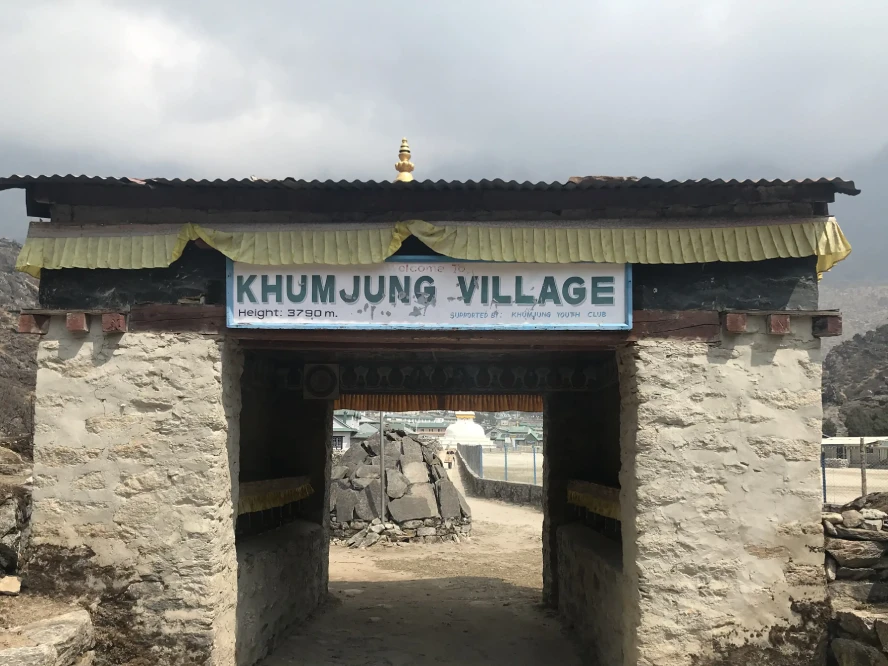
Day hikes to Khunde and Khumjung are popular acclimatization options from Namche Bazaar as it combines gradual altitude exposure with cultural and community experiences. Khunde is home to the Hillary Hospital, which has provided important healthcare services to the local community living in the surrounding of Khumbu region.you can see that Khumjung is known for the Hillary School which was established to support education for local children and a historic monastery associated with a purported yeti scalp - which continues to attract curious trekkers. Both villages are reachable as acclimatization day hikes from Namche, allowing trekkers to climb to a higher elevation during the day before returning to Namche to rest. On the route, trekkers pass through stone houses, mani walls and mesmerizing mountain viewpoints while experiencing traditional Sherpa village life. The hikes also provide a useful opportunity to walk at a relaxed and comfortable pace which helps you prepare for higher-elevation walking days ahead.
Weather and Climate in Namche Bazaar
Namche Bazaar has a subtropical highland - humid continental climate classification with noticeable seasonal changes throughout the year. Its average temperature is around 6.1°C - while average precipitation is approximately 1110 mm annually. Summers are relatively mild but wet because of monsoon influence with July being the warmest month at about 11.7°C on average. Rain and cloud cover can increase during this period sometimes affecting mountain visibility and trekking conditions. Winters are chilly and dry - with January as the coldest month averaging around -0.8 to -0.9°C. Temperatures can fall considerably below freezing at night - particularly during clear winter weather. Spring and autumn generally offer more comfortable trekking conditions with moderate temperatures and comparatively stable weather. Because Namche sits at about 3440 m trekkers should also expect cooler conditions than lower-altitude parts of Nepal.
Climate Factor | Namche Bazaar |
Climate classification | Subtropical highland / humid continental |
Average temperature | 6.1°C (43°F) |
Average precipitation | 1,110 mm (44 in) |
Warmest month | July, 11.7°C |
Coldest month | January, -0.8 to -0.9°C |
Summer | Wet, monsoon-influenced |
Winter | Chilly and dry |
Administrative and Practical Facilities
Namche Bazaar serves as an administrative centre of the Khumbu region, making it an important practical stop for trekkers as well as a busy Sherpa settlement. The village has a police check post, army barracks and bank providing basic security and financial services along the Everest Base Camp route. The Sagarmatha National Park headquarters presence in Namche also makes it an important location for park-related administration and information. Trekkers can find useful community facilities such as Namche Library and a Healing Centre, alongside everyday services. For communication and supplies - Namche has internet cafes, modern communication facilities, lodges and stores making it easier to connect with family - purchase essentials and prepare for higher-altitude sections. Shops stock trekking equipment, clothing, snacks, toiletries and other necessities, while numerous lodges and restaurants provide accommodation and meals.
Namche Bazaar in Popular Culture and Notable Visits
Namche Bazaar has appeared in popular culture and attracted notable international visitors over the years. Canadian folk musician Nathan Rogers featured “Namche Bazaar” on his album The Gauntlet - with the song inspired by cultural mixing along historic trade routes such as the Silk Road. This connection reflects Namche’s long-standing role as a meeting point for people- cultures and traders traveling through the Himalayas. Namche also received a notable political visit in October 1985, when former US President Jimmy Carter and Rosalynn Carter arrived by helicopter during their time in Nepal. Their visit added another interesting chapter to Namche’s history - which extends beyond trekking and tourism.
Why Is Namche Bazaar Called the Sherpa Capital?
Namche Bazaar is called the Sherpa Capital because most Sherpa involved in Nepal’s tourism trade hail from or have strong connections to this area. Historically - it developed as a major trading hub and remains an important administrative and cultural centre of the Khumbu, making it central to Sherpa life, commerce, and tourism.
What Altitude Is Namche Bazaar?
Namche Bazaar sits at 3,440 m (11,286 ft) at its low point - while the settlement has a steep hillside extending to higher elevations. This altitude makes Namche a crucial acclimatization stop on the Everest Base Camp trek.
How Many Days Should You Spend in Namche Bazaar for Acclimatization?
Most itineraries include 1–2 acclimatization nights in Namche Bazaar - giving trekkers enough time to adjust before heading toward higher elevations. Some operators extend stays to 3–4 nights for extra adjustment time, especially for slower itineraries or trekkers who prefer a more gradual altitude gain.
Is There an Airport in Namche Bazaar?
Namche Bazaar does not have a regular passenger airport - Syangboche Airport 3750 meters overlooks the town but is not licensed for scheduled passenger flights, although it supports occasional cargo and helicopter operations. The nearest operating airport is Tenzing-Hillary Airport in Lukla - located about 13 km south of Namche Bazaar.
What Can You Buy at the Namche Bazaar Saturday Market?
Namche Bazaar Saturday Market offers a lively mix of trekking and climbing gear - local produce, Tibetan goods, and general trade items. Traders from Tibet and surrounding Himalayan communities bring merchandise to sell - making the market a useful place to browse for practical trekking supplies, regional products, traditional goods, and everyday necessities.
Does Namche Bazaar Have Internet and Electricity?
Yes, Namche Bazaar has electricity and internet access. Electricity has been supplied by the Thame-Namche hydropower plant since 1995 - while internet cafes and modern communication facilities are available around town but the connection quality can vary, particularly during busy trekking seasons or adverse weather conditions.
What Is the Best Time to Visit Namche Bazaar?
The best time to visit Namche Bazaar is spring (March–May) and autumn (September–November) - which align with the main Everest region trekking seasons. These months generally offer more stable weather, clearer mountain views and comfortable trekking conditions compared with the monsoon and winter periods.
How Far Is Namche Bazaar from Lukla
Namche Bazaar is located approximately 13 km south-north from lukla, a distance typically covered in about 1/2 trekking days via Phakding. Most trekkers stop overnight in Phakding before taking on the steep ascent to Namche.
What Mountains Can You See from Namche Bazaar?
From Namche Bazaar and nearby viewpoints such as Shyangboche hill and the Everest view hotel, trekkers can enjoy breathtaking views of iconic peaks - including Mount Everest, Lhotse, Ama Dablam, Thamserku, and Kongde Ri. Sacred to the local sherpa people, the majestic peak of khumbhu also appears directly above the vibrant mountain town.