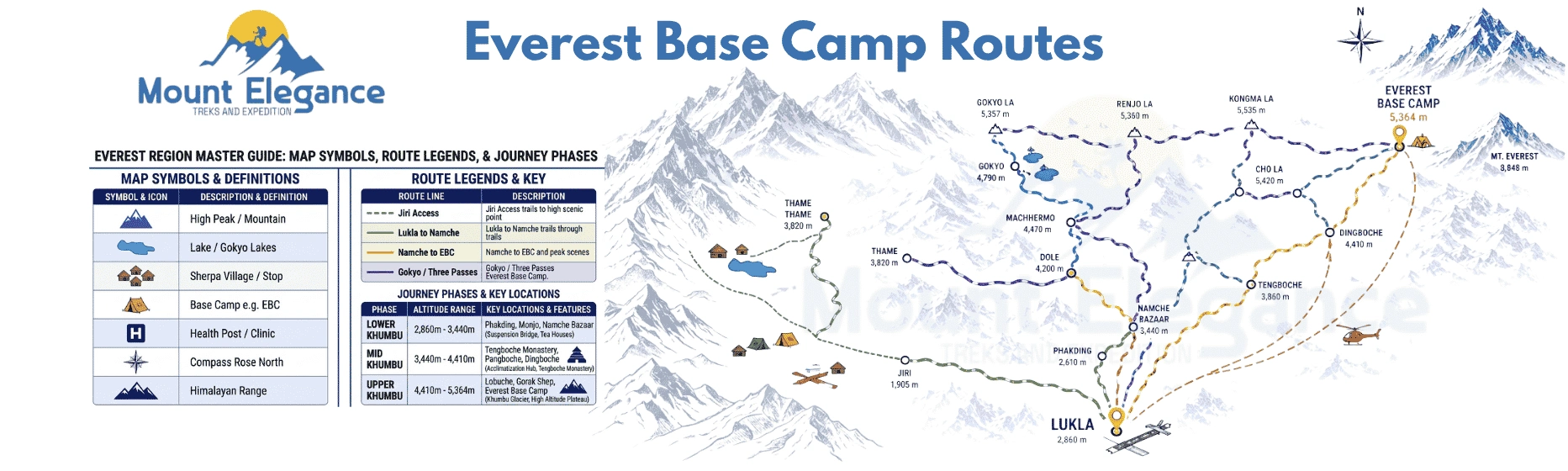
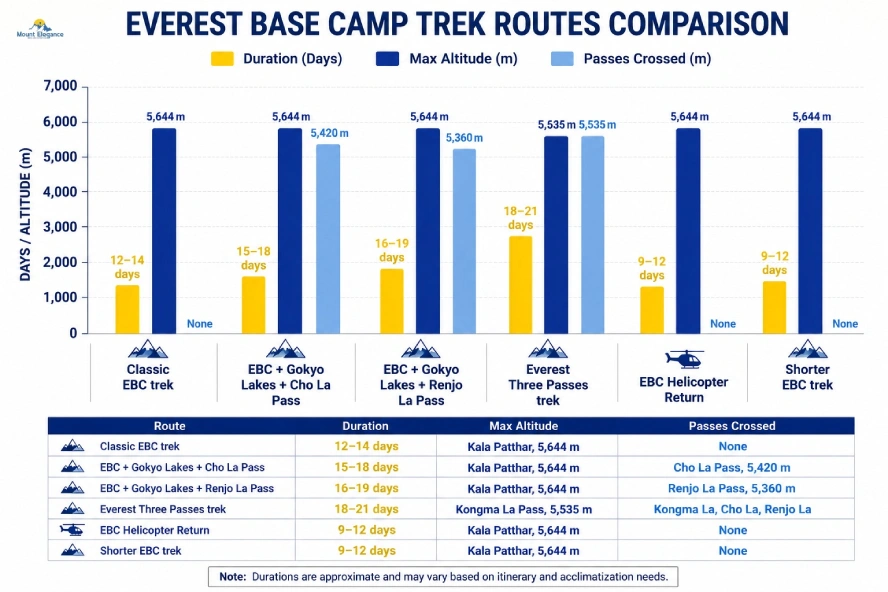
Everest Base Camp trek routes fall into six main variants, each offering a different way to experience the Khumbu region within Solukhumbu District. The classic EBC trek follows the standard path from Lukla through Sagarmatha National Park to Everest Base Camp at 5364 meters. Variations extend this journey further including EBC via Gokyo Lakes and Cho La Pass and EBC via Gokyo Lakes and Renjo La Pass, both adding stunning glacial lake scenery to the standard route. For experienced trekkers seeking a longer and more demanding challenge the Everest Three Passes trek links multiple high passes into one extended journey. Finally the EBC helicopter return option lets trekkers hike up and fly back cutting trip length while skipping the multi-day descent.
What Are the Different Everest Base Camp Trek Routes?
Six trail variants lead to Everest Base Camp each offering a different balance of distance, difficulty and scenery for trekkers to choose from.
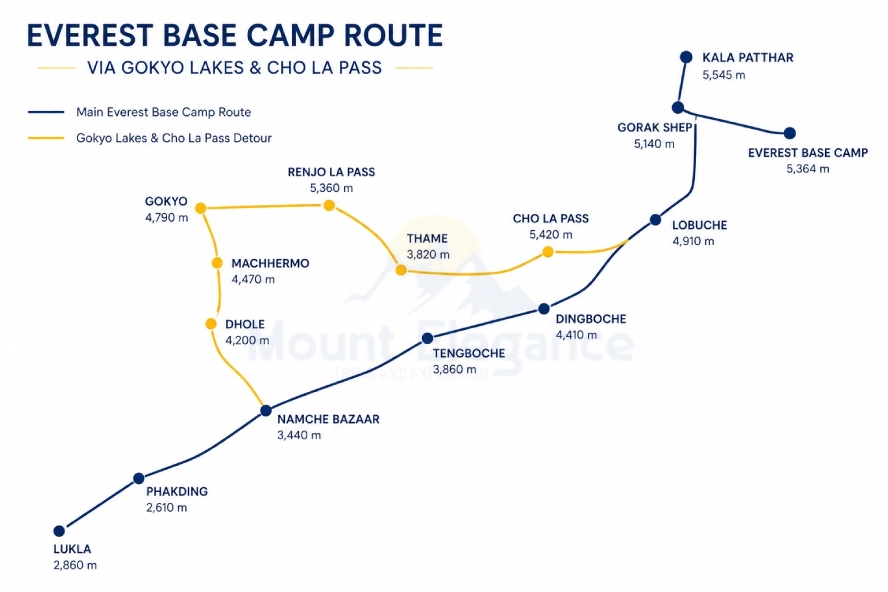
- Classic EBC trek via Lukla - the standard most popular route flying into Lukla and following the well established trail through Namche Bazaar, Tengboche and Dingboche toward the Khumbu Glacier and Base Camp
- EBC via Gokyo Lakes and Cho La Pass - adds a detour through the stunning turquoise Gokyo Lakes before crossing the challenging Cho La Pass to rejoin the main EBC trail
- EBC via Gokyo Lakes and Renjo La Pass - a similar variation that instead crosses Renjo La Pass offering slightly different terrain and views along the way
- Everest Three High Passes trek - the most demanding option linking - Kongma La, Cho La and Renjo La into one extended, high-altitude circuit
- EBC trek with helicopter return - follows the classic route uphill then skips the multi-day descent by flying directly back to Lukla or Kathmandu
- Shorter EBC trek - a condensed itinerary for trekkers with limited time cutting a few acclimatization or trekking days from the standard schedule
How Do the Everest Base Camp Trek Routes Compare at a Glance?
Route | Duration | Max Altitude | Passes Crossed |
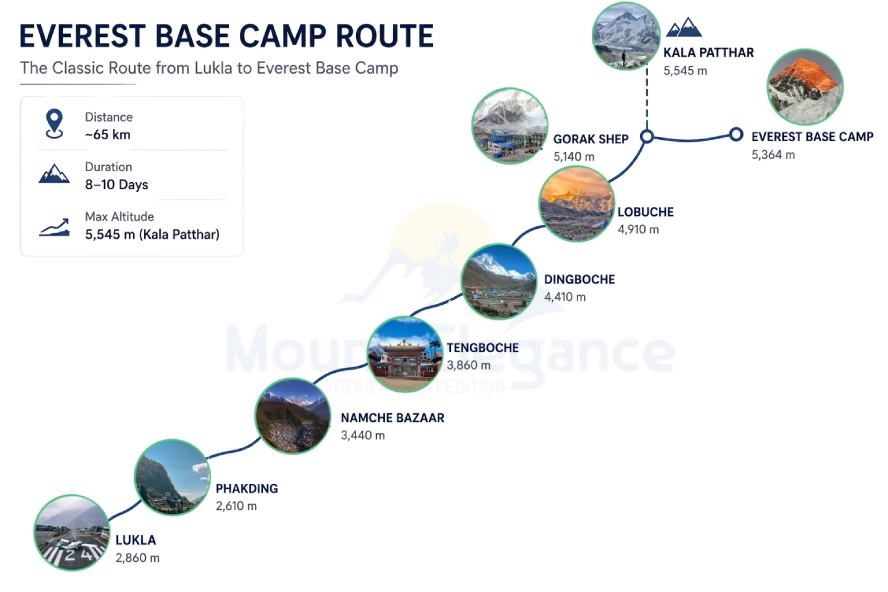
Classic EBC trek | 12–14 days | Kala Patthar, 5,644 m | None |
EBC + Gokyo Lakes + Cho La Pass | 15–18 days | Kala Patthar, 5,644 m | Cho La Pass, 5,420 m |
EBC + Gokyo Lakes + Renjo La Pass | 16–19 days | Kala Patthar, 5,644 m | Renjo La Pass, 5,360 m |
Everest Three Passes trek | 18–21 days | Kongma La Pass, 5,535 m | Kongma La, Cho La, Renjo La |
EBC Helicopter Return | 9–12 days | Kala Patthar, 5,644 m | None |
Shorter EBC trek | 9–12 days | Kala Patthar, 5,644 m | None |
What Is the Classic Everest Base Camp Trek Route via Lukla?
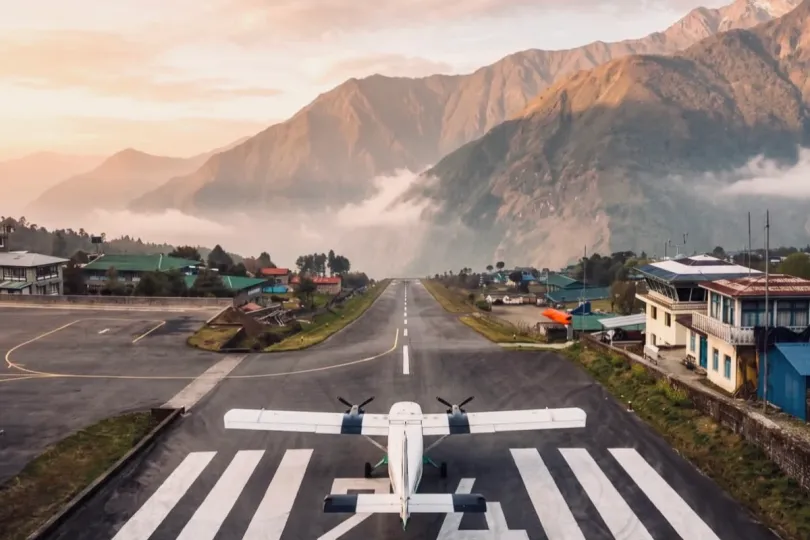
The Classic Everest Base Camp trek starts at Lukla and follows the Khumbu Glacier trail to Everest Base Camp over 12 to 14 days, beginning right after landing at Tenzing-Hillary Airport, one of the most famous and dramatic airstrips in the world. From Lukla the trail descends gently toward Phakding following the Dudh Koshi River through forested terrain before beginning a steadier climb toward Namche Bazaar the main hub of the Khumbu region and a key acclimatization stop.
Continuing on, trekkers pass through Tengboche home to the region’s largest monastery before reaching Dingboche where a second acclimatization day helps the body adjust ahead of higher elevations. From Dingboche the trail pushes onward to Lobuche growing increasingly rocky and exposed as trees disappear and the terrain shifts into true high-altitude landscape.
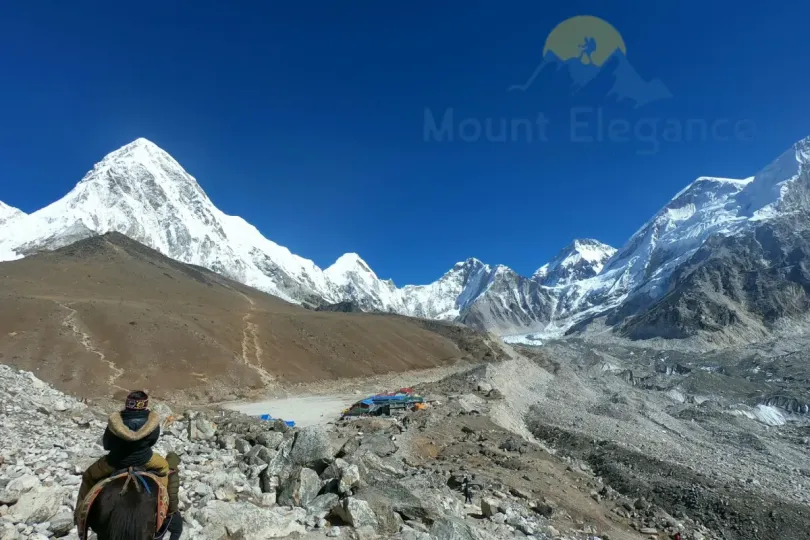
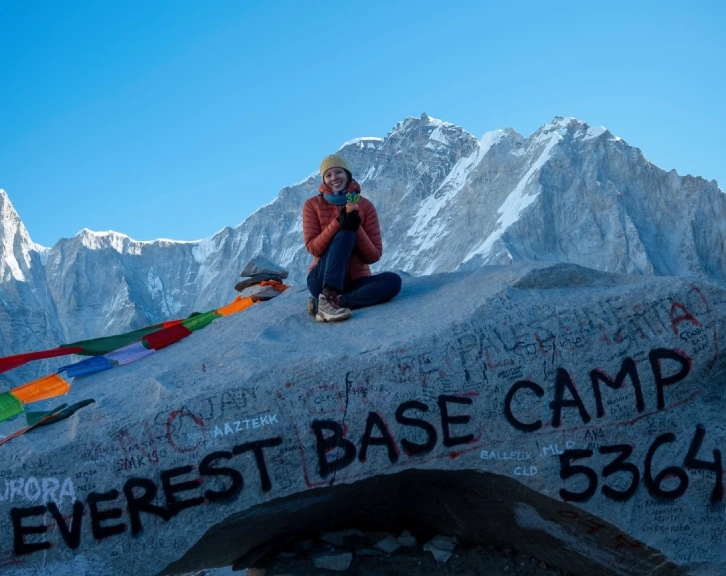
The final stretch takes trekkers to Gorak Shep - the last overnight stop before the two major highlights of the journey: a pre-dawn hike up Kala Patthar for sweeping sunrise views of Everest, followed by the walk along the Khumbu Glacier to Everest Base Camp. This classic route remains the most popular and well-established path in the region, offering a balanced mix of acclimatization days, cultural stops and steady altitude gain making it accessible to trekkers with solid fitness but no technical climbing experience. Its straightforward structure without any high mountain passes to cross, making it the go-to choice for mostly newer trekkers.
Who Should Choose the Classic Everest Base Camp Route via Lukla?
First-time high altitude trekkers with 12 to 14 days available should choose the Classic route since it offers the most accessible entry point into Everest Base Camp trekking.
- First-time high altitude trekkers - the well-structured itinerary and built-in acclimatization days make this route ideal for those new to high-altitude conditions
- Moderate difficulty level - demanding enough to feel like a genuine achievement but manageable for trekkers with solid general fitness
- Established teahouse network - reliable accommodation and food options along the entire route with minimal uncertainty about availability
- Highest completion rate among EBC routes - the balanced pacing and lower altitude exposure compared to pass-crossing variants contribute to more trekkers successfully reaching Base Camp
- No technical pass crossing - avoids the added difficulty, exposure and risk that come with routes crossing Cho La, Renjo La and Kongma La
- Shortest full-length EBC itinerary - covers the complete Base Camp experience without adding the extra days required by Gokyo or three passes variations
What Is the Everest Base Camp Trek via Gokyo Lakes and Cho La Pass?
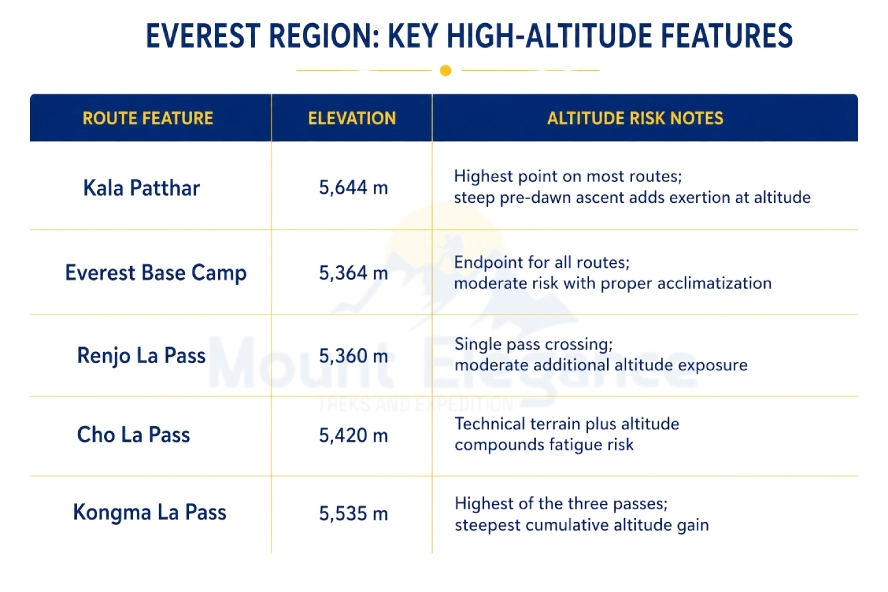
The Everest Base Camp trek via Gokyo lakes and Cho La Pass adds the Gokyo valley and a 5420-meter glacier pass to the classic trail over 15 to 18 days offering trekkers a longer, more scenic alternative to the standard route. Rather than heading straight toward Dingboche and Lobuche this variant diverts through the Gokyo valley - Home to a stunning series of turquoise glacial lakes fed by meltwater from the surrounding peaks. Many trekkers make the effort to climb Gokyo Ri - a popular viewpoint offering panoramic views that rival Kala Patthar taking in Cho Oyu, Everest and the sprawling Ngozumpa Glacier - the largest glacier in the Nepalese Himalayas - stretching out below.
From Gokyo the trail continues to Thagnak before tackling the demanding crossing of Cho La Pass, a rocky glaciated pass that requires careful footing and at times crampons depending on snow conditions. After the crossing trekkers descend into Dzongla - a small settlement that serves as a rest stop before rejoining the classic EBC route toward Lobuche, Gorak Shep and ultimately Everest Base Camp.
This route suits trekkers who want more than the standard EBC experience combining the classic trail’s highlights with the added beauty of Gokyo’s Lakes and a genuine high-altitude pass crossing. It demands strong fitness and prior trekking experience compared to the classic route given the technical nature of Cho La Pass and the additional days spent at extreme altitude throughout the journey.
Who Should Choose the Gokyo Lakes and Cho La Pass Route?
Trekkers who want alpine lake scenery and one moderate glacier-pass crossing should choose this route, since it offers a richer experience for those willing to commit extra time and effort.
- Intermediate difficulty level - more demanding than the Classic route due to the Cho La Pass crossing but still accessible to fit prepared trekkers without technical climbing experience
- Six Gokyo Lakes - a rare chance to see this stunning series of turquoise glacial lakes a highlight most Classic-route trekkers never encounter
- Cho Oyu view - sweeping views of the world’s sixth-highest peak, visible from multiple points throughout the Gokyo valley
- Everest, Lhotse and Makalu view from Gokyo Ri - One of the region’s best panoramic viewpoints rivaling Kala Patthar in scope and detail
- Longer itinerary than the Classic route - requires 15 to 18 days total, appealing to trekkers with more flexible schedule and a desire for a fuller Himalayan experience
What Is the Everest Base Camp Trek via Gokyo Lakes and Renjo La Pass?
The Everest Base Camp trek via Gokyo Lakes and Renjo La Pass crosses a 5360 meters pass on the western side of the Gokyo valley instead of Cho La - offering a slightly different perspective on the region’s dramatic high-altitude scenery. This route typically approaches Gokyo lakes from the west, often passing through Thame village - a historic Sherpa settlement known for its monastery and mountaineering heritage before continuing on to Lunder - a small overnight stop along the way to pass.
Form Lunder trekkers climb toward Renjo La Pass which may be considered one of the most rewarding viewpoints in the entire Everest region, offering the sweeping panorama that takes in Gokyo Lakes below alongside Everest, Makalu and Lhotse in the distance. After crossing the pass the trail descends back into Gokyo, connecting with the standard route toward EBC through Dzonla, Lobuche and Gorak Shep.
Compared to the Cho La variant, Renjo La is often considered slightly less technical underfoot though it still demands solid fitness and proper acclimatization given the extreme altitude involved. This route appeals to trekkers who want the same combination of Gokyo’s lake scenery and a genuine mountain pass crossing but prefer approaching from the Thame side adding a distinct cultural and scenic variation to the broadest Everest Base Camp trekking experience.
Who Should Choose the Gokyo Lakes and Renjo La Pass Route?
Trekkers who want a quieter pass than Cho La and a panoramic view of the Everest range and the famous Gokyo Lake should choose this option, since it offers similar rewards with a notably calmer trail experience.
- Fewer trekkers than the Cho La route - Renjo La sees noticeably less foot traffic, appealing to those wanting a more peaceful, less crowded high-altitude crossing
- Panoramic Everest range view from Renjo La - widely regarded as one of the best viewpoints in the region, taking in Everest, Makalu, and Lhotse alongside Gokyo Lakes below
- Thame Sherpa village - adds a meaningful cultural stop, known for its historic monastery and deep mountaineering roots within the Sherpa community
- Similar duration to the Cho La route - requires roughly 16 to 19 days total, making it a comparable time commitment for trekkers weighing both pass options
What Is the Everest Base Camp Three High Passes Trek Route?
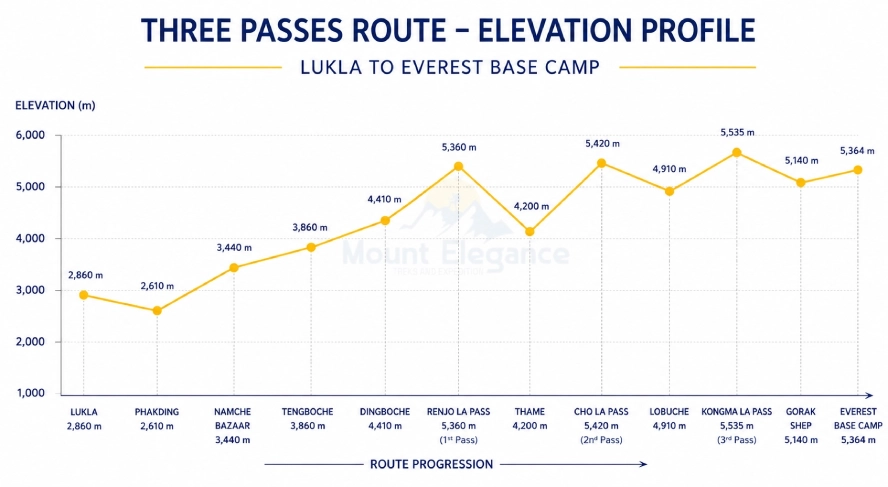
The Everest Three Pass Trek crosses Kongma La, Cho La and Renjo La in one continuous circuit over 18 to 21 days combining every major highlight of the Everest region into a single, demanding journey. The route typically begins by heading toward Chukhung before tackling Kongma La Pass - the highest and most technically challenging of the three at 5535 meters requiring careful navigation across rocky, glaciated terrain. From there the trail descends toward Everest Base Camp allowing trekkers to experience this central highlight before continuing on to cross Cho La Pass at 5420 meters linking into the Gokyo valley.
Once in Gokyo trekkers get to explore the stunning Gokyo Lakes and often climb Gokyo Ri for expansive mountain views before tackling the final crossing Renjo La Pass at 5360 meters, which offers one of the most rewarding panoramic viewpoints in the entire circuit. This structure means trekkers experience all three passes Everest Base Camp and Gokyo Lakes within a single extended itinerary making it the most comprehensive route available in the region.
Given the technical demands of sustained high-altitude exposure and overall length of this trek, it’s best suited for experiencing a strong physical fitness. For those interested in taking on this full circuit more detailed itinerary and booking information can be found on our dedicated Everest Three Passes Trek package page.
Who Should Choose the Three High Passes Route?
Experienced high-altitude trekkers with a full three-week window should choose the Three High Passes route, since it's built for those seeking the most demanding version of the Everest experience.
- Three glacier-pass crossings - combines Kongma La, Cho La, and Renjo La into a single circuit, more technical terrain than any other EBC route variant
- Longest EBC itinerary - spans 18 to 21 days, requiring a significant time commitment compared to shorter alternatives
- Highest cumulative elevation gain - repeated high-altitude pass crossings add substantially more total ascent than the Classic or single-pass routes
- Requires prior high-altitude trekking experience - the technical terrain and sustained altitude exposure make this a poor choice for first-time high-altitude trekkers
- Likely the lowest completion rate among EBC route types - though exact figures aren't consistently published, the route's length, difficulty, and exposure suggest a higher rate of route changes or early exits compared to shorter, less technical options
Is the Three High Passes Route Harder Than the Classic Route?
Yes, the Three High Passes route is harder than the Classic route. It crosses three passes above 5300 meters, compared to zero on the Classic trail, adding significantly higher cumulative elevation gain throughout the journey. Sections at Kongma La and Cho La often require ropes and microspikes for safe passage. The route also takes 5 to 7 additional trekking days, extending the overall commitment considerably.
What Is the Everest Base Camp Trek with Helicopter Return?
The Everest Base Camp trek with helicopter return follows the Classic route on foot to Base Camp and flies back from Gorak Shep or Syangboche cutting the itinerary to 9 to 12 days making it an appealing option for trekkers with limited vacation time. The uphill portion mirrors the standard Classic route exactly, passing through Lukla, Namche Bazaar, Tengboche and Dingboche before reaching Gorak Shep the Final overnight stop before both Kala Patthar and Everest Base Camp.
After completing the trek up taking in sunrise view from Kala Patthar trekkers board a helicopter charter either directly from Gorak Shep or after descending partway to Syangboche, skipping the multi-day walk back down that the Classic route requires. This shortcut can save anywhere from three to five days compared to trekking the full route both ways.
That said, this option comes with an important warning: helicopter flights remain weather-dependent, meaning poor visibility or storms can delay or cancel scheduled pickups, occasionally forcing trekkers to walk out partway or wait an extra day for conditions to clear. Because of this variability, it's wise to build a buffer day into any itinerary involving a helicopter return, ensuring unexpected weather doesn't throw off onward flights from Lukla or international travel plans afterward.
What Is the Shorter Everest Base Camp Trek Route?
The Shorter Everest Base Camp trek compresses the classic itinerary to around 9 to 12 days by adding an extra Lukla flight segment or dropping a rest day offering a faster option for trekkers working with limited time. This condensed schedule typically achieves its shorter length by flying directly into Lukla and skipping or shortening one of the standard acclimatization stops usually at Namche Bazaar or Dingboche rather than removing any actual trail sections.
Because of these reduced acclimatization days trekkers face a meaningfully higher altitude sickness risk compared to the standard Classic itinerary since the body has less build-in time to adjust to increasing elevation along the way. This trade-off makes the route best suited for trekkers with prior high-altitude experience who already have a sense of how their body handles elevation gain and can recognize early symptoms of altitude sickness if they arise. First-time high-altitude trekkers are generally better off sticking with the full 12 to 14 day Classic itinerary, allowing the extra acclimatization time to reduce risk and improve overall comfort throughout the journey.
How Do You Choose the Best Everest Base Camp Trek Route for You?
The right Everest Base Camp trek route depends on prior altitude experience, time available and physical fitness since these three factors largely determine which variant will suit a trekker best. First timers without prior high-altitude exposure are generally better suited to Classic route which offers built-in acclimatization days and a well-established support network along the way. Those with more altitude experience and stronger physical fitness might consider the Gokyo Lakes variants or the full Three Passes trek for a more demanding, rewarding challenge.
Itinerary length matters too since trekkers with only a week or two available may lean toward the Shorter EBC trek or the Helicopter return option while those with three weeks or more can comfortably take on the longer pass-crossing routes. Scenery preference also plays a role - trekkers drawn to alpine lakes and glacier views often gravitate toward the Gokyo routes, while those wanting the most efficient classic Everest experience may prefer sticking to the standard trail.
Crowd tolerance is another consideration since the Classic route sees far more foot traffic than the quieter Renjo La or Three Passes options. Finally, budget plays a practical role, particularly for trekkers weighing the added cost of a helicopter charter against the time saved or considering extra trekking days for a longer more immersive route through the region.
Which Route Is Best for First-Time High-Altitude Trekkers?
The Classic Everest Base Camp route is best for first-time high-altitude trekkers, since it offers the most manageable entry point into high-altitude trekking without unnecessary added risk. The route avoids any technical pass crossing, keeping the trail straightforward and accessible to trekkers without prior mountaineering experience. Its established teahouse network also means reliable food, accommodation, and support throughout the journey, reducing uncertainty for those new to multi-day trekking at altitude. The itinerary follows a gradual acclimatization schedule, building in dedicated rest days at Namche Bazaar and Dingboche to help the body adjust steadily as elevation increases. Together, these factors likely contribute to the Classic route's reputation for having a comparatively higher completion rate than more technical variants, making it the sensible starting point for anyone attempting Everest Base Camp for the first time.
Which Route Has the Highest Completion Rate?
The Classic Everest Base Camp route has the highest completion rate among all EBC trail variants, largely because its shorter itinerary, lower cumulative altitude gain, and more built-in acclimatization days reduce the physical strain that often forces trekkers to turn back. While exact completion-rate figures from trekking agencies aren't consistently published, the Three Passes route's added technical difficulty and extended high-altitude exposure likely result in a noticeably lower completion rate by comparison.
How Many Days Are Ideal for a Safe Everest Base Camp Trek?
12 to 14 days is the ideal length for a safe Everest Base Camp trek, since this timeframe allows for two built-in acclimatization days, typically scheduled at Namche Bazaar and Dingboche, giving the body time to adjust to increasing altitude. This pacing generally keeps elevation gain under 500 meters per day above 3000 meters, following widely recommended guidelines for reducing the risk of altitude sickness throughout the journey.
Which Route Is Best for Mountain Views and Scenery?
The Gokyo Lakes and Cho La Pass route offers the widest range of mountain and lake scenery among EBC routes, combining glacier lakes with sweeping high-altitude panoramas rarely seen on the standard trail. Climbing Gokyo Ri rewards trekkers with an exceptional viewpoint taking in - Everest, Lhotse, Makalu and Cho Oyu all from a single vantage point, arguably rivaling or even surpassing the views from Kala Patthar. Along the way trekkers pass the six turquoise Gokyo Lakes - a striking contrast against the surrounding rock and ice, plus the sprawling Ngozumpa Glacier - the Longest glacier in the Nepalese Himalayas. By comparison the Classic route stays within the narrower Khumbu valley offering dramatic but more limited views since it never ventures into the wider more open terrain that defines the Gokyo side of the region.
What Is the Elevation Gain and Altitude Risk on Each Everest Base Camp Route?
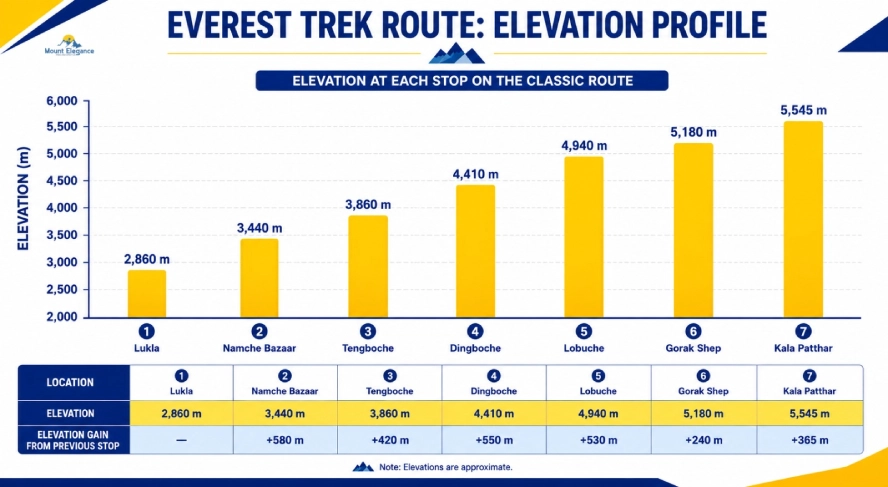
How Much Elevation Do You Gain Each Day on the Trail?
Location identifies each stop on the route, elevation shows its height above sea level, and elevation gain shows how much higher each stop is compared with the previous one.
Location | Elevation | Elevation Gain from Previous Stop |
Lukla | 2,860 m | — |
Namche Bazaar | 3,440 m | +580 m |
Tengboche | 3,860 m | +420 m |
Dingboche | 4,410 m | +550 m |
Lobuche | 4,940 m | +530 m |
Gorak Shep | 5,180 m | +240 m |
Kala Patthar | 5,545 m | +365 m |
Which Route Carries the Highest Altitude Risk?
The Three High Passes route carries the highest altitude risk of the five EBC route types, since it crosses three separate passes all above 5,300 meters within a single extended circuit. This repeated high-altitude exposure adds up over the course of the trek, creating cumulative altitude strain that single-pass or pass-free routes simply don't involve. Compounding this risk, each pass segment often comes with fewer dedicated rest days relative to the elevation gained, meaning trekkers push through demanding terrain without the same built-in recovery time found on the Classic route. This combination makes careful pacing and prior high-altitude experience especially important for anyone attempting this variant.
When Is the Best Time to Trek Each Everest Base Camp Route?
March to May and late September to November are the two main trekking seasons for every Everest Base Camp route offering the most stable weather and clearest mountain visibility across all six trail variants. The pre-monsoon season, from March to May brings - mild temperatures, blooming rhododendrons and good conditions for both the Classic route and the more technical pass-crossing variants since stable weather matters even more when navigating high, exposed terrain like Cho La or Kongma La. The post-monsoon season running September through November is widely considered the clearest window of the year often coinciding with the Tengboche Mani Rimdu festival in October adding cultural richness to the trek alongside excellent visibility.
Both of these windows also count as the peak-crowding months, meaning popular routes like the Classic trail see the heaviest foot traffic while quieter variants like Renjo La offer some relief even during busy seasons. Outside these two peaks, winter trekking from December to February suits experienced, cold-tolerant trekkers seeking solitude through pass-crossing routes becoming considerably riskier due to snow and ice. Monsoon season from June to August generally isn’t recommended for any route especially the technical passes since rain cloud cover and slippery terrain significantly increase both discomfort and safety risk across the entire region.
Which Routes Are Best During Peak Season, and Which Have Fewer Crowds?
The Classic route carries the heaviest foot traffic during peak season while the Gokyo Lakes via Renjo La Pass route and the Three High Passes route see the fewest trekkers. As the default choice for most first-timers the Classic trail sees crowded teahouses and busy viewpoints throughout March to May and September to November. Renjo La Naturally draws fewer trekkers simply by branching off the main path while the Three Passes route’s technical, demanding terrain filters out casual trekkers almost entirely. Those wanting fewer crowds without giving up decent weather might consider alternative windows like early March, June or November instead.
What Common Mistakes Do Trekkers Make When Choosing an Everest Base Camp Route?
Trekkers most often pick a route by itinerary length alone and skip the altitude-risk comparison, leading to a handful of avoidable mistakes that can turn an exciting trek into a stressful ordeal.
- Ignoring the built-in acclimatization day count - some trekkers gravitate toward shorter itineraries without realizing fewer rest days directly increases altitude sickness risk
- Underestimating pass difficulty - Cho La, Renjo La, and Kongma La all involve rocky, glaciated terrain that catches unprepared trekkers off guard, even those with decent general fitness
- Booking the Three Passes route without prior altitude experience - attempting the most technical, demanding route as a first high-altitude trek significantly raises the chance of altitude sickness or an incomplete journey
- Skipping travel insurance that covers helicopter evacuation - given the remoteness and altitude involved, insurance without this coverage leaves trekkers exposed in a genuine emergency
- Not checking Lukla flight cancellation risk in monsoon and winter - trekkers often plan tight itineraries without accounting for weather-related flight delays, leaving little room to absorb unexpected disruptions
Which Villages Do You Pass Through on the Everest Base Camp Trek Route?
Every Everest Base Camp route passes through the same core chain of Khumbu villages between Lukla and Gorak Shep regardless of which specific trail variant a trekker chooses. Starting from Lukla, the trail winds through - Phakding, Monjo, and Jorsale before reaching Namche Bazaar the region's main hub. From there the route continues through Tengboche and Pangboche both known for their cultural and monastic significance before climbing toward Dingboche and nearby Pheriche. The trail then pushes on to Lobuche followed by Gorak Shep, the final settlement before reaching Kala Patthar and Everest Base Camp. While routes like Gokyo Lakes or Three Passes branch off to include additional stops such as Gokyo or Thame this core sequence of villages remains the common thread connecting every path toward Base Camp offering a consistent rhythm of rest, acclimatization, and cultural immersion along the way.
What Makes Lukla the Starting Point of the Everest Base Camp Trek?
Lukla a gateway of Everest region is the starting point of the Everest Base Camp trek because Tenzing-Hillary Airport is the only regular air access point into the Khumbu region making it the practical gate way for nearly every trekker heading toward Everest. Sitting at 2860 meters Lukla’s airport features a short-takeoff-and-landing runway famous for its steep incline and dramatic mountainside setting which allow small aircraft to safely operate despite the region’s rugged terrain. Most trekkers reach Lukla via a short flight from Kathmandu, cutting what would otherwise be a multi-day overland journey down to roughly 30 to 40 minutes in the air. This direct flight connection has made Lukla the default starting point for the vast majority of Everest Base Camp itineraries, regardless of which specific route trekkers ultimately choose to follow.
How Far Is Phakding from Lukla on the Everest Base Camp Trail?
Phakding the first stop on EBC Trek sits about 8 kilometers or 3 to 4 hours of walking from Lukla making it the first overnight stop on the trail for most Everest Base Camp itineraries. The route follows a gentle mostly downhill path from Lukla's higher elevation down to Phakding 2610 meters - tracing the course of the Dudh Koshi River along much of the way. This short first day gives trekkers an easy introduction to the trail, allowing time to adjust to the rhythm of walking and altitude before the terrain grows steadily more demanding over the following days toward Namche Bazaar.
Why Do Trekkers Pass Through Monjo and Jorsale on the Way to Namche Bazaar?
Trekkers pass through Monjo village on EBC Trek because the Sagarmatha National Park entry checkpoint sits between the two villages, making this stretch a mandatory part of the route toward Namche Bazaar. At Monjo sitting at 2835 meters officials check trekkers Sagarmatha National Park entry permits before allowing them to continue further into the protected area. Just beyond, Jorsale at 2740 meters marks the point near the confluence of the Dudh Koshi and Bhote Koshi rivers offering scenic river views before the trail begins its steeper climb toward Namche Bazaar.
Why Is Namche Bazaar the Main Acclimatization Stop on the Trail?
Namche Bazaar Sherpa capital of Everest region is the main acclimatization stop because every route schedules a rest day here at 3440 meters before pushing higher, giving the body essential time to adjust before altitude gains become steeper. As the largest town in the Khumbu region, Namche has long served as a Sherpa trading hub historically connecting Tibet and Nepal through mountain trade routes. The town comes alive every Saturday with its lively weekly market, drawing locals and trekkers alike. Many trekkers also use their rest day to hike up to the Everest View Hotel, one of the highest-placed hotels in the world, for early panoramic views of Everest itself. For a closer look at everything Namche has to offer, check out our dedicated Namche Bazaar trail-stop guide.
What Makes Tengboche an Important Stop on the Everest Base Camp Route?
Tengboche village in the Khumbu region is an important stop because it holds the largest Buddhist monastery, giving trekkers a real cultural and spiritual highlight partway through the journey. Sitting at 3867 meters the village also serves up one of the trail's best views of Ama Dablam, framed dramatically against the peaks behind it. Getting there means walking through a scenic stretch of forest inside Sagarmatha National Park - a peaceful, wooded break before the trail opens up to the monastery's elevated setting. For a lot of trekkers this stop becomes a natural pause point - a moment to take stock of the journey so far, both physically and otherwise.
How Does Pangboche Differ from Tengboche on the Trail?
Pangboche village on EBC Trek sits higher than Tengboche at 3,930 meters and is the last village with a year-round Sherpa settlement before the trail climbs above the tree line. Tengboche has the region's largest monastery but Pangboche claims the oldest monastery in the Khumbu - its own kind of historical weight. There's a geographic shift here too: Pangboche sits right at the tree line so past this point the trail turns sparser and more exposed marking the start of the trek's tougher, higher stretch toward Dingboche and beyond.
Why Do Trekkers Acclimatize at Dingboche or Pheriche?
Trekkers rest at Dingboche a major acclimatization stop or Pheriche because both sit at approximately 4360 to 4410 meters, the second mandatory rest-day altitude on every EBC route giving the body another shot to adjust before the trail pushes into its highest stretches. Dingboche 4410 meters - is the go-to stop on the Classic route - trekkers often pair it with an optional hike up Nangkartshang Peak using the extra elevation exposure to help acclimatize. Pheriche 4371 meters - works as an alternative on some itineraries and is home to the Himalayan Rescue Association aid post, where trekkers can get altitude sickness screening and emergency support if early symptoms show up. Either way, the stop does the same job: slowing the pace of ascent before heading on toward Lobuche and Gorak Shep.
How High Is Lobuche and Why Is It the Last Stop Before Gorak Shep?
What is Lobuche Peak Climbing? Lobuche Peak Climbing on sits at 4940 meters and is the last overnight stop before Gorak Shep because it is the final village-level settlement below the Khumbu Glacier moraine right where the trail shifts into its most rugged high-altitude stretch. From here the path follows the rocky moraine trail and footing gets trickier as the landscape turns increasingly barren and exposed. Nearby sits the Pyramid International Laboratory - a high-altitude research station that studies climate and glaciology in extreme conditions. Lobuche essentially works as the last staging point before the short, demanding push toward Gorak Shep and eventually Everest Base Camp.
Why Is Gorak Shep the Final Overnight Stop Before Everest Base Camp?
Gorak Shep is the final overnight stop before EBC because it is the last cluster of teahouses on the Khumbu Glacier route 5164 meters above sea level, offering the only reliable accommodation this close to Base Camp. Interestingly Gorak Shep sits on a dried lakebed - its flat, sandy terrain a distinct contrast to the rocky moraine surrounding it. As the last teahouse cluster on the entire route, it serves as the essential base for both major day hikes that follow - the pre-dawn climb up Kala Patthar and the walk out to Everest Base Camp - before trekkers begin their descent back down the valley.
Is Kala Patthar Higher Than Everest Base Camp Itself?
Yes, Kala Patthar the Everest point is higher than Everest Base Camp itself. Standing at 5,545 meters compared to Base Camp's 5364 meters - Kala Patthar sits about 180 meters higher, making it the trek's true high point. This extra elevation is exactly why it's considered the best Everest summit viewpoint on the entire trek, offering a clear line of sight that Base Camp's lower, more enclosed position simply can't match.