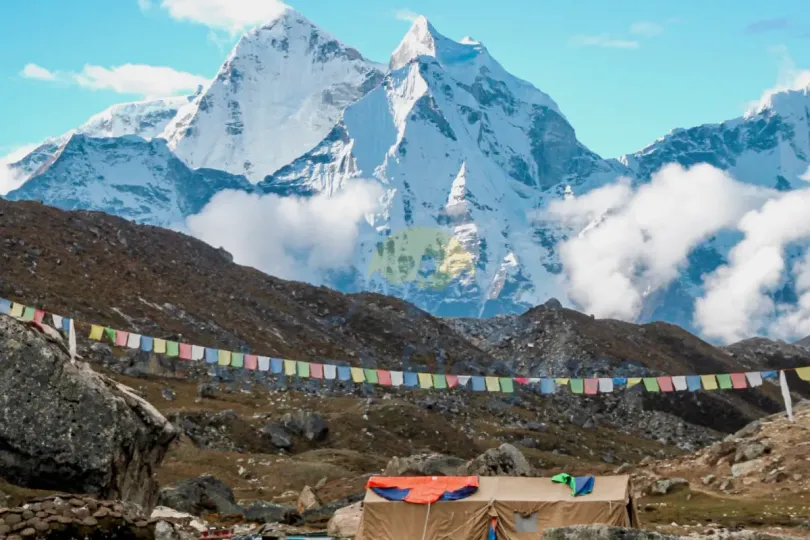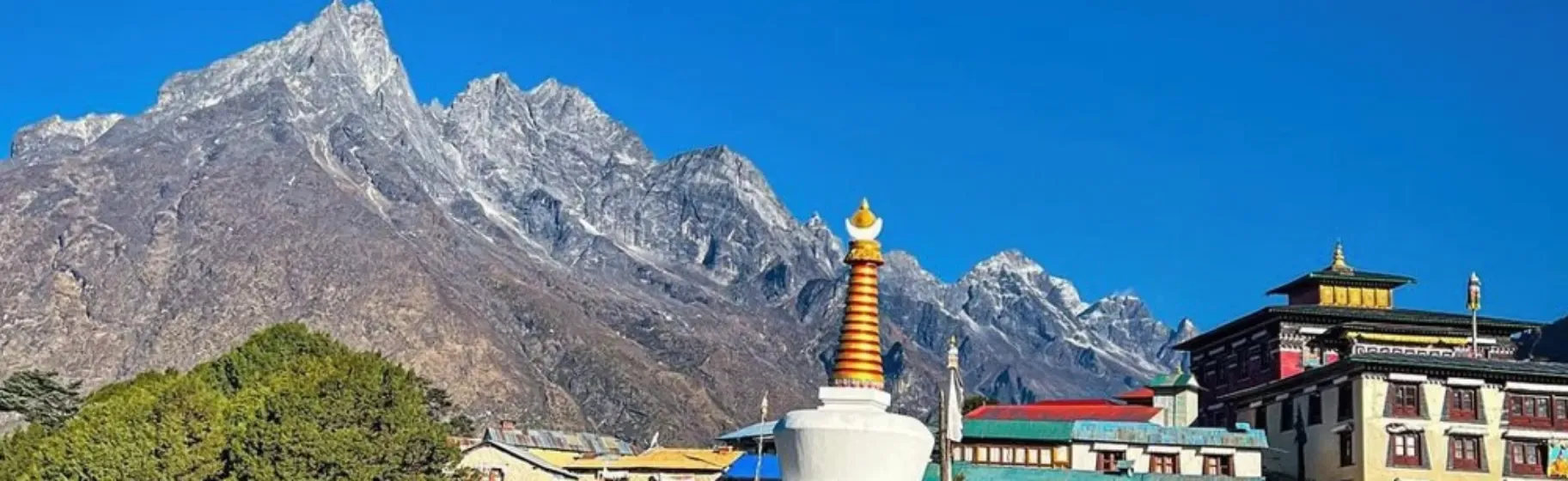
Tengboche is a high-altitude village in the famous Khumbu Region. It is located inside the protected area of Sagarmatha National Park. This quiet Himalayan village sits above the Dudh Koshi Valley and the broader Khumbu Valley. As a Sherpa Settlement it offers travelers a genuine look into local mountain life and Buddhist Culture. This Buddhist Culture is deeply rooted in Tibetan Buddhism. Today Tengboche stands out as a world-class Himalayan Destination. Tengboche is also a stop along the iconic Everest Base Camp Trail. Visitors from around the world come to this famous Trekking Destination. They come to admire its Mountain Landscape that features up-close views of towering peaks, like Ama Dablam and Mount Everest.
What is Tengboche?
Tengboche is a small village in Nepal's Koshi Province, sitting at roughly 3,860 meters along the main Everest route. It's one of the more memorable stops on the Everest Base Camp Trek Route - partly for the setting, partly for what sits right at its center: Tengboche Monastery, the largest and most significant monastery anywhere in the Khumbu.
As a real Sherpa Community hub, Tengboche carries genuine Buddhist Heritage with it. The monastery acted as a spiritual center for the region for well over a century now, and monks still hold daily prayers that trekkers are welcome to quietly sit in on. Beyond the religious side of things, Tengboche Village works as a key trekking stop too, with lodges, food, and a natural place to rest roughly halfway between Namche Bazaar and the higher villages further along the valley.
What really sets it apart, though, is the view. Tengboche gets called one of the best mountain viewpoints on the whole route for good reason - a rare, unobstructed panorama taking in Everest, Ama Dablam, and several other major peaks all at once. Between the scenery, the monastery, and a strong pull of local culture and traditional lifestyle, Tengboche gives trekkers a genuine pause, part physical rest, part cultural immersion before the trail climbs on toward higher, harsher ground.
Where is Tengboche Located in Nepal?
Tengboche sits out in Eastern Nepal, inside the Solukhumbu District of Koshi Province, tucked deep into the Khumbu Valley stretch of the Himalayas. It falls within Sagarmatha National Park, part of the wider Everest Region and Mountain Region that pulls trekkers in from all over. On paper, the village answers to the Khumbu Pasang Lhamu Rural Municipality, the same local authority that oversees most of the villages strung along this trekking route.
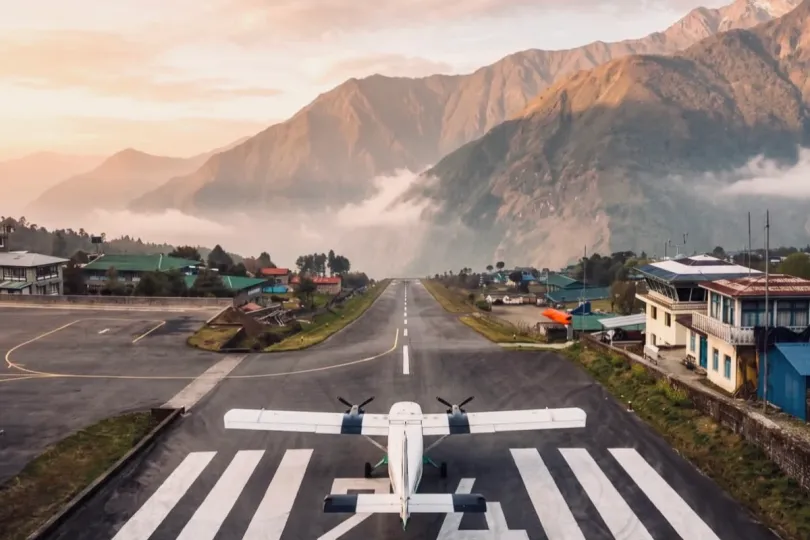
Physically, the place sits perched on a ridge above the Imja Khola river, with views that drop straight down into the valley floor. Along the trail, it's about a day's walk past Namche Bazaar, sitting across the valley from Khumjung and just short of Pangboche further along. Coming from Lukla, where most treks kick off, it usually takes three to four days of walking to reach Tengboche - right smack in the middle of what's arguably the most scenic, most spiritually loaded stretch of the whole Khumbu.
What Is the Distance from Tengboche to Everest Base Camp?
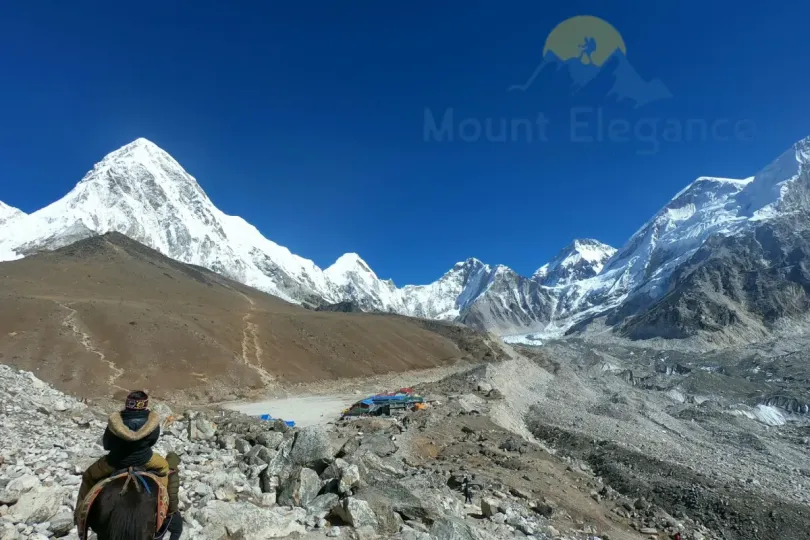
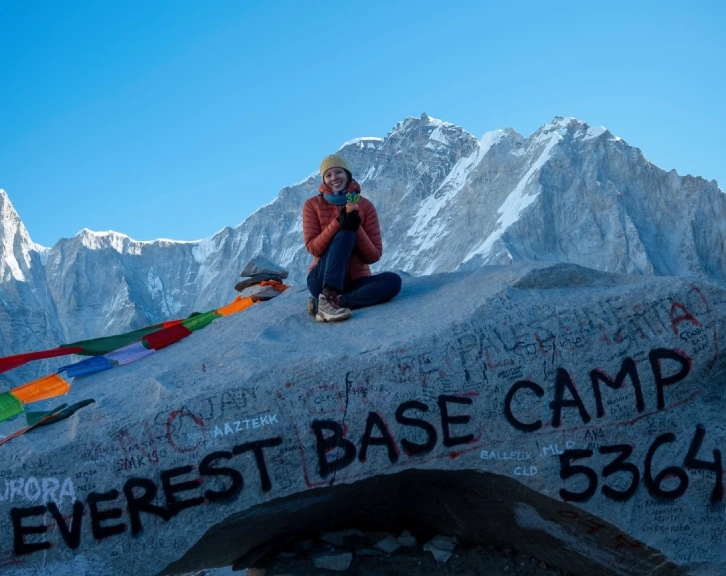
The total trekking distance from Tengboche to base camp covers roughly 26 to 30 kilometers of trekking distance, though nobody walks it in one go. The EBC Trail climbs steadily through Dingboche, a key acclimatization stop, then continues up throug h Lobuche before reaching Gorak Shep, the last stop before crossing the rocky edge of the Khumbu Glacier on the final push to base camp itself.
Trek duration for this section typically runs 3 to 4 days, factoring in the rest days needed for proper high-altitude trekking. That pacing matters - the elevation gain between Tengboche's 3,860 meters and base camp's roughly 5,364 meters is significant, and rushing this hiking route is one of the more common mistakes trekkers make.
Most itineraries also build in a side trip to Kala Patthar near Gorak Shep, adding a bit more distance but offering some of the best views on the entire mountain path. Whether trekkers call it a Himalayan trek or simply the final stretch of their trek itinerary, this section from Tengboche onward is where the real physical demands of the route start to show.
What is the Altitude of Tengboche?
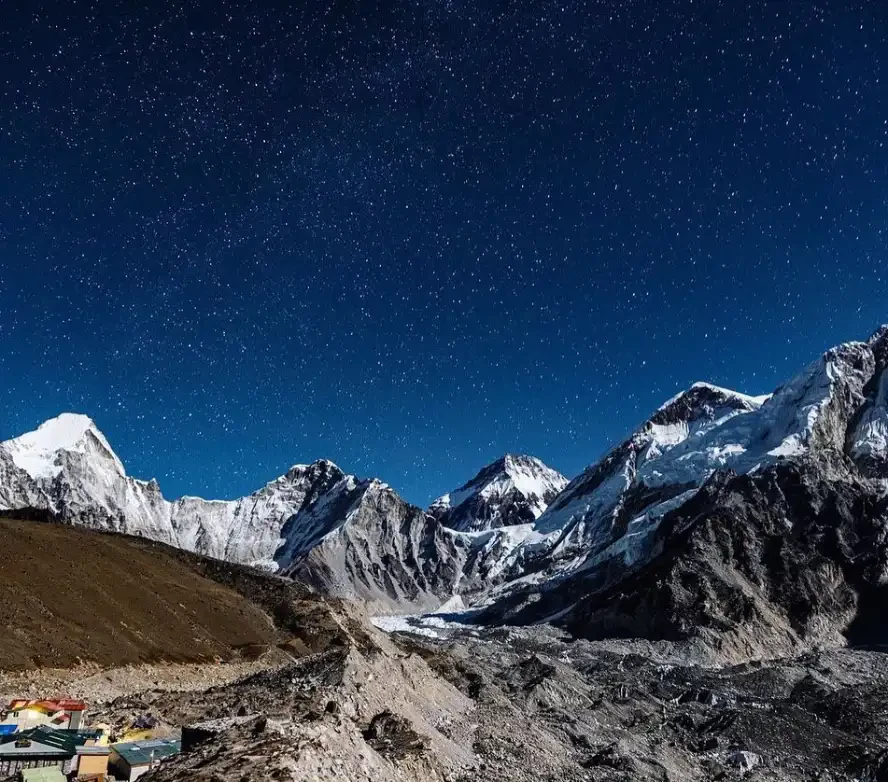
Tengboche sits at an elevation of 3,860 meters (12,664 feet), placing it firmly within the high-altitude environment of the Khumbu, though still well below the truly extreme heights further up the trail. At this elevation, oxygen levels are noticeably lower than at sea level, and the shift starts to matter more the higher trekkers climb from here.
For most people, Acute Mountain Sickness risk at Tengboche itself is relatively low compared to later stops, but it's still an important stage for acclimatization - the body needs time here to start adjusting before pushing further into the Everest Region's harsher mountain terrain. Understanding the elevation profile of the trek matters for basic trekking health: gaining altitude too fast, even in the relatively milder stretches like this one, sets a poor pattern for the steeper altitude gain that follows.
Combined with the unpredictable Himalayan climate, where temperatures can swing sharply between day and night, Tengboche's altitude is a useful reminder that even the "easier" stops on this trek still demand real respect for how the body responds to thinning air.
What Is the Difficulty Level of the Trek to Tengboche?
The trek to Tengboche usually gets rated moderate - noticeably tough, but doable for most reasonably fit trekkers who don't have any technical climbing background. Leaving Namche Bazaar, the trail drops steeply down to the Dudh Koshi river, then climbs right back up just as steeply on the other side to reach Tengboche; that up and down stretch tends to be the hardest part of the whole day.
Honestly, altitude matters more here than the terrain does. The trail itself isn't technical at all, but combine a long uphill grind with thinner air at this elevation, and it's easy to see how trekkers who rushed the earlier stages, or just aren't quite ready, end up struggling. Decent boots, a pair of trekking poles, and a pace that doesn't try to prove anything all go a long way.
Most people knock out the Namche to Tengboche stretch in a single day, somewhere around 5 to 6 hours on foot. It's a grind, sure, but also one of the more rewarding parts of the entire trek, that final climb up to the monastery delivers some of the best mountain views on the whole route, and by the time trekkers arrive, most agree it was worth every step.
Is Tengboche Suitable for Beginners?
Yes, in most cases reaching Tengboche is possible for first-time trekkers, as long as they come in with a reasonable base level of fitness and don't rush the schedule. It's not a technical climb at any point; there's no rope work, no scrambling, no specialized mountaineering skill required. What it does demand is stamina, patience, and a willingness to walk slowly rather than push hard.
In terms of fitness level, being able to comfortably walk 5 to 6 hours a day on uneven terrain, with a light daypack, for several days in a row, is a fair benchmark. Regular hiking, running, or general cardio training in the weeks before the trip makes a real difference. You don't need to be an athlete, but showing up completely unprepared makes the trek far harder than it needs to be.
Daily walking hours on the way to Tengboche typically run 5 to 7 hours, including breaks, with the Namche-to-Tengboche day being one of the more demanding stretches thanks to that steep river crossing and climb back up. Most standard itineraries build in a rest day at Namche Bazaar before this stage specifically to support acclimatization, since even beginners benefit from that extra adjustment time before the trail pushes higher.
Overall, beginners who train reasonably beforehand, hire a guide, and stick to a sensible pace tend to do just fine reaching Tengboche, it's a genuinely achievable goal for a first serious trek, even if it still requires real effort along the way.

Why is Tengboche Famous
Tengboche's fame rests on two things sitting side by side: a monastery and a mountain view most trekkers never forget. Tengboche Monastery itself is the biggest draw, standing as the spiritual heart of the Khumbu and the most important center of Tibetan Buddhism in the entire region. As a genuine trekking landmark, it's become a required stop on the Everest Base Camp Route rather than just an optional detour.
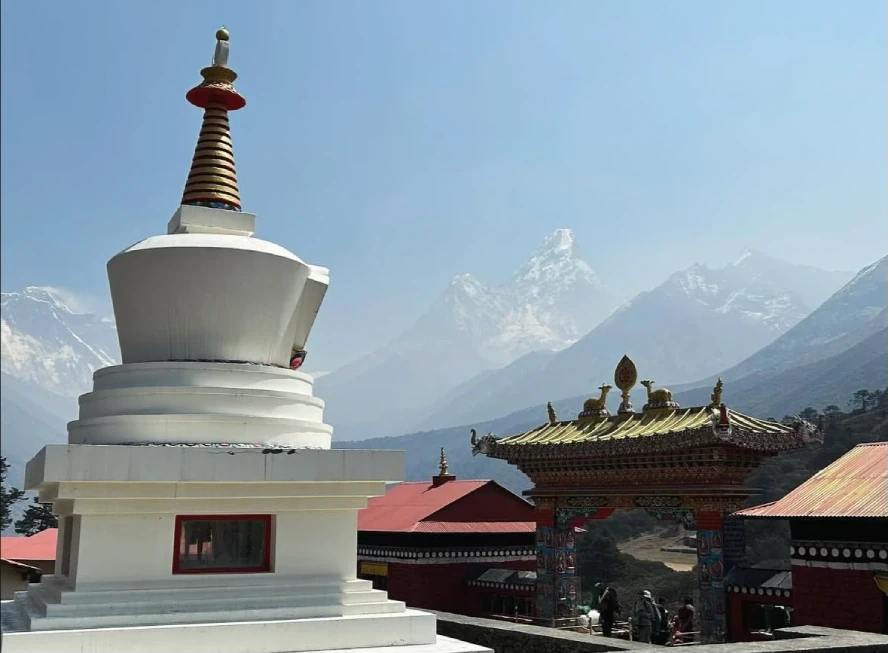
Then there's the view. From the monastery grounds, trekkers get an unobstructed Ama Dablam View on one side and a clear line to Mount Everest itself on the other - a rare combination that makes for one of the best Himalayan panoramas anywhere on the trek. Few other stops offer both Everest views and Ama Dablam this cleanly in a single frame.
Beyond the scenery, Tengboche holds real spiritual importance for the Buddhist Community and wider Sherpa Culture of the Khumbu. Once a year, the monastery hosts the Mani Rimdu Festival, a colorful multi-day event built around masked dances, prayer ceremonies, and centuries-old Buddhist tradition, drawing both pilgrims and trekkers who plan their trip specifically around the dates. Between the monastery, the views, and the festival, Tengboche represents one of the clearest expressions of cultural heritage anywhere along the route.
History of Tengboche
Tengboche Monastery, also known as Dawa Choling Gompa, was founded in 1916 by Lama Gulu, marking its monastery foundation as the first celibate monastery of the Nyingma lineage and a pillar of Tibetan Buddhist Tradition in the Khumbu.
Disaster struck twice: an earthquake leveled it in 1934, and fire destruction hit again in 1989, destroying priceless cultural heritage. Buddhist Monks and the Khumbu Community rebuilt it both times with international support. The Earthquake 2015 caused only minor damage, needing little Earthquake Reconstruction.
Since Tengboche Monastery Established itself as the region's Religious Center, it's stayed woven into Sherpa History, standing today as a lasting Spiritual Legacy for nearby Sherpa Settlements.
Mani Rimdu Festival and Buddhist Traditions
Mani Rimdu is the biggest event on Tengboche's calendar, a multi-day Buddhist Festival rooted in Tibetan Buddhism that draws pilgrims, trekkers, and locals from across the Khumbu. Timed to the Tibetan lunar calendar, it typically falls sometime in October or November, with the exact dates shifting slightly from year to year.
At the center of the festival sits a Rinpoche, a senior lama who leads the core rituals and blessings throughout the celebration. Resident Monks spend weeks beforehand preparing, and the festival itself unfolds through a mix of Prayers, sand mandala creation, and a formal Ritual Ceremony meant to bring blessings and protection to the wider community.
The most visually striking part is the Mask Dance - monks performing in elaborate costumes and painted masks, acting out stories tied to core Buddhist Teachings about the triumph of good over harmful forces. For the Sherpa Community, Mani Rimdu isn't just a performance; it's a genuine Sacred Celebration, deeply woven into local identity and one of the clearest living expressions of Himalayan Culture anywhere in the region.
Tengboche Monastery: The Spiritual Heart of the Khumbu Region
Tengboche Monastery, also called Dawa Choling Gompa - stands as the largest Tibetan Buddhist Monastery in the entire Khumbu, and functionally, it's the region's undisputed Religious Center. Perched on its ridge above the valley, it's been the anchor point for Khumbu Buddhism for over a century, guiding both spiritual life and community identity across dozens of surrounding villages.
Inside, the main Prayer Hall houses vivid Buddhist Art - hand-painted murals, thangkas, and statues depicting deities and teachings central to the monastery's practice. A resident Rinpoche oversees spiritual matters, while a community of Monks lives on-site, balancing daily Meditation, study, and ritual with the practical work of maintaining a monastery this remote.
Architecturally, the building reflects classic Himalayan Architecture - sloped roofs, timber framing, and thick stone walls built to withstand brutal winters and, historically, worse. Strings of Prayer Flags ripple constantly around the grounds, carrying prayers out on the wind with every gust. As both a working monastery and a genuine Sacred Site, Tengboche draws steady Pilgrimage traffic from across the region, standing as one of the clearest physical expressions of Sherpa Culture anywhere in the Himalayas.
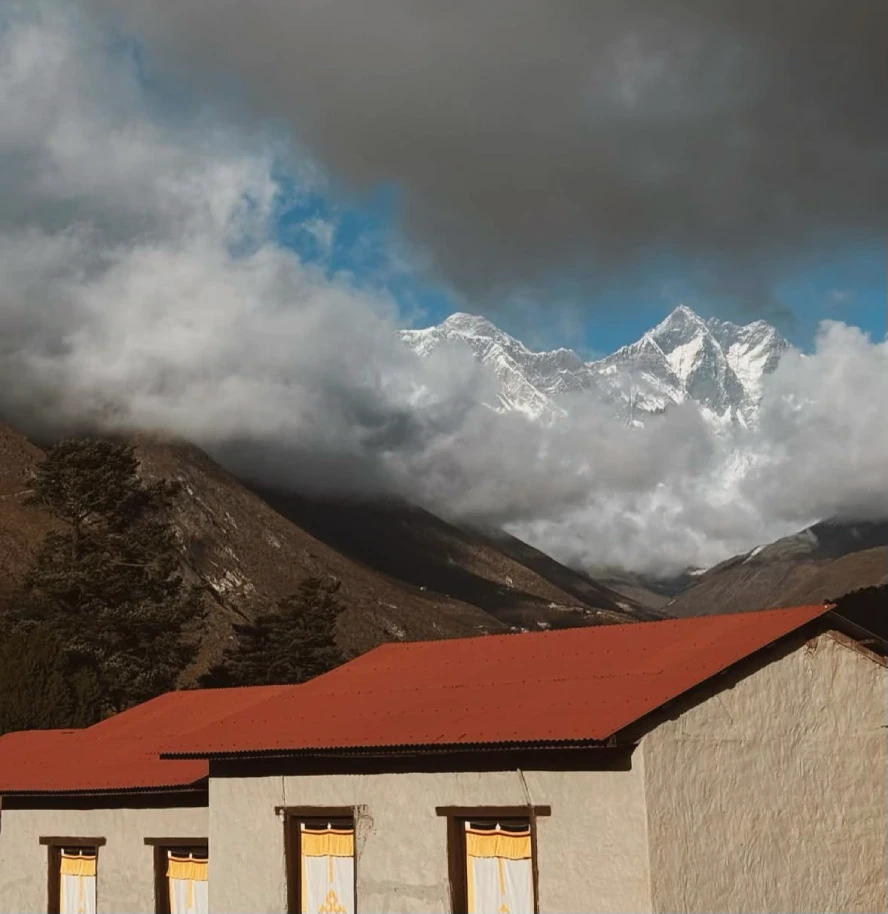
What Can You See from Tengboche?
Few stops on the trek offer a view quite like this one. From the monastery grounds, trekkers get a genuine Himalayan Panorama that takes in Mount Everest, Lhotse, and Nuptse clustered together on one side, with the striking, near-vertical spire of Ama Dablam standing out sharply on the other. Add Thamserku rising just beyond the valley, and it's a rare stretch where five major peaks sit visible within a single sweep of the horizon.
The Sunrise View here is what most trekkers remember longest, early morning light hitting the snow and ice first on the highest peaks, then working its way down as the sky brightens. Few other stops on the entire route pack this many recognizable summits into one frame, which is a big part of why Tengboche's reputation for scenery holds up, even among trekkers who've already seen plenty of mountains by the time they arrive.
What is the weather like in Tengboche?
Tengboche has cool and changing weather throughout the year. Tengboche Temperature stays mild during sunny days but drops sharply at night. Himalayan Weather can bring strong winds, clouds, rain, or snow without much warning. Everest Region Climate is generally cold and dry, especially at higher elevations. Seasonal Weather varies greatly: spring and autumn are clear and pleasant, summer brings monsoon rain, while winter is cold, snowy, and windy.
Tengboche Weather in Spring (March to May)
This season offers cool and pleasant weather, with clear morning visibility and sunny days. Temperatures slowly rise from March to May. Nights remain cold, while mountain views are often clear. Light snowfall can occur early in spring, making this season a best season for Everest base camp trek trekking.
Tengboche Weather in Autumn (September to November)
Autumn mostly brings clear, dry, and cool weather. September may have some light rain, but October brings sunny days and excellent visibility of mountain peaks. November becomes colder, especially at night, with chilly mornings and possible light snowfall at higher altitudes.
Tengboche Weather in Winter (December to February)
Winter brings cold, dry weather and often has windy days; it can be sunny, but temperatures drop below freezing at night. Snowfall is possible, especially during colder periods; clear skies offer beautiful mountain views, while mornings and evenings remain very cold and snowy.
Tengboche Weather in Monsoon (June to August)
Monsoon often has cool, cloudy, and wet weather with frequent rainy days with foggy trail conditions which can become muddy and slippery. Rain is usually heavier in July and August, so trekkers should carry all essential gear, waterproof clothing, and should be mentally prepared for changing conditions, as weather cannot be predicted in most of the cases.
What are the Facilities Available in Tengboche?
Tengboche offers basic but useful facilities for trekkers, making it a comfortable stop on the Everest Base Camp route. You can find normal tea houses and lodges to rest, restaurants and dining areas,whereas for hot showers, electricity charging your devices and Wi-Fi ( you might need to pay extra for these services), higher-altitude mobile network coverage is available along with small shops and Tengboche Monastery. Facilities are limited compared with Namche Bazaar, so carrying enough cash and essential personal items is recommended.
Teahouses and Lodges
Tea House in Tengboche offers simple and comfortable accommodation with warm Sherpa Hospitality. Most places have basic Guest Rooms, a shared Dining Hall, and Shared Rooms with beds and blankets. Small Mountain Lodges are available during the main Trekking Season, but early Booking is helpful. Many lodges provide a Hot Shower, extra Blankets, and limited WiFi for an extra charge. Lodge Facilities may also include charging points, meals and drinking water with common sitting areas. Rooms are usually basic that are suitable for trekkers needing rest after a long day of walking in the Everest region.
Meals and Dining
Meals and Dining in Tengboche offer a mix of local and familiar foods for trekkers. Nepali Cuisine is common, with Dal Bhat providing a filling meal. Sherpa Food and Tibetan Cuisine include Noodles, warm Soups, and Tea. Breakfast usually includes eggs, porridge, bread, or pancakes, while Lunch and Dinner offer rice, noodles, vegetables, or pasta. Vegetarian Food is widely available, prepared with Local Ingredients. Trekkers can choose Energy Meals to stay active on long walking days. A Mountain Restaurant provides simple meals suited to a Trekker Diet, helping visitors stay warm, full, and ready for the trail.
Utilities & Connectivity
Utilities & Connectivity in Tengboche are basic but useful for trekkers. Electricity is available, with Solar Power helping supply energy. Mobile Networks may include NTC Network and Ncell Network, though coverage can be weak. WiFi and Internet Service are available at some lodges. Charging Stations may have limited access, while Battery Backup helps during power cuts. Drinking Water and Hot Water are available at lodges and local shops. Communication Facilities may also include Satellite Connectivity in some areas. Local Services provide basic Trekking Essentials, helping trekkers manage daily needs during their stay in Tengboche.
Medical Facilities and Emergency Support
Medical Facilities and Emergency Support in Tengboche are limited but useful for trekkers. Basic First Aid may be available locally in higher elevation , while Trekking Insurance is important for emergencies. Rescue Service can assist when needed, and Helicopter Evacuation may be arranged for serious cases. High Altitude Safety should always be a priority.
How to Reach Tengboche on the Everest Base Camp Trek?
To reach tengboche on the Everest Base Camp Trek, your flight begins from Kathmandu or Ramechhap to Lukla. As you step into the himalayan trail inside Sagarmatha National Park, you must showcase your required trek permits before continuing to Phakding for your first night. Along the trekking route you will cross high suspension bridge networks including the iconic Hillary suspension bridge before climbing up to Namche Bazaar , after Namche the trail ascends through Rhondondendron forests with views of Everest and Ama Dablam, bringing you directly to the peaceful village of tengboche. Hiring an experienced Guide and Porter ensures safe navigation and heavy gear management as you travel. Choosing past tengboche towards base camp will lead you through nearby villages like Deboche, pangboche, and dingboche.
What Is the Trekking Route to Tengboche?
To reach Tengboche on the Everest Trail, trekkers follow a well-known route through the Khumbu region. Starting after the flight to Lukla, the journey begins along the Phakding Trail following the Dudhkoshi River. Over typical Trekking Days, you trek through Namche Bazaar the main Sherpa hub where hikers rest to adapt to the steep or steady Elevation Gain. Some trekkers take a side loop through high villages like Khumjung before descending toward Phortse Tenga. The trail then crosses the rushing River over a suspension bridge before making a sustained upward climb to the hilltop village of Tengboche, home to its famous monastery.
What Is the Trail Condition on the Way to Tengboche?
The Mountain Trail to Tengboche mixes a bit of everything, which is part of what makes the day interesting. Early on, the path runs through a mix of Forest Path sections, thick Pine Forest giving way to Rhododendron Forest the higher you climb, especially colorful if timed for spring. Underfoot, conditions shift constantly: sections of packed Dirt Trail, patches of loose Rocky Terrain, and long stretches of worn Stone Steps built into the hillside itself.
The trail crosses several Suspension Bridges over the Dudh Koshi and its side streams, swaying gently underfoot with prayer flags strung along the cables - a memorable, if occasionally nerve-testing, part of the walk. The final River Crossing before Tengboche leads straight into the day's steepest Uphill Climb, which tends to be the toughest single stretch of the route.
None of it is technical, but the combination of terrain and altitude adds up. Good footwear with real ankle support matters here, and Weather Impact can change conditions fast - clear mornings often give way to cloud or wind by afternoon. Basic Trail Safety habits (sticking to marked paths, watching footing on the bridges, pacing for the climb) go a long way, and overall Trek Difficulty through this stretch stays moderate rather than extreme, set against the wider backdrop of the Himalayan Landscape unfolding on every side.