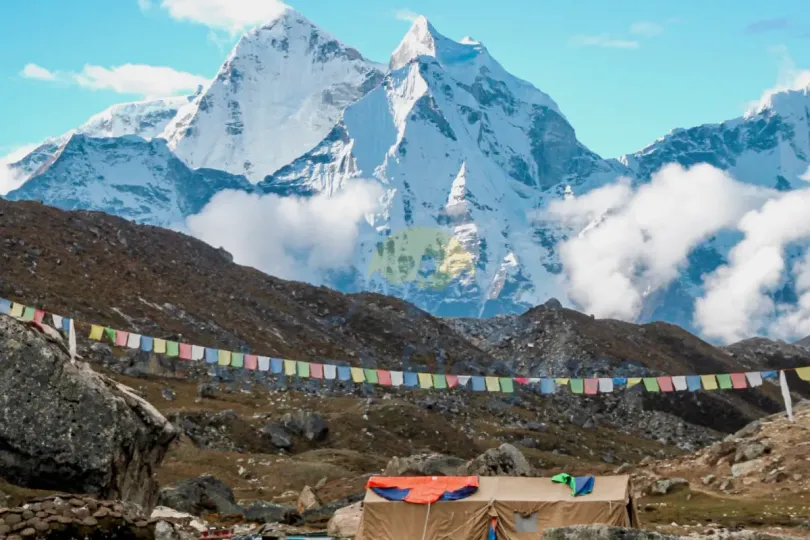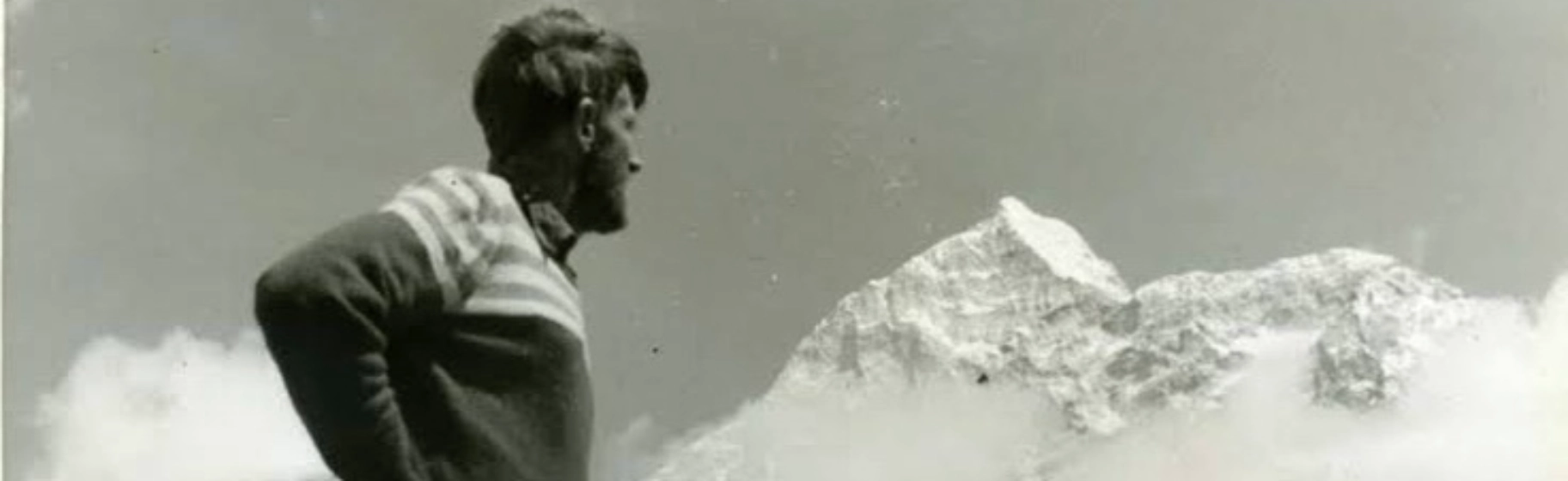
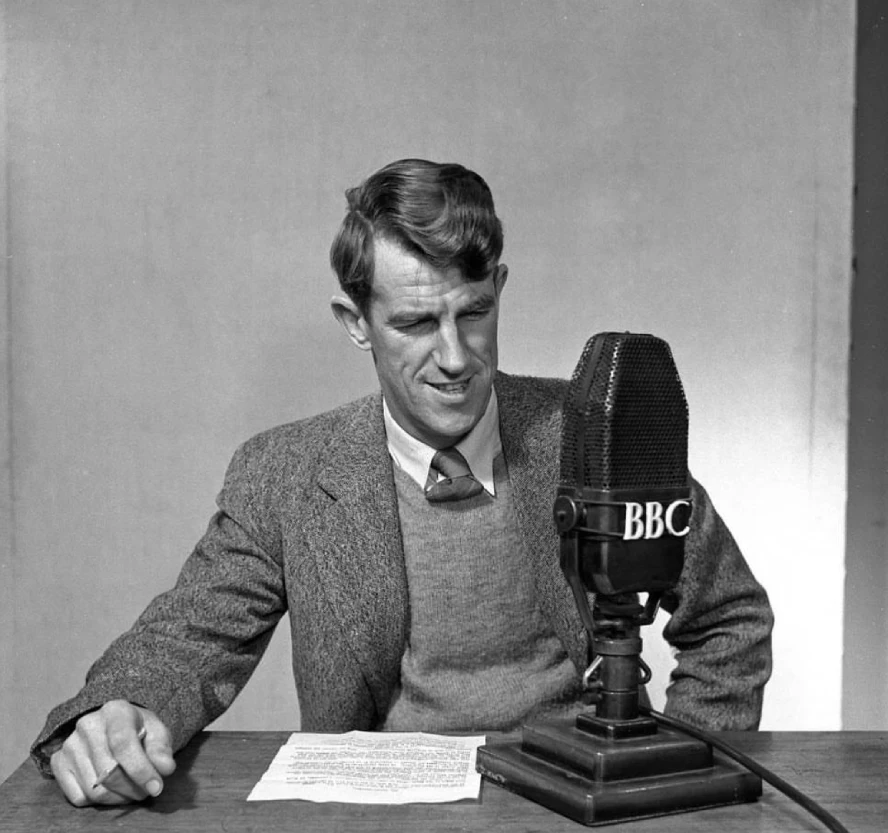
Who Was Sir Edmund Hillary?
Sir Edmund Hillary was a New Zealand mountaineer, explorer, adventurer and philanthropist, best known as one of the first two men to reach the summit of Mount Everest in 1953. One ascent made him a national hero, and eventually, one of the known names in mountaineering worldwide.
He was born in 1919. As a child, he was never going to sit still; that restless adventure spirit had always been an integral part of him; our little climber was constantly pushing the envelope of his comfort zone just a bit further than needed be. That allure of the mountains molded him into a dedicated alpine climber eventually, one of the premier figures among Himalayan climbers of his generation.
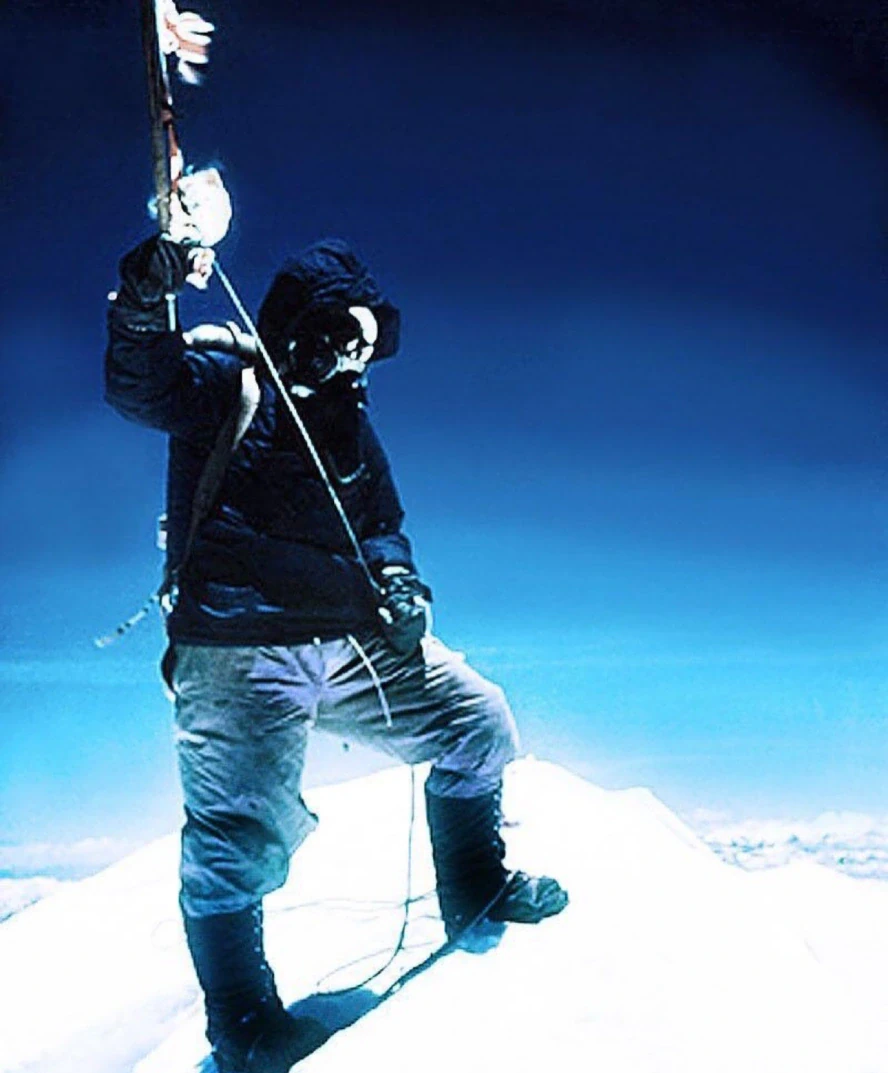
Then came May 29, 1953. In 1953 Hillary and his guide Tenzing Norgay stood at the summit of Everest, a point no high-altitude climber had ever reached before. More than that skill got her there. That required true mental tenacity, physical endurance, and all the leadership, grit and refusal to quit that do not find their way into an image.
It broadcast internationally, and quickly vaulted Hillary from a mere climber to something larger than life an icon; an ambassador whose visage was familiar everyday to the general public; even, in some respects, an explorer that became emblematic of the entire essence of 20th century exploration.
But he didn't stop when the fame came, either. Hillary dedicated years building schools and hospitals for Sherpa communities in Nepal, anchoring a legacy that extended beyond mountaineering through his philanthropy.
When Was Edmund Hillary Born?
Sir Edmund Hillary was born on 20 July 1919. That's a simple fact, but it sits at the start of a life story that changed mountaineering forever.
1919 wasn't just any year. The world had barely come out of World War I,so people often call this stretch of time the post-World War I era or the interwar period. Alongside the war's aftermath, the 1919 influenza pandemic was also sweeping through countries making it one of the toughest health crises the world had faced. So really, Hillary was born into a world still trying to heal from two huge blows at once.
He grew up in early modern New Zealand, a country that was, at the time, still closely connected to the British Empire. Over the following decades, that connection would shift into what we now call the Commonwealth era. Life in New Zealand back then was fairly simple, and the nation itself was still finding its own identity.
Looking at the bigger historical timeline, 1919 lands right at the beginning of the 20th century, or more precisely, the early 20th century. It was a period full of change everywhere, and in many ways, Hillary's own life would mirror that same restless spirit of progress.
His birth date still matters today. Every year on 20 July, people mark his birth anniversary. Back in 2019, the world even celebrated his centenary, 100 years since he was born. If you trace his age timeline, from a newborn in 1919 to a mountaineer known across the globe, it says a lot about the distance he covered in life long before he ever set foot near Everest.
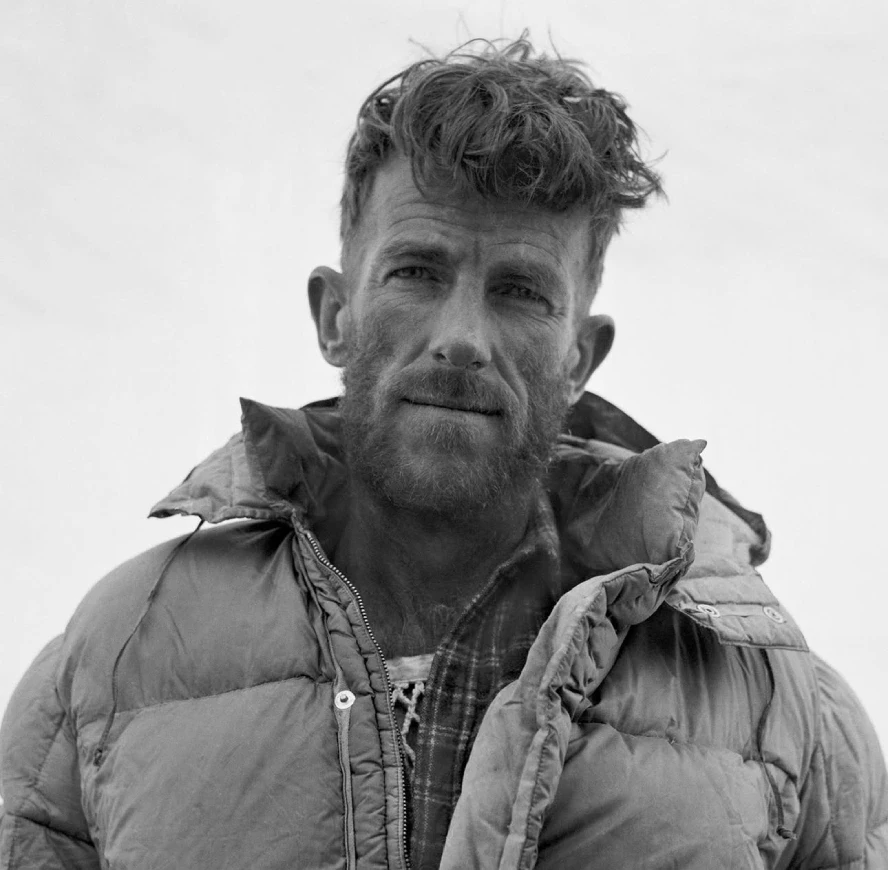
Where Was Edmund Hillary From?
Edmund Hillary's roots trace back to Tuakau, a small town south of Auckland in New Zealand's North Island. That quiet spot in the Waikato Region was his birthplace, the place where his story began long before the world knew his name.
Growing up in this rural New Zealand town shaped him in ways that stayed with him for life. Small communities on the North Island back then had a certain simplicity to them, close-knit, grounded, and far from the noise of big cities. It wasn't a flashy hometown, but it gave him a solid start.
Even though Auckland was the bigger, more well-known city nearby, Tuakau remained his true geographic origin. As he grew older, his connection to New Zealand as his native country never faded. He carried his New Zealand nationality with pride throughout his life and no matter how far his travels took him, his identity as a Kiwi stayed at the core of who he was.
So when people ask about his country of origin, the answer is simple: New Zealand, specifically that small North Island community near Auckland, is where it all started for his home nation.
Edmund Hillary's Early Life, Education, and Beekeeping Career
Long before Everest showed up in his story, Edmund Hillary was really just an ordinary boy with a strong pull toward the outdoor lifestyle. That pull toward nature, honestly, ended up shaping most of what he became later.
School and Learning on His Own
He went to Auckland Grammar School, so his school education looked pretty much like any other kid's at the time, nothing unusual there. But here's the thing, a lot of what he actually learned didn't come from a classroom at all. He read a ton on his own, and that habit of self-education gave him knowledge way beyond anything a textbook could offer.
Choosing an Outdoor Life
Even as a young man, Hillary leaned toward an outdoor lifestyle, and honestly, staying indoors just wasn't for him. He spent a lot of time tramping and hiking across New Zealand, and this kind of rural lifestyle kept him close to nature in a way that never really left him. Anyone who knew him back then probably saw him as a true nature lover, someone who felt more at home outdoors than in.
All that time outside also built up his physical fitness, bit by bit, without him even trying. Looking back, it's clear he was quietly preparing for alpine climbing and the mountaineering skills he'd need down the line, picking up real outdoor experience that no classroom could've given him.
From Beekeeper to Mountaineer
Now here's a detail a lot of people miss: before he ever set foot on Everest, Hillary earned his living as a beekeeper. And beekeeping wasn't just something he did on the side, it was his actual job for years. It called for real discipline, sharp attention to detail, and a steady, patient hand, qualities that, oddly enough, matched what mountain climbing would later ask of him.
Shaping His Character Early On
Between the outdoor work, running his own beekeeping operation, and learning to fend for himself early on, Hillary built up a strong sense of self-reliance. Hard work just came naturally to him, and that blend of determination and discipline became the foundation of his character. Long before Everest ever entered the picture, these early years were already laying down the patience, endurance, and grit that would eventually carry him all the way to the top of the world.
Edmund Hillary's Role in World War II
When World War II broke out, Edmund Hillary's life took a turn that had nothing to do with mountains, at least not yet. Like many young men of his generation, he got pulled into the Second World War, and that chapter shaped him just as much as his years outdoors had.
Joining the New Zealand Military
Hillary signed up with the Royal New Zealand Air Force (RNZAF), becoming part of the wider New Zealand military effort during the 1940s. For a lot of young Kiwis, joining the armed forces felt almost inevitable given what was happening around the world.
Training as a Navigator
Within the RNZAF, Hillary trained as an air force navigator. His aviation training focused on skills crucial to the flying missions Allied forces relied on, reading maps, tracking positions, and guiding aircraft through unfamiliar territory. This role demanded sharp focus and a steady head, traits not too different from what Everest would later require.
Serving in the Pacific
His military service placed him in the middle of the Pacific War, within the South Pacific theatre. Being part of this fight meant Hillary, along with other service personnel, took part in reconnaissance missions supporting Allied efforts.
Shaping the Man Behind the Legend
This wartimeexperience built discipline, resilience, and the ability to function under pressure, qualities essential to his later mountaineering career. It's a lesser-known part of New Zealand Defence Force history, but it mattered.
Into the Post-War Period
Once the war ended, Hillary entered the post-war period like millions of others. That next chapter eventually led back to the mountains, but the discipline from his military career quietly stayed with him.
Edmund Hillary's Everest Achievement
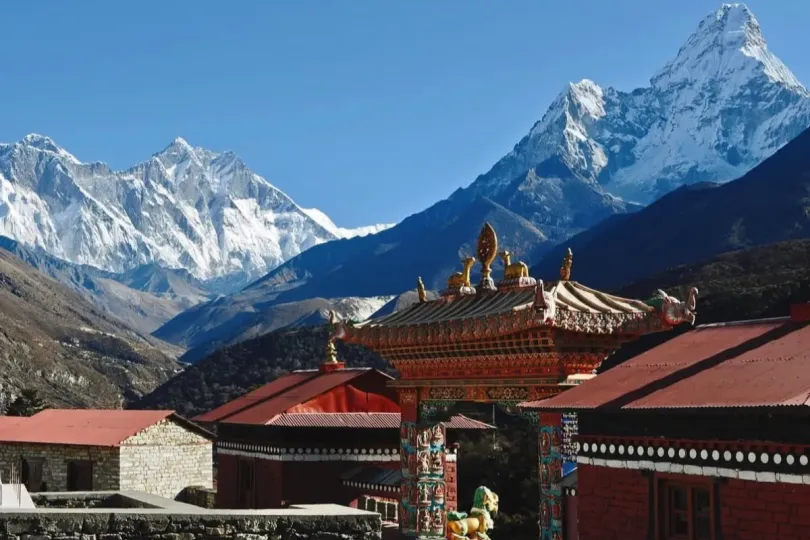
On 29 May 1953, Edmund Hillary made history along with Tenzing Norgay, he pulled off the first confirmed ascent of Mount Everest, reaching the highest mountain on Earth at 8,848 metres . Even now, it's still counted among mountaineering's biggest world record achievements.
Hillary was part of the 1953British Mount Everest Expedition, a big climbing expedition put together to finally take on a peak that had beaten so many climbers before him. The team went with the South Col Route, a path that needed real high-altitude mountaineering skill and a lot of careful planning at nearly every stage.
Getting to the top wasn't simple, though. Climbers had to deal with a steep, narrow rock face close to the summit, the spot now known as the Hillary Step. Past that came the final summit ridge, the last bit of ground before the actual Everest summit. Every single step called for strength, focus, and steady nerves.
When Hillary and Tenzing finally made it, their summit success turned into an instant historic achievement, basically a mountaineering milestone that left the whole world stunned. It marked a turning point in Himalayan mountaineering, showing that the world's highest point wasn't out of reach anymore.
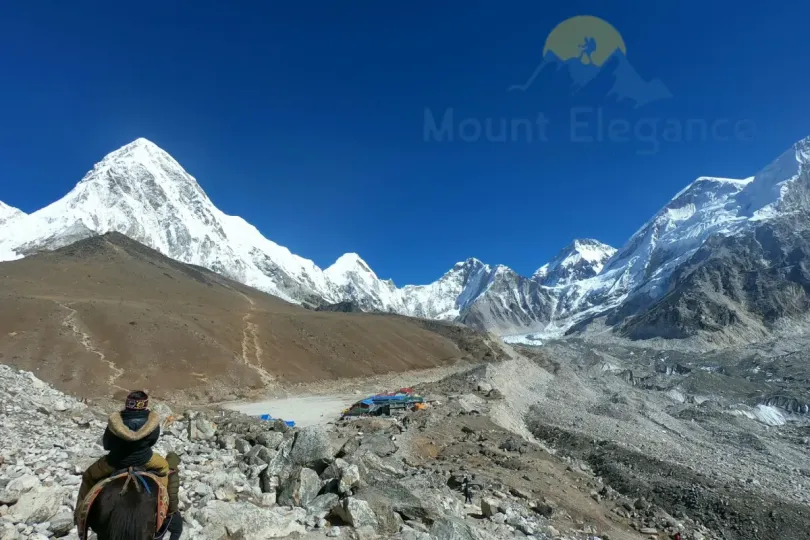
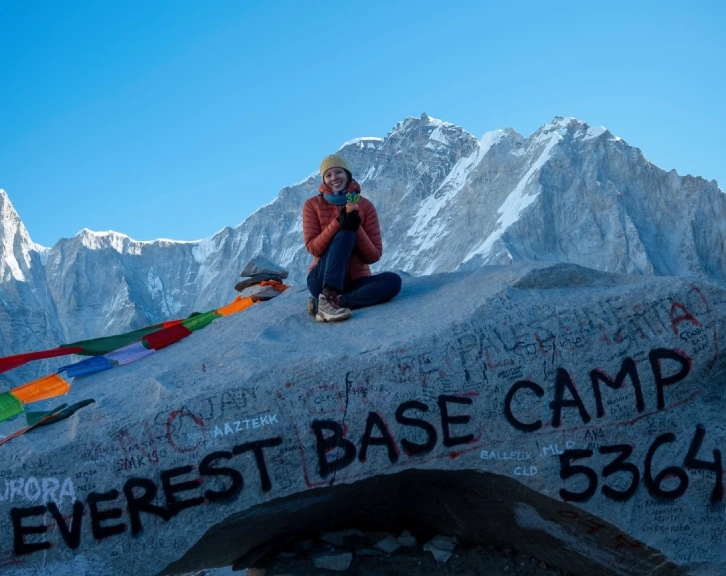
Even today, thousands of people walk part of that same path through the Everest Base Camp Trek, following the route tied to this historic expedition. Hillary's achievement didn't just grab headlines back in 1953, it changed, for good, how the world looked at human endurance and exploration.
Who Climbed Mount Everest with Edmund Hillary?
When people think about the first confirmed ascent of Mount Everest, they usually picture just one man, but really, it took two of them. On 29 May 1953, Edmund Hillary reached the Everest summit together with his climbing partner, Tenzing Norgay.
Tenzing wasn't just there for support, either. He was already an experienced Sherpa climber, someone deeply familiar with Himalayan mountaineering long before the 1953 British Mount Everest Expedition ever got underway. Pairing a New Zealand mountaineer like Hillary with a Sherpa climber of Tenzing's skill ended up being exactly what that final summit push needed.
Together, the two of them formed the summit team that finally cracked a mountain people had been trying to beat for years. As part of the same rope team, they made their way up the South Col Route side by side, leaning on each other completely through this high-altitude expedition.
Honestly, their teamwork is what made the real difference. Hillary and Tenzing worked as true climbing partners, not just two guys walking the same trail. That mountaineering partnership, built on trust and shared effort, is what eventually carried them to summit success and turned the whole thing into a historic expedition people still talk about today.
What Was Edmund Hillary's Relationship with Tenzing Norgay?
Edmund Hillary and Tenzing Norgay weren't just two guys who happened to summit Mount Everest together, they ended up building something a lot deeper along the way. What began as a working arrangement during the 1953 British Mount Everest Expedition slowly grew into a real friendship, one that stuck around long after they came back down the mountain.
As expedition teammates, the pair spent weeks grinding through rough, unforgiving conditions side by side, and that kind of shared struggle tends to build trust pretty fast. By the time the final climb rolled around, they'd already turned into summit partners in every real sense, not just paired up on the same rope, but genuinely depending on each other to survive.
Their historic partnership stood out even more given where each of them came from. Hillary was a climber from New Zealand, while Tenzing belonged to the Sherpa community, carrying generations worth of Himalayan mountaineering know-how that Hillary simply didn't have. Instead of creating distance, though, that difference actually made their mountaineering partnership stronger. Each man clearly respected what the other brought to the table.
Mutual respect sat right at the center of their bond. Neither one ever tried grabbing more credit than the other for reaching the Everest summit. Honestly, they stayed quiet for years about who technically set foot there first, treating the whole thing as a shared achievement rather than some personal trophy. That kind of humility says a lot.
Their cooperation on the mountain reflected real teamwork, not just professional duty. After the first confirmed ascent, their friendship carried on well past the climb itself, and both men stayed connected, to each other and to the broader high-altitude climbing and Himalayan community, for the rest of their lives.
Did Edmund Hillary Use Oxygen on the Everest Expedition?
yes, Edmund Hillary used supplemental oxygen to reach the summit and no, without it he most likely would never have made the ascent whatsoever.
At such high altitudes as experienced on Mount Everest, the air becomes deathly thin. Once the climbers cross the 8,000-metre mark, they are basically entering a region known as death zone: A stretch where the human body cannot function without supplementary oxygen. A low oxygen environment like that is a real challenge to any high-altitude physiology, so even simple movements begin to feel burning quickly.
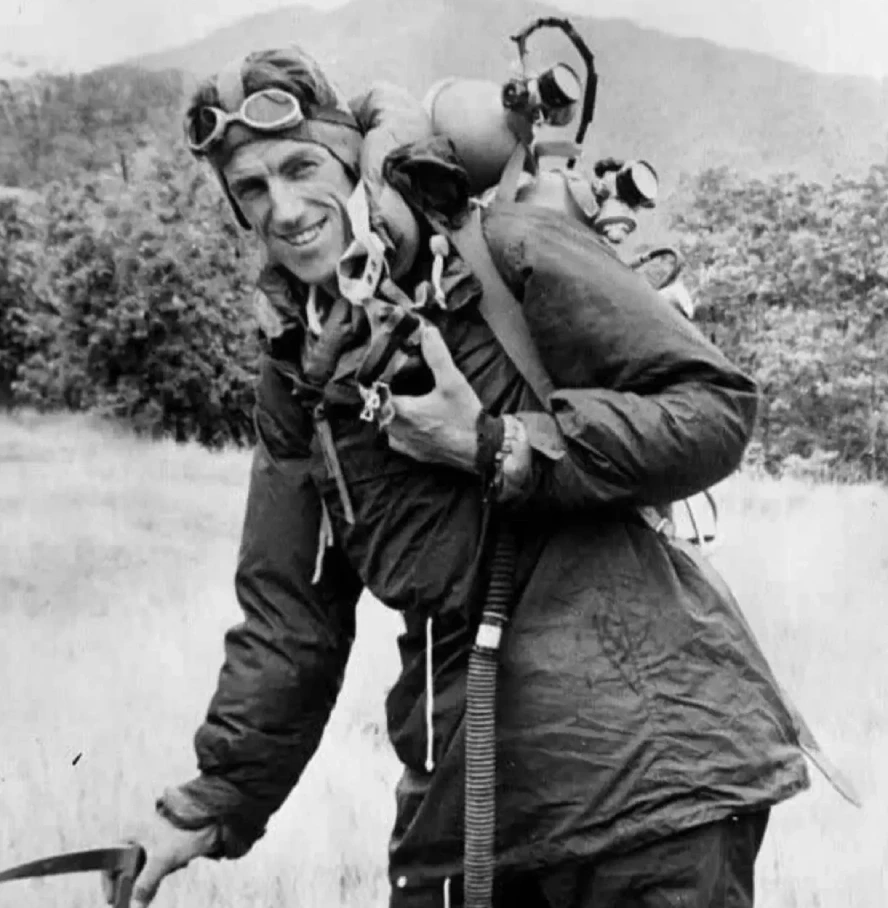
To address this, the team behind the 1953 British Mount Everest Expedition relied heavily on oxygen gear. Hillary and Tenzing Norgay both had oxygen tanks strapped to their backs via equipment designed for mountaineering in extreme altitudes. They opted for a closed-circuit oxygen system, which was able to recover some of the exhaled air and reuse it to extract as much oxygen as possible, unlike the open-circuit oxygen systems that some other climbers were using at the time, which exhausted breathed gases directly into the atmosphere.
This kind of mountaineering technology wasn't merely a luxury, but rather it was almost mandatory. Your final summit attempt is only going to happen with good climbing gear, like this, but without that it would've been dangerous bordering on impossible.
Hillary and Tenzing, climbing in near perfect conditions with the benefit of careful planning and reliable equipment, accomplished the first documented ascent of Everest. The use of oxygen on that iconic Himalayan expedition also provided a clearer idea to the climbers who would follow about the importance of proper equipment for scaling its highest peaks and why most climbers have adopted a proven formula for success. Climbing Everest isn't just a test of strength and determination — it's also about preparation and the right equipment to facilitate survival in harsh conditions.
How Many Times Did Edmund Hillary Climb Mount Everest?
Edmund Hillary reached the Everest summit only once in his life, but that one moment on 29 May 1953 was more than enough to lock in his place in climbing history.
As part of the 1953 British Mount Everest Expedition, Hillary pulled off the first confirmed ascent of Mount Everest, standing at the top alongside Tenzing Norgay. That makes him a one-time Everest summit climber, someone whose whole legacy comes down to that single, defining summit achievement rather than repeated trips up.
Unlike some modern Everest climbers who go back to the mountain again and again chasing records or personal goals, Hillary never returned after that historic day. For him, one successful trip to the top was plenty to cement his name in Everest expedition history.
That one climb turned into a massive mountaineering milestone, reshaping Himalayan mountaineering for good. As a New Zealand mountaineer, Hillary didn't need multiple summits to prove his skill or courage. His whole approach to high-altitude climbing was less about chasing a mountaineering record through repetition, and more about doing something nobody had ever pulled off before.
Even now, his historic ascent stands as proof that a single, well-prepared climb can leave a real, lasting mark on mountain exploration. Hillary's Everest legacy isn't measured by how many times he stood on the summit, it comes down to simply being the first one to get there.
What Happened to Edmund Hillary During the Everest Climb?
During the 1953 British Mount Everest Expedition, Edmund Hillary went through one of the toughest physical and mental tests of his life, and honestly, none of it came easy.
The climb started rough right from the beginning. Hillary and his team had to cross the Khumbu Icefall, a maze of shifting ice blocks and hidden crevasses that could shift or collapse without warning. It's still considered one of the most dangerous parts of the whole route. After that came the Western Cwm, a wide, quiet valley boxed in by towering walls, where the sun's glare made things brutally hot despite the freezing altitude.
From there, things only got harder. Climbing up the Lhotse Face meant dealing with steep, icy slopes that demanded serious focus and careful footing, especially with extreme weather and thick snow and ice working against every step. By the time Hillary reached the South Col, exhaustion was setting in fast. High-altitude conditions were pushing his body to its limit, and the constant altitude difficulties made even basic tasks feel like a struggle.
The final stretch brought its own set of climbing challenges. Just before the summit, Hillary had to get past a steep, narrow rock wall now known as the Hillary Step, a section so difficult it later got named after him. Every move here required strength and nerve, especially with physical exhaustion already wearing him down.
Through all of it, teamwork carried him forward. His Tenzing Norgay partnership meant neither man faced these obstacles alone, they pushed through together, step by step. Finally, on 29 May 1953, after everything they'd been through, Hillary and Tenzing completed their Everest summit attempt and reached the Everest summit, securing the first confirmed ascent of the mountain and cementing their place in history.
How Did Edmund Hillary Prepare for the Everest Expedition?
Edmund Hillary didn't just show up and start climbing, getting ready for Mount Everest took years of steady work, both on his body and in his mind.
Long before the 1953 British Mount Everest Expedition, Hillary had already built up serious alpine climbing experience through years of tackling peaks back home in New Zealand. That early background gave him a strong base in climbing skills like ice climbing, rock climbing, and glacier travel, all things he'd end up relying on heavily during the actual expedition.
His mountaineering training didn't stop there, though. Hillary put a lot of effort into physical conditioning, building up the strength and stamina needed for such a brutal climb. Alongside that, he focused on endurance training, preparing his body to handle the long hours and constant physical strain that Everest would demand.
Since the mountain sits at such extreme elevation, high-altitude training became a huge part of his preparation. Hillary worked on acclimatization, slowly getting his body used to thinner air, so he wouldn't be caught off guard once he hit the mountain's most extreme sections. This kind of prep was key for anyone attempting technical climbing at that scale.
Beyond his own personal training, a lot of expedition planning went into the climb too. The team spent serious time on route planning, figuring out the safest and most realistic path up the mountain. Team preparation was just as important, making sure everyone, including Hillary, understood their role and could work together smoothly once things got tough.
Gear mattered a lot as well. Hillary made sure he had reliable climbing equipment and properly tested oxygen equipment, both essential for surviving the mountain's most dangerous zones. All of this careful groundwork, shaped by past Himalayan expeditions and lessons learned from earlier attempts, played a huge role in helping Hillary and his team finally pull off their historic climb.
How Many Times Did Edmund Hillary Climb Mount Everest?
Sir Edmund Hillary climbed the summit of Mount Everest once during his lifetime. As a well-known New Zealand mountaineer, he achieved this historic ascent on 29 May 1953 with Tenzing Norgay Sherpa. They were key members of the famous 1953 British Mount Everest Expedition led by John Hunt.
This one-time Everest summit stands as the first confirmed ascent of Mount Everest, marking a legendary mountaineering milestone in global climbing history and mountain exploration. While Hillary participated in other Himalayan expedition trips and research missions in his Everest expedition history, his Everest summit victory remains a root of modern high-altitude climbing and Himalayan mountaineering. This incredible summit achievement set an extraordinary mountaineering record, inspiring generations of Everest climbers and shaping a lasting Everest legacy.
Edmund Hillary's Exploration Career
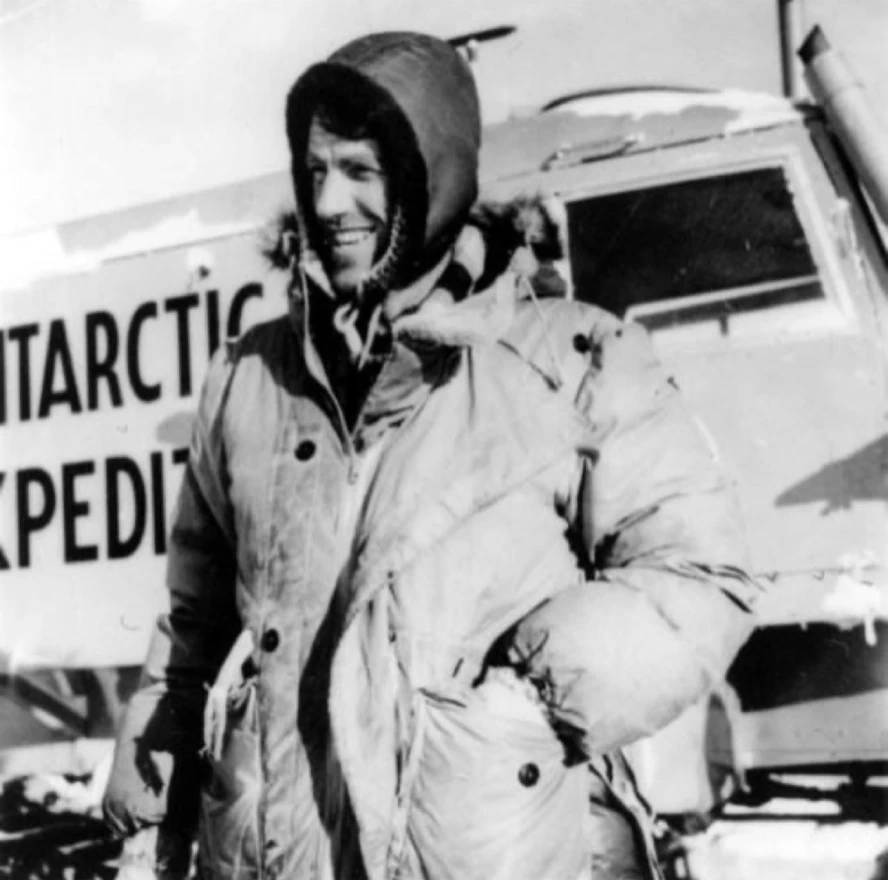
Sir Edmund Hillary built an extraordinary exploration career. He took part in the Commonwealth Trans-Antarctic Expedition (1955–1958), helping establish Scott Base in Antarctica before driving to the South Pole. His work in polar exploration added an important chapter to exploration history. Hillary also returned many times to Nepal, where he joined Himalayan exploration and several Himalayan expeditions. His passion for mountain exploration led him into remote valleys and high mountain regions that few people had visited. As an expedition leader, he organised adventure expeditions, mountaineering expeditions, and scientific exploration projects. His journeys supported geographic exploration, high-altitude exploration, and remote region exploration in some of the world's toughest landscapes. Hillary's work in extreme environment exploration made him one of the most respected explorers of his time.
Edmund Hillary's Humanitarian Contributions
After climbing Everest, Sir Edmund Hillary gave much of his life to humanitarian work in Nepal. He founded the Himalayan Trust to improve life for the Sherpa community in the Khumbu region. Through the trust, he supported education development by funding school construction and helped healthcare development through hospital construction. His projects also focused on community development, rural development, and small infrastructure projects that made daily life easier. Hillary believed in philanthropy and social service, working closely with Nepalese communities instead of making decisions for them. His goal was sustainable development through local empowerment, giving people the tools to improve their own future. The charity foundation also encouraged volunteer support, bringing together people from different countries to help schools, hospitals, and villages across the Everest region.
Why Was Lukla Airport Named After Tenzing Norgay and Edmund Hillary?
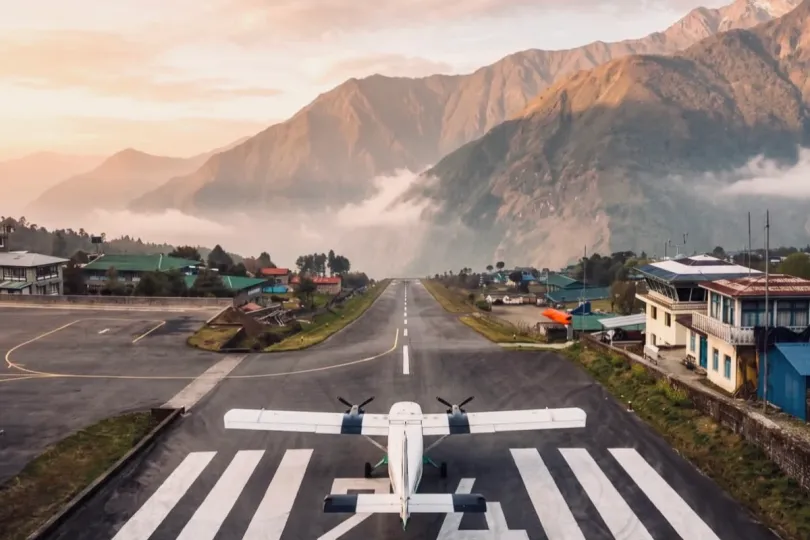
Tenzing-Hillary Airport in Lukla, located in the Solukhumbu District of the Khumbu Region, was named to honour Sir Edmund Hillary and Tenzing Norgay for their first confirmed ascent of Mount Everest on 29 May 1953 during the 1953 British Mount Everest Expedition. Their achievement opened a new chapter in Everest expedition history and brought worldwide attention to Mount Everest. Today, the airport is the main Everest gateway for trekkers heading along the Everest Base Camp route. It also reflects the important role of the Sherpa community, whose support has always been central to Himalayan mountaineering. As one of the world's best-known high-altitude airports and a famous mountain airport, it has played a major role in aviation in Nepal and helped strengthen Nepal's tourism. The airport continues to honour its lasting mountaineering legacy.
Why is Lukla the Most Dangerous Airport in the World?
Tenzing-Hillary Airport in Lukla, Solukhumbu District, is known as the world's most dangerous airport because of its difficult location in the Khumbu Region near Mount Everest. This Himalayan airport is a high-altitude airport and a challenging mountain airport with a short runway that is also a sloped runway. Its Runway 06/24 is made for a STOL airport (Short Takeoff and Landing), allowing flights like the Twin Otter aircraft to operate safely. Airlines, including Nepal Airlines, follow strict rules set by the Civil Aviation Authority of Nepal. Even so, changing weather conditions, uncertain mountain weather, low visibility, strong winds, and steep terrain create serious flight challenges. Only strong aviation safety procedures and experienced pilots are allowed to fly in high-altitude aviation at this remote airport, which serves as the main Everest trekking gateway.
Edmund Hillary's Legacy and Historical Significance
Sir Edmund Hillary has a forever mountaineering legacy and great historical significance in mountaineering history and exploration history. He became a global icon after the first confirmed ascent of Mount Everest with Tenzing Norgay in 1953. His success made him an international inspiration and an adventure pioneer, while his later journeys established him as a true mountaineering legend and a respected 20th-century explorer. In New Zealand, he is remembered as a New Zealand national hero. His work in Himalayan exploration continued long after Everest, but his humanitarian legacy became important. Through the Himalayan Trust, he supported the Sherpa community and helped with Nepal development. His contribution to mountaineering, with his courage and determination, earned him global recognition. Hillary was also known as an inspirational leader whose life continues to motivate climbers, explorers, and people around the world.
How Did Edmund Hillary Die?
Sir Edmund Hillary died on 11 January 2008, aged 88 in Auckland City Hospital in Auckland, New Zealand. He died of natural causes after battling heart and coronary-related complications. Hillary remained an influential figure in New Zealand in the years that followed, and continued to champion causes related to the Himalayan region and Sherpa community. His death was mourned publicly throughout all of New Zealand, and even internationally. He was granted a state funeral, which was followed by mourning events across the country and memorial services along with numerous tributes and honours. His death also prompted international condolences from world leaders, climbers and organisations as a New Zealand national hero. With the passing of trailsblazer and evangelist, the close of another life whose legacy has made waves in mountaineering, expeditionism and philanthropy.