Monjo 2,835m and Jorsale 2,740m are two Sherpa villages on the Everest Base Camp trail in Nepal’s Khumbu region, sitting between Phakding and Namche Bazaar. Tucked within the Solukhumbu District, these neighboring spots act as rest stops for tea breaks or a permit registration point for hikers making their way up toward Mount Everest or over toward the Gokyo Lakes. Because they are the last settlements you hit before taking on the long, grueling uphill trek to Namche Bazaar - everyone stops here to rest, eat or clear the paperwork.
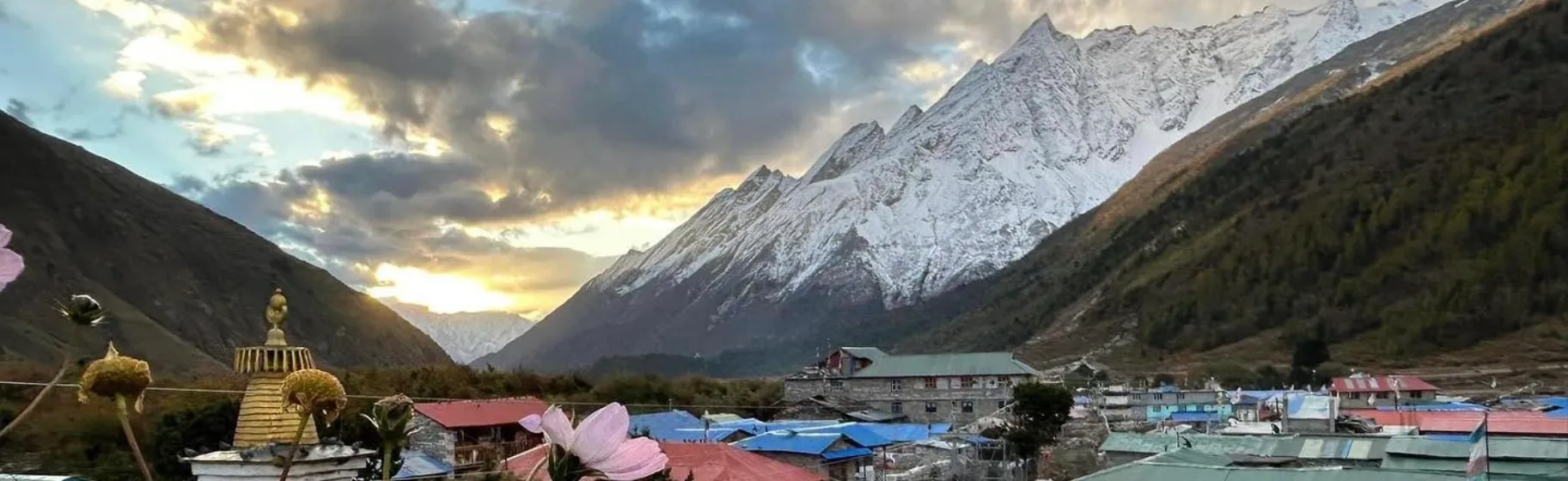
The two villages sit inside the dramatic Dudh Koshi River Valley completely wrapped in steep mountain terrain. Monjo sits right outside the official boundary line of Sagarmatha National Park - a designated UNESCO World Heritage Site - while Jorsale rests just inside the park proper along the riverbank. Thick pine forests carved crop terraces and high Himalayan peaks like Thamserku set the backdrop for both locations.
Beyond the scenery Monjo Nepal and Josale Nepal carry specific roles on the Monjo Jorsale EBC trek route:
- Sagarmatha National Park Checkpoints - Monjo hosts the main office where trekkers register their details and buy permits. Just down the path in Josale - an army checkpoint inspects and validates those permits before letting people further up the trail.
- Key Crossing Points - Right after the Jorsale check post, hikers walk across the famous high-hanging suspension bridge known as the Hillary Bridge crossing the roaring Dudh Koshi River before starting the steep climb to Namche.
- Sherpa Culture and Local Life - Both spots are traditional Sherpa communities with deep ties to Nyingma Buddhism. You’ll pass carved mani stones along the trail, see prayer flags catching the wind and find a small local monastery (gompa) tucked into Monjo.
- Food and Teahouses - Since the local economy relies heavily on trekking both villages are packed with simple, cozy lodges. Jorsale is particularly famous as the primary lunch spot on day two of the classic EBC itinerary, serving hot tea, dal bhat and momos to hungry walkers.
Where Are Monjo and Jorsale Located?
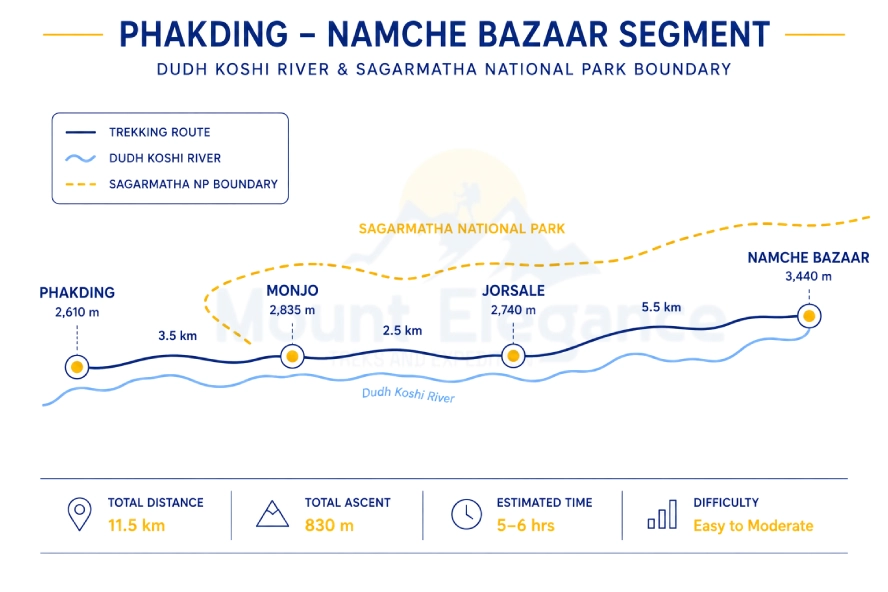
Monjo sits at an altitude of 2835 meters and Jorsale at 2740 meters in Nepal’s Solukhumbu District. Set deep within the steep scenic Dudh Koshi River Valley, these two neighboring settlements are positioned directly along the primary Everest Base Camp trekking route; hikers reach them midway between Phakding to the south and the busy hub of Namche Bazaar to the north.
Geographically both settlements lie within the Sagarmatha National Park boundary zone. Monjo sits right at the edge marking the official entrance gate and registration point for the park while Jorsale is located just further up the trail within the protected park boundaries along the river bank. This strategic location makes both villages crucial stops for acclimatization, permit verification, and resting before trekkers take on the steep climb leading up to Namche.
What Is the Altitude Difference Between Monjo and Jorsale?
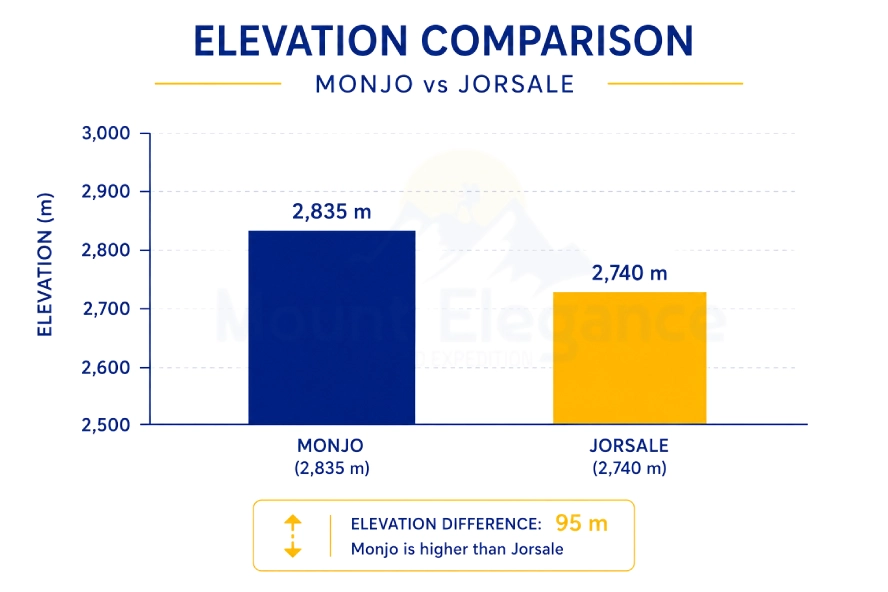
Monjo sits 95 meters higher than Jorsale. Monjo elevation reaches 2835 meters while Jorsale elevation drops slightly down to 2740 meters.
As trekkers walk northbound between these two Sherpa villages the trail descends slightly as trekkers move from Monjo to Jorsale following the Dudh Koshi river valley downstream. This gentle drop is short-lived though: once past Jorsale’s park checkpoint the trail turns sharply upward beginning the steep, switchbacking climb toward Namche Bazaar which sits nearly 700 meters higher than Jorsale.
How Do You Get to Monjo and Jorsale?
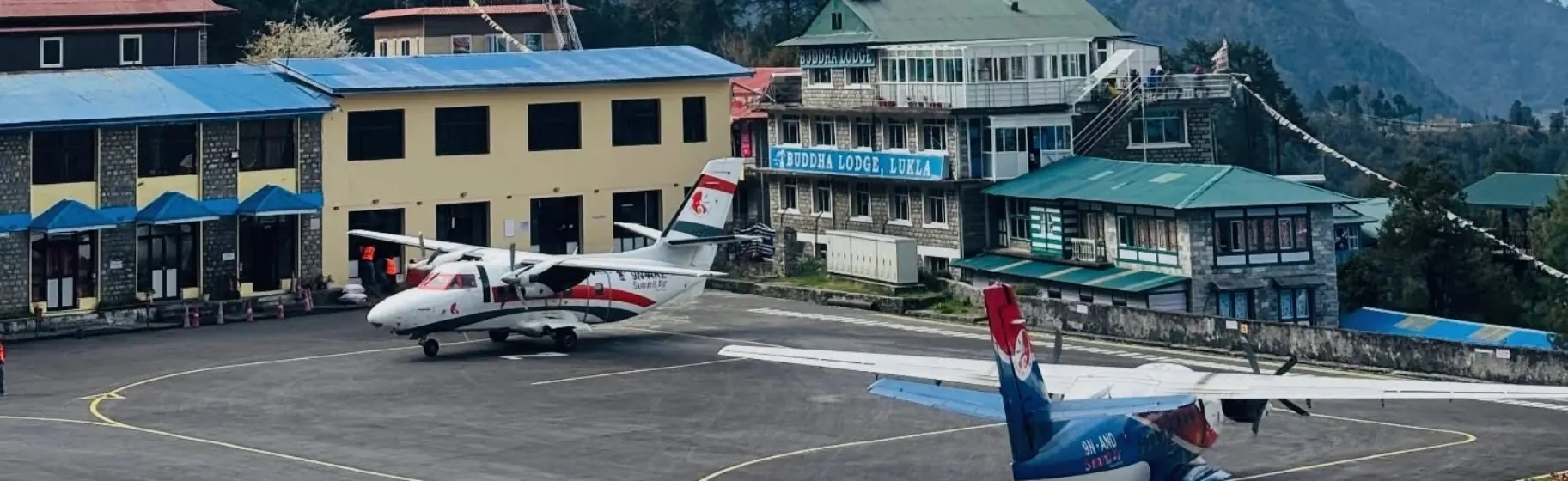
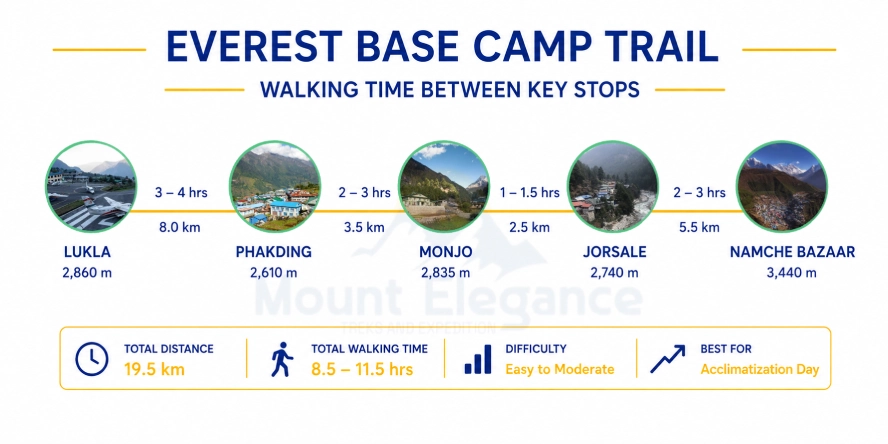
Both villages are reachable only on foot along the Lukla-to-Namche trail; no roads serve either village. The journey starts with a flight from Kathmandu or a drive plus flight from Ramechhap to Lukla’s Tenzing-Hillary Airport, the starting point for nearly all Everest Base Camp trekkers.
- Lukla to Phakding - About 3 to 4 hours of relatively gentle, downhill-leaning trail usually covered on day one
- Phakding to Monjo - Around 3 to 4 hours following the Dudh Koshi river through pine forest and crossing several suspension bridges.
- Monjo to Jorsale - A short 20 to 30 minute walk, mostly flat with a slight descent.
- Jorsale to Namche Bazaar - The toughest stretch, roughly 2 to 3 hours of steep, switchbacking climb, gaining nearly 700 meters in elevation.
What Is the Sagarmatha National Park Entry Point at Monjo?
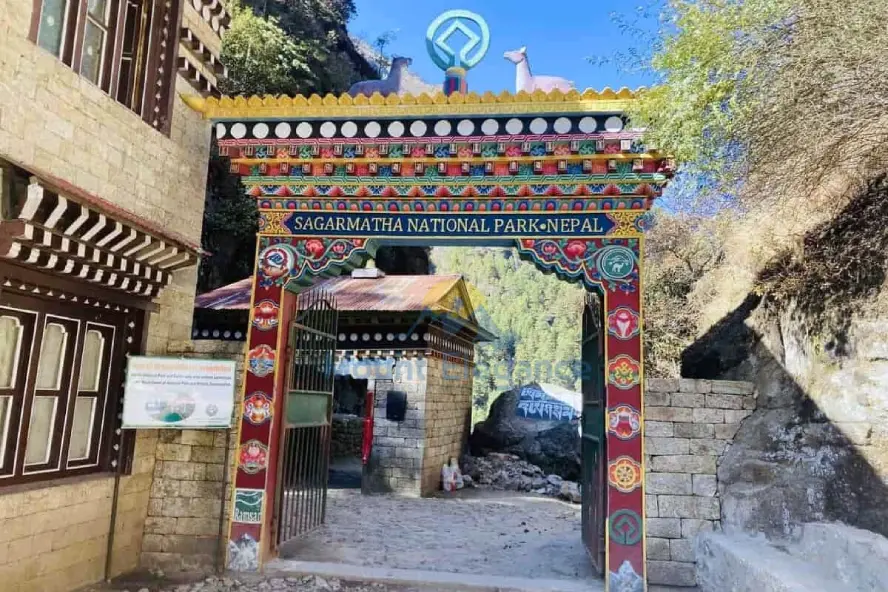
Monjo houses the official checkpoint of Sagarmatha National Park, a UNESCO World Heritage Site since 1979. Every trekker heading toward Namche Bazaar and beyond must stop here to have their permits checked before continuing into the park’s protected zone.
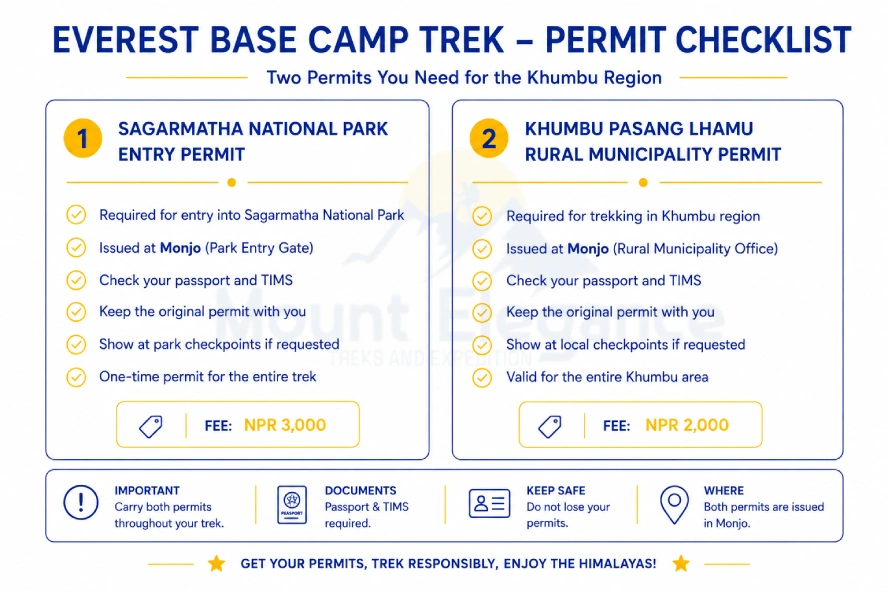
At the checkpoint officials verify two documents - the Sagarmatha National Park entry permit and the Khumbu Pasang Lhamu Rural Municipality entry permit, both required for anyone entering the region. Staff record trekkers details, check permit validity and collect entry fees if these haven’t already been arranged in Kathmandu or Lukla. It’s a straightforward process, usually talking just a few minutes, though it can slow down during peak trekking seasons when queues form.
Sagarmatha National Park itself spans 1148 square kilometers, encompassing Everest several other 8000-meter peaks, glaciers, forests and the diverse ecosystems that support snow leopards, red pandas and Himalayan tahr.
The checkpoint typically operates from early morning until around 6 PM so trekkers arriving after dark may need to wait until the following morning to have permits processed before continuing on to Jorsale and Namche.
What Role Does the Dudh Koshi River Play at Monjo and Jorsale?
The Dudh Koshi River runs beside both villages and defines the valley the trail follows. Fed by glacial meltwater from the Khumbu Glacier high above Everest, the river carries a distinctive milky-white color, a result of fine glacial silt suspended in the current, which gives it its name.
Near Jorsale, trekkers cross the river on one of the trail's high suspension bridges, strung with colorful prayer flags and swaying gently underfoot. This crossing marks the final river crossing before the trail turns away from the Dudh Koshi and begins its steep climb toward Namche Bazaar. The sound of the rushing water and the sight of the glacial-blue current far below make this stretch one of the more memorable parts of the walk between Jorsale and Namche.
What Are the Main Attractions in Monjo and Jorsale?
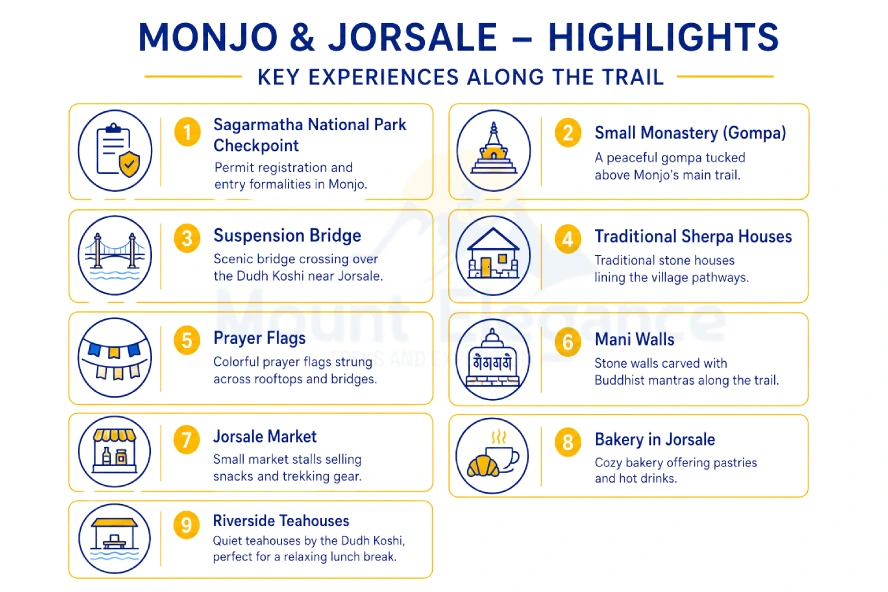
The top three draws here are the national park checkpoint, the riverside suspension-bridge crossing and everyday Sherpa village life.
- Sagarmatha National Park checkpoint and permit registration in Monjo
- Small monastery (gompa) tucked above Monjo's main trail
- Suspension bridge crossing over the Dudh Koshi near Jorsale
- Traditional Sherpa stone houses lining the village pathways
- Colorful prayer flags strung across rooftops and bridges
- Mani walls carved with Buddhist mantras along the trail
- Jorsale's small market stalls selling snacks and trekking gear
- A bakery in Jorsale offering pastries and hot drinks
- Quiet riverside teahouses ideal for a lunch break
What Peaks Are Visible From Monjo and Jorsale?
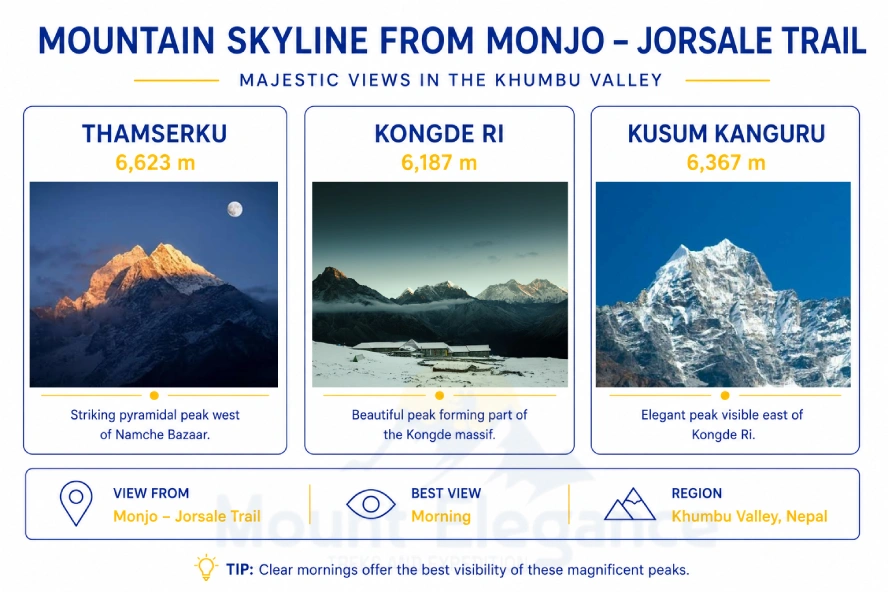
The two dominant peaks visible from Monjo and Jorsale are Thamserku 6623 meter and Kongde Ri 6,187 meter. Thamserku is one of the most recognizable mountains along this lower section of the Everest Base Camp trail and its steep impressive slopes can often be seen rising above the Dudh Koshi Valley on clear days. From different parts of the trail - trekkers may also catch views of Kongde Ri and Kusum Kanguru - although visibility depends on the weather, cloud cover and surrounding terrain. These mountains are part of the wider Khumbu landscape rather than being unique features of Monjo or Jorsale. Clear mornings usually provide the best opportunities for mountain views before afternoon clouds develop.
Where Can You Stay in Monjo and Jorsale?
Both Monjo and Jorsale offer teahouse lodging with shared bathrooms and solar-powered electricity which makes them convenient overnight stops on the Everest Base Camp trek. Most lodges provide simple twin rooms with two single beds - while some mid-range guesthouses offer slightly more comfortable rooms and better facilities. Meals commonly include dal bhat, noodles, momos, soups and hot drinks. Wi-Fi and device charging are often available for an additional fee - depending on the lodge. Budget teahouses usually have basic rooms at lower prices while mid-range lodges may charge more for cleaner rooms, improved dining areas, and extra comfort. Both villages provide practical accommodation before the climb toward Namche Bazaar.
What Facilities Does Jorsale Offer That Monjo Does Not?
Jorsale has a small bakery and trekking-supply shops that Monjo lacks giving trekkers a few more options for food and basic supplies. Located along the main Everest Base Camp trail - Jorsale often functions as a convenient lunch and market stop before the long climb toward Namche Bazaar. Trekkers can buy snacks, drinks and a limited range of trekking essentials - while stopping for a meal or short rest.
Monjo by comparison is more closely associated with the Sagarmatha National Park checkpoint and its nearby lodges. Although Monjo has places to eat and stay, its facilities are generally focused on accommodation and permit checks rather than small retail options. Both villages are useful stops - but Jorsale offers more convenience for shopping and lunch.
What Permits Do You Need at Monjo?
The two required permits at Monjo are the Sagarmatha National Park Entry Permit and the Khumbu Pasang Lhamu Rural Municipality Permit. The national park permit can be arranged in Kathmandu or purchased at the Monjo checkpoint - while the rural municipality permit is generally issued in Lukla before entering the main Everest trekking route. Trekkers should carry their passport and passport-sized photos - as these may be needed during the permit process and document checks.
- Sagarmatha National Park Entry Permit: Issued in Kathmandu or at the Monjo checkpoint.
- Khumbu Pasang Lhamu Rural Municipality Permit: Usually arranged in Lukla before trekking toward Monjo.
- Document checks: Keep both permits and your passport accessible for inspection at checkpoints.
When Is the Best Time to Visit Monjo and Jorsale?
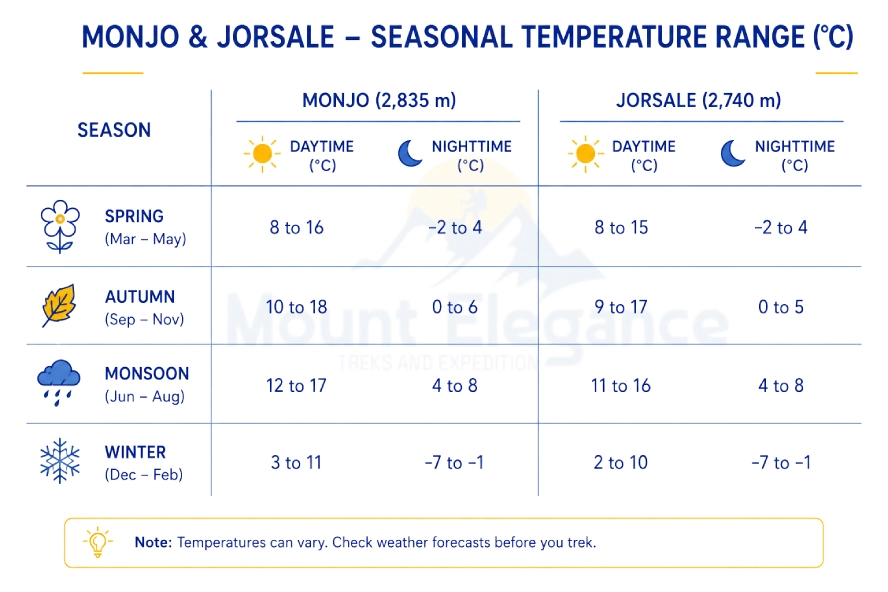
The best time to visit Monjo and Jorsale is during the two peak seasons spring (March–May) and autumn (September–November). In spring, daytime temperatures are usually around 10–20°C - while nights can fall to 0–5°C. Autumn offers similar daytime conditions with nighttime temperatures often ranging from -2 to 5°C. Summer brings monsoon rain - muddy trails and occasional flight disruptions - while winter is colder with snow and icy sections possible on the trail. For clearer views and more comfortable trekking conditions spring and autumn are generally the best seasons for the Jorsale trek and the route toward Everest Base Camp.
What Comes After Monjo and Jorsale on the Everest Base Camp Trail?
The trail climbs from Jorsale directly to Namche Bazaar before continuing toward Everest Base Camp. After crossing the suspension bridges and passing through the final section of the Sagarmatha National Park trekkers make a long uphill climb to Namche - the main Sherpa town and a popular acclimatization stop.
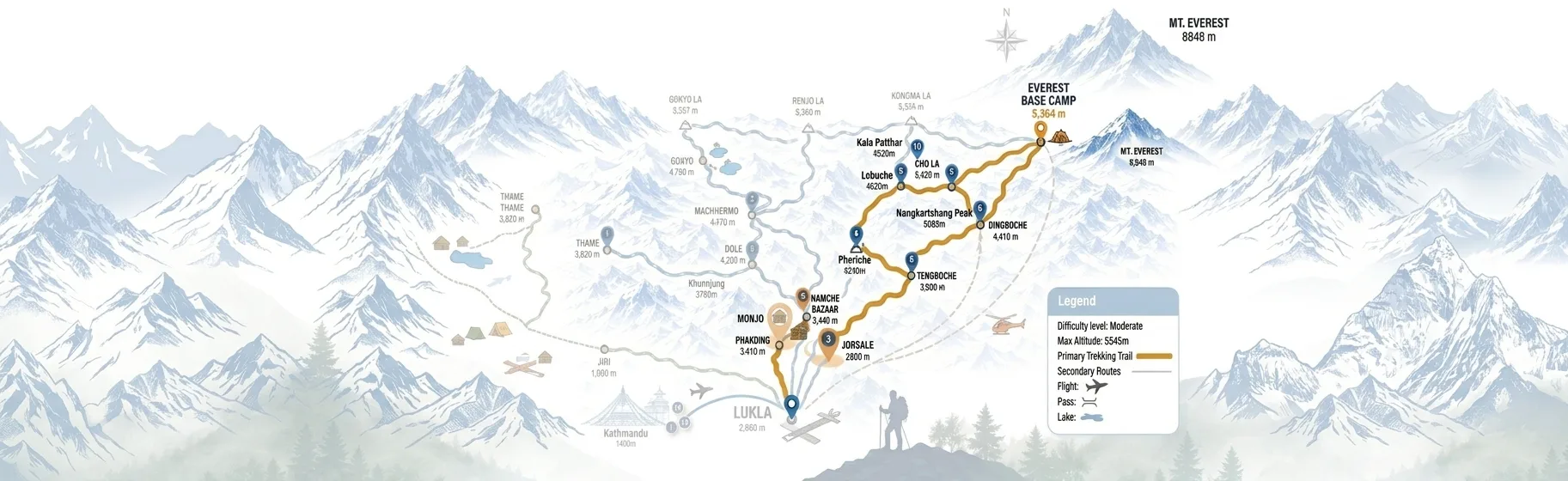
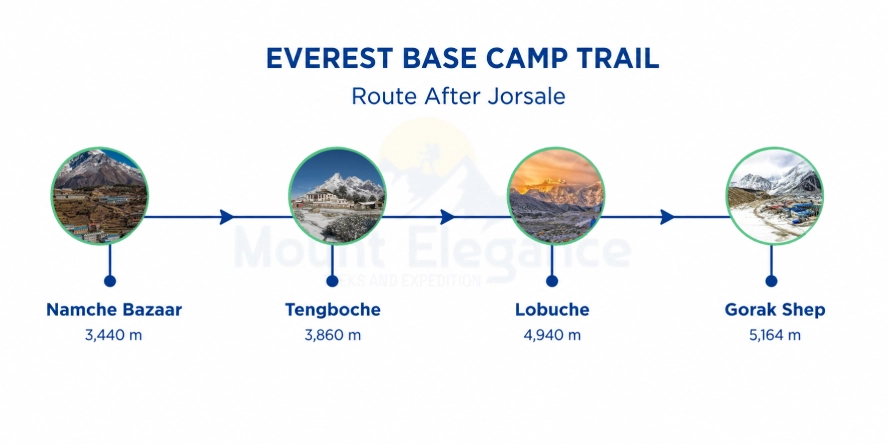
From Namche Bazaar - the Everest Base Camp route continues to Tengboche known for its famous monastery and mountain views. The trail then passes through Dingboche and climbs to Lobuche, a high-altitude settlement near the final stages of the trek. From Lobuche trekkers continue to Gorak Shep, the last overnight stop before hiking to Everest Base Camp. This route allows gradual altitude gain and time for acclimatization.
Is Namche Bazaar the Next Stop After Jorsale?
Yes Namche Bazaar is the next stop reached by a steep climb of about 700 meters from Jorsale. The journey usually takes 5–6 hours - covering roughly 7 km and gaining significant altitude to reach 3440 meters as Namche Bazaar is the main Sherpa trading hub and an important acclimatization stop.
How Far Is Tengboche From Jorsale?
Tengboche is around 14–16 km from Jorsale with a typical walking time of 7–9 hours spread over two trekking days. The route first climbs toward Namche Bazaar before continuing through the Khumbu Valley as Tengboche Monastery is the next major cultural and spiritual stop along the Everest trekking route.
How Long Does It Take to Reach Lobuche From Monjo?
Reaching Lobuche from Monjo takes around three to four days of trekking depending on the itinerary and acclimatization time period. Lobuche sits several trekking stages beyond monjo with the route passing through Tengboche and Dingboche, as trekkers gain elevation it serves as an important higher altitude stop before going towards Gorak Shep and Everest Base Camp.
Is Gorak Shep the Last Stop Before Everest Base Camp?
Yes Gorak Shep is the final overnight village before Everest Base Camp - located at about 5164 m 16,942 ft - it is roughly 3.5 km from Everest Base Camp and around 1.5 km from Kala Patthar. Most trekkers stay here before visiting EBC or hiking to Kala Patthar for sunrise views.