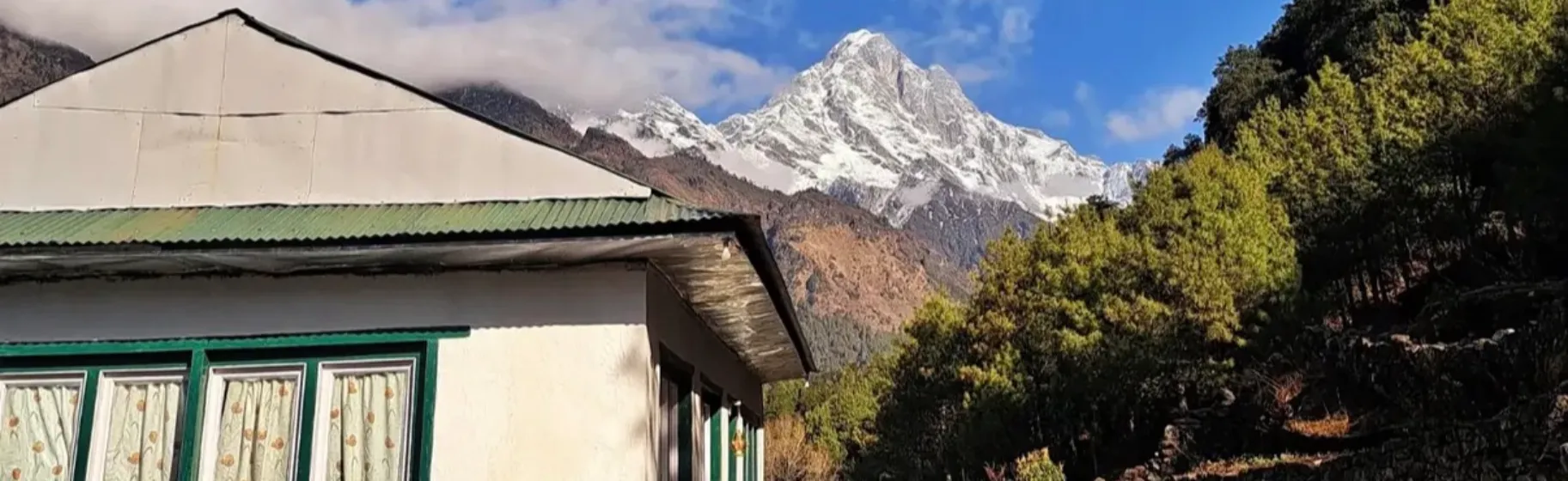
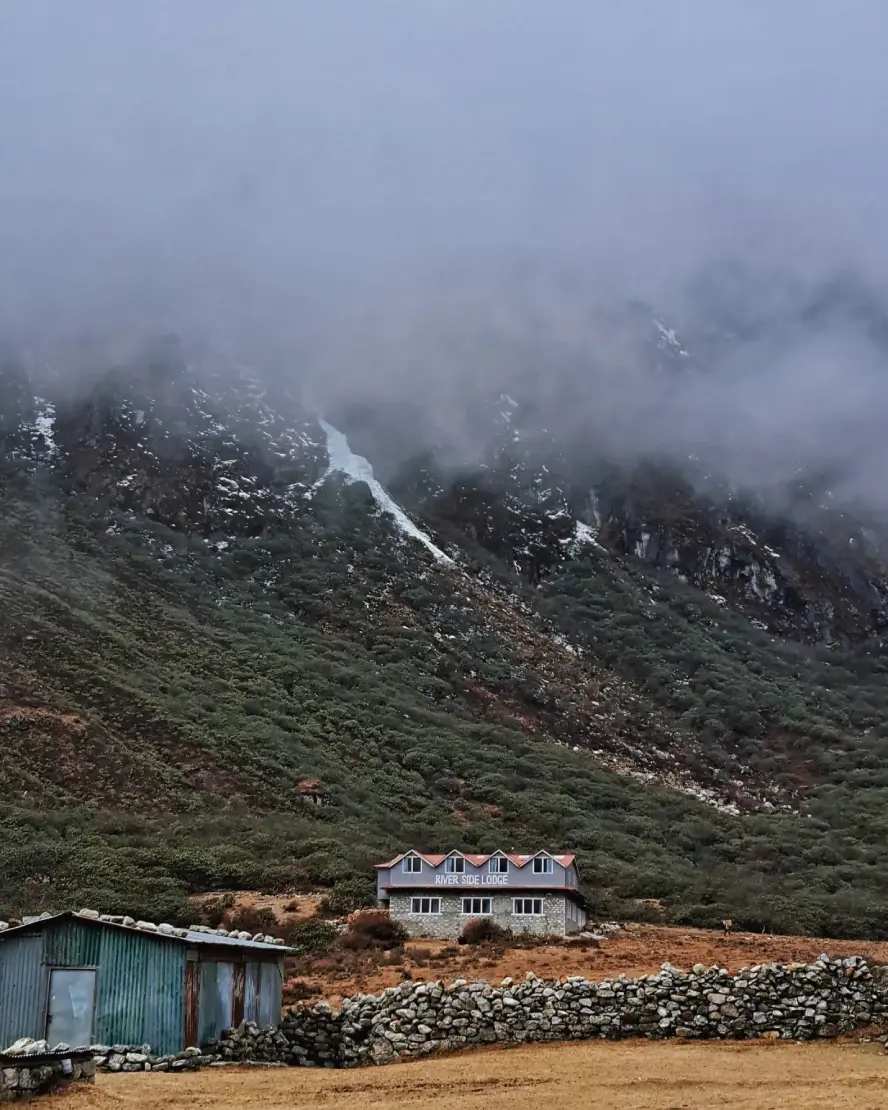
Phakding is the first overnight village on the Everest Base Camp Trek, located in Nepal's Khumbu region at an elevation of 2,610 meters. After landing at Tenzing-Hillary Airport in Lukla, trekkers begin their journey with a relatively gentle, mostly downhill walk that brings them to Phakding by the end of day one, making it a soft introduction to life on the trail. This short first day lets trekkers ease into the rhythm of walking at altitude, adjusting their pace and gear before the terrain grows steadily more demanding in the days ahead.
Phakding village sits along the banks of the Dudh Koshi River, offering scenic views right from the doorstep of most teahouses lining the main trail. Despite its modest size, Phakding plays an important logistical role in every Everest Base Camp Trek itinerary, since it's the natural stopping point before the trail begins its steeper climb toward Namche Bazaar the following day. For most trekkers heading toward Phakding Nepal on their first day, this village offers a chance to settle into teahouse life, enjoy a first proper Himalayan meal, and rest before the real climbing begins on day two of the journey.
What Is Phakding?
Phakding is a small Sherpa village in Nepal's Khumbu region on the Dudh Kosi River at 2,610 m - usually the first proper stop for trekkers heading toward Everest Base Camp. According to Wikipedia, the village has around 550 locals, mostly Sherpa and Tamang, and the community shares deep Tibetan Buddhist roots, gathering to pray at a small gompa in the center of the village. It's held UNESCO World Heritage status since 1979, sitting as it does within the wider Sagarmatha National Park corridor trekkers pass through on their way up.
Administratively Phakding falls under Ward 3 of the Khumbu Pasanglhamu Rural Municipality, the local government covering much of the Khumbu region between Lukla and Namche Bazaar. Small as it is though Phakding punches above its weight in the local trekking economy - teahouses, lodges, and small businesses line the trail, all set up to host travelers on their first night out from Lukla. Between the river views and the forested hills around it, it makes for a gentle, memorable start to the walk toward Everest Base Camp.
Where Is Phakding Located?
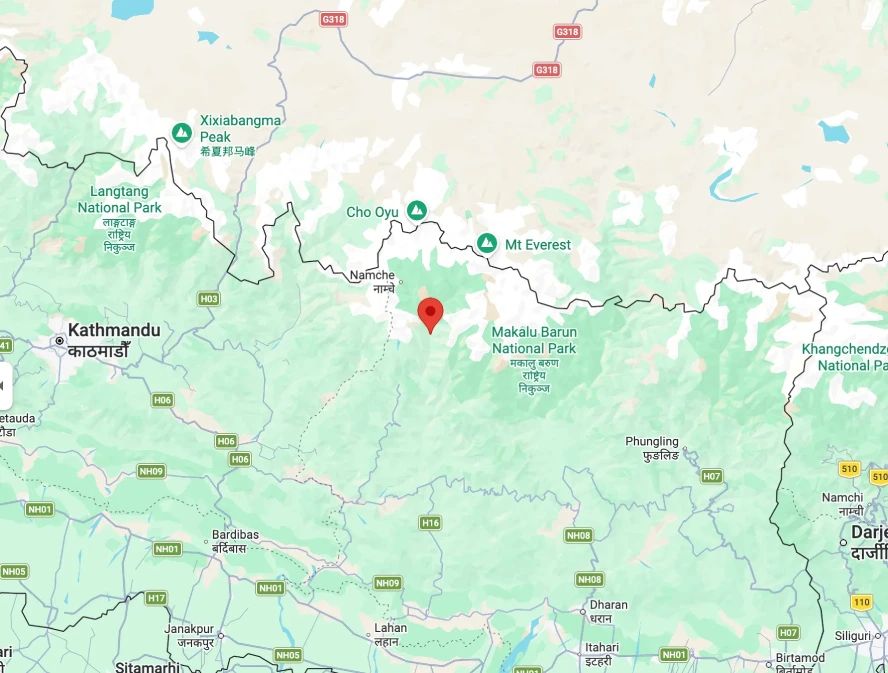
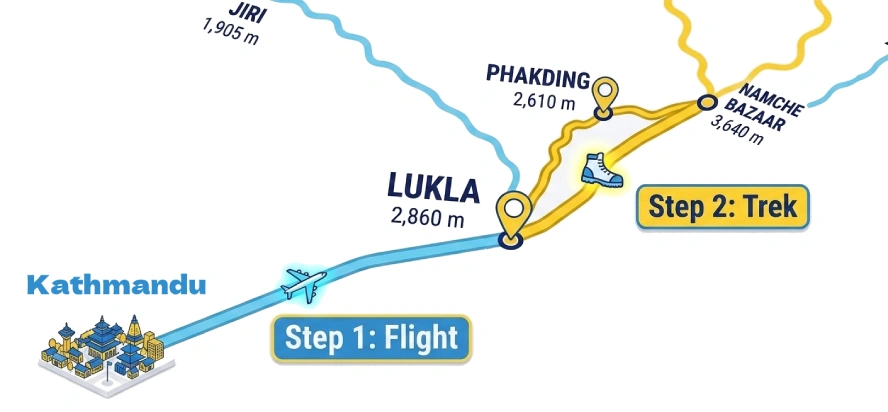
Phakding sits in Nepal’s Solukhumbu District on the Dudh Koshi River between Lukla and Monjo at coordinates 27°45′N 86°43′E within Koshi Province. Tucked into the Dudh Koshi river valley and surrounded by forested hillsides it gives trekkers their first real taste of the Khumbu region’s dramatic landscape right from day one.
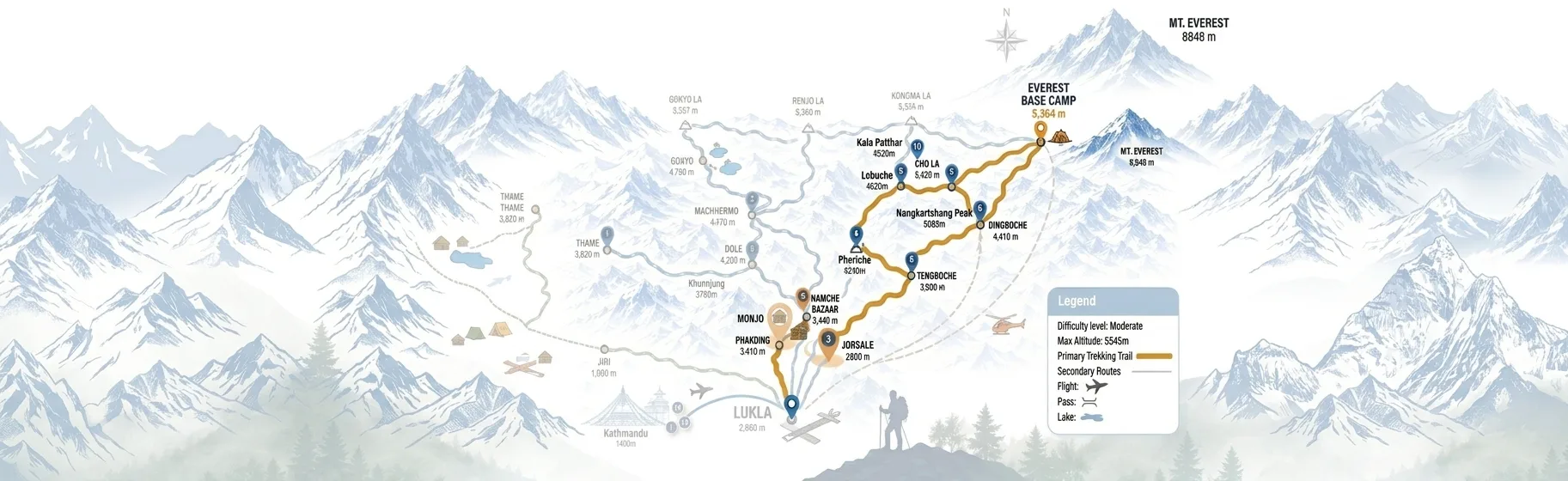
Geographically it sits between two key points: Lukla just to the south the trek’s main air-access gateway and Monjo to the north marking the entrance checkpoint into Sagarmatha National Park. That puts Phakding right at the edge of the park boundary - a natural resting point before trekkers step into the protected zone the next day.
The riverside setting along the Dudh Koshi also gives Phakding a slightly milder microclimate than villages higher up the trail which makes it a comfortable first night out before things get tougher. Its spot along this major trekking corridor has shaped the village too - teahouses and lodges built specifically to host trekkers on their way toward Namche Bazaar and beyond. For anyone digging into where exactly Phakding sits within Solukhumbu District, this stretch between Lukla and Monjo along the Dudh Koshi River is really the key reference point for placing it on the broader Everest Base Camp route.
What Is Phakding's Altitude and Climate?
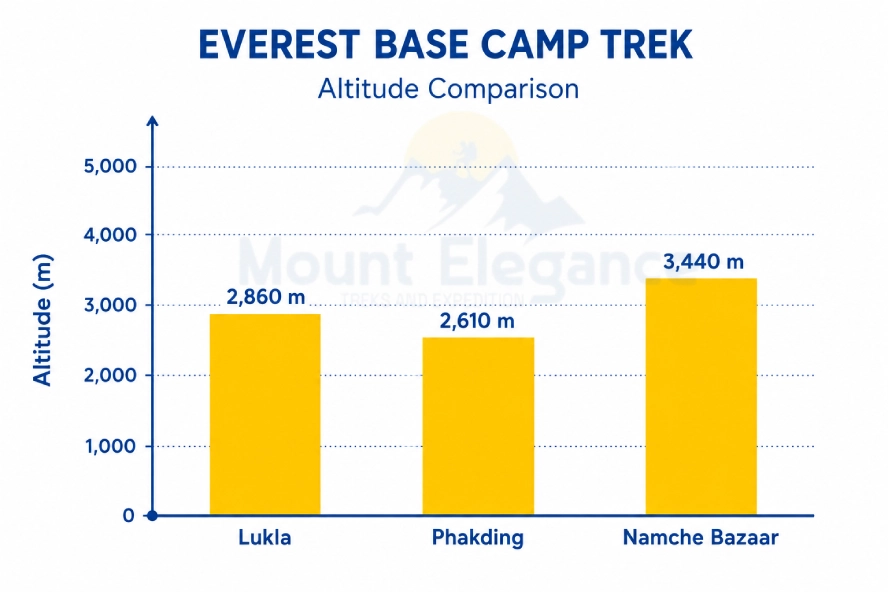
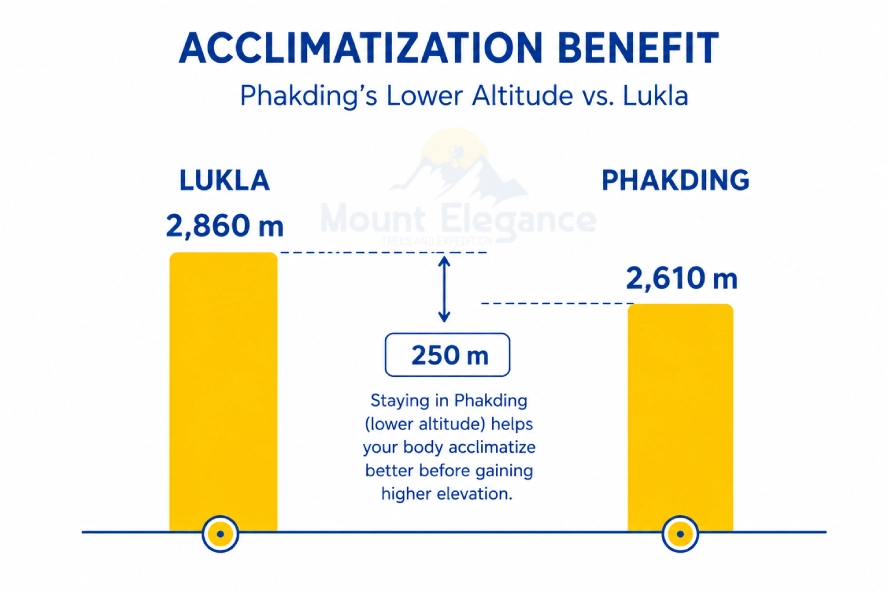
Phakding sits at 2,610 m (8,563 ft), lower than both Lukla (2,860 m) and Namche Bazaar (3,440 m).
- Lower altitude than Lukla and Namche - Phakding's elevation makes it one of the lowest stops on the whole trek, which helps trekkers ease into the journey slowly
- Mild daily temperatures - based on climate data, the average daily temperature in Phakding stays roughly between 4°C and 16°C across the year, making it one of the warmer stops on the route
- Warmer than higher villages - because it sits lower down, Phakding stays milder than places like Namche or Dingboche, so nights here feel less cold
- Good for early acclimatization - starting the trek at a lower altitude gives the body time to slowly get used to less oxygen before the bigger climb up to Namche Bazaar
- Helps prevent altitude sickness - walking from Lukla down to Phakding, instead of straight up, is a smart way to start slow and lower the risk of altitude sickness later
- Good sleeping altitude - Phakding's low elevation makes it a comfortable, easy place to rest on the first night of the trek
How Do You Get to Phakding?
Trekkers fly from Kathmandu to Lukla then walk roughly 3 to 4 hours for Phakding making this the most common way to start the Everest Base Camp trek.
The flight from Kathmandu to Lukla takes about 30 to 40 minutes and lands at Tenzing-Hillary Airport - one of the most famous and dramatic airports in the world. This short flight saves trekkers a lot of time since the same journey by road would take several days to complete. Once trekkers land in Lukla they begin walking almost right away following a fairly gentle, mostly downhill trail that covers about 7.5 to 8 km before reaching Phakding.
The Lukla to Phakding trek is an easy first walk, giving trekkers a chance to get used to their boots, backpacks and the mountain air before the trail gets harder in the days ahead. Along the way, trekkers pass small villages, prayer flags and views of the Dudh Koshi River making it a peaceful and scenic start to the journey.
For trekkers who want to avoid flying into Lukla there’s also an alternative overland approach starting from Jiri or Salleri. This route takes several extra days on foot, following older trails once used before Lukla’s airport existed. While longer and more demanding, this option gives trekkers a deeper look at rural Nepali life along the way.
Whether arriving by the classic Kathmandu to Phakding flight-and-walk combination or the longer road-and-trail route through Jiri or Salleri, every path eventually leads to the same peaceful riverside village of Phakding.
What Sherpa Culture and History Shape Phakding?
Phakding’s population is mostly Sherpa and the village practices Tibetan Buddhism centered around a small local gompa in the heart of town. This deep religious tradition shapes daily life in Phakding from morning prayers to the quiet rhythm of village routines built around Buddhist beliefs and customs passed down through generations.
The main monastic site in the village is Rimishung Monastery - a peaceful Buddhist site set on a small hill overlooking Phakding. Many trekkers stop here to enjoy the calm surroundings, watch monks going about their daily practices and sometimes even share a cup of tea with locals or monks living there. The monastery adds a quiet spiritual pause early in the trek well before the trail gets busier and more physically demanding.
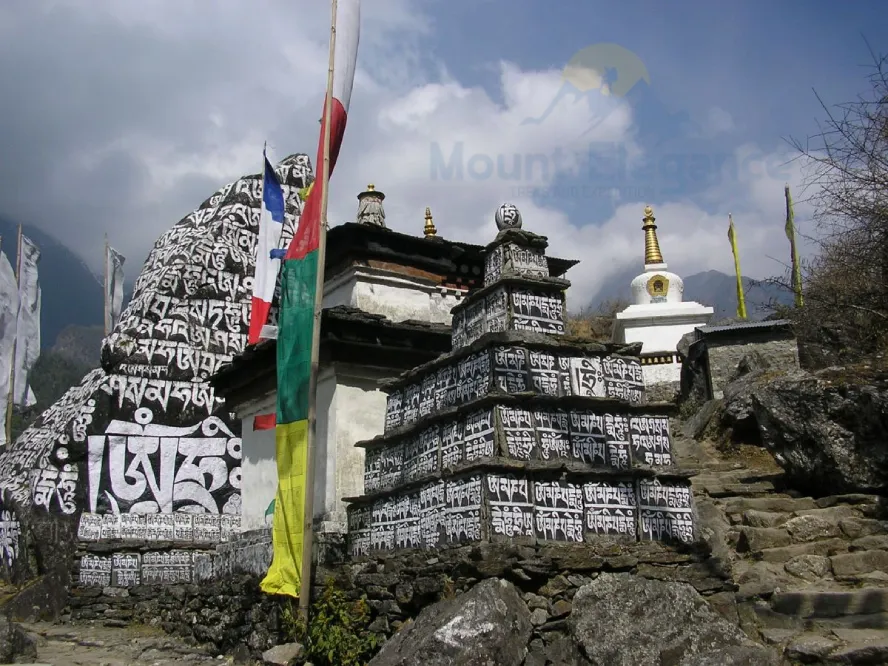
Walking through Phakding trekkers will also notice mani walls and colorful parts of Sherpa spiritual life. Mani walls are stone walls carved with Buddhist prayer and tradition asks trekkers to walk past them on the left side, moving clockwise, as a sign of respect. Prayer flags fluttering in the mountain wind area believed to carry blessings and good wishes across the valley with every gust.
Phakding's role in tourism grew significantly after 1953 when Edmund Hillary and Tenzing Norgay became the first climbers to reach the summit of Everest. This historic achievement drew global attention to the Khumbu region and villages like Phakding slowly transformed from quiet farming communities into important stops along the growing Everest Base Camp trekking route. Today, Phakding sherpa history still shows through in daily village life especially during Mani Rimdu - a major Buddhist festival celebrated with masked dances, prayers and community gatherings that connect trekkers with authentic Sherpa culture along the trail.
What Are the Major Attractions in Phakding?
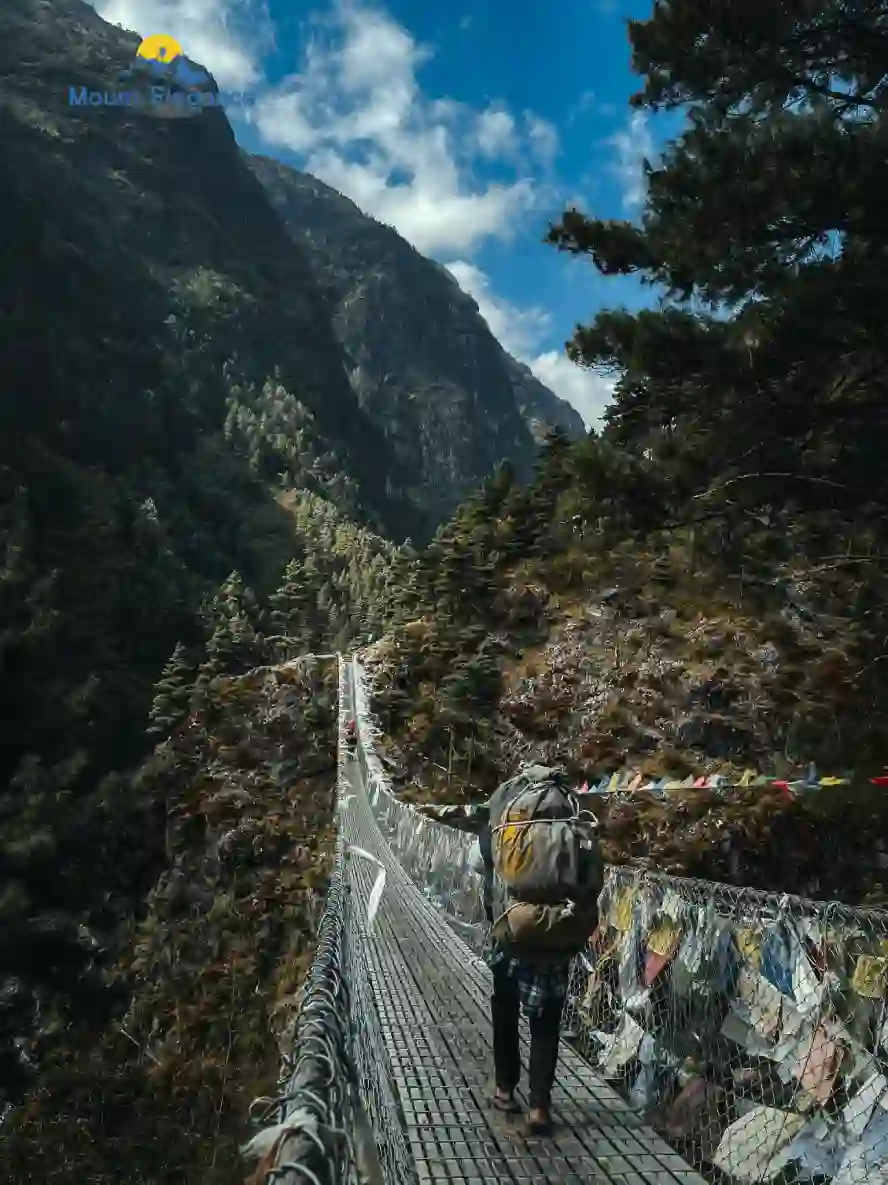
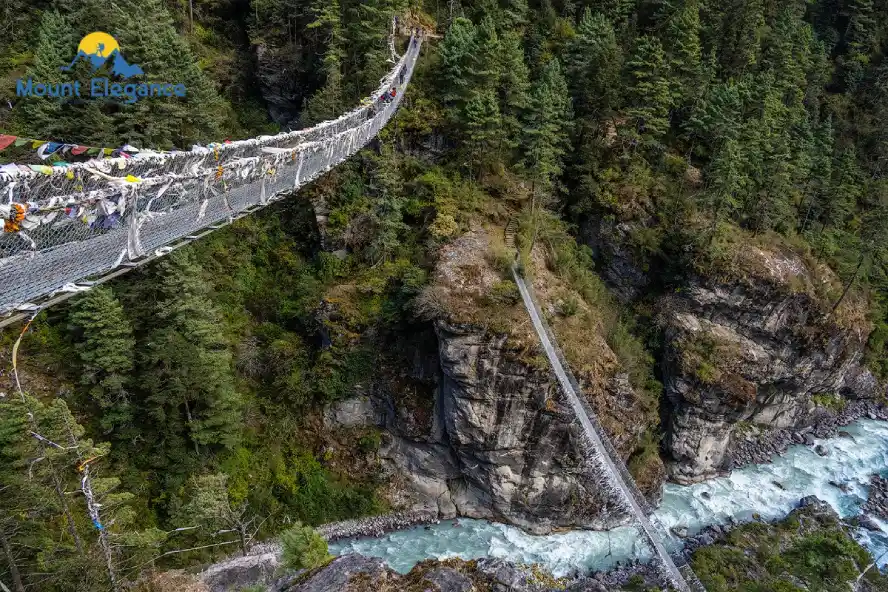
The top attraction in Phakding is the suspension bridges over the Dudh Koshi River which trekkers cross while walking through and around the village.
- Suspension Bridges over the Dudh Koshi River - these swaying bridges offer great views of the fast-flowing river below and are fun slightly thrilling part of the walk through Phakding
- Riverside walks along the Dudh Koshi - the peaceful path beside the river naked for an easy, relaxing walk, especially in the evening after a day of trekking
- Rimishung Monastery - a small clam Buddhist site on a hill above the village where trekkers can watch monks pray and enjoy quiet mountain views
- Mani walls along the trail - stone walls carved with Buddhist prayers line parts of path adding a spiritual touch to the walk through the village
- Short viewpoint hike around the villager - a few short trails near Phakding offer nice views of the surrounding hills and river valley, perfect for a short walk after arriving
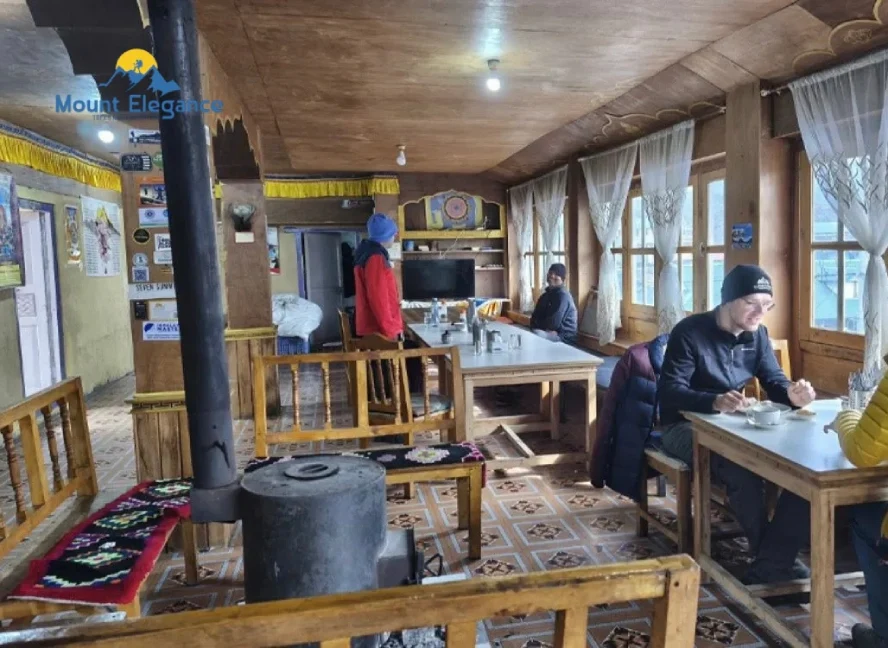
- Local teahouses and lodges - many of these are run by Sherpa families giving trekkers a chance to relax eat a warm meal and talk with locals about the region
- Forest and mountain scenery - the walk in and out of Phakding passes through green forest and open valley views, making it one of the more scenic early stops on the trek
What Wildlife and Forests Surround Phakding?
The forests surrounding Phakding are mostly - fir, rhododendron and pine creating a green peaceful setting for trekkers on the first days of trail. These forests grow thick along the hillsides near the Dudh Koshi River offering shade and a calm start to the Everest Base Camp trek before the trail climbs higher into more open rocky terrain.
Birdwatchers passing through often spot several species living in this forest belt including colorful birds like this forest belt including colorful birds like Himalayan monal and various types of pheasants along with small songbirds moving through the trees. While wildlife sightings aren’t guaranteed, the quiet forest setting gives trekkers a decent chance of seeing or hearing local birdlife during the walk.
One of the most beautiful times to pass through this area is during spring when the rhododendron forest bursts into bloom - filling the hillsides with shades of red, pink and white. This blooming season, usually peaking in March and April - turns the trail into one of the most colorful stretches of the entire trek drawing extra attention from photographers and nature lovers alike.
The forest surrounding Phakding also plays an important role as a lead-in to Sagarmatha National Park, Nepal’s protected mountain reserve. As trekkers continue walking north the fir and pine forest gradually connects with the park’s more strictly protected habitat home to rare and often elusive Himalayan wildlife. This gentle shift from village forest to protected parkland makes Phakding forest an important early stage in exploring the wider Phakding wildlife and rhododendron-rich habitat found throughout the Khumbu region.
What Facilities and Teahouses Does Phakding Offer?
Phakding has around 25 hotels ranging from basic homestays to 4-star lodges, giving trekkers a wide range of comfort levels to choose from right at the start of the trek.
Most teahouses in Phakding serve simple filling meals like Dal Bhat, noodles and momo giving trekkers plenty of energy for the days ahead. Electricity and WI-FI are available in most places though service can be limited or unreliable at times, especially during monsoon season when storms sometimes affect power and signal. A few small shops around the village sell basic snacks, drinks, and simple trekking gear, so trekkers can pick up last-minute items before continuing further into the mountains.
Even with all these teahouses and lodges, the village keeps things fairly relaxed, with a maximum capacity of around 300 tourists at one time, helping keep Phakding from ever feeling too crowded. Whether staying in a basic homestay or a nicer lodge, most places offer warm beds, hot meals, and a friendly welcome from local Sherpa families.
For trekkers wondering where to stay in Phakding, the village offers something for every budget, making it an easy and comfortable first night on the Everest Base Camp trek.
What Is Phakding Popular For?
Phakding is popular as a peaceful riverside village that eases trekkers into Sherpa hospitality right after the Lukla flight offering a calm and gentle start to the Everest Base Camp trek. After the busy, sometimes stressful experience of landing at Lukla’s small mountain strip, Phakding feels like a welcome change of pace with quiet trails, river views and a slower rhythm of life.
Much of Phakding’s charm comes from its Sherpa-run teahouses where trekkers get their first real taste of local hospitality, warm meals and friendly conversation after a long day of travel. These teahouses often feel more personal than places later on the trail since fewer trekkers pass through this early stop compared to busier villages like Namche Bazaar.
Beyond simply being a place to rest, Phakding also works as an emotional and cultural entry point into the Khumbu region. It's often the first place where trekkers slow down, take a breath, and start to feel like they're truly in the mountains, rather than just passing through on the way somewhere else. For many, Phakding first impressions leave a lasting mark, setting the tone for the rest of the Everest Base Camp journey ahead.
Why Do Trekkers Spend Their First Night in Phakding?
Staying at Phakding's lower altitude limits the risk of altitude sickness on the first night out of Lukla.
- Net Altitude Drop for Safety - Staying in Phakding 2610m allows trekkers body a gentler entry into thin air and supporting essential early acclimatization due to descend 250 meters lower than Lukla 2860m after landing.
- Standard Itinerary Placement - Most classic Everest Base Camp trek itineraries place Phakding as the official Day 1 stop to split the trek into manageable segments and prevent immediate overexertion.
- Rest and Recovery Function - The easy 3 to 4 hour descent provides vital rest and physical recovery right after the morning flight to Lukla, ensuring trekkers are fully rested before tackling the steep grueling climb up to Namche Bazaar 3,440m on Day 2.
What Comes After Phakding on the Everest Base Camp Trek?
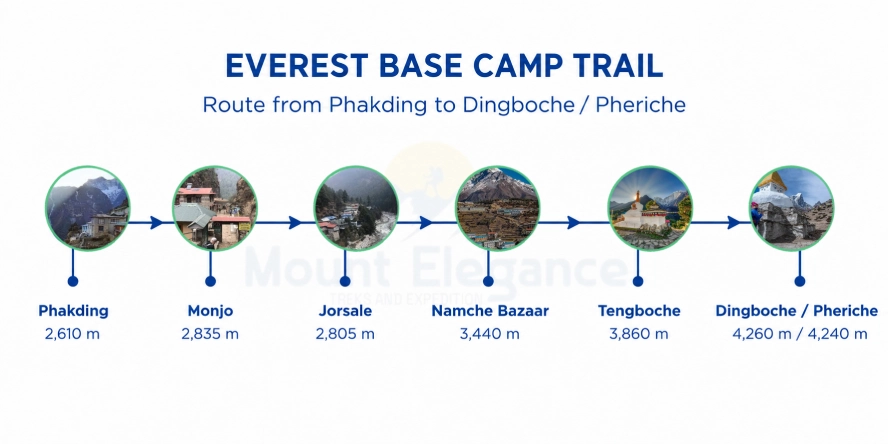
From Phakding the trail runs north through Monjo and Jorsale to Namche Bazaar then on toward Tengboche and Dingboche or Pheriche.
- Monjo - Gateway to Sagarmatha National Park and the first permit checkpoint.
- Jorsale - The final settlement before the steep climb to the Sherpa capital.
- Namche Bazaar - The primary high-altitude hub and main acclimatization stop.
- Tengboche - Cultural heart of the Khumbu region famous for its grand monastery.
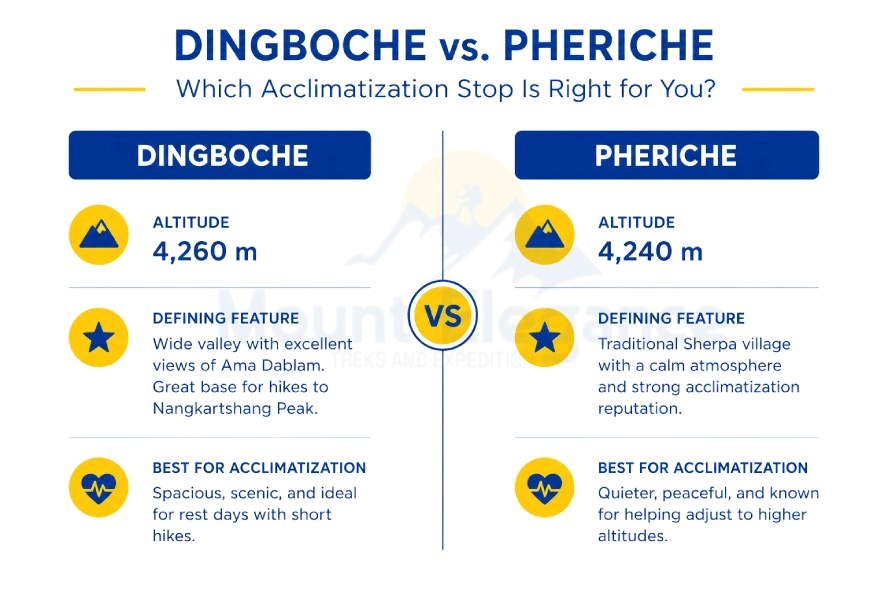
- Dingboche - High-altitude valley settlement used for a second mandatory acclimatization day.
- Pheriche - Alternative overnight stop featuring the Himalayan Rescue Association aid post.
Is Monjo the Entry Point to Sagarmatha National Park?
Yes - Monjo is the checkpoint village where trekkers register their Sagarmatha National Park permits. A small village located between Phakding and Namche Bazaar at about 2835 meters - serving as the official entrance gate to the Sagarmatha National Park. Just past Monjo lies Jorsale which is the last settlement trekkers pass through before starting the steep final ascent to Namche Bazaar.
How Do You Get from Phakding to Namche Bazaar?
Getting from Phakding to Namche Bazaar covers roughly 10 kilometers and takes about 5 to 7 hours of trekking through - Monjo, Jorsale and the iconic Hillary Suspension Bridge. Trekkers push up a net elevation gain of 830 meters moving from 2610 meters to 3440 meters over the course of a few hours. The double-decker Hillary Suspension Bridge hangs high over the Dudh Koshi River, serving as the final landmark just before the main climb starts. Because the path turns into a steep uphill hike after crossing the river most guide books mark this section as one of the hardest single days on the whole trip to Base Camp.
Is Tengboche Monastery Worth the Detour From Namche Bazaar?
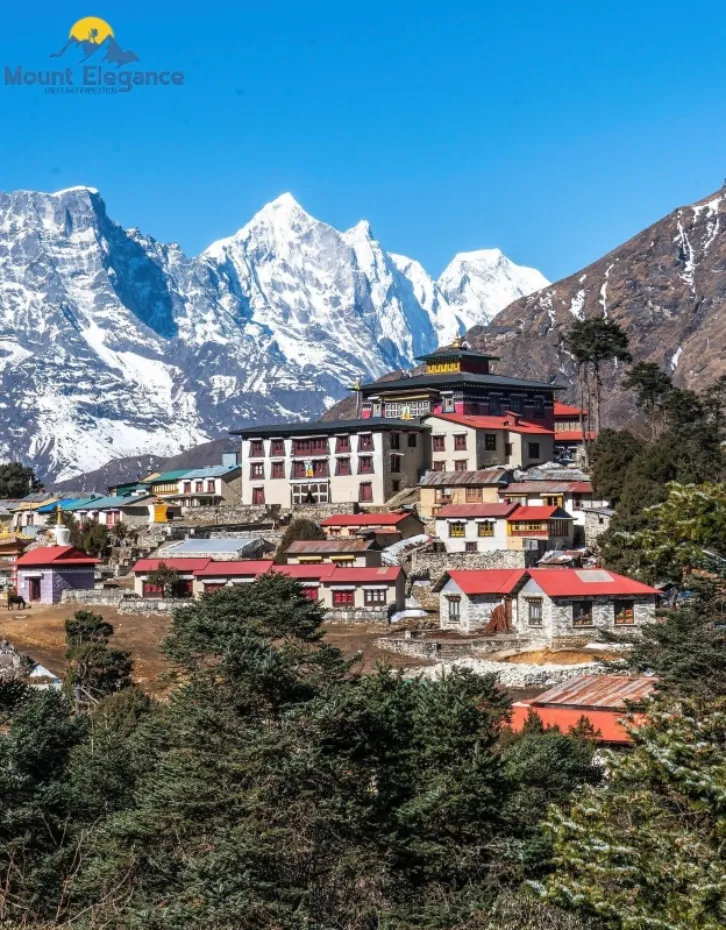
Yes - Tengboche holds the largest monastery in the Khumbu region and sits roughly 9 to 10 kilometers along the trail from Namche Bazaar. Situated on a ridge at 3,867 meters, the village rewards visitors with panoramic views of - Mount Everest, Ama Dablam and Lhotse right from the monastery grounds. For an unmatched cultural experience, planning the visit during autumn's Mani Rimdu Festival allows trekkers to witness vibrant Sherpa ritual dances and traditional Buddhist ceremonies.
Is Dingboche or Pheriche the Better Acclimatization Stop?
- Dingboche for Ascent Acclimatization: Located in a valley Dingboche offers warmer accommodation and clear dramatic views of - Ama Dablam and Island Peak making it the preferred location for the second mandatory acclimatization rest day.
- Pheriche for Descent and Safety: Sitting in a windier lower valley nearby Pheriche's defining feature is the volunteer-run Himalayan Rescue Association (HRA) medical clinic which specializes in treating altitude-related illnesses and servicing descending trekkers.