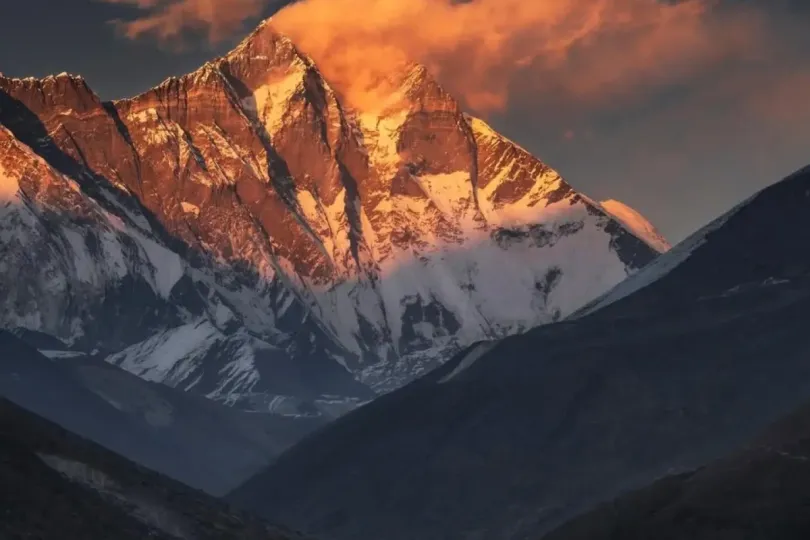
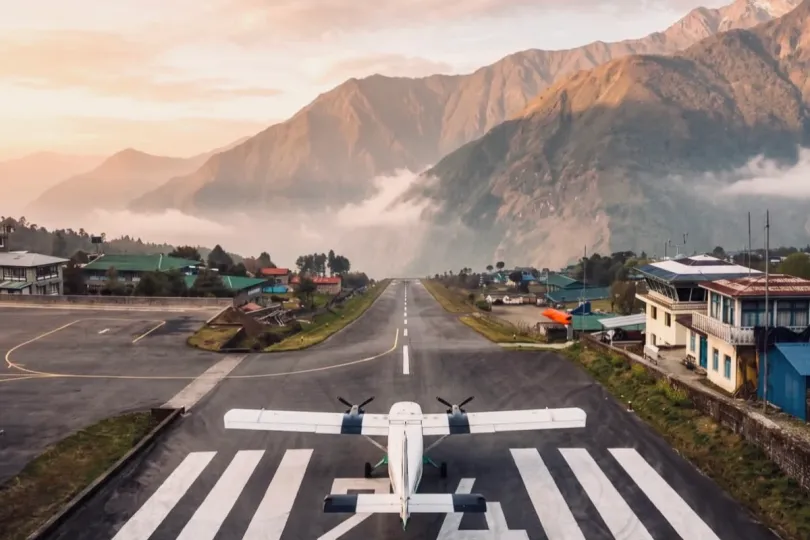
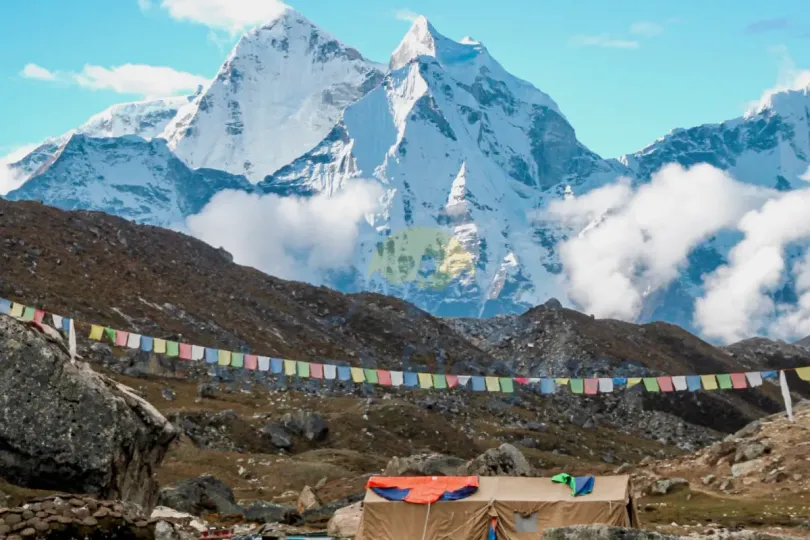
The Khumbu Pasang Lhamu Rural Municipality Permit is a mandatory local entry document, officially issued as a Trek Card (official product name of the permit) required for anyone entering the Khumbu region on the war to Everest Base Camp. This permit falls under the jurisdiction of the Khumbu Pasang Lhamu Rural Municipality (KPLRM), located in Solukhumbu District, Koshi Province and its fees go directly toward local infrastructure and community development. According to recent 2026 sources the current cost for foreign trekkers is NPR 3000 though a few operators list slightly lower rates around NPR 2000 so confirming the exact figure at the point of purchase is worthwhile. Unlike the Sagarmatha National Park Entry Permit this Trek Card cannot be arranged in Kathmandu - trekkers must pick it up in person at either the Lukla or Monjo checkpoint before continuing further into the region.
What Is the Khumbu Pasang Lhamu Rural Municipality Permit?
The Khumbu Pasang Lhamu Rural Municipality Permit is a local entry permit issued by the Khumbu Pasang Lhamu Rural Municipality (KPLRM) en route of Everest Base Camp trek, the local government body overseeing the Khumbu region and officially branded as the Trek Card. This permit came about following Nepal’s 2017 federal decentralization, introduced under the Local Government Operating Act, which gave rural municipalities like KPLRM the authority to manage their own local revenue systems rather than relying solely on national-level permits. KPLRM operates with its administrative center based in Chaurikharka - a village near Lukla that serves as the local government’s operational hub.
This permit is entirely separate from and required in addition to the Sagarmatha National Park Entry Permit, Meaning trekkers need both documents to legally continue toward Everest Base Camp. While the national park permit funds conserving efforts across the protected area, the Khumbu Pasang Lhamu Rural Municipality Permit instead supports local infrastructure, trail maintenance and community development within the municipality itself. This distinction reflects Nepal' s broader shift toward decentralised governance, giving local authorities in remote, high-traffic trekking regions like Khumbu more direct control over managing tourism revenue and reinvesting it into their own communities.
How Much Does the Khumbu Pasang Lhamu Permit Cost in 2026?
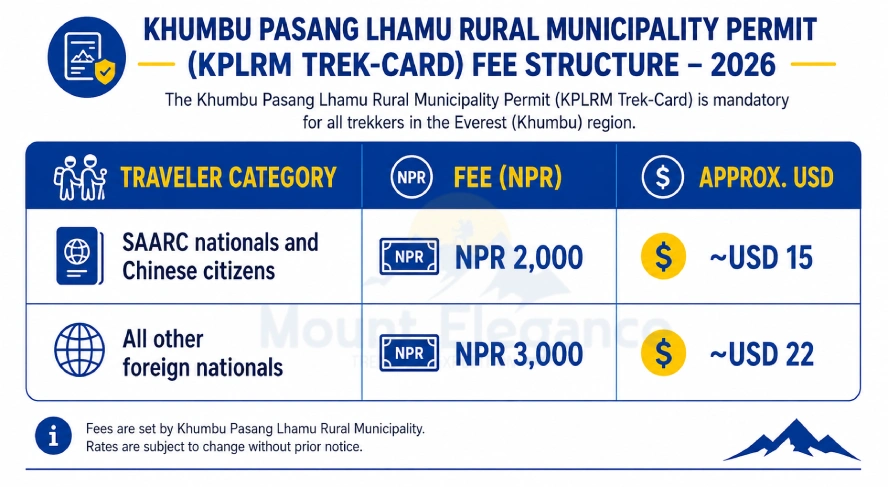
The Khumbu Pasang Lhamu Rural Municipality Permit costs different amounts depending on nationality, based on the current 2026 fee structure reported by trekking agencies referencing the KPLRM Trek-Card schedule.
Traveler Category | Fee (NPR) | Approx. USD |
SAARC nationals and Chinese citizens | NPR 2,000 | ~USD 15 |
All other foreign nationals | NPR 3,000 | ~USD 22 |
According to trekking agency sources citing the KPLRM fee schedule, this rate reflects an increase from a previous NPR 2,000 flat fee for non-SAARC and non-Chinese trekkers, reportedly adjusted around September 2024. Payment is cash-only, in Nepali Rupees, collected directly at the issuing counter in Lukla or Monjo - no cards or foreign currency accepted. It's worth noting that permit-guide blogs across the web show inconsistent figures, some still listing older NPR 2,000 flat rates for all foreigners, so travelers should treat the official municipality fee schedule as the more reliable source and confirm current pricing directly with their trekking agency or at the checkpoint before budgeting.
Where and How Do You Get the Khumbu Pasang Lhamu Permit?
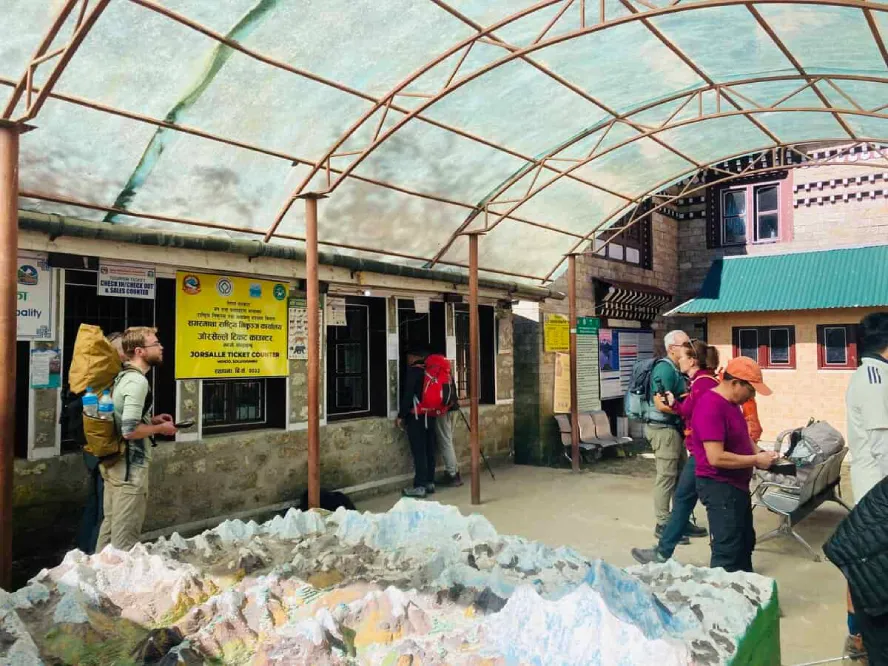
Trekkers obtain the Khumbu Pasang Lhamu Rural Municipality Permit at a couple of specific points along the route, depending on how they enter the region.
- Tourist Information Center, Lukla - the main issuing counter, located right at the trail entrance just after passing through the Lukla gate, making it the first stop for most trekkers flying in
- Monjo checkpoint - serves as an alternate counter for trekkers arriving via the longer Jiri or Salleri approach routes, who bypass Lukla entirely on their way into the Khumbu region
- Passport required at the counter - officials use passport details to complete registration, with processing typically taking around 15 minutes per applicant
- Not available in Kathmandu - unlike the Sagarmatha National Park Entry Permit, this permit cannot be arranged at the Nepal Tourism Board office or through any Kathmandu-based agency counter in advance
- Online pre-registration available - trekkers can also complete part of the process in advance through the Trek Card portal, streamlining the in-person counter visit once they arrive in Lukla or Monjo
Can You Get the Khumbu Pasang Lhamu Permit in Kathmandu Before Flying to Lukla?
No, the Khumbu Pasang Lhamu Permit is not issued in Kathmandu. Unlike the Sagarmatha National Park Entry Permit, which the Nepal Tourism Board office in Kathmandu handles directly, this local permit can only be obtained at the Lukla or Monjo checkpoints inside Solukhumbu District, right at the entrance to the Khumbu region. This means trekking and travel agencies cannot pre-purchase or arrange it on a client’s behalf before departure, regardless of how far in advance a trek is booked. Trekkers should factor this in when planning their arrival in Lukla: the gateway to Everest, since the permit process happens on-site rather than as part of any pre-trek paperwork completed in the capital.
Can You Register for the Trek Card Online Before Your Trek?
Yes, trekkers can pre-register for the Trek Card online at https://trekcard.dryicesolutions.net/ - the official online pre-registration portal for the Khumbu Pasang Lhamu Rural Municipality Permit. Completing this step in advance helps speed up processing once trekkers arrive at the physical checkpoint, since basic details are already entered into the system. That said, online pre-registration doesn’t fully replace the in-person process - trekkers still need to collect the physical Trek Card and pay the required fee directly at either the Lukla or Monjo checkpoint. Passport verification also still happens in person at the counter, since officials need to confirm identity matches the pre-registered details before issuing the final permit.
What Documents Do You Need for the Khumbu Pasang Lhamu Permit?
The Khumbu Pasang Lhamu Permit requires a fairly short list of documents compared to some of the other permits along the route.
- A valid passport (mandatory) - required at the counter for identity verification, since the permit is registered directly against passport details
- Cash in Nepali Rupees for the exact fee amount - payment must be made in local currency, and having exact change helps speed up processing at busier times
- Nepal entry visa already stamped - trekkers need a valid, already-processed Nepal visa in place before applying, covered in more detail in the Nepal Visa section
- No passport-sized photo required at this counter - unlike the Sagarmatha National Park Permit and TIMS card, both of which typically request a photo as part of the application, the Khumbu Pasang Lhamu Permit process skips this step entirely, according to several current permit-guide sources, simplifying the paperwork trekkers need to prepare in advance
How Does the Trek Card System Work at Checkpoints?
The Trek Card system tracks trekkers by scanning the card at six designated checkpoints strategically placed throughout the Khumbu region, including spots like Gorak Shep, Thukla, Gokyo and Chukung rather than a simple morning-and-evening scan at a single location. According to Khumbu Pasang Lhamu Rural Municipality Chairman Mingma Chiring Sherpa, the primary purpose of the Trek Card is to enhance safety measures, effectively manage tourism and promote the Khumbu area as an attractive tourist destination. If a trekker fails to scan their card at these checkpoints within a 24-hour window, the system flags this automatically alerting local authorities to potential safety concerns. The system was introduced on September 23, 2022, replacing the previous paper-based registration process with this digital Trek Card, which trekkers can tap or scan at each checkpoint to log their movement through the region efficiently, cutting down on the long queues that used to build up under the older manual system.
Is There Real-Time Tracking of Trekkers During the Day?
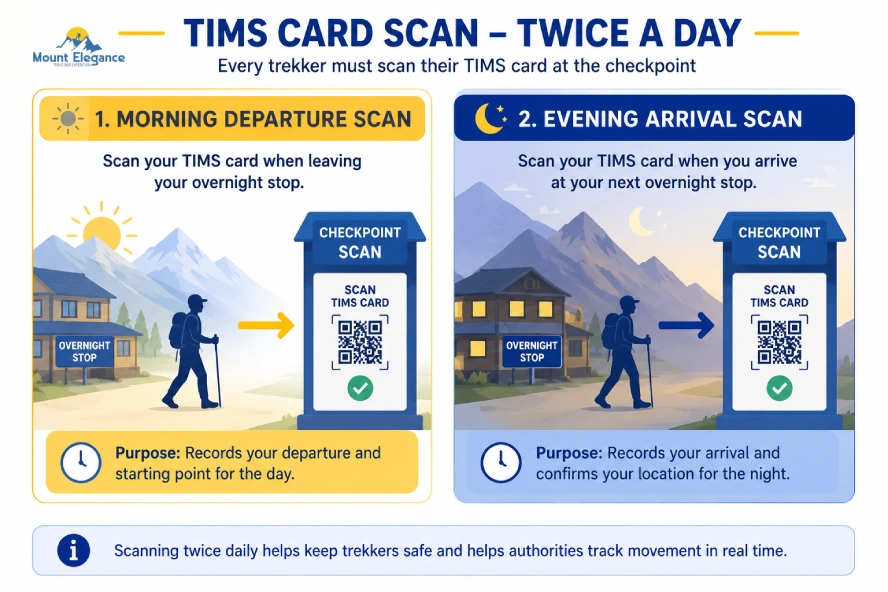
No, the Trek Card system does not track trekkers in real time during the day. Instead, scans occur only at two fixed points - a morning departure scan and an evening arrival scan - leaving no continuous GPS tracking in between. This design choice deliberately preserves trekker privacy between checkpoints, avoiding the kind of constant surveillance that a live tracking system would involve. Trekkers move freely through the trail during daylight hours, with their whereabouts confirmed only at each scheduled checkpoint rather than monitored minute-to-minute throughout the day.
What Does the Khumbu Pasang Lhamu Permit Fund?
Revenue from the Khumbu Pasang Lhamu Permit funds several important local initiatives across the Khumbu region, directly supporting the communities that trekkers pass through along the way.
- Trail maintenance across the Khumbu region - permit fees help keep well-traveled paths in good condition, addressing erosion, damage from heavy foot traffic, and seasonal weather wear
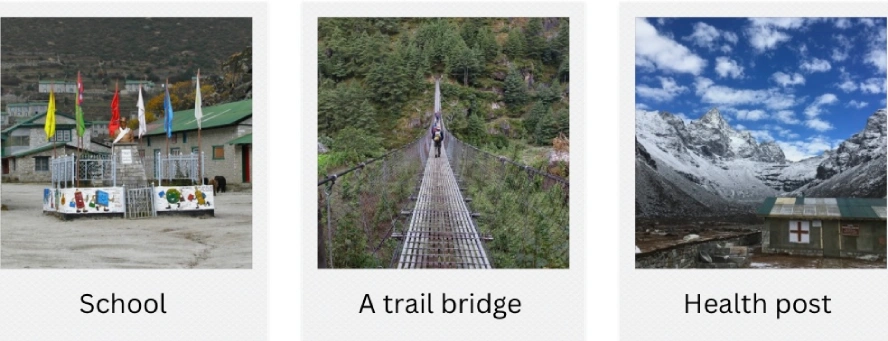
- Local infrastructure: bridges, schools, health posts - funds go toward building and maintaining essential community infrastructure, improving daily life for residents beyond just supporting tourism
- Porter training programs - a portion of revenue supports training initiatives aimed at improving porter safety, skills, and working conditions throughout the trekking season
- Community development administered directly by KPLRM's five ward offices - funds are distributed and managed locally across the municipality's five wards - Kharikhola, Lukla, Nachipang, Khumjung, and Namche - ensuring development reaches different parts of the Khumbu region rather than being centralized in one location
Which Khumbu Villages Benefit From Permit Revenue?
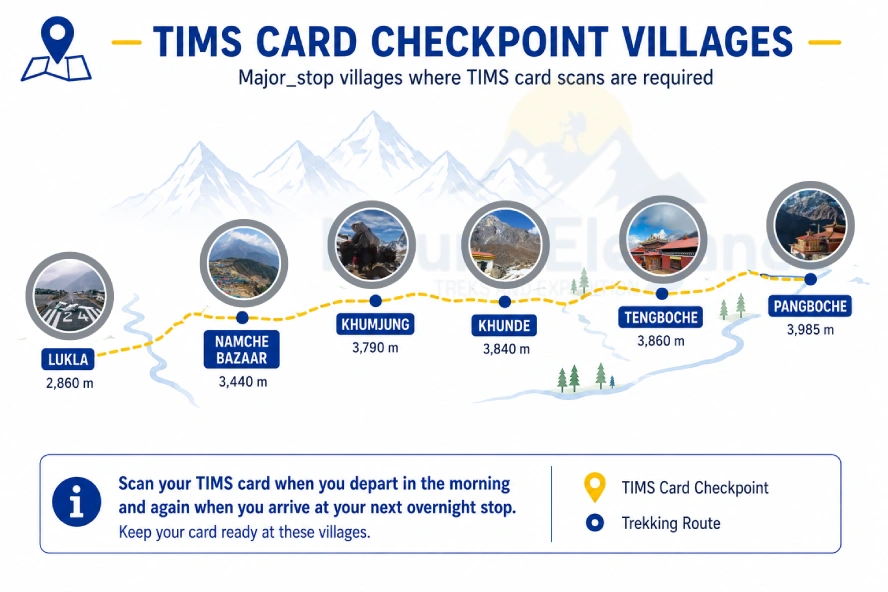
Permit revenue funds infrastructure and services in several key settlements across the Khumbu region, channeling tourism income directly back into local communities.
- Lukla, Namche Bazaar, Khumjung, Khunde - these named settlements fall directly within KPLRM's administrative boundaries, receiving direct investment in schools, health posts, and general infrastructure upkeep
- Tengboche and Pangboche - these trail-side communities benefit primarily through trail maintenance funding, since permit revenue helps keep the well-traveled paths connecting these villages in good condition for both trekkers and residents
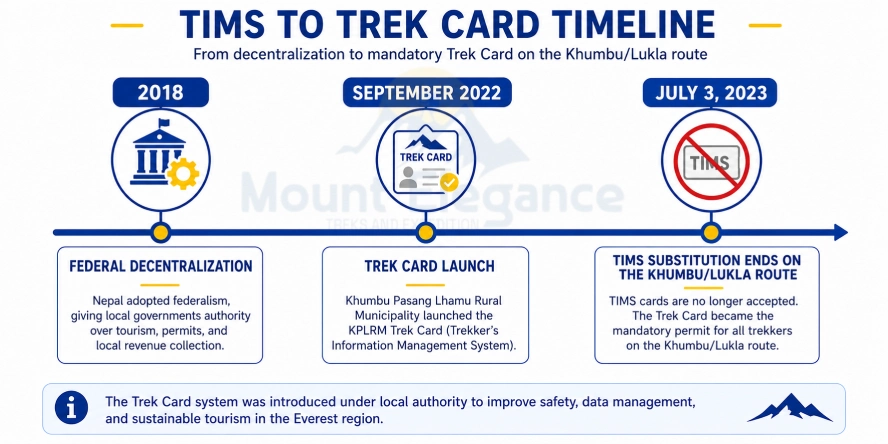
When Did the Khumbu Pasang Lhamu Permit Replace the TIMS Card?
Khumbu Pasang Lhamu Rural Municipality introduced its own local permit in 2018 following Nepal’s federal decentralization, which gave newly formed rural municipalities the authority to levy their own local tourism fees rather than relying entirely on national-level systems. This shift allowed the Khumbu region to begin collecting revenue directly for local infrastructure and community development separate from the National Park fees managed by the federal government.
The system evolved further in September 2022 when the Trek Card system officially launched formalizing the local permit into a digital format with checkpoint scanning built in replacing what had previously been a more manual, paper-based registration process. Then, on July 3 2023 the TIMS card stopped being accepted as a substitute permit for treks starting from Lukla in the Khumbu and Everest region, according to updated local trekking regulations effectively completing the region’s transition away from the older national system.
It’s important to note this change is regional, not a nationwide cancellation of the TIMS card altogether. TIMS remains required for several other major trekking regions across Nepal including - Annapurna, Langtang and Manaslu, so trekkers heading to those destinations should not assume the Khumbu region’s rule apply everywhere else in the country.
What Happens If You Trek in Khumbu Without This Permit?
Trekkers without the Khumbu Pasang Lhamu Permit cannot pass the Lukla or Monjo checkpoint scan since the Trek Card system requires valid registration before allowing anyone to continue further into the region. Those caught without proper documentation risk being turned back at the checkpoint, and local government staff have the authority to enforce this rule directly, though publicly available sources don't specify an exact standardized fine amount for this particular permit, so it's best not to assume a fixed penalty applies uniformly. What is clear, however, is that trekkers simply cannot legally continue toward Namche Bazaar or Everest Base Camp without this permit in hand, making it a hard requirement rather than a suggested formality. Given how strictly this gets enforced at checkpoints, securing the permit before attempting to pass through Lukla or Monjo remains the only reliable way to avoid disruption to the trek.
Which Other Permits and Documents Do Everest Region Trekkers Need?
Trekkers in the Everest region also need several related permits and documents including the Sagarmatha National Park Permit required for entry into the protected park itself and a valid Nepal Visa, needed to enter the country before any trekking begins. While the TIMS card isn't required specifically for Khumbu region, it remains relevant knowledge for trekkers exploring other parts of Nepal. For a complete breakdown of every permit needed for this trek check out our full Everest Base Camp Trek Permits guide.
Is the Khumbu Pasang Lhamu Permit Listed Among the Everest Base Camp Trek Permits?
Yes, the Khumbu Pasang Lhamu Permit is one of the permits covered under the wider Everest Base Camp Trek Permits guide alongside the Sagarmatha National Park Permit. Together, these two documents make up the complete permit requirement for trekkers heading into the Khumbu region, replacing the older TIMS card system used elsewhere in Nepal.
Does the Khumbu Pasang Lhamu Permit Replace the TIMS Card for Every Trekker?
No, the Khumbu Pasang Lhamu Permit only replaces the TIMS (Trekker’s Information Management System) Card for treks starting in Lukla. Trekkers who begin their journey from Jiri or Salleri, following the longer, traditional overland approach into the Khumbu region, may still need to sort out TIMS requirements depending on current local enforcement along that specific route. It's also worth being clear that TIMS hasn't been discontinued nationwide - it remains a requirement in several other major trekking regions across Nepal, including Annapurna, Langtang, and Manaslu. The Khumbu Pasang Lhamu Permit's role as a TIMS substitute applies specifically to the standard Lukla-entry route into the Everest region, not as a blanket replacement covering every trekking route in the country.
Do You Need the Sagarmatha National Park Permit in Addition to This One?
Yes, the Sagarmatha National Park permit is a separate additional requirement. According to Nepal Tourism Board, it costs NPR 3000 for foreign nationals and NPR 1500 for SAARC nationals, issued in Kathmandu or at Monjo - unlike the Khumbu Pasang Lhamu Permit, which is Lukla/Monjo only. The two fund different things: park conservation versus local community development.
How Does the Nepal Visa Fit Into Your Everest Region Entry Requirements?
The Nepal visa is a separate national-level requirement obtained before any regional trekking permit. Checkpoint staff won’t issue the Khumbu Pasang Lhamu Permit without a passport showing a valid visa whether visa-on-arrival or e-visa. The visa falls under national immigration authority, while the Khumbu Pasang Lhamu permit is a distinct local municipal requirement issued by KPLRM.